Letter recognition Extra Challenge English for Beginners Worksheets for Ages 4-8
7 filtered results
-
From - To
Discover the "Letter Recognition Extra Challenge English for Beginners Worksheets" designed for young learners aged 4-8! These engaging worksheets offer an exciting way to reinforce letter recognition skills, essential for building a strong foundation in literacy. Ideal for beginners, each activity encourages children to recognize, trace, and identify letters through fun and interactive tasks. With a variety of formats including visual aids and games, these worksheets make learning letters an enjoyable experience. Perfect for classroom use or at-home practice, they are tailored to help kids enhance their English language skills while promoting confidence and creativity. Start your journey with us today!
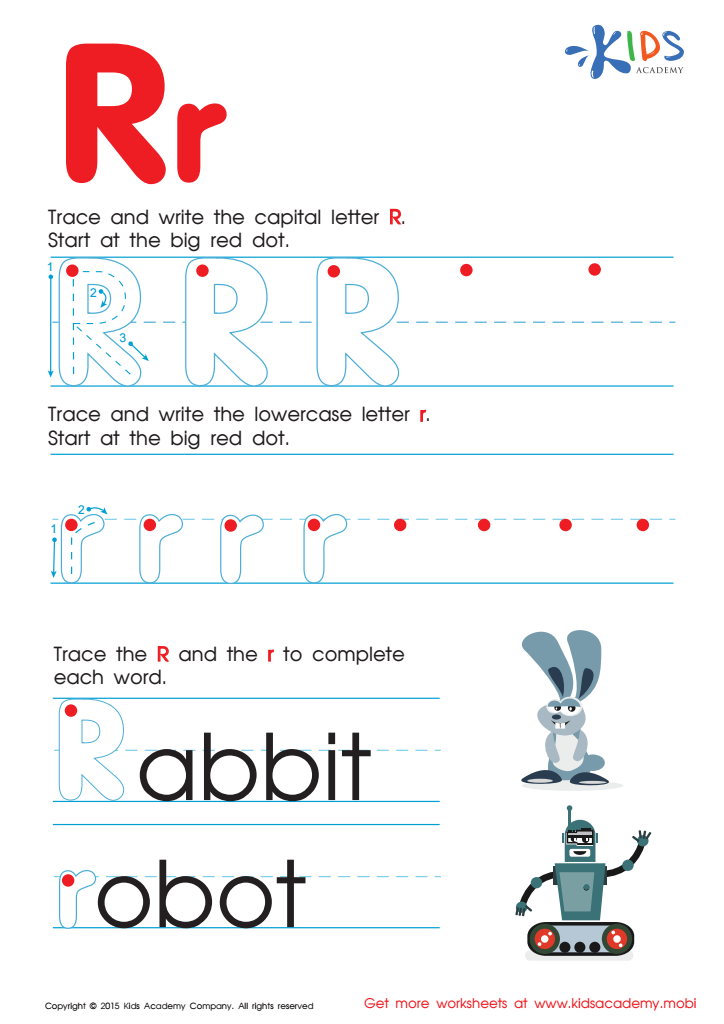
Letter R Tracing Page
 Assign to My Students
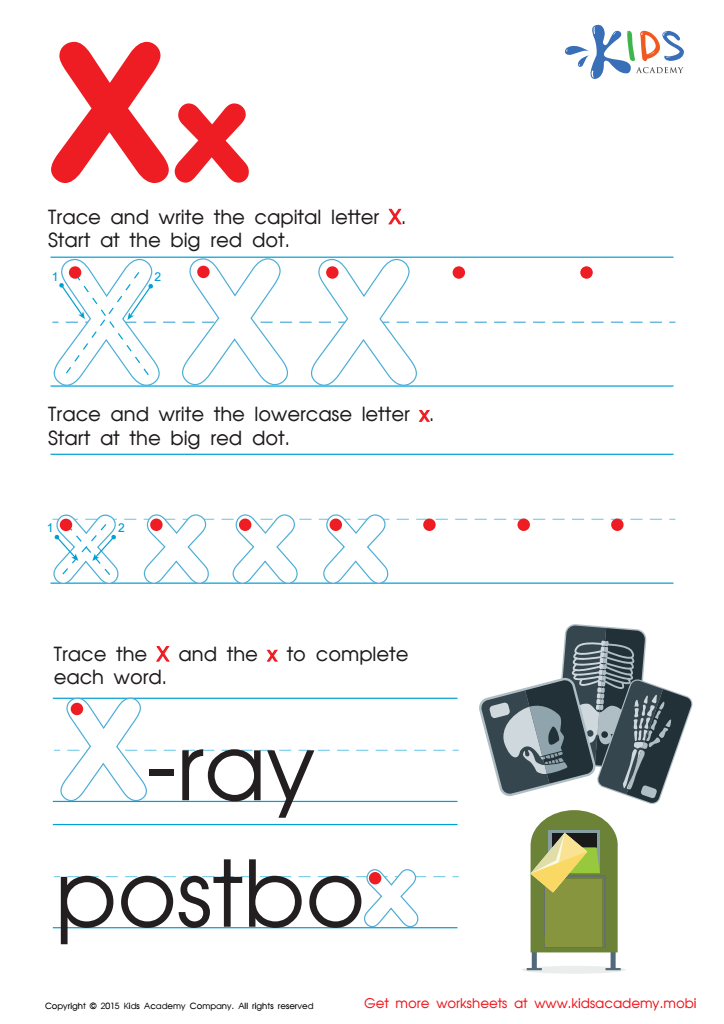
Letter X Tracing Page
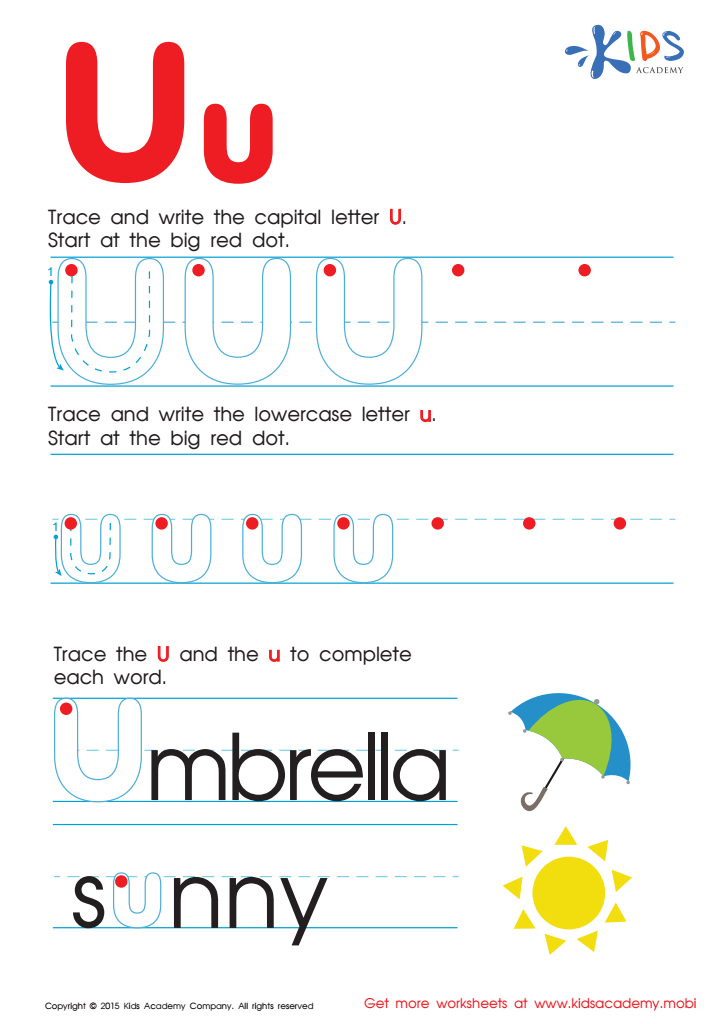
Letter U Tracing Page
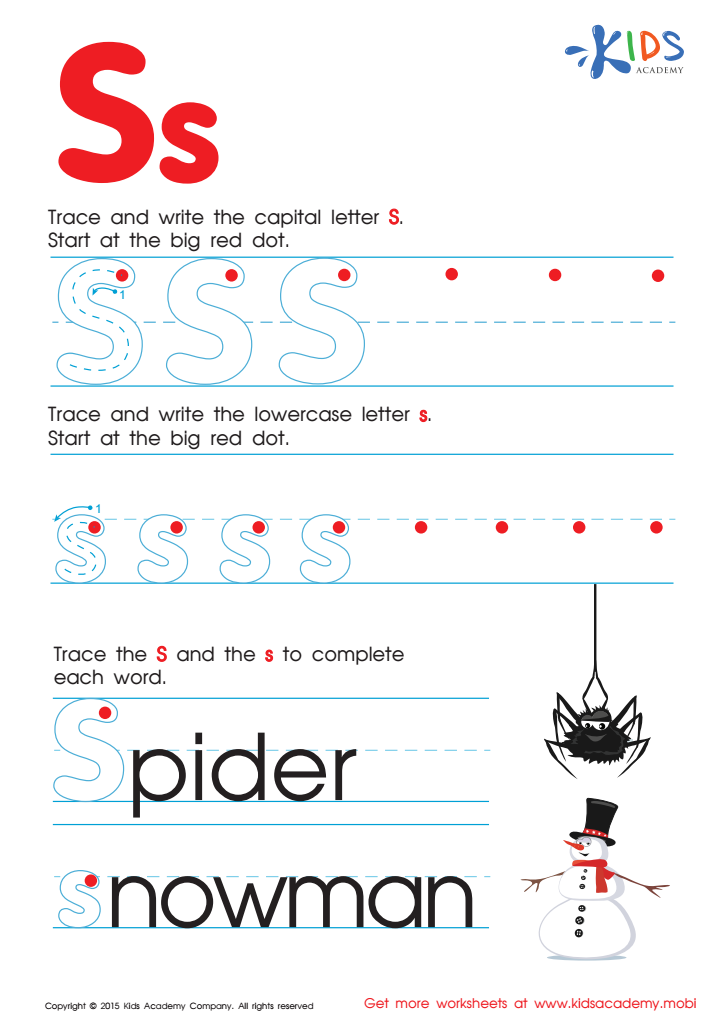
Letter S Tracing Page
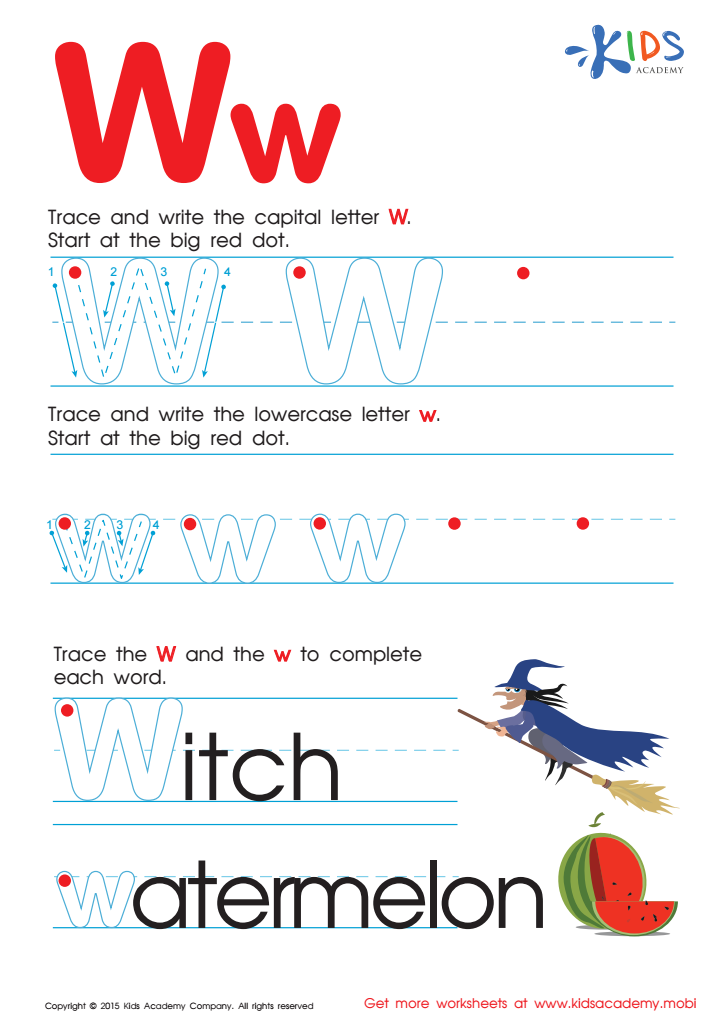
Letter W Tracing Page
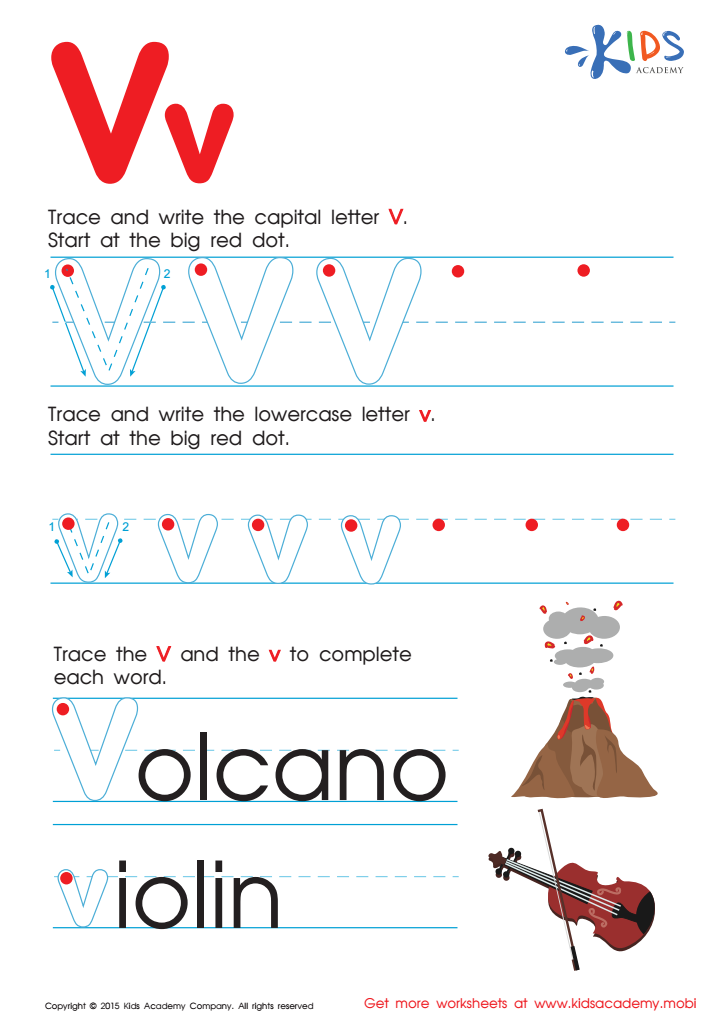
Letter V Tracing Page
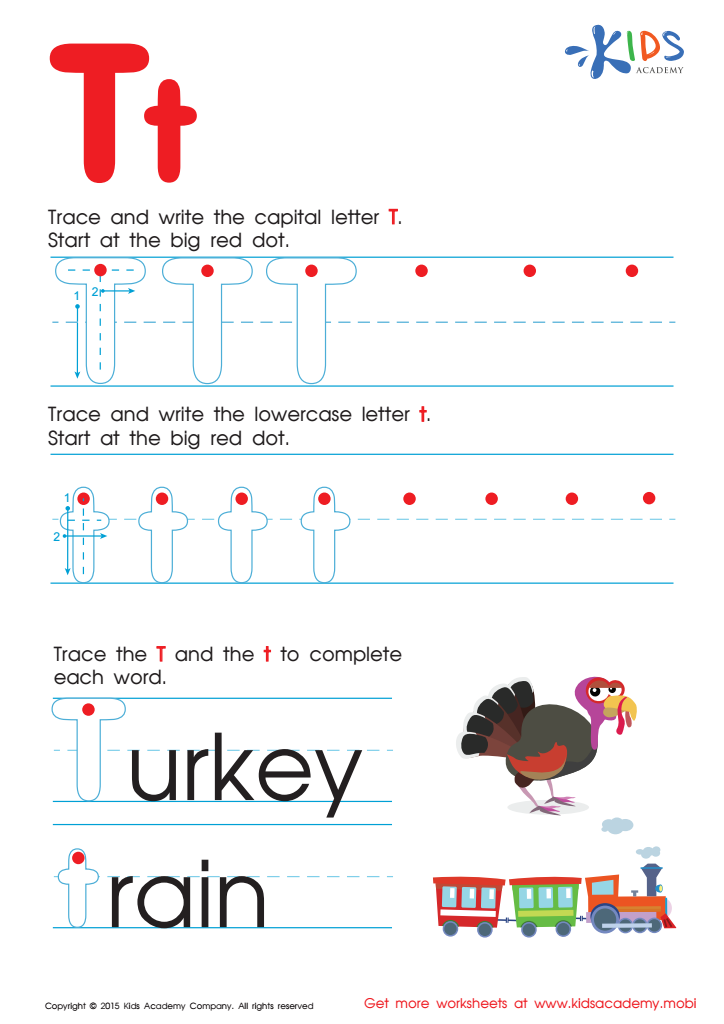
Letter T Tracing Page





Letter recognition is a foundational skill crucial for young learners aged 4-8. For both parents and teachers, fostering this skill is essential because it serves as a gateway to literacy and overall academic success. Recognizing letters helps children develop phonemic awareness, enabling them to sound out words and comprehend text. This is especially important as they begin to read independently, setting the stage for better communication skills and enhanced vocabulary.
Moreover, engaging with activities aimed at letter recognition makes learning interactive and enjoyable, which is vital for maintaining a child's interest and motivation. Immersing children in games, songs, and creative exercises ensures that they not only remember letters but also understand their significance in forming words and sentences.
Parents play a key role in reinforcing these skills at home, creating an environment rich in literacy through stories, letter-themed games, and everyday discussions. Teachers, similarly, can implement structured activities and individualized instruction to support varied learning paces among students. Recognizing letters influences a child's confidence and competence in reading and writing, skills that will benefit them throughout their education and life. Ultimately, prioritizing letter recognition during these formative years lays a strong educational foundation for lifelong learning.








