
Handwriting improvement Extra Challenge Worksheets for Ages 4-8
3 filtered results
Difficulty Level
Grade
Age
-
From - To
Subject
Activity
Standards
Boost your child’s handwriting skills with our Handwriting Improvement Extra Challenge Worksheets for Ages 4-8. Designed to make handwriting practice fun and engaging, these worksheets offer a range of challenging activities that help young learners refine their motor skills, enhance letter formation, and build writing confidence. Perfect for preschool to early elementary students, our expertly crafted worksheets feature playful illustrations and diverse exercises. Ideal for home or classroom use, they support early literacy development and prepare kids for academic success. Give your child the tools they need to write beautifully and confidently with our handwriting improvement resources.
Favorites
With answer key
Interactive
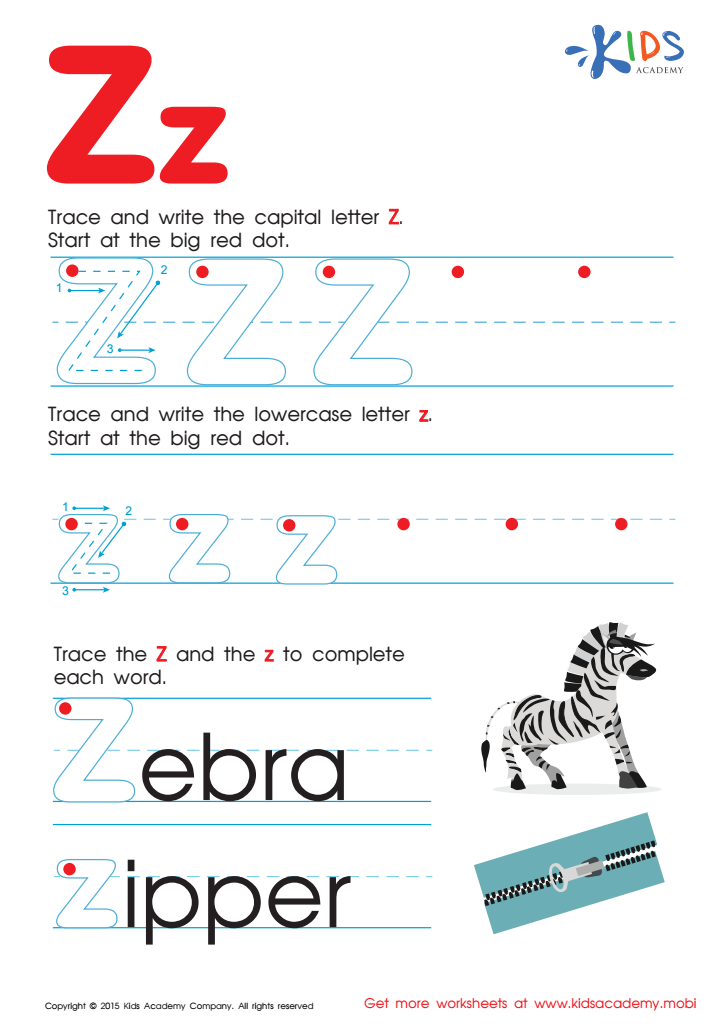
Letter Z Tracing Page
Trace and write capital "Z" and lowercase "z". Complete words "zebra" and "zipper". Be attentive and have fun! (80 words)
 Assign to My Students
Letter Z Tracing Page
Worksheet
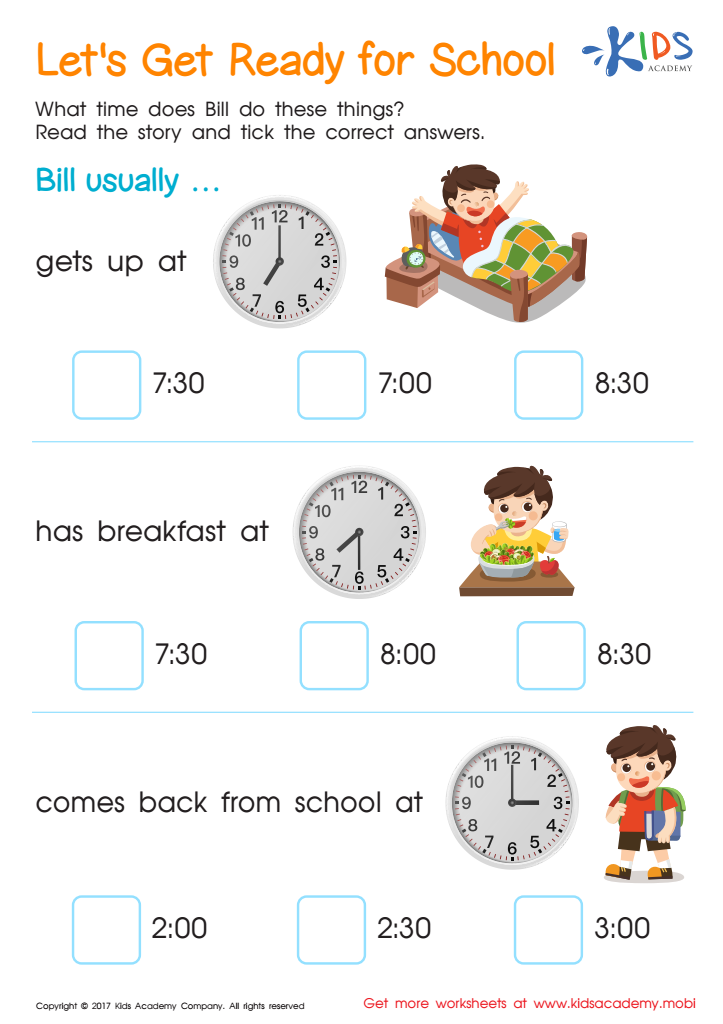
Lets Get Ready For School Time Printable
Believe it or not, kids today are struggling with reading traditional clocks. This vital skill shouldn't be lost, so why not try this fun telling time worksheet to get ready for school? Don't miss out!
Lets Get Ready For School Time Printable
Worksheet
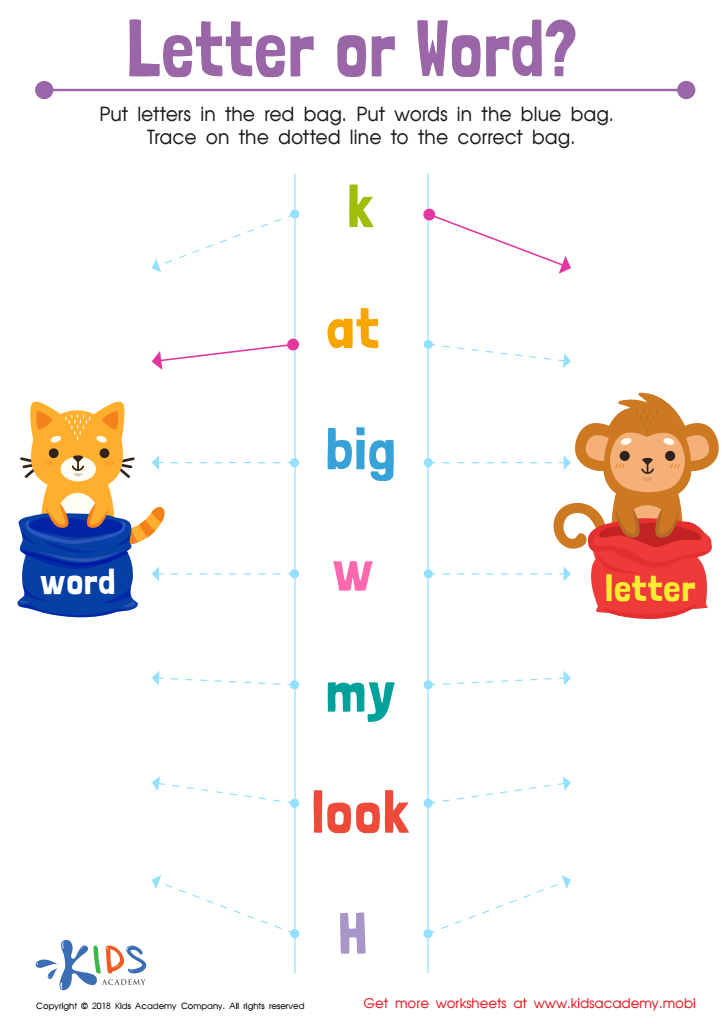
Letter or Word? Worksheet
Help your kids differentiate between words and letters. If they can recite their alphabets and identify common words, this tracing sheet will be a breeze. Have them trace on the dotted lines to place the letters in the red bag with the kitten, and the words in the blue bag with the monkey.
Letter or Word? Worksheet
Worksheet
Join Kids Academy for Free
Who is primarily going to use this learning content?





%20(1).jpg)

Handwriting improvement for children ages 4-8 is crucial as it builds foundational skills that have a lasting impact on their academic and personal development. Parents and teachers should give importance to this because handwriting is more than just a fine motor skill – it is closely linked to cognitive and literacy development.
Through handwriting practice, children enhance their hand-eye coordination, finger dexterity, and fine motor skills. This improvement is not only beneficial for clear and legible writing but also for other activities such as buttoning clothes, using eating utensils, and playing musical instruments.
Additionally, good handwriting skills play a vital role in academic success. When children can write legibly and efficiently, they can focus more on content rather than on the physical act of writing, ensuring they perform better in tasks such as note-taking, exams, and assignments. This improvement boosts their confidence and aids their learning process.
Moreover, practicing handwriting cultivates important traits such as patience, attention to detail, and discipline. These personality attributes contribute to the child’s overall character development.
Therefore, by placing emphasis on handwriting improvement for young learners, parents and teachers are significantly contributing to the child's overall developmental trajectory and laying a solid foundation for future educational and personal achievements.








