Reading comprehension Extra Challenge Addition & Subtraction Worksheets for Ages 4-8
8 filtered results
-
From - To
Boost your child’s learning with our "Reading Comprehension Extra Challenge Addition & Subtraction Worksheets" designed for ages 4-8! These engaging worksheets not only make math fun but also enhance reading comprehension skills. Each activity connects math concepts to literacy, challenging young learners to understand problems and read instructions clearly. Ideal for at-home learning or classroom use, these worksheets focus on building critical thinking and problem-solving abilities. Encourage your child to explore numbers and words while developing a strong foundation in both subjects. Watch as they gain confidence and improve their skills—making learning enjoyable and effective! Download and print today!
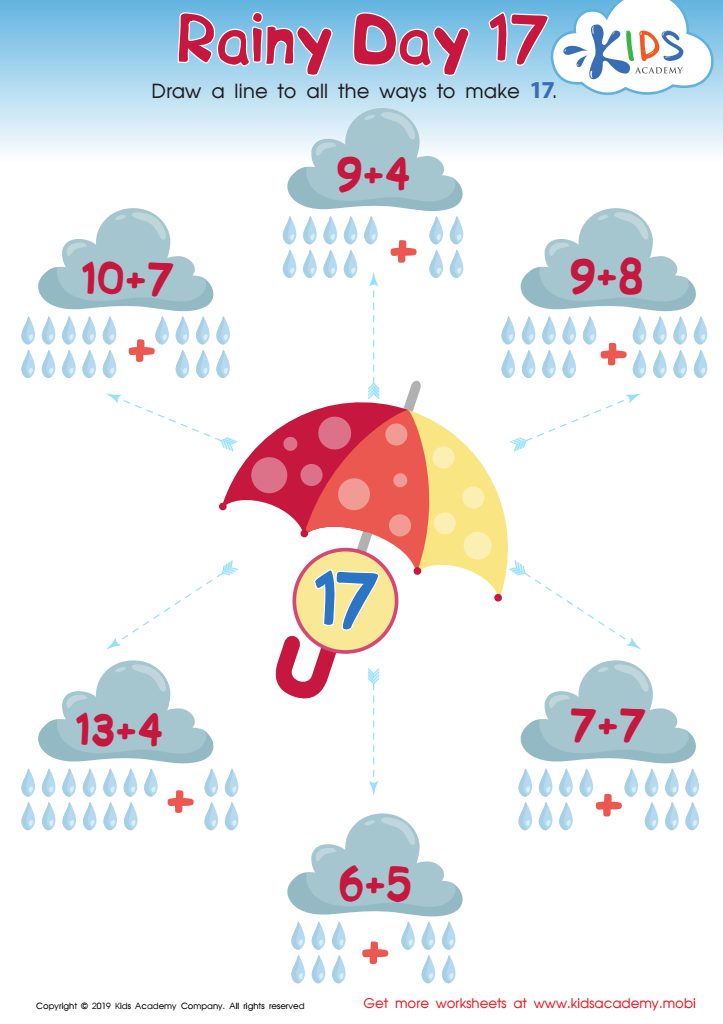
Rainy Day 17 Worksheet
 Assign to My Students
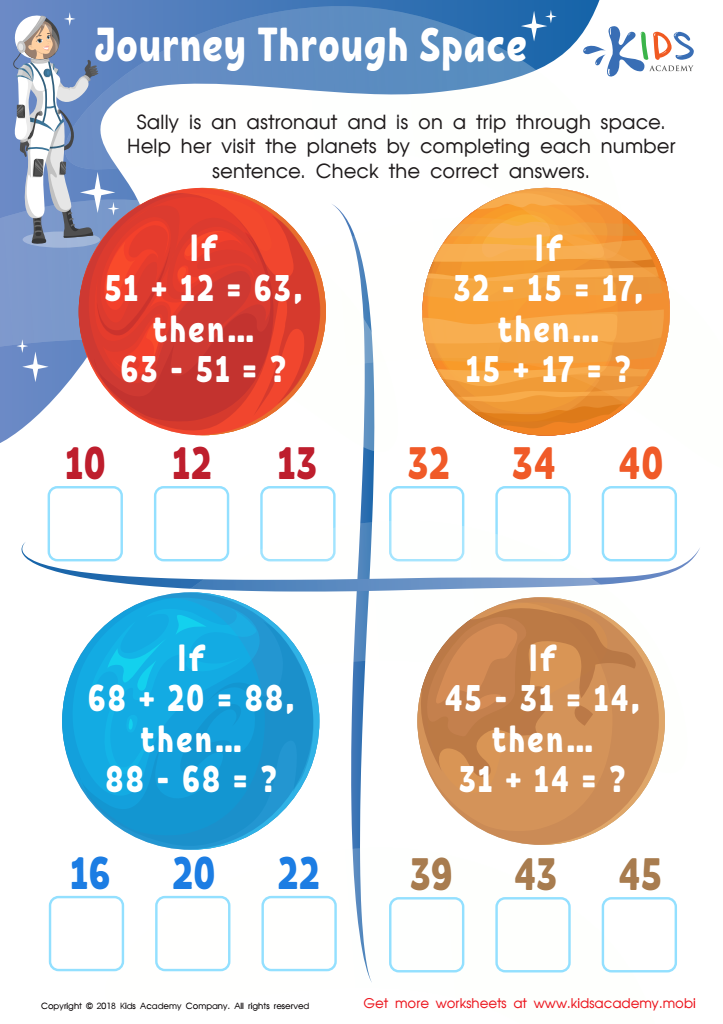
Journey Through Space Worksheet
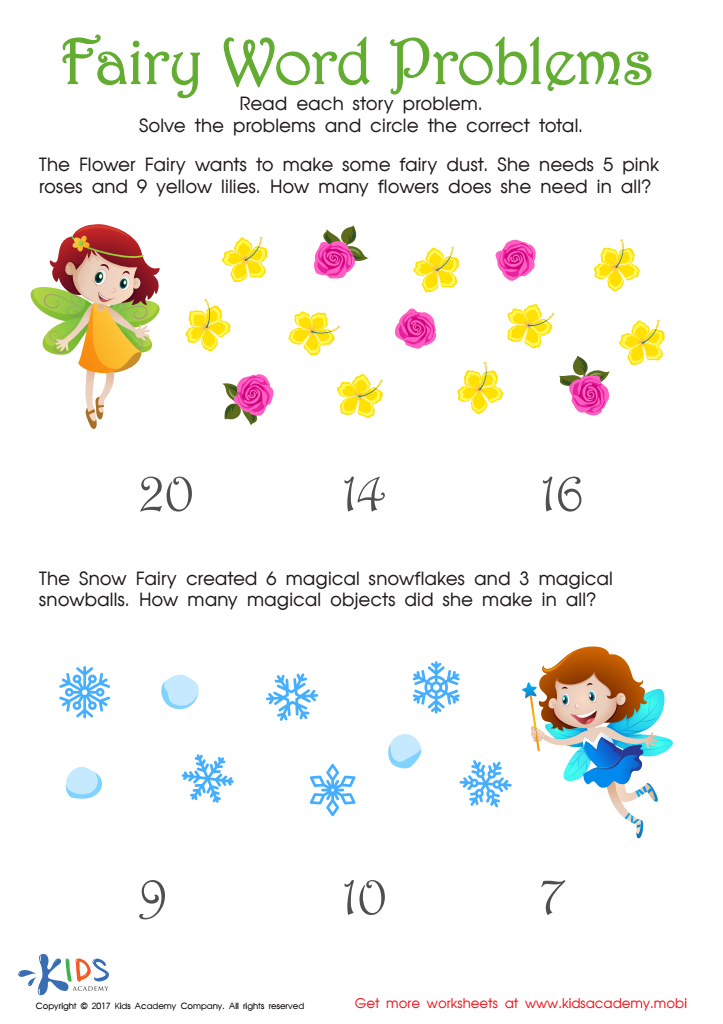
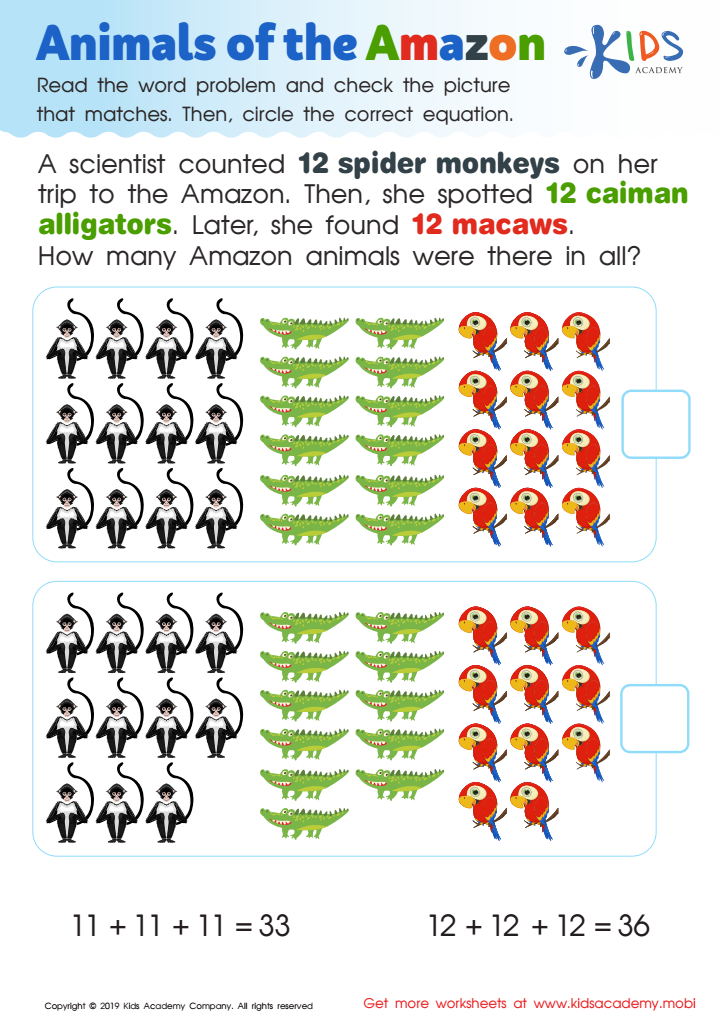
Animals of Amazon Worksheet
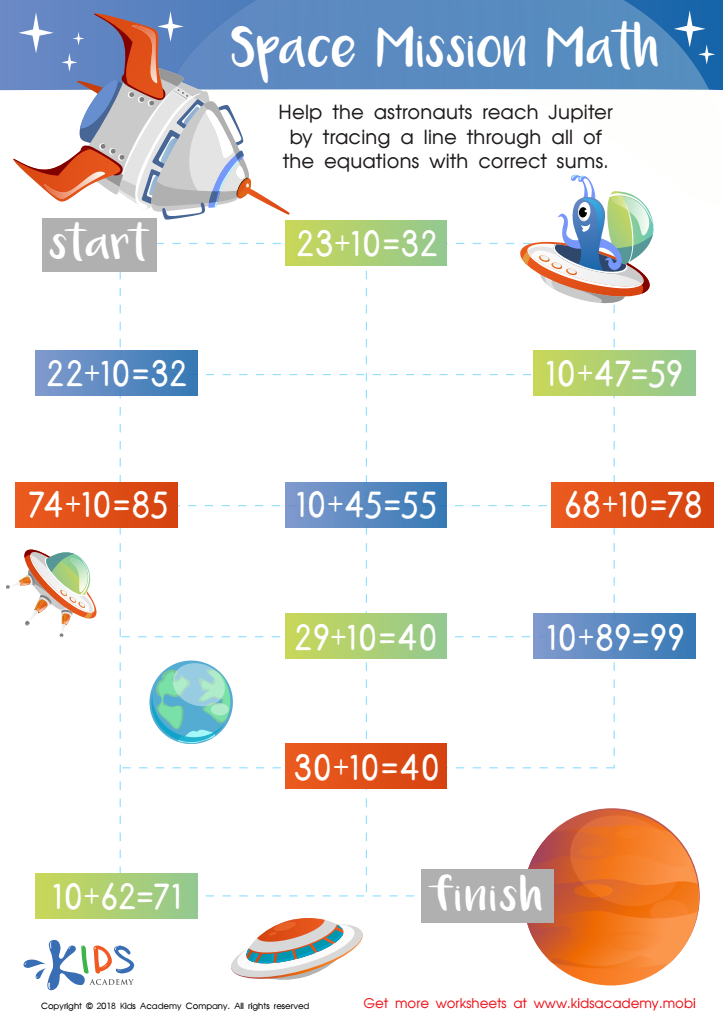
Space Mission Math Worksheet
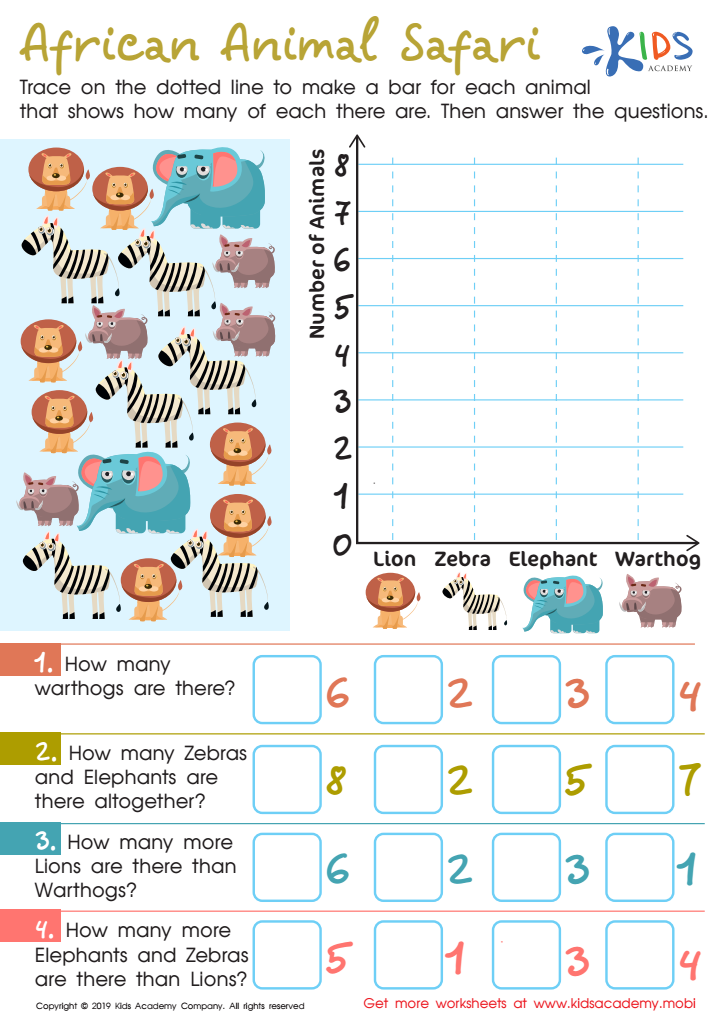
African Animal Safari Worksheet
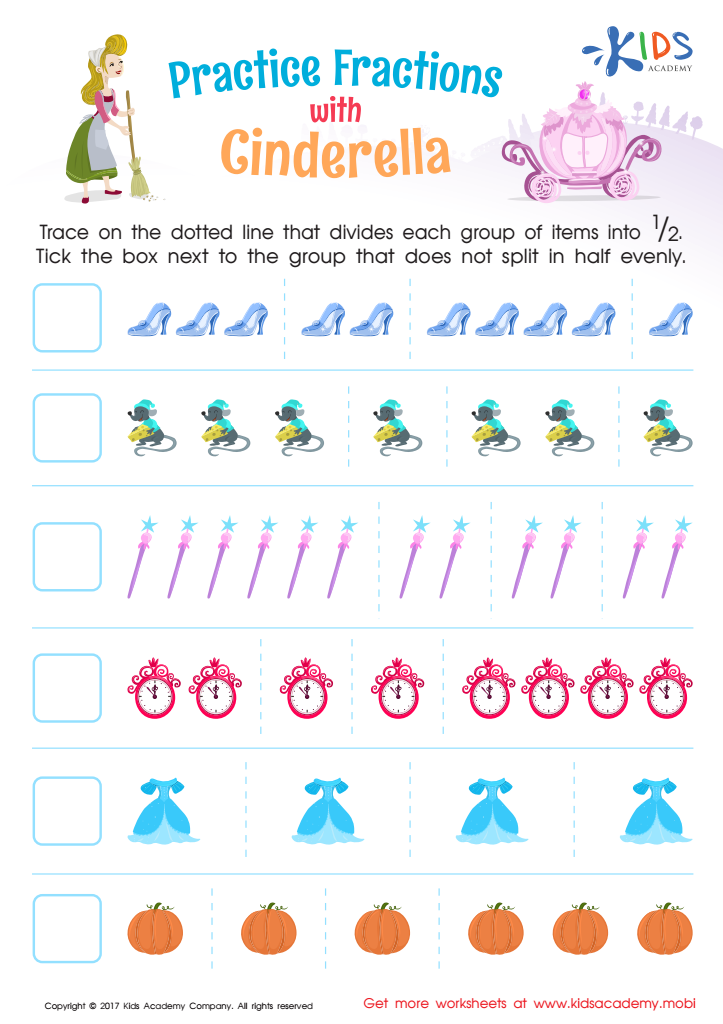
Fractions: Cinderella Printable
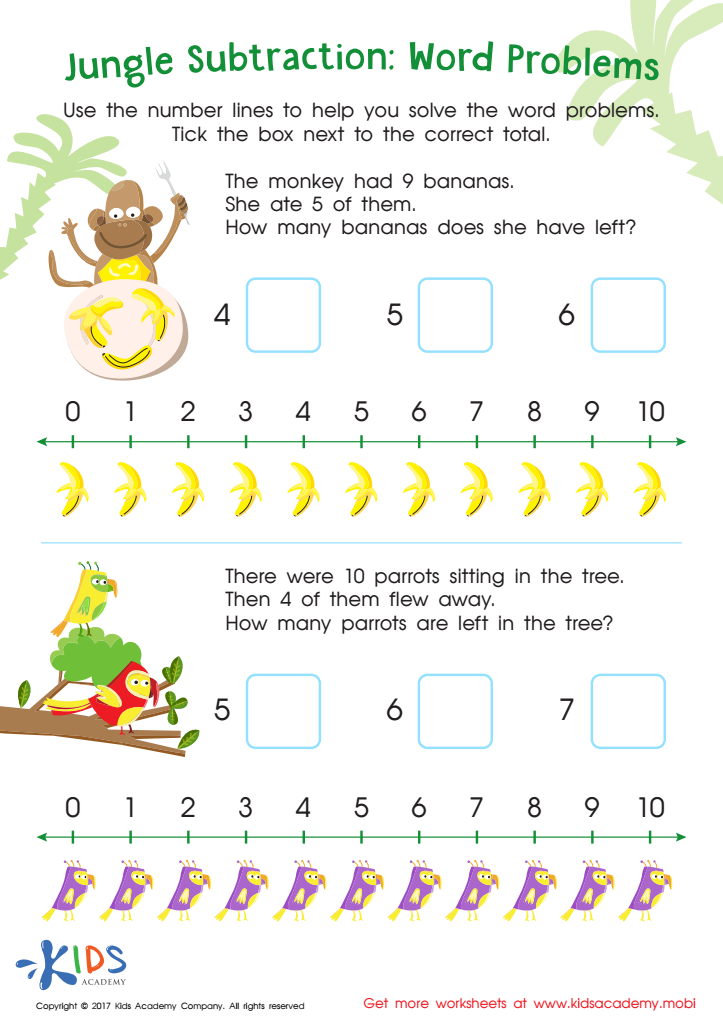
Jungle Subtraction Word Problems Substraction Worksheet








Reading comprehension and mathematics, particularly addition and subtraction, form foundational skills critical for young learners aged 4-8. Parents and teachers should prioritize exercises incorporating these skills, such as "Reading Comprehension Extra Challenge: Addition & Subtraction", for several reasons.
Firstly, reading comprehension fosters cognitive development. It teaches children how to decode language, make connections between ideas, and enhances vocabulary. When integrated with math, children learn to understand word problems, reinforcing their ability to interpret text and apply logical reasoning simultaneously.
Additionally, working with addition and subtraction in a reading context encourages critical thinking. Students not only practice mathematical procedures but also interpret scenarios that require them to think creatively and make decisions. It further supports their ability to understand the context of numbers and their real-world applications.
Moreover, engaging children with challenges promotes motivation and resilience. It entices young learners to explore concepts deeply, arming them with essential skills for future academic success. By recognizing the importance of reading and mathematical comprehension together, parents and teachers can cultivate lifelong learners, equipping them to navigate increasingly complex subjects across disciplines. In essence, prioritizing these intertwined skills is vital for holistic educational development.