Number Recognition Extra Challenge Numbers up to 100 Worksheets for Ages 4-8
3 filtered results
-
From - To
Elevate your child's number recognition skills with our "Number Recognition Extra Challenge: Numbers up to 100" worksheets! Tailored for ages 4-8, these engaging exercises are perfect for boosting confidence and proficiency. Through fun and challenging activities, kids will practice identifying and writing numbers up to 100, enhancing their counting, sequencing, and pattern recognition abilities. Ideal for reinforcing classroom learning or extra home practice, our carefully designed worksheets cater to various skill levels, ensuring every young learner stays motivated and on track. Spark your child's love for math and watch them excel with these extra challenge worksheets!
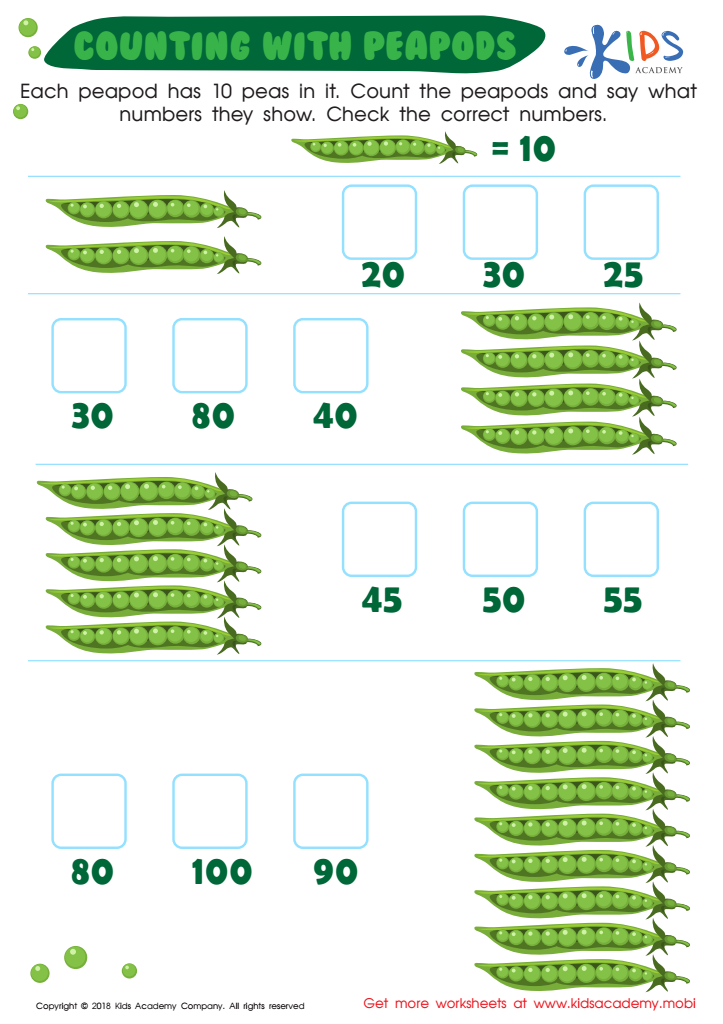
Number Worksheet: Counting With Peapods
 Assign to My Students
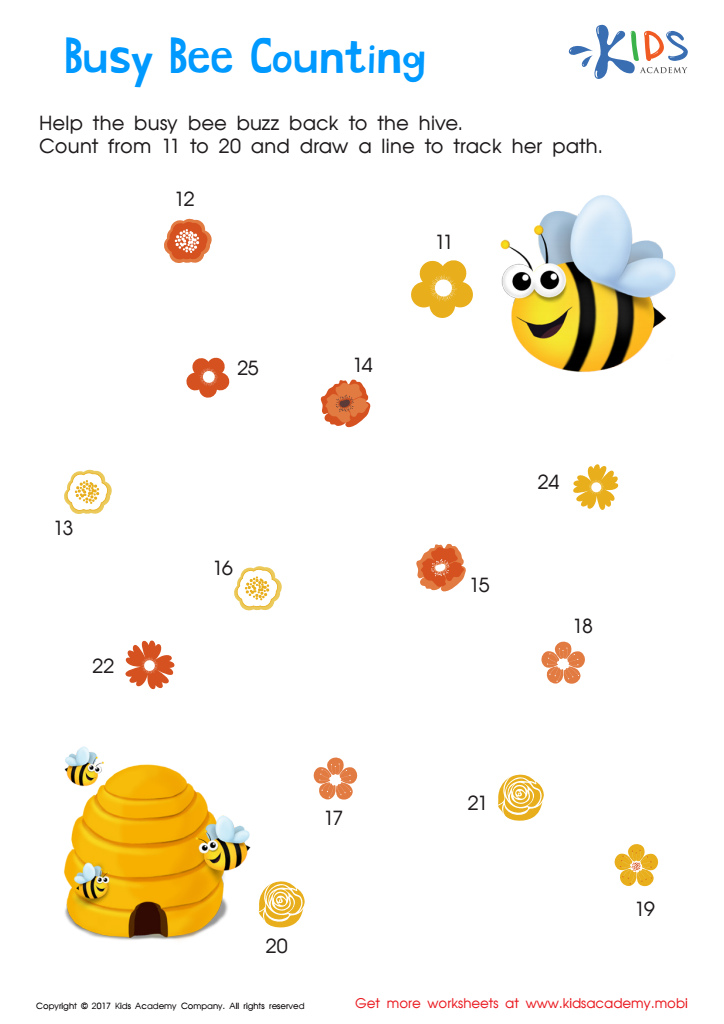
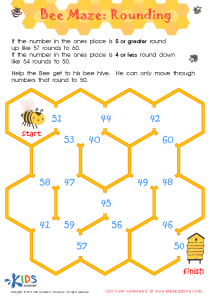
Ordering 11–20: Busy Bee Counting Worksheet
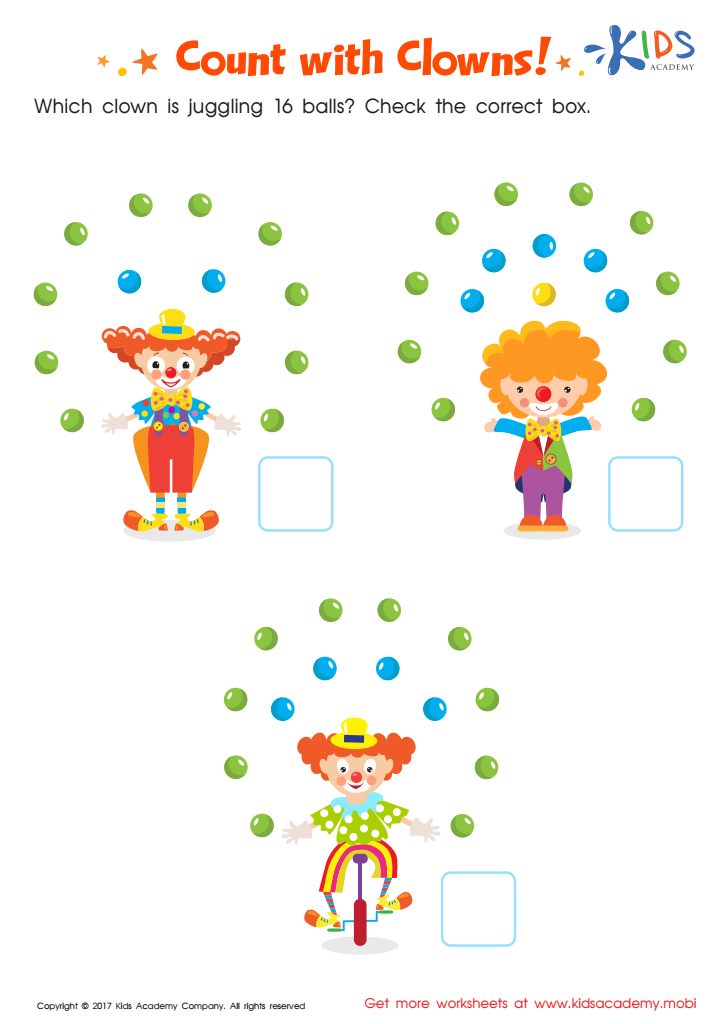
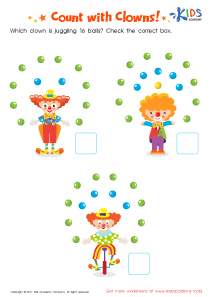
Count with Clowns Worksheet







%20(1).jpg)
Number recognition up to 100 for children aged 4-8 is crucial for their early development, as it lays a strong foundation for future mathematical skills. For both parents and teachers, imparting this knowledge should be a priority because it fosters cognitive development, enhances logical thinking, and improves problem-solving abilities.
Understanding numbers up to 100 helps children in grasping the basics of addition, subtraction, and grouping, which are fundamental math concepts. It also aids in cultivating familiarity with two-digit numbers, paving the way for more advanced mathematical operations in later years. Moreover, recognizing larger numbers helps children comprehend concepts like counting in tens and units, establishing a solid groundwork for place value comprehension.
Caring for this aspect of education isn't just about preparing children for academic success; it's about boosting their confidence and curiosity. When children successfully recognize and work with numbers up to 100, they experience a sense of accomplishment that encourages continuous learning and perseverance. This early triumph can foster a positive attitude towards mathematics, reducing the likelihood of math anxiety.
Therefore, focusing on number recognition up to 100 equips children with necessary academic tools and cultivates an encouraging early learning environment, promoting overall intellectual and emotional growth. For teachers and parents, these early successes can pave the way for future educational accomplishments.