Alphabet Recognition Extra Challenge ABC Letters Worksheets for Ages 4-9
3 filtered results
-
From - To
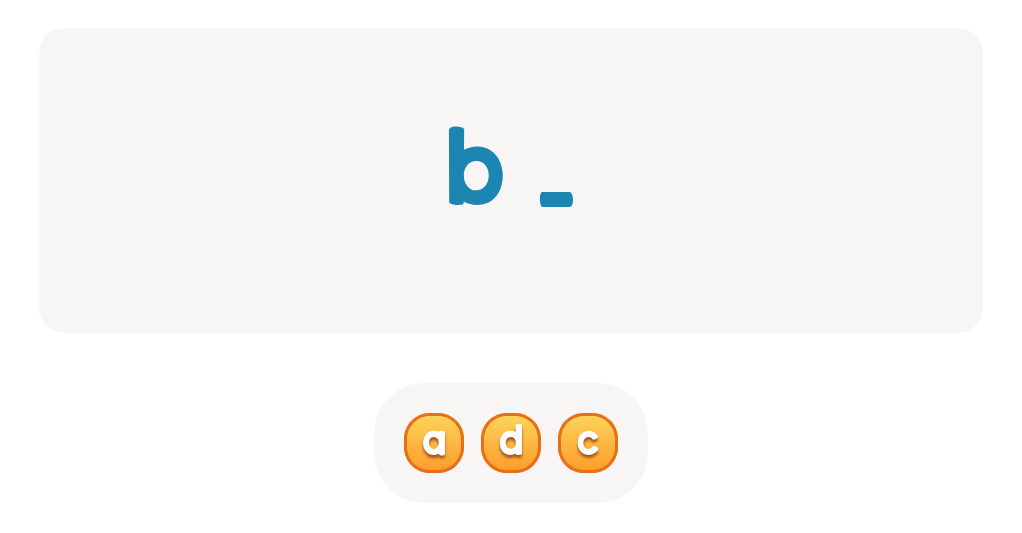
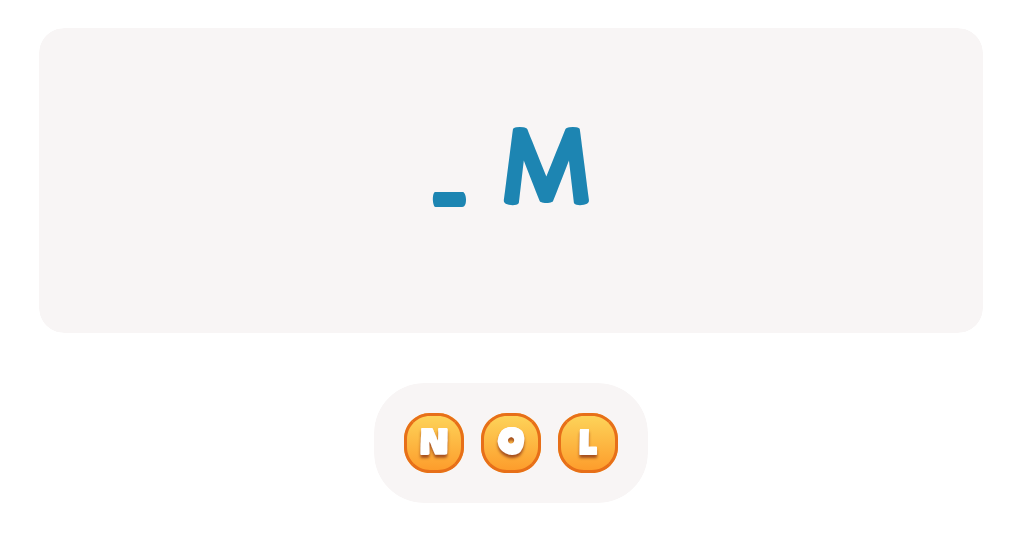
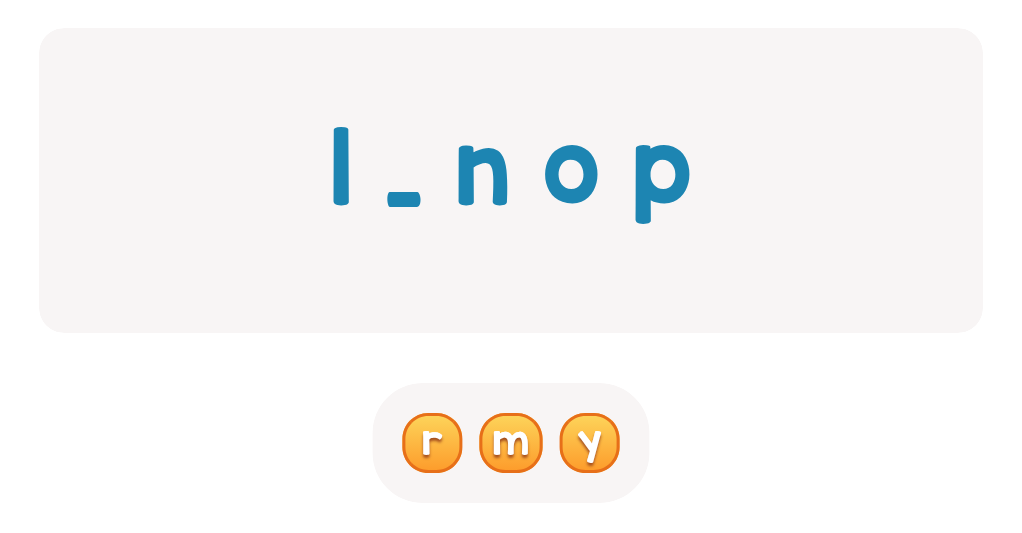
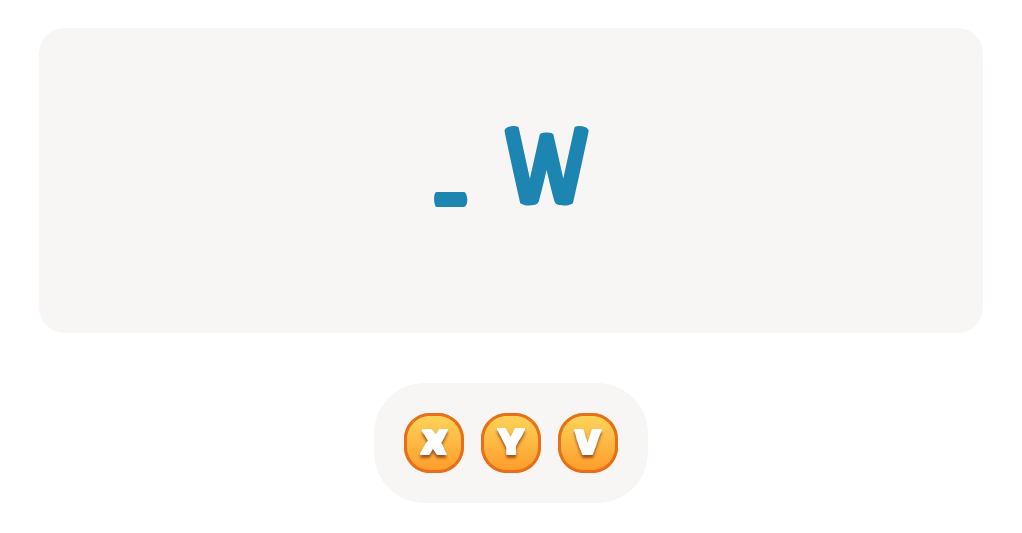
Boost your child's alphabet skills with our Alphabet Recognition Extra Challenge ABC Letters Worksheets for Ages 4-9! Perfect for young learners, these engaging printables offer a variety of exercises to reinforce letter recognition, improve handwriting, and enhance phonetical understanding. Designed by educators, each worksheet provides interactive and fun activities, including tracing, matching, and coloring, to keep kids motivated and help them master the alphabet. Ideal for classroom use or at-home practice, these worksheets offer a comprehensive approach to developing early literacy skills, ensuring a solid foundation for future learning success. Try them today and watch your child excel!
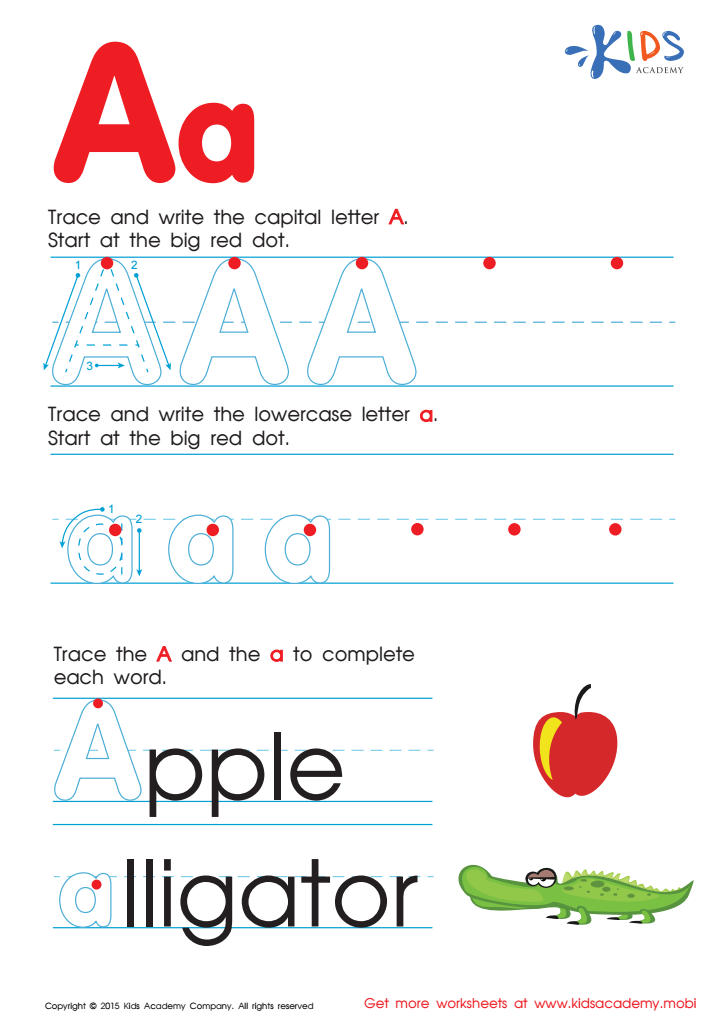
Letter A Tracing Page
 Assign to My Students

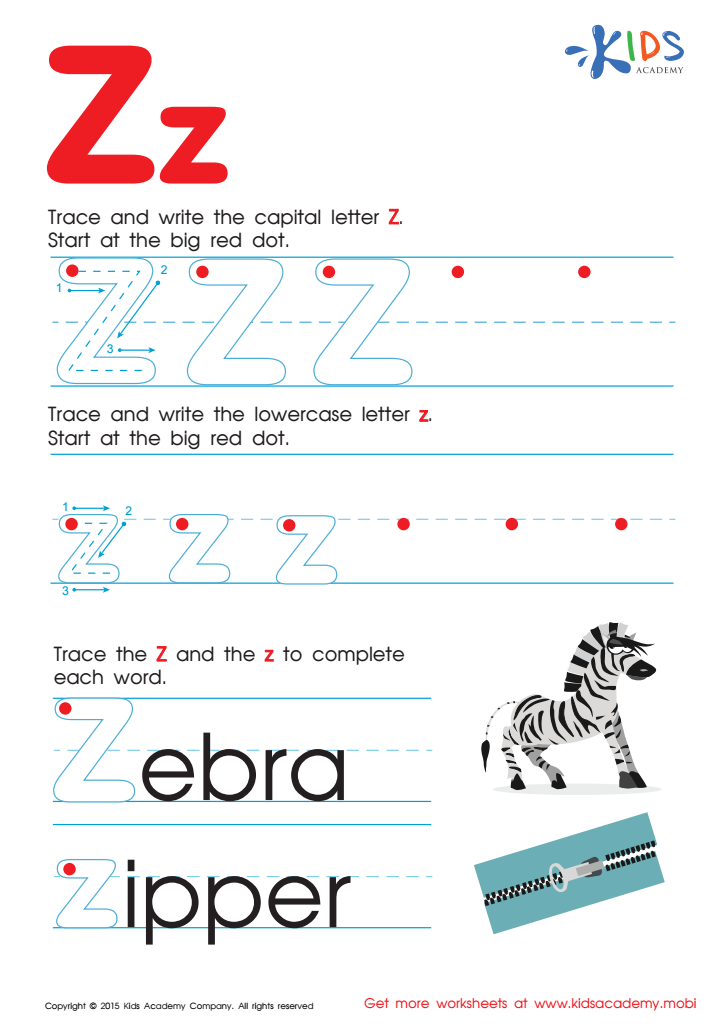
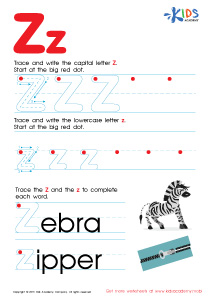
Letter Z Tracing Page
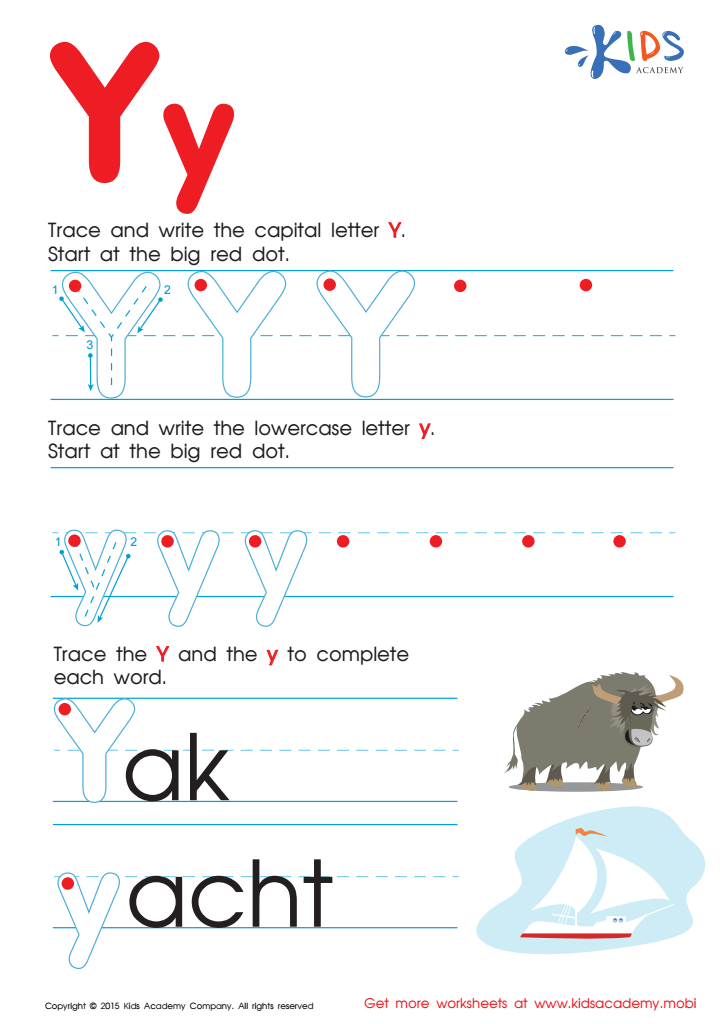
Letter Y Tracing Page







Alphabet Recognition Extra Challenge ABC Letters is crucial for children aged 4-9 as it lays the foundational building blocks for literacy. For parents and teachers, prioritizing this aspect ensures that children develop essential skills early on, which translates into long-term academic success. Recognizing and understanding letters is the first step toward learning to read and write, empowering kids to engage with the world of books and written communication.
This extra challenge goes beyond mere recognition, fostering deeper cognitive abilities such as auditory discrimination, visual processing, and fine motor skills when children trace or write letters. The activities often involve patterns, sequences, and phonetic awareness, promoting both critical thinking and memory retention.
For parents, engaging children in these exercises provides quality bonding time, expanding vocabulary while encouraging a love for learning. Teachers can utilize such challenges to identify early predictors of reading difficulties, allowing timely intervention strategies. Emphasizing alphabet recognition simplifies the transition to more complex linguistic tasks, ensuring children feel confident and motivated.
Ultimately, investing time and resources into Alphabet Recognition Extra Challenge ABC Letters is a proactive strategy for parents and teachers, positioning children for academic achievement and instilling foundational skills that will benefit their educational journeys and beyond.