Extra Challenge Consonants Worksheets for Ages 4-9
5 filtered results
-
From - To
Discover our "Extra Challenge Consonants Worksheets for Ages 4-9," designed to enhance phonetic skills while making learning fun! These engaging worksheets focus on consonant recognition, pronunciation, and usage, perfect for young learners who are ready for a challenge. Tailored for children ages 4 to 9, they promote essential literacy skills through creative activities, puzzles, and games. Help your child master consonants with our thoughtfully designed exercises that boost confidence and foster a love for reading. Ideal for classroom use or at home, our worksheets make learning interactive and enjoyable. Download today and empower your child's language development!
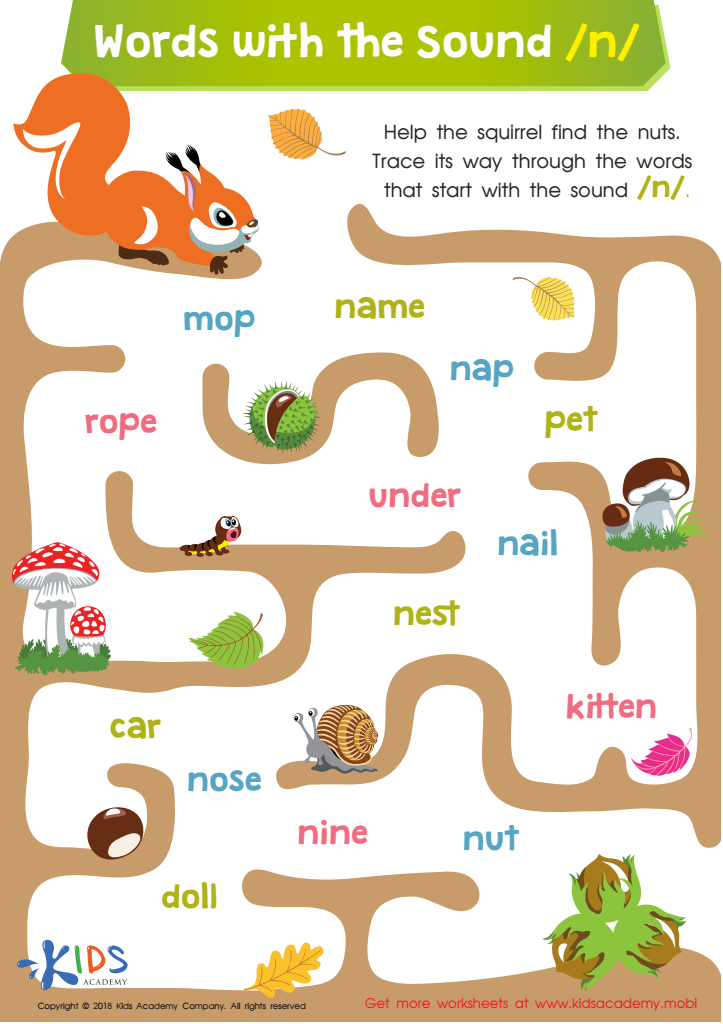
Words with Sound N Reading Worksheet
 Assign to My Students
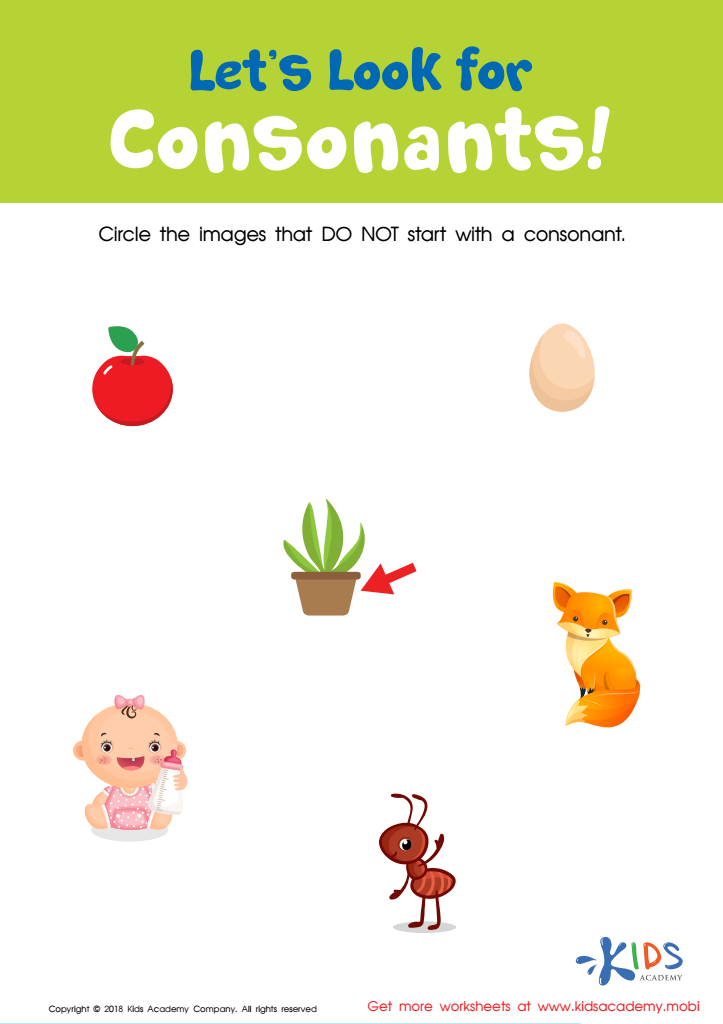
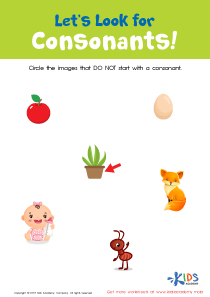
Let's Look for Consonants Worksheet
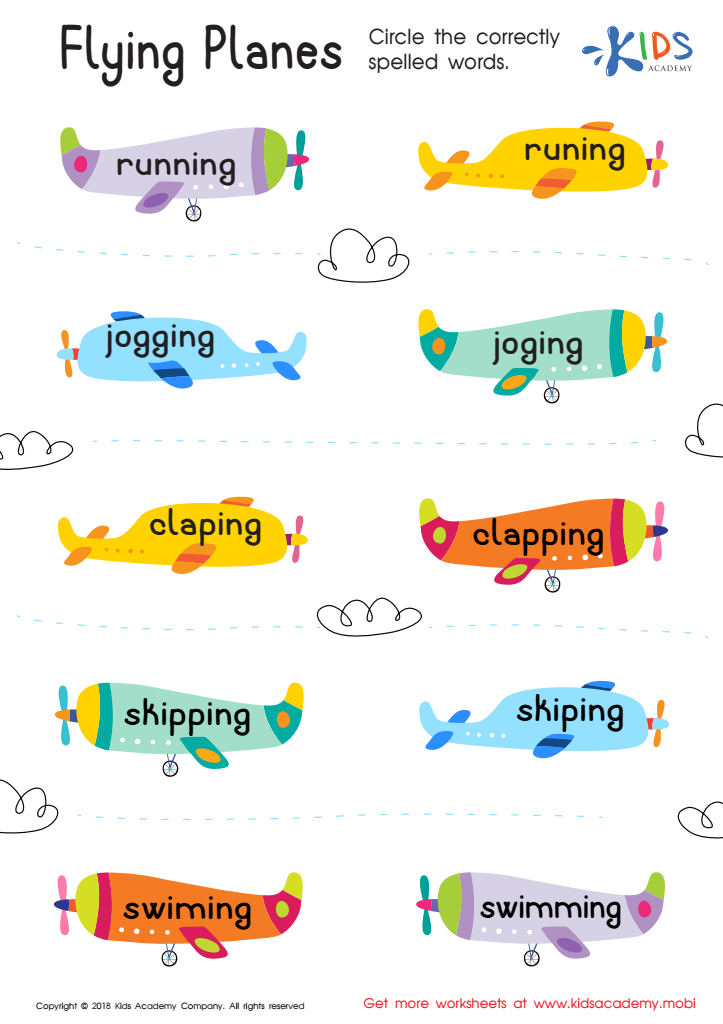
Flying Planes Worksheet
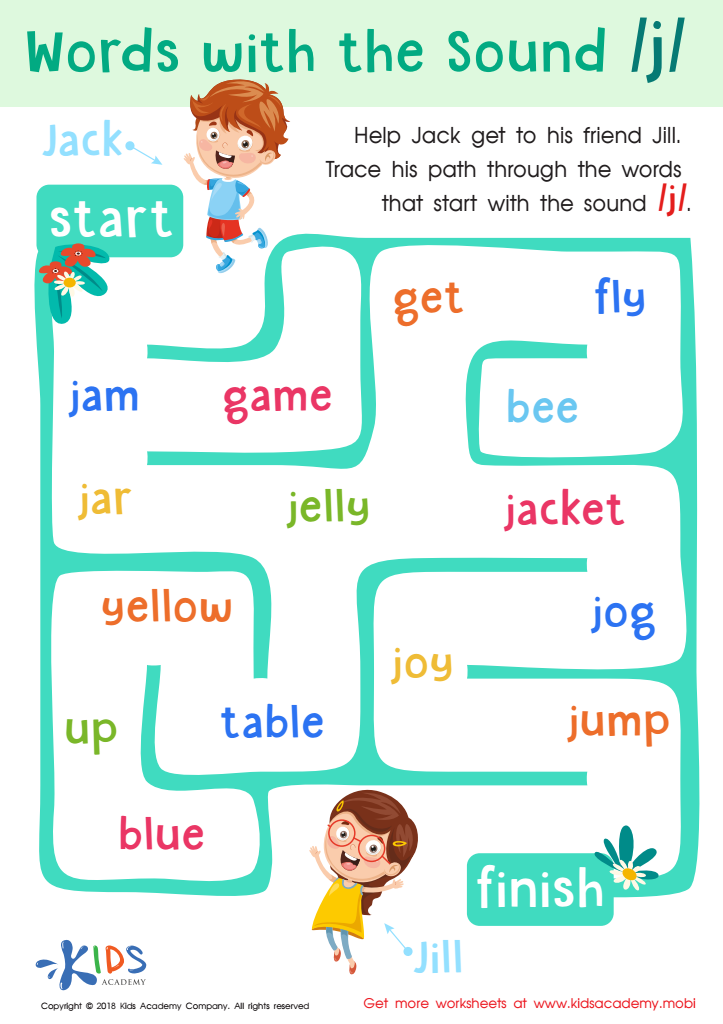
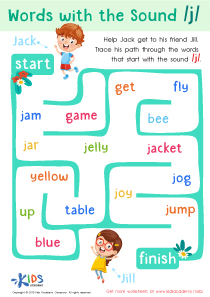
Words with sound j Reading Worksheet
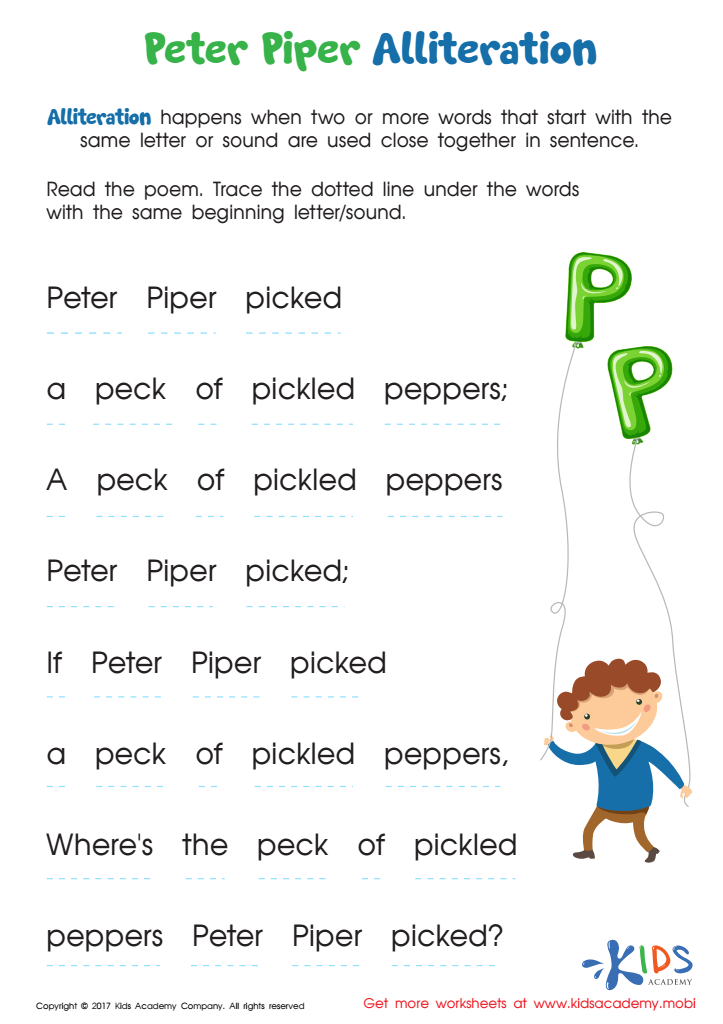
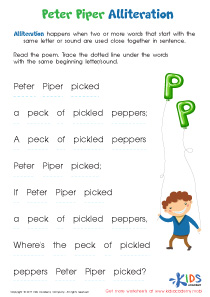
Peter Piper Alliteration Worksheet



Extra Challenge Consonants are specially designed phoneme groupings intended for children aged 4-9, which focus on advanced consonant sounds that often appear in complex words. Parents and teachers should care about this because mastering these challenging sounds enhances children's phonetic awareness, a critical foundation for reading and writing.
Early exposure to diverse consonant clusters can significantly improve a child's ability to decode words. As they progress, they will encounter increasingly complex texts in their academic journey; familiarity with these consonants empowers them to tackle new vocabulary with confidence. Additionally, understanding how to articulate and use consonant blends and digraphs not only sharpens their reading skills but also enriches their expressive language, allowing for clearer communication.
Moreover, this early work fosters cognitive development by promoting critical thinking skills. With extra challenges, children learn to persevere, cultivate problem-solving strategies, and build resilience. Encouraging children to embrace these challenges promotes a growth mindset, making them more adaptable learners.
Incorporating Extra Challenge Consonants into childhood education fosters a rich literacy environment, ultimately leading to increased academic proficiency and lifelong learning habits. By prioritizing these aspects, caregivers play a pivotal role in preparing children for future success.