Handwriting practice Extra Challenge Tracing Letters Worksheets for Ages 4-9
5 filtered results
-
From - To
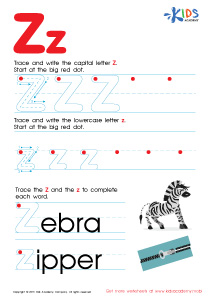
Enhance your child's handwriting skills with our Handwriting Practice Extra Challenge Tracing Letters Worksheets, designed specifically for ages 4-9. These worksheets offer a fun and engaging way for young learners to practice tracing letters, improving their fine motor skills, letter recognition, and overall writing abilities. Each worksheet includes a variety of activities that gradually increase in difficulty, allowing children to advance at their own pace. Ideal for home practice or classroom use, our worksheets turn handwriting practice into an enjoyable challenge. Download these visually appealing resources today and help your child develop confident and legible penmanship!
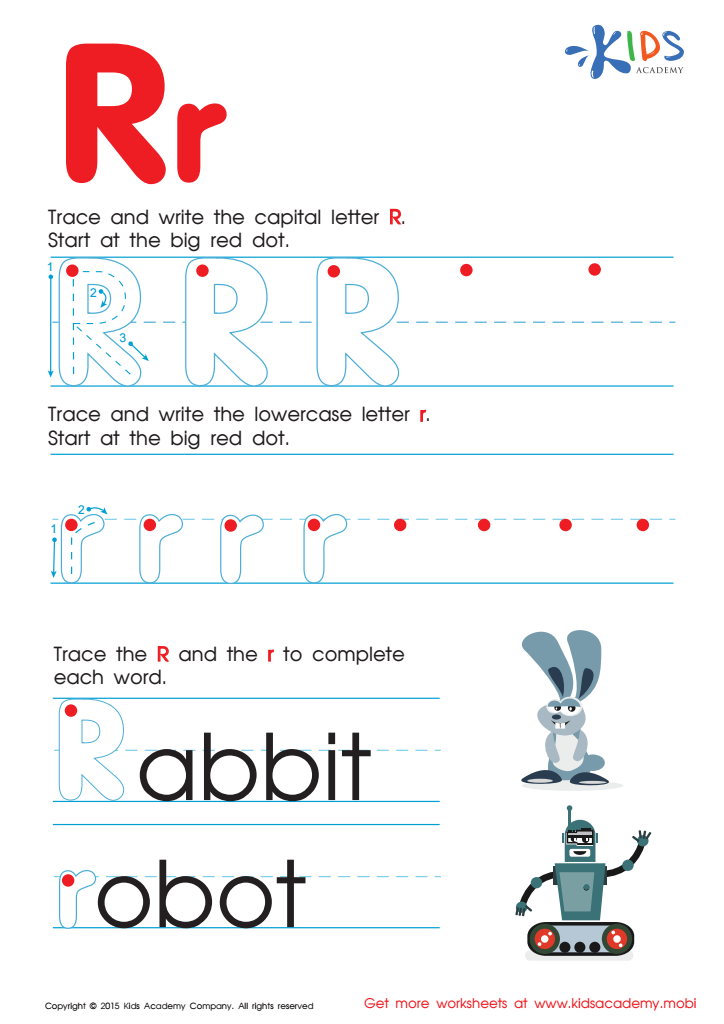
Letter R Tracing Page
 Assign to My Students
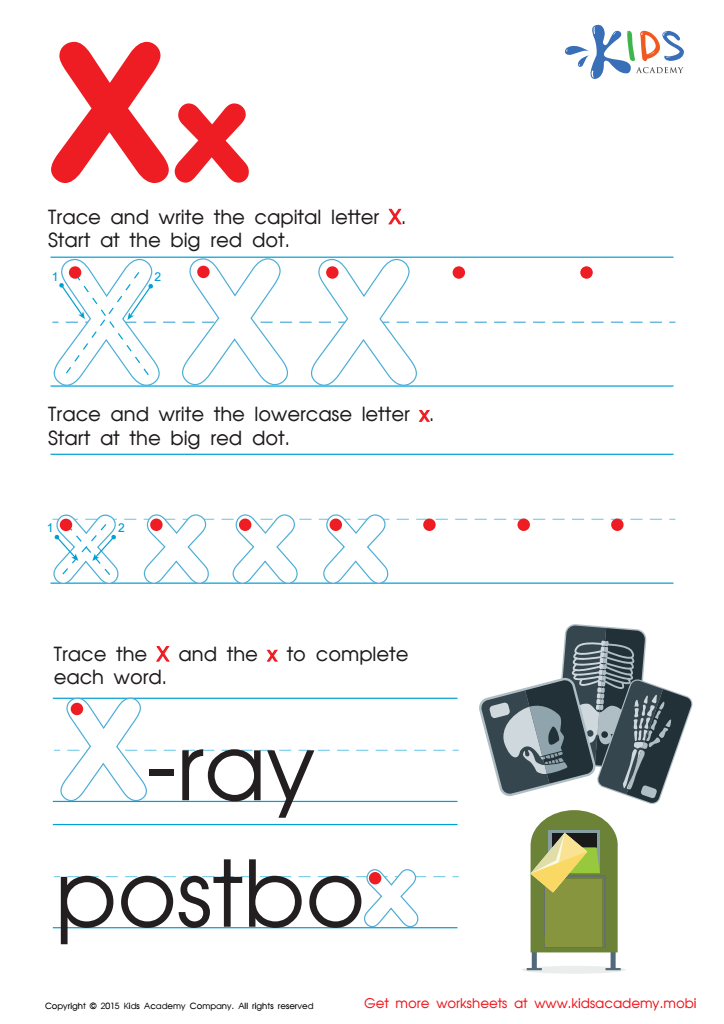
Letter X Tracing Page
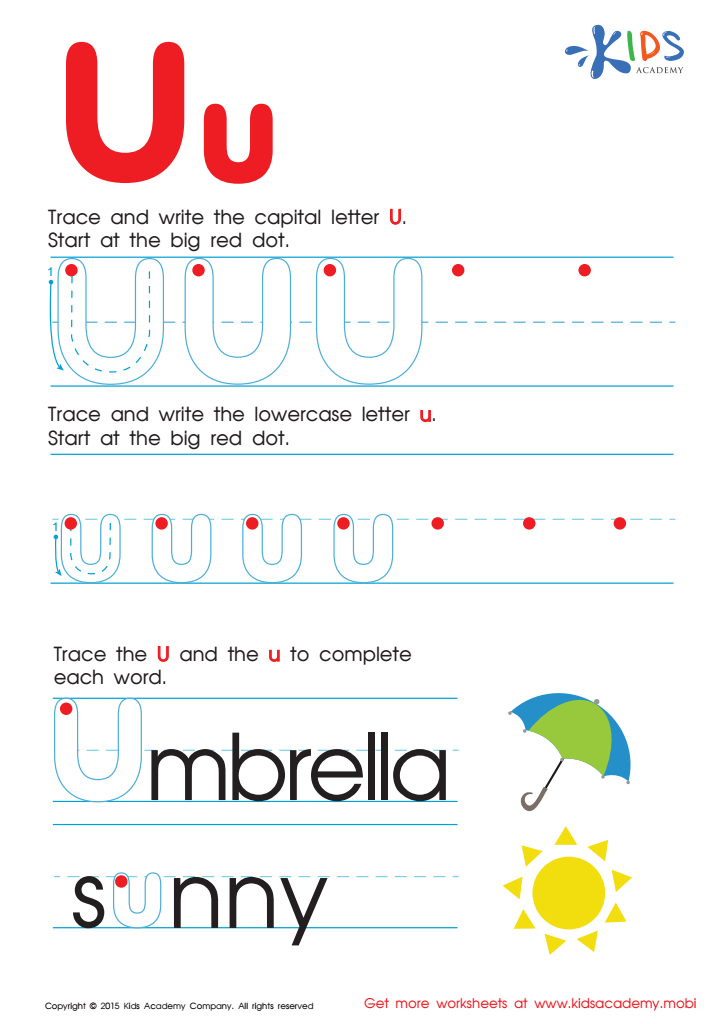
Letter U Tracing Page
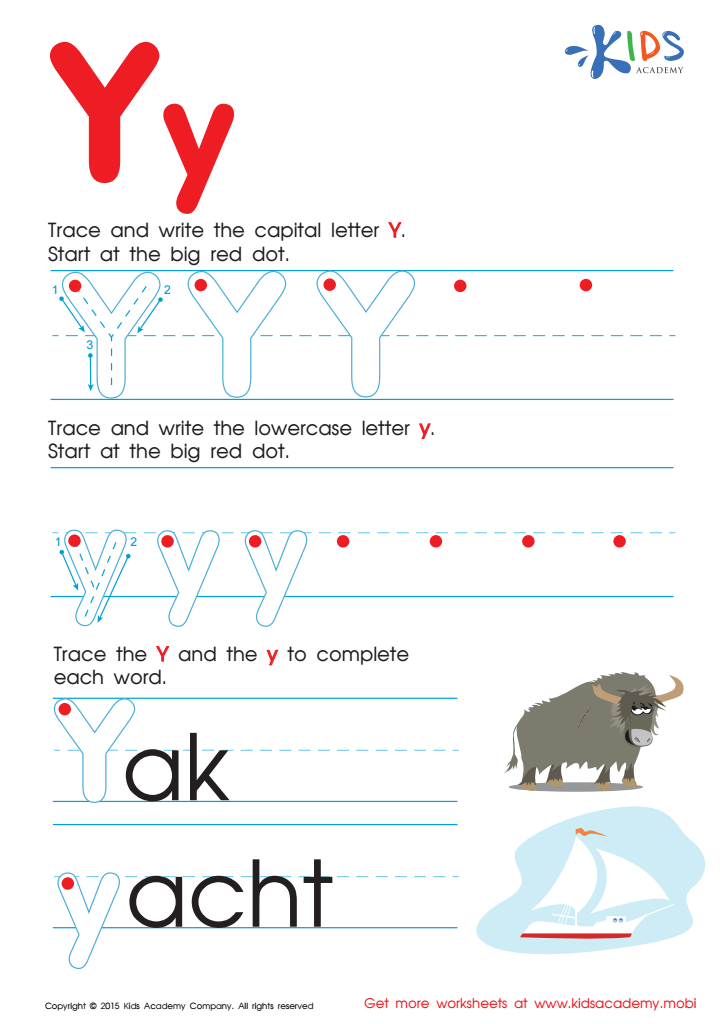
Letter Y Tracing Page

Letter V Tracing Page








Handwriting practice, particularly activities such as "Extra Challenge Tracing Letters," is essential for children aged 4-9 for several reasons. First, it enhances fine motor skills, crucial for academic success; developing these skills early gives children a physical foundation for writing and other tasks. As children trace letters, they improve hand-eye coordination and finger dexterity, paving the way for smoother writing and better control over writing instruments.
Moreover, handwriting practice has cognitive benefits. Tracing letters reinforces letter recognition and encourages phonemic awareness, which are vital for reading development. Engaging in repeated practice also helps children internalize the shapes and structures of letters, fostering confidence in both handwriting and spelling.
Furthermore, research suggests that handwriting can enhance memory retention. When kids physically write out letters, they are more likely to remember how to form them independently.
Additionally, writing in this way can have social-emotional benefits. Children gain a sense of accomplishment as they progress, boosting self-esteem. Collaborative tracing activities with teachers or peers create opportunities for positive social interactions.
In summary, "Extra Challenge Tracing Letters" is a valuable tool that develops foundational skills in young learners, ensuring they are well-equipped for future academic endeavors.