Letter recognition Extra Challenge English for Beginners Worksheets for Ages 4-9
7 filtered results
-
From - To
Enhance your child’s learning journey with our "Letter Recognition Extra Challenge English for Beginners Worksheets," specially designed for ages 4-9. These engaging worksheets provide young learners with the opportunity to master letter recognition through fun and interactive activities. Each worksheet features vibrant illustrations and age-appropriate tasks aimed at strengthening cognitive skills and encouraging independent learning. Perfect for ESL learners, these resources foster confidence and spark curiosity, ensuring foundational literacy skills are built on solid ground. Challenge your child to discover the joy of letters while developing their understanding of the English language. Empower their educational journey with our easy-to-use worksheet collection today!
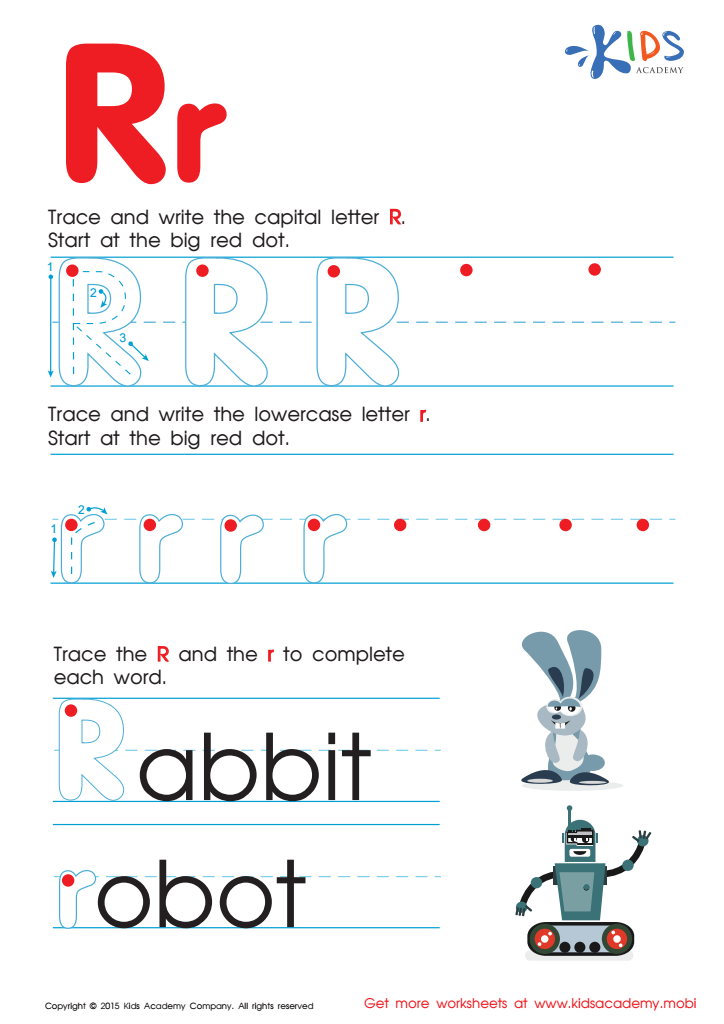
Letter R Tracing Page
 Assign to My Students
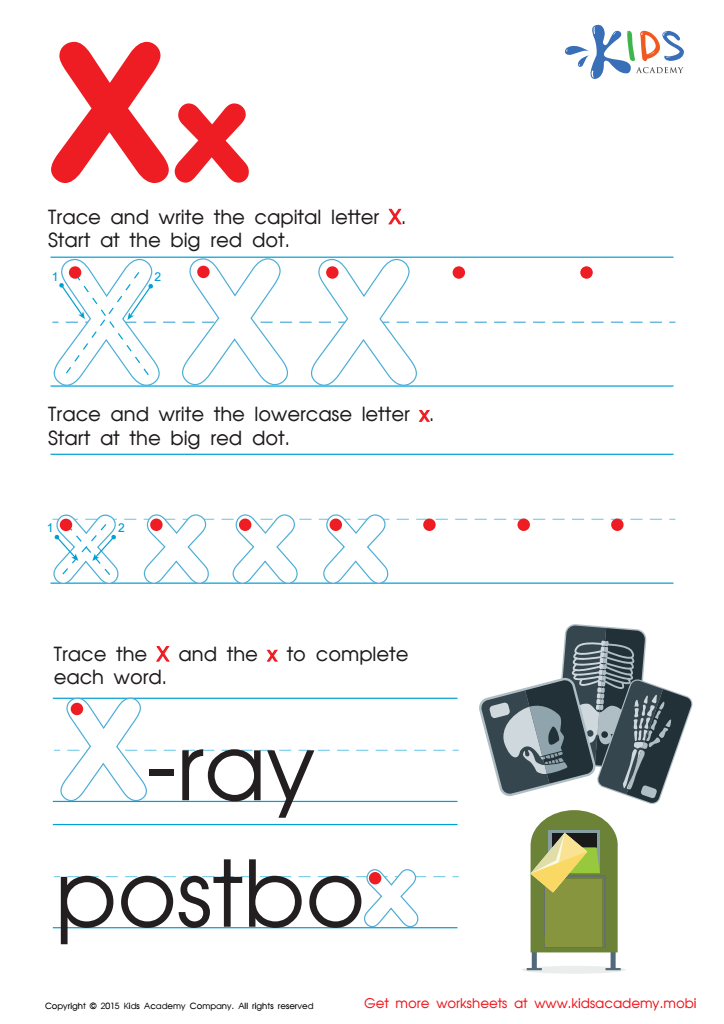
Letter X Tracing Page
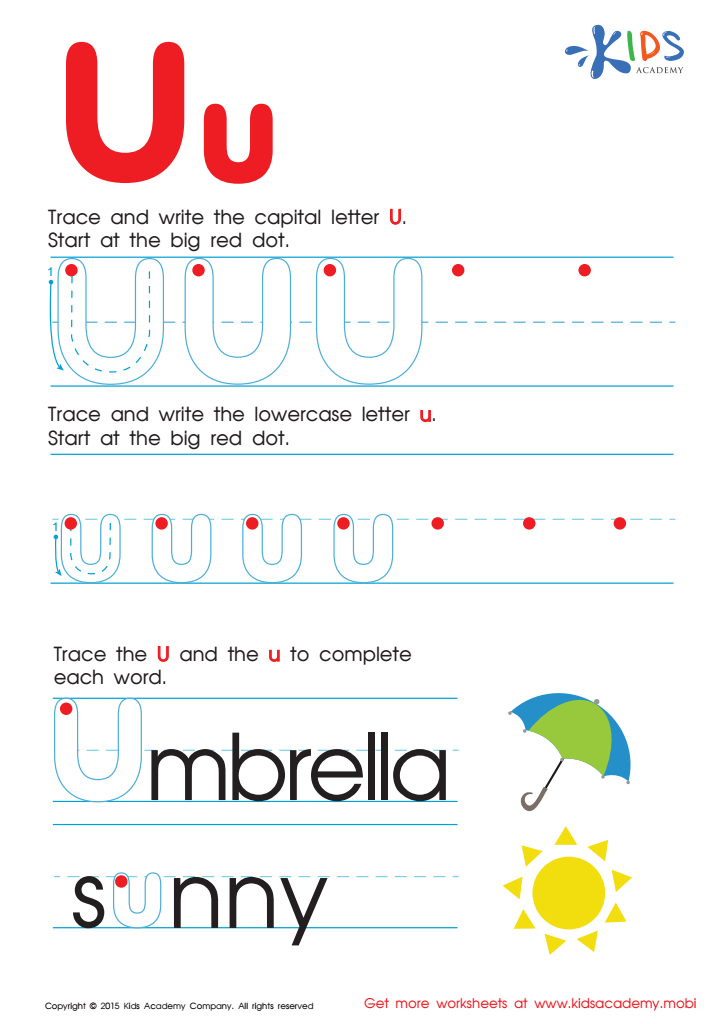
Letter U Tracing Page
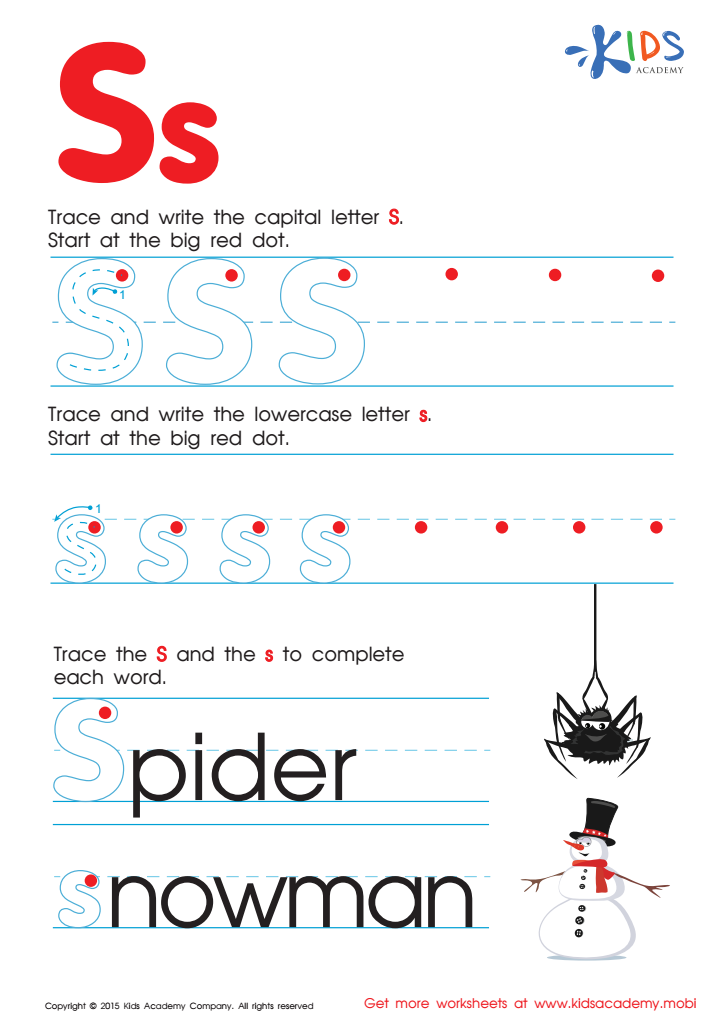
Letter S Tracing Page
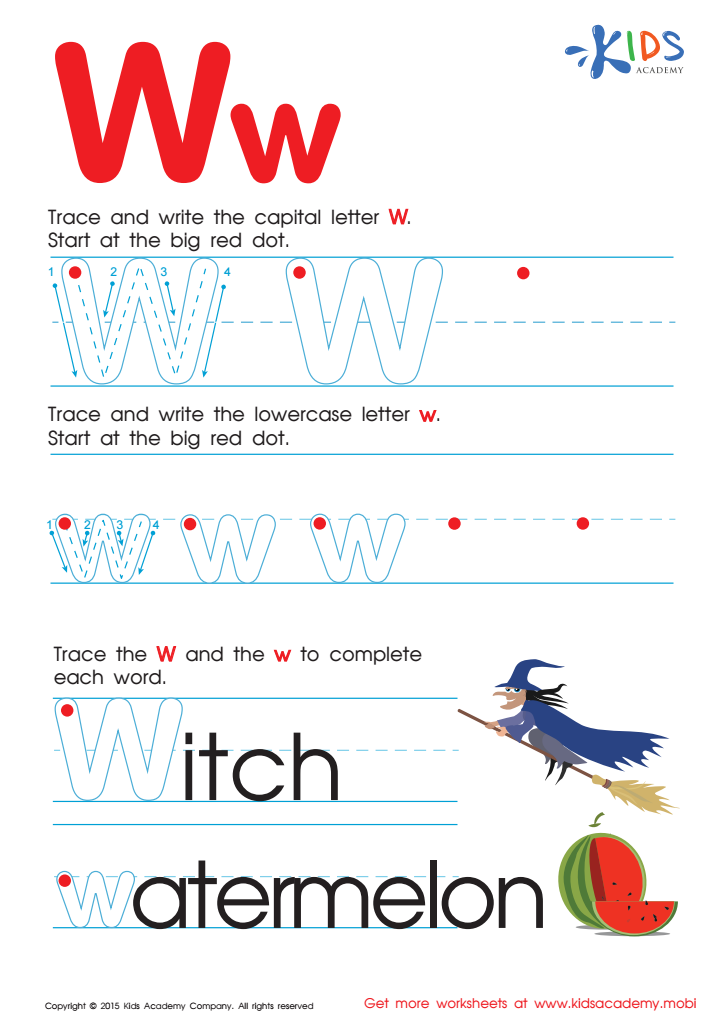
Letter W Tracing Page
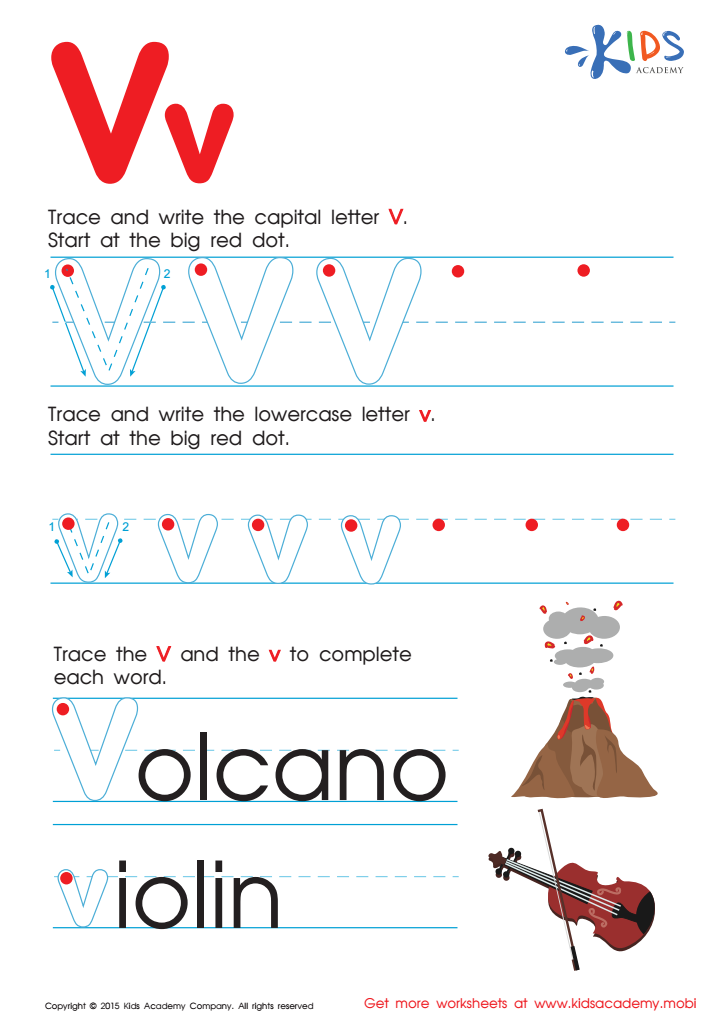
Letter V Tracing Page
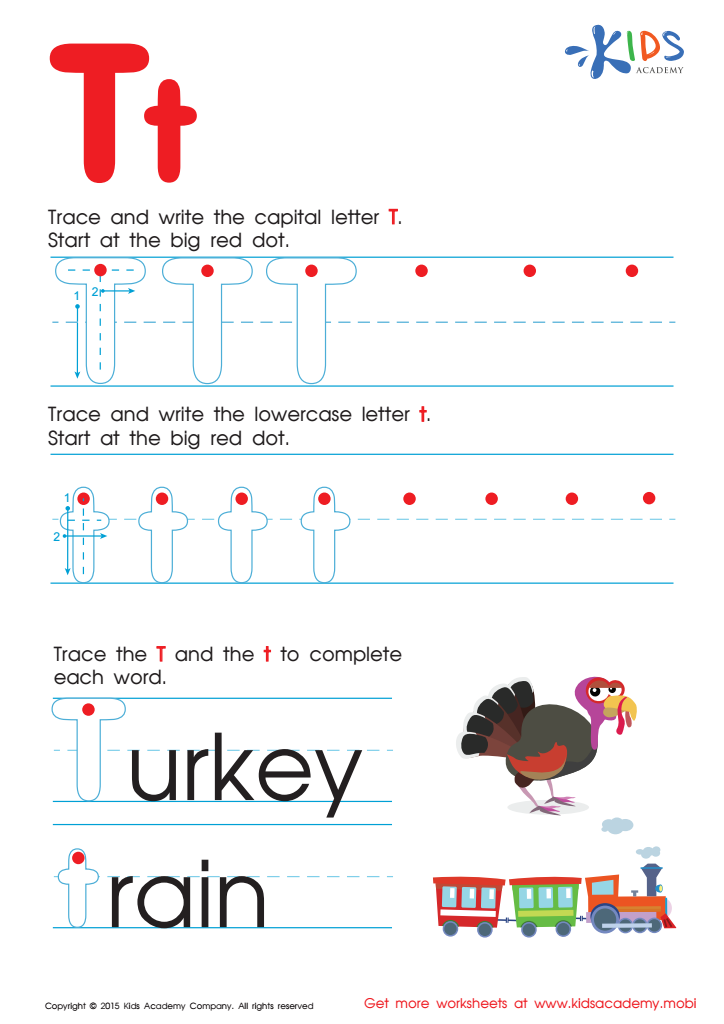
Letter T Tracing Page





Letter recognition is a foundational skill crucial for children aged 4-9, as it sets the stage for successful reading and writing. Recognizing letters not only aids in literacy development but also boosts a child’s confidence in engaging with the written word. Parents and teachers should care because early mastery of letter recognition links directly to academic success later on. Children who can identify and differentiate letters are better equipped to tackle phonetics, spelling, and word comprehension.
Furthermore, fostering a love for reading at a young age is essential, as it tends to translate into lifelong educational engagement. Programs like "Extra Challenge English for Beginners" provide interactive ways to facilitate learning, making it enjoyable and encouraging a positive attitude towards literacy. By participating in such programs, children can discover letters through fun activities, songs, and games, thus reinforcing retention and recall.
Additionally, being proactive in teaching these skills can bridge gaps for children who may struggle in traditional learning environments. This ensures inclusivity and helps create a more equitable educational landscape. Ultimately, investing time and resources in letter recognition not only enriches a child’s learning experience but forms the basis for critical thinking and communication skills they will use throughout their lives.








