Math fluency Extra Challenge Math Worksheets for Ages 4-9
3 filtered results
Difficulty Level
Grade
Age
-
From - To
Subject
Activity
Standards
Introduce your young learners to the exciting world of math fluency with our Extra Challenge Math Worksheets, expertly designed for children ages 4-9. These engaging worksheets focus on essential math skills, from basic addition and subtraction to more complex problem-solving tasks. Perfect for building confidence and proficiency, our worksheets provide a variety of stimulating activities that captivate children and make learning enjoyable. With our expertly-curated resources, kids can practice at their own pace, ensuring steady progress. Dive into a fun-filled math adventure today and watch your child's math skills soar with our Extra Challenge Math Worksheets!
Favorites
With answer key
Interactive
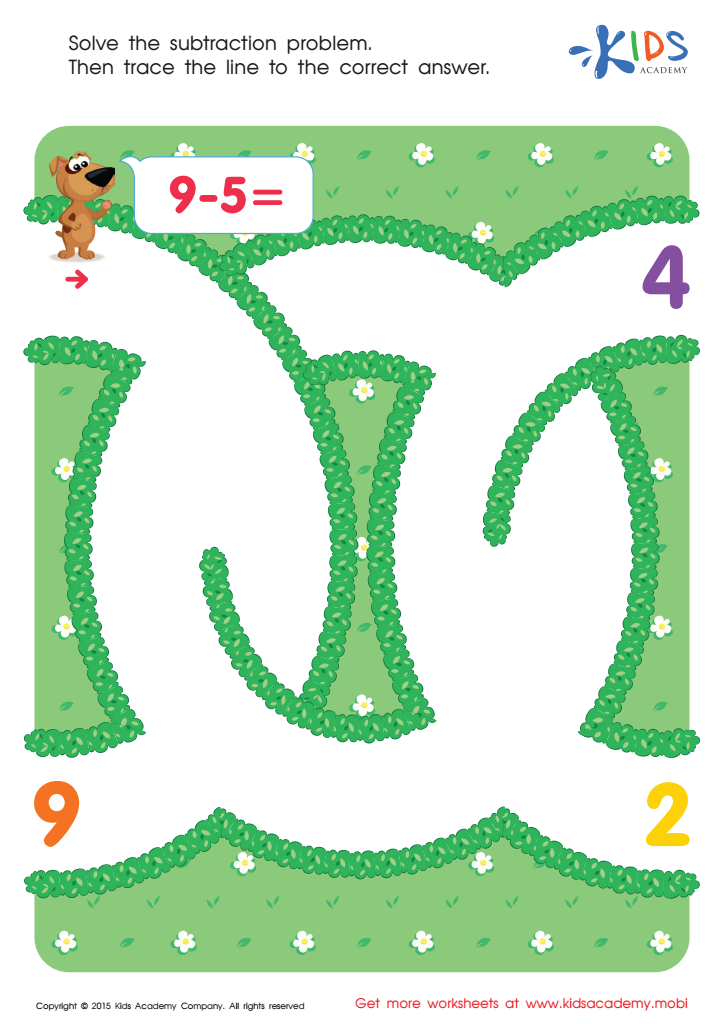
Subtraction Nine And Five Worksheet
Trace the path to the right answer and help the dog find its way out of the maze. Have fun while learning subtraction! (80 words)
 Assign to My Students
Subtraction Nine And Five Worksheet
Worksheet
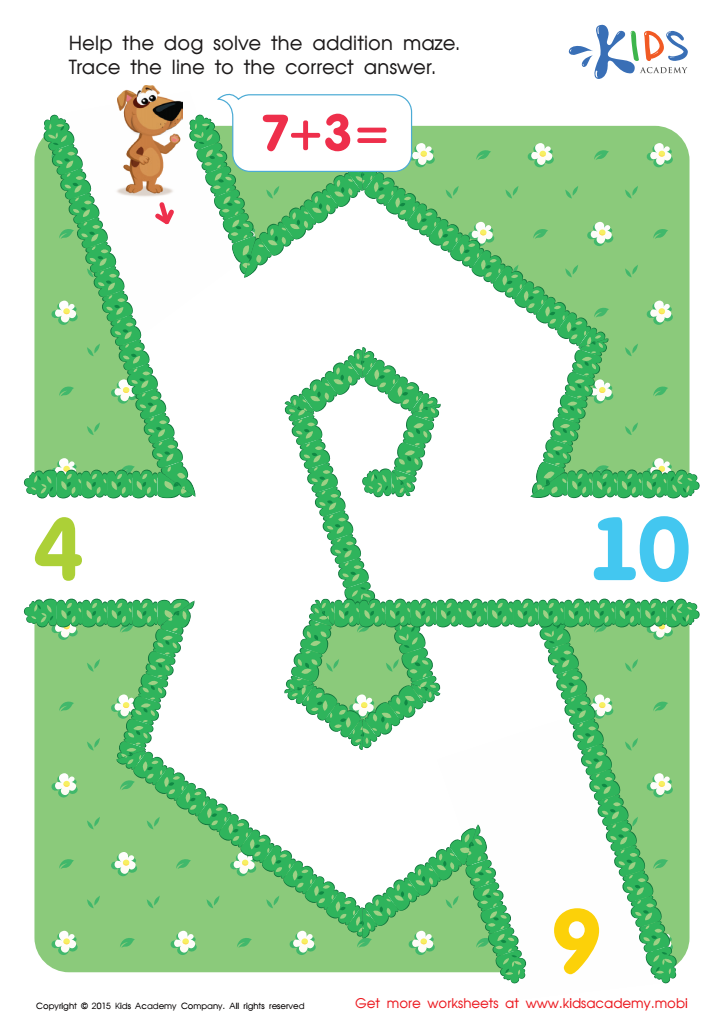
Seven Plus Three Worksheet
Practice addition and subtraction with your kids, help them out and make learning math an enjoyable activity.
Seven Plus Three Worksheet
Worksheet
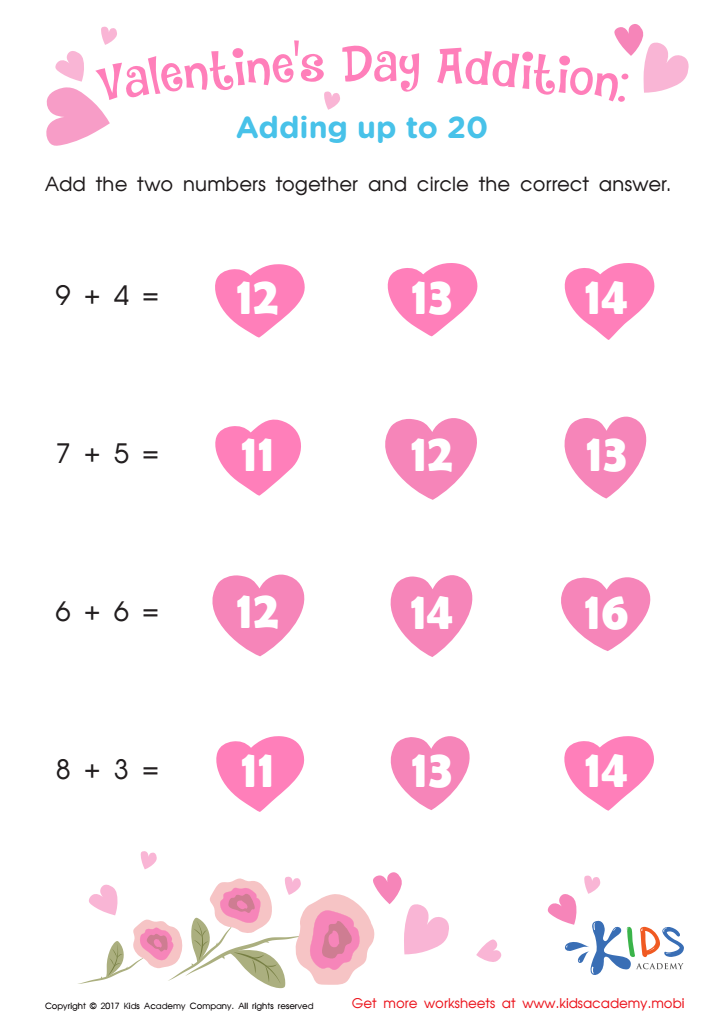
Valentine's Day Addition Worksheet
This Valentine's Day themed worksheet is a fun way for your child to practice adding single digits up to 20! Hearts feature to help your child increase their math skills and have fun at the same time.
Valentine's Day Addition Worksheet
Worksheet
Join Kids Academy for Free
Who is primarily going to use this learning content?



.jpg)




Math fluency is a critical foundation for young learners because it equips them with essential skills that are necessary for more advanced mathematical concepts and problem-solving abilities. For children ages 4-9, early proficiency in math can enhance their academic confidence, support future learning, and foster a positive attitude towards education. Parents and teachers should care about introducing extra challenges in math because these challenges can significantly deepen a child's understanding and sharpen their critical-thinking skills.
At a young age, children's brains are particularly receptive to learning new information, including numbers, shapes, and basic operations. Providing stimulating math activities encourages logical reasoning and problem-solving skills. It also helps with the development of fine motor skills when completing activities that require manipulating objects or writing. Moreover, successfully solving challenging math problems boosts a child's self-esteem and resilience, which can have a positive impact beyond their mathematics education into broader areas of learning and personal development.
Furthermore, fostering a love for math through engaging and challenging exercises sets the groundwork for future academic success in STEM subjects (science, technology, engineering, and mathematics), areas that are increasingly valuable in the modern job market. Thus, prioritizing math fluency and encouraging growth through challenges is an investment in a child’s all-around development and long-term educational trajectory.