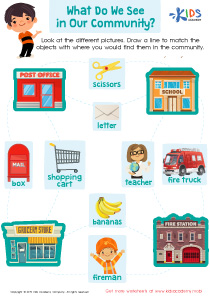
Understanding patterns Extra Challenge Math Worksheets for Ages 4-9
7 filtered results
-
From - To
Enhance your child's pattern recognition skills with our "Understanding Patterns Extra Challenge" math worksheets, designed for ages 4-9. These engaging activities go beyond basic patterns, offering extra challenges to stimulate problem-solving and critical thinking. With colorful illustrations and a variety of exercises, kids will master recognizing, predicting, and creating patterns while having fun. Perfect for home or classroom use, these worksheets are crafted to align with early learning standards, ensuring your child gains valuable math skills. Visit Kids Academy today to download and start exploring the fascinating world of patterns with your young learners!
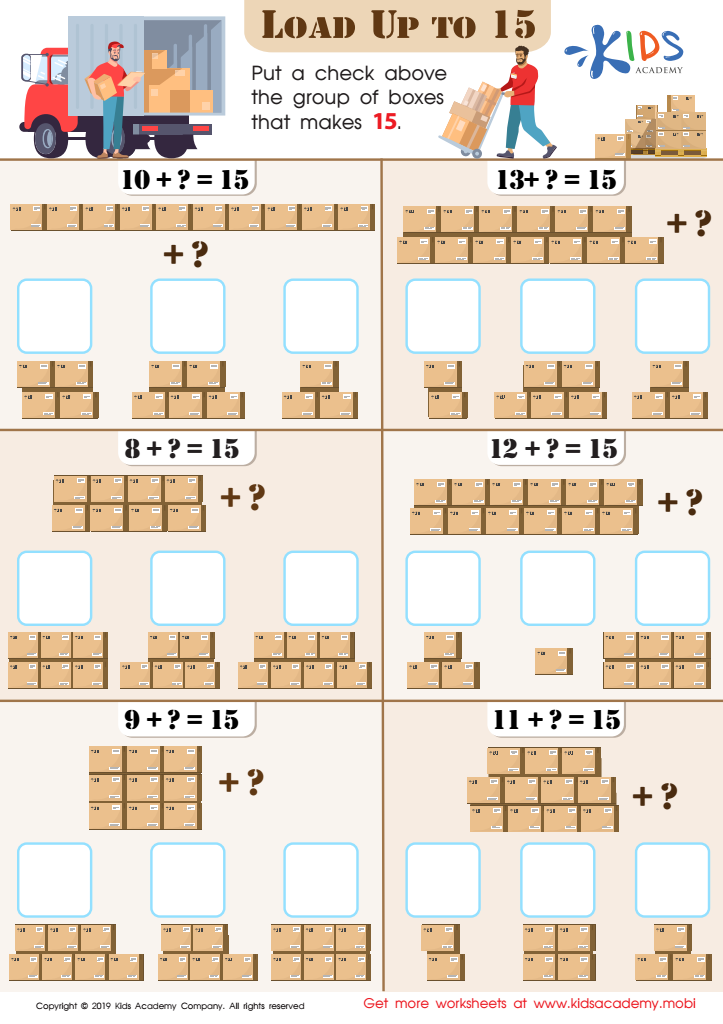
Load up to 15 Worksheet
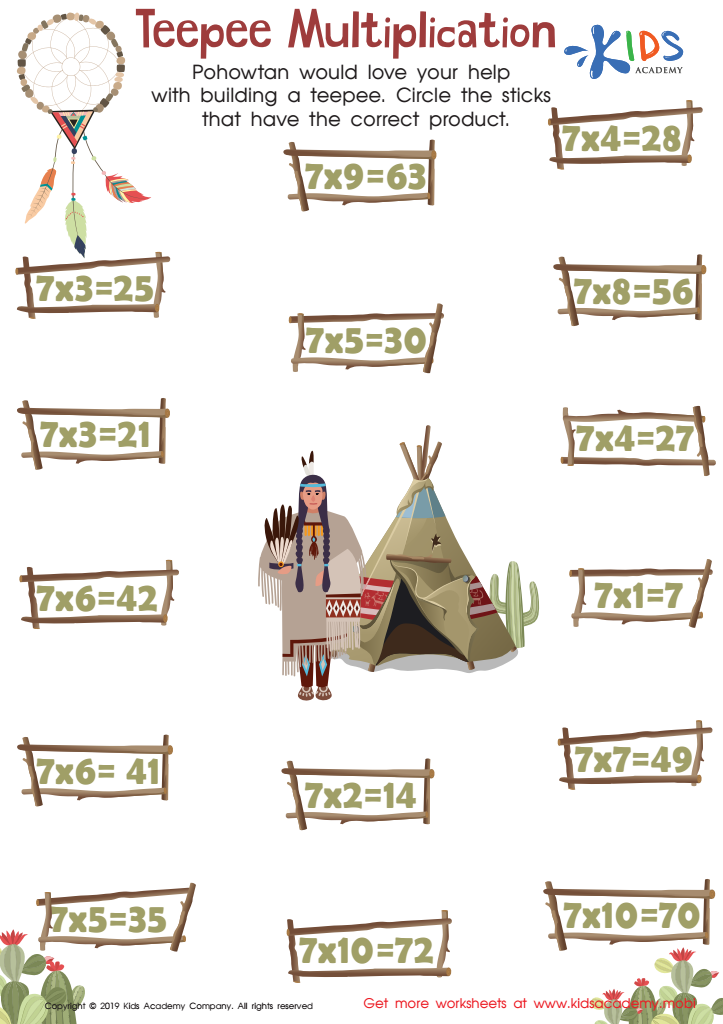
Teepee Multiplication Worksheet
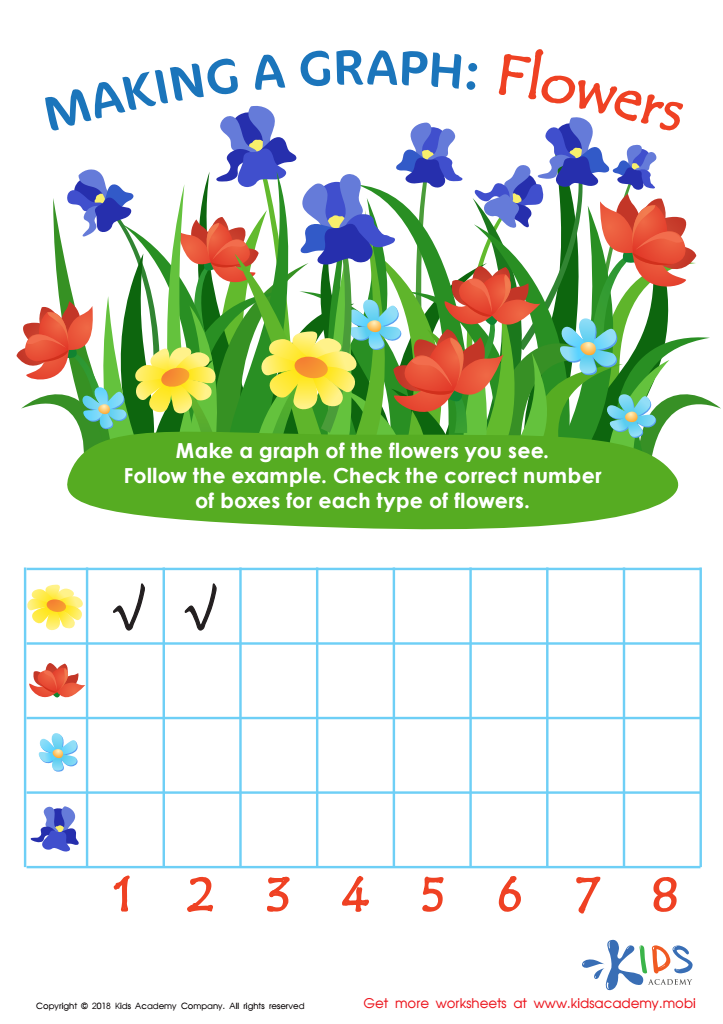
Making a Graph: Flowers Worksheet
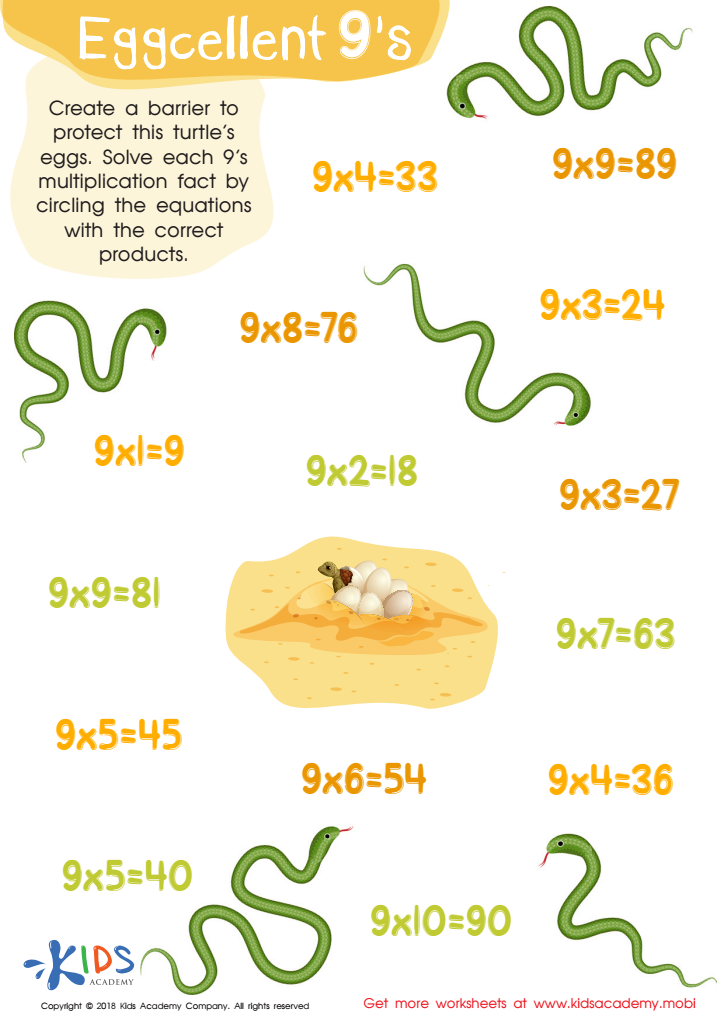
Eggcellent 9’s Worksheet
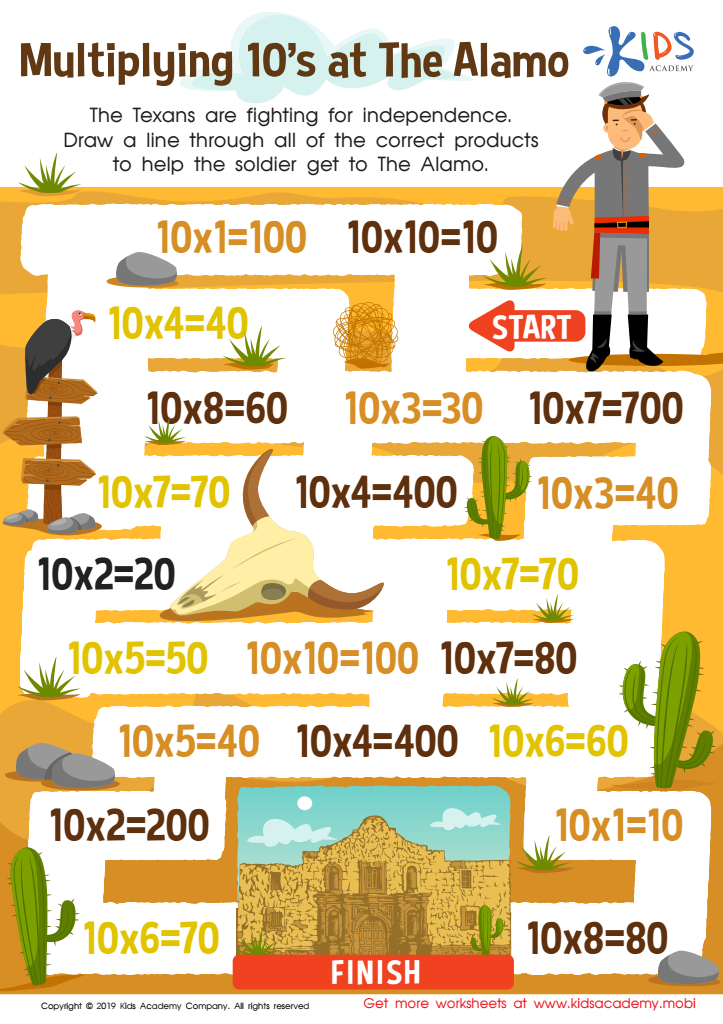
Multiplying 10’s at The Alamo Worksheet
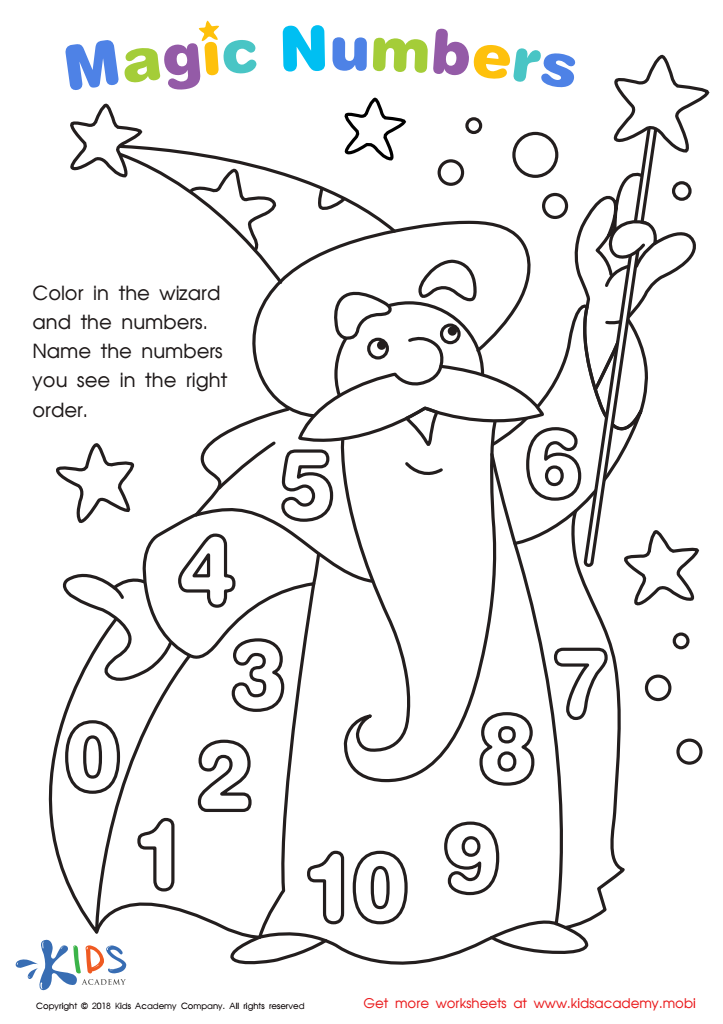
Magic Numbers Worksheet
 Assign to My Students
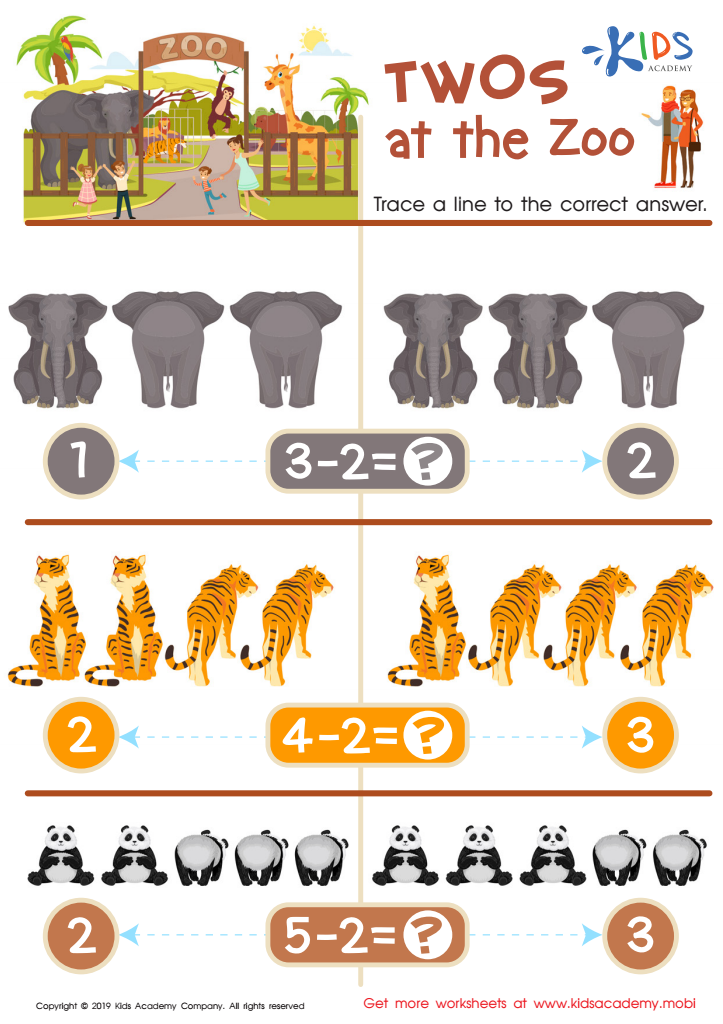
Twos at the Zoo Worksheet






Understanding patterns is a cornerstone concept in early childhood education, playing a critical role in cognitive development for children aged 4-9. Patterns help develop critical thinking skills, enhancing children's ability to recognize sequences, predictions, and logical relationships between different elements. This foundational skill is pivotal not only in mathematics but also in reading, science, and daily life problem-solving.
First, patterns introduce young learners to algebraic thinking, which will later be essential in more complex mathematical concepts. Recognizing and creating patterns help children understand the regularities and rules that govern mathematical reasoning.
Second, working with patterns improves memory and the ability to connect different pieces of information. It encourages children to notice similarities and differences, aiding in the development of categorization skills.
Third, engaging with patterns supports language development. As children describe and discuss patterns, they're using descriptive language, which builds their vocabulary and comprehension skills.
Lastly, understanding patterns nurtures creativity and curiosity. It sparks investigative thinking as children explore 'what comes next,' and why. This makes learning an energizing and dynamic process.
Conclusively, incorporating an extra challenge in understanding patterns helps children move beyond basic counting and adds complexity to their analytical thinking, laying a robust foundation for future academic success.