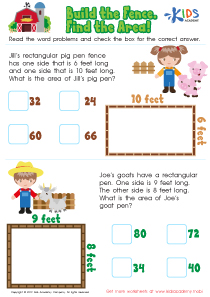
Shape Recognition Extra Challenge Matching Worksheets for Ages 4-9
3 filtered results
-
From - To
Unlock advanced geometry skills with our "Shape Recognition Extra Challenge Matching Worksheets for Ages 4-9!" Perfect for young learners, this collection takes shape identification to the next level. Foster your child's cognitive development with thoughtfully designed matching activities that enhance visual discrimination, fine motor skills, and problem-solving. Tailored for both fun and education, these worksheets are ideal for enhancing classroom learning or home practice. From simple to more intricate tasks, the level of difficulty increases to keep children engaged and developing. Download now to give your child a head start in geometry and logical thinking!
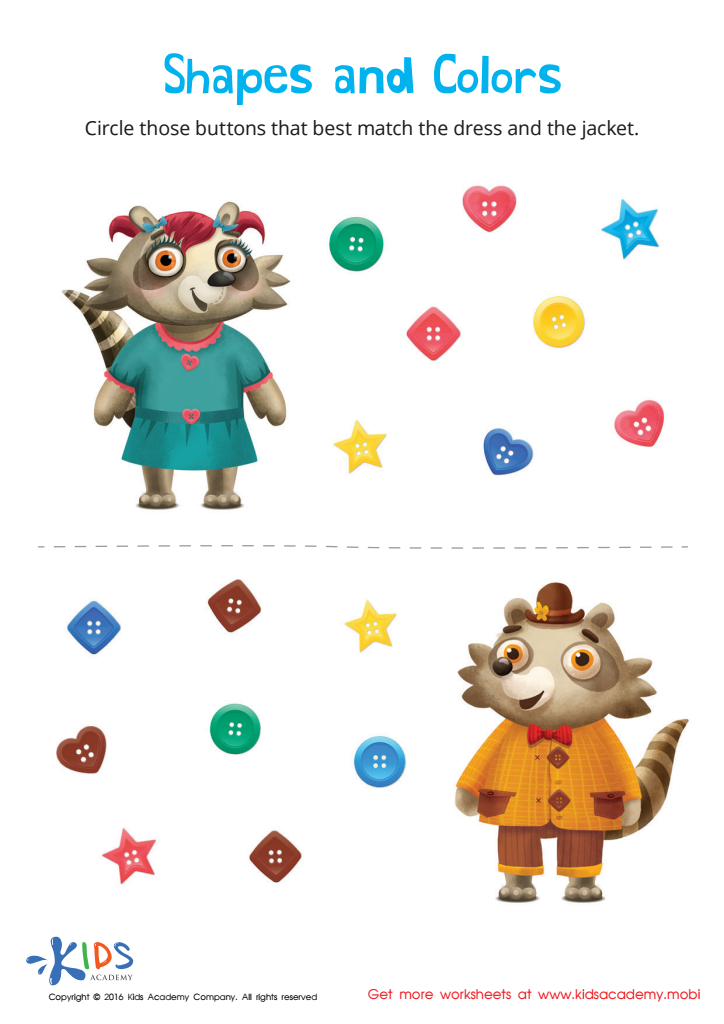
Matching: Shapes and Colors Worksheet
 Assign to My Students
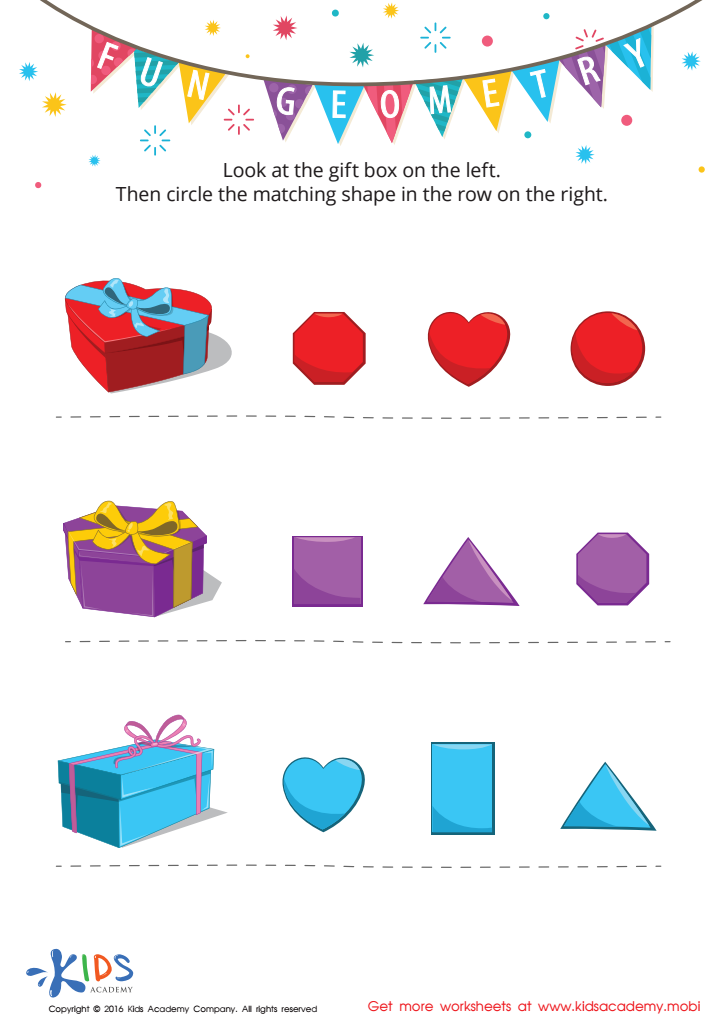
Fun Geometry Worksheet
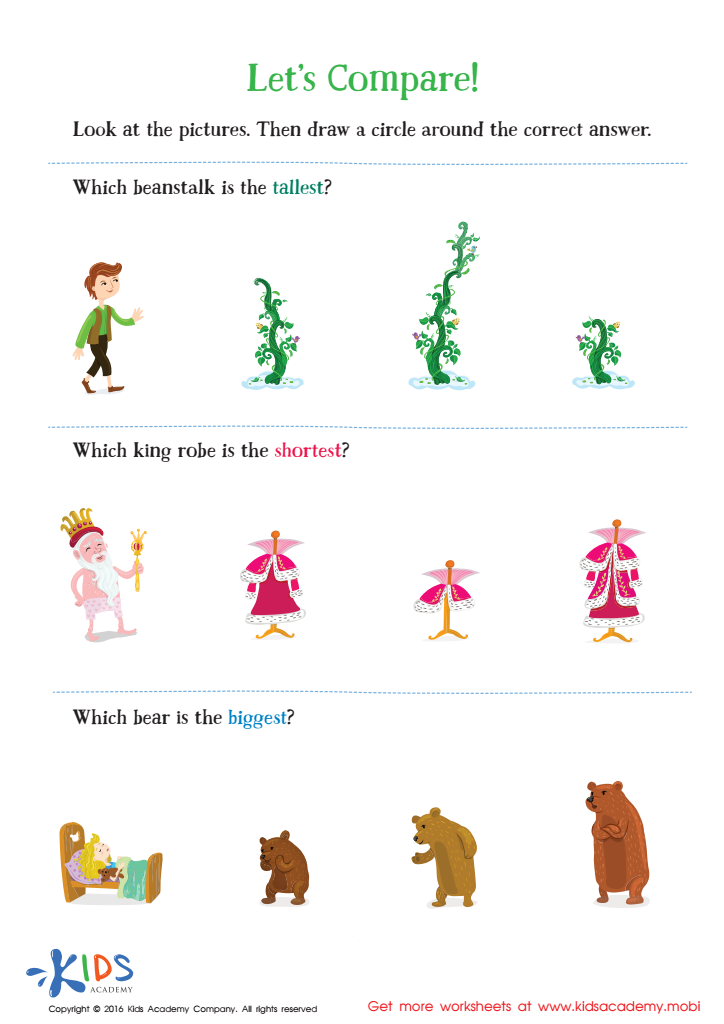
Fairy Tale Worksheet: Let's Compare








Shape Recognition Extra Challenge Matching activities are critically beneficial for children ages 4-9, making them an essential focus for both parents and teachers. During these formative years, the foundational cognitive and perceptual abilities that support later academic success are rapidly developing. Learning to recognize shapes influences early math skills, including geometry and spatial understanding, crucial for solving real-world problems and future STEM education.
Moreover, these activities enhance fine motor skills through tracing, drawing, and manipulating shapes, making them fundamental to writing and artistic abilities. Shape recognition exercises strengthen observational skills, enabling children to identify patterns and differences around them more effectively. These activities also promote language development as children learn shape names and describe their characteristics, enriching their vocabulary.
Parents and teachers should introduce these challenges to make learning both fun and interactive. Challenges can engage a child's curiosity and offer a sense of achievement, fostering a positive attitude towards learning. Importantly, cooperative shape games can bolster social skills like sharing, taking turns, and listening to instructions.
By integrating Shape Recognition Extra Challenge Matching activities into daily routines, we provide children with a robust platform for future success, encouraging their mental, emotional, and social growth.