Basic Math Skills Extra Challenge Measurement Worksheets for Ages 4-9
6 filtered results
-
From - To
Explore our “Basic Math Skills Extra Challenge Measurement Worksheets” designed for children ages 4-9! These engaging and interactive worksheets help reinforce essential measurement concepts while making learning fun. Young learners will practice comparing lengths, weights, and volumes through various creative activities. Each worksheet is crafted to encourage critical thinking and problem-solving skills, allowing children to tackle measurements with confidence. Ideal for classrooms, homeschooling, or extra practice at home, these resources cater to various learning styles. Give your child the tools they need to excel in math and develop a solid foundation in measurement. Download your challenge worksheets today!
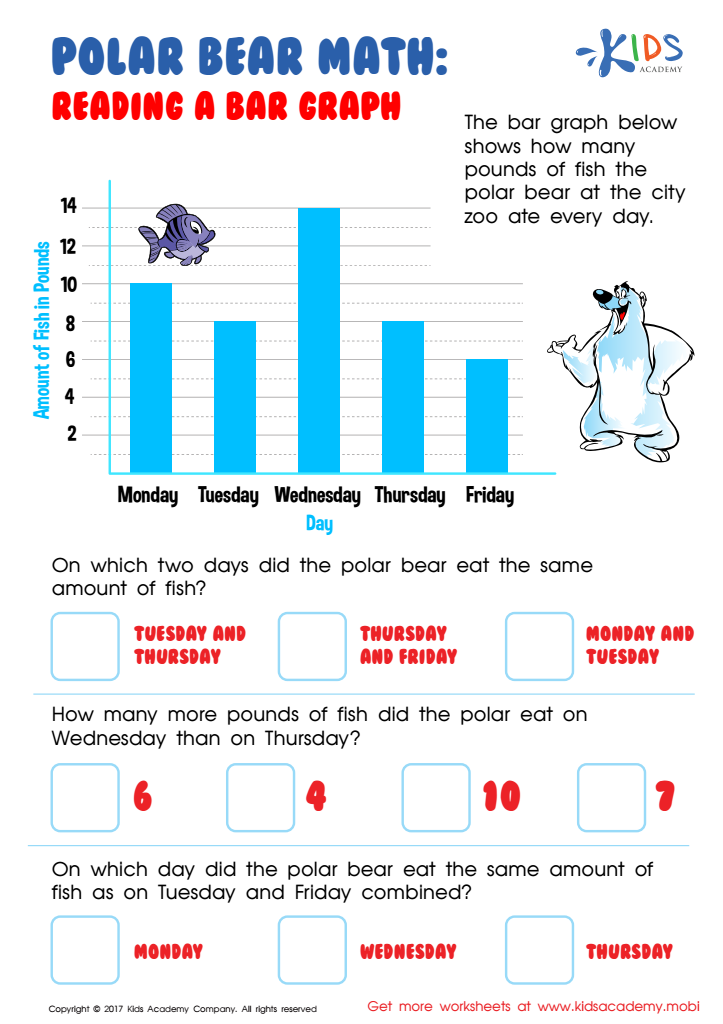
Reading Bar Graph Worksheet
 Assign to My Students
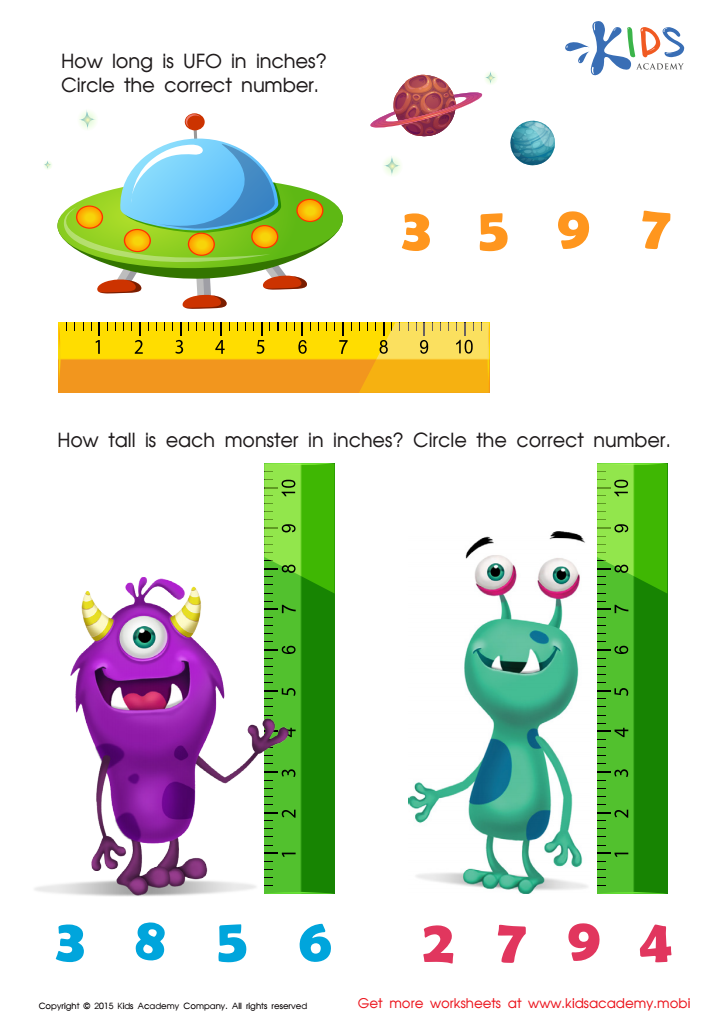
Measuring in Inches Worksheet
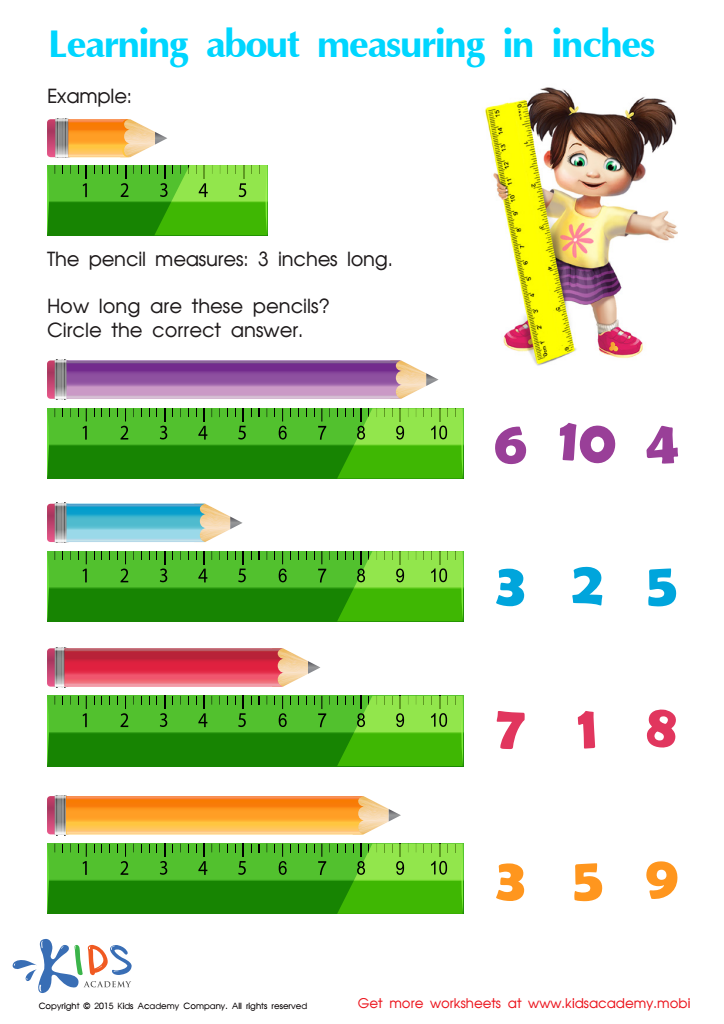
Learning About Measuring In Inches Printable
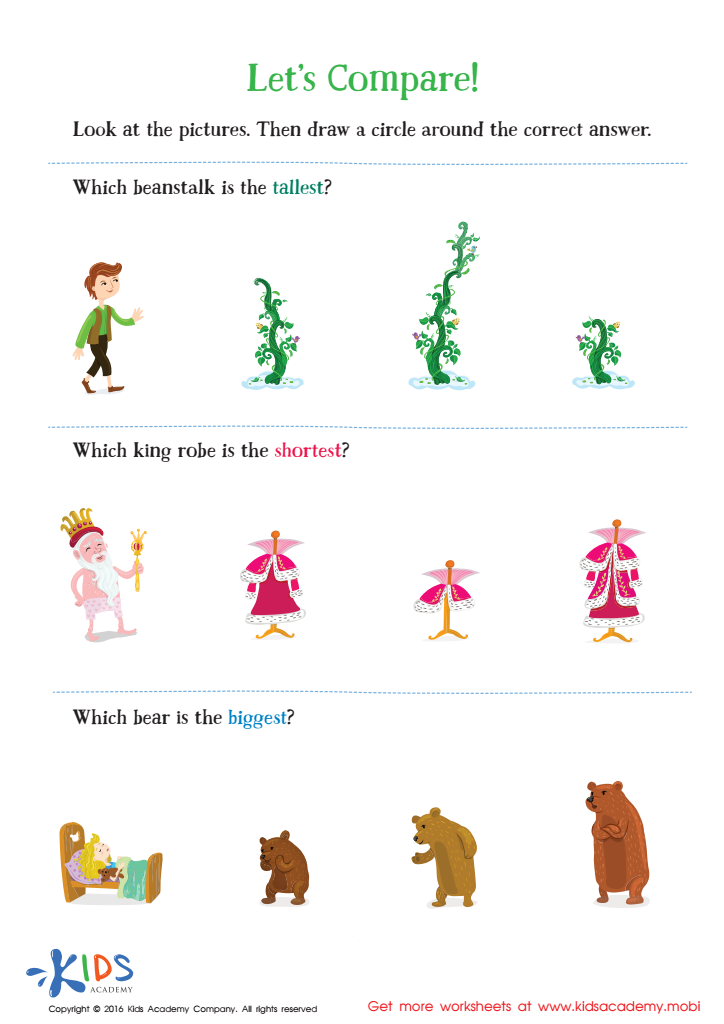
Fairy Tale Worksheet: Let's Compare
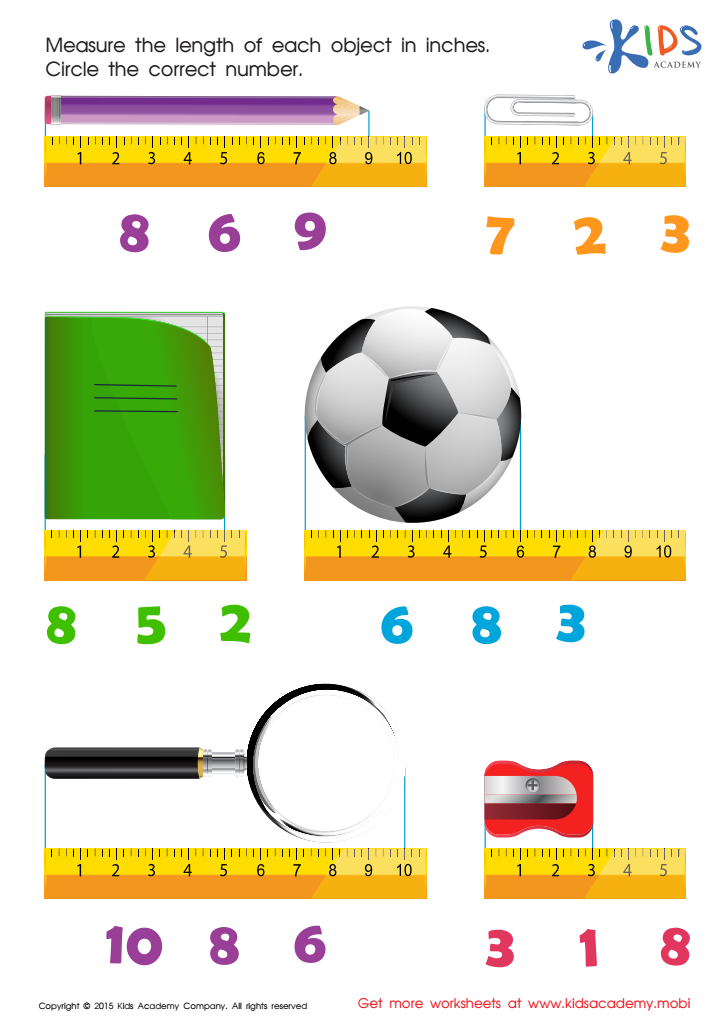
Learning measuring objects in inches Worksheet








Parents and teachers should prioritize Basic Math Skills Extra Challenge Measurement for children aged 4-9 because foundational math skills are essential for lifelong learning and critical thinking. Measurement concepts, such as length, weight, volume, and time, engage young minds and provide practical applications in everyday life, making math relatable and fun. Incorporating measurement challenges fosters curiosity and problem-solving abilities, encouraging children to explore their environment and understand the world around them.
Moreover, mastering basic measurement skills sets the groundwork for more advanced mathematical concepts later on. This accountability also helps in developing numeracy skills—reasoning with numbers, understanding relationships, and applying these skills practically.
Engaging in extra measurement challenges boosts confidence as children tackle increasingly complex problems and reinforces their learning through hands-on activities. Additionally, these skills promote collaboration and communication when children work in pairs or groups, enhancing social interaction and team-building.
By caring about these essential math skills, parents and teachers can help ensure that children not only excel academically but also develop an appreciation for math as a vital tool for problem-solving and decision-making. Ultimately, these early experiences with measurement will empower children as they progress in their education and navigate real-life challenges.








