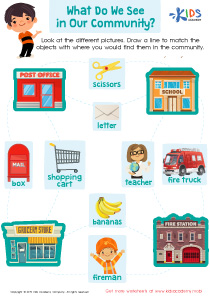
Understanding measurements Extra Challenge Measurement Worksheets for Ages 4-9
5 filtered results
-
From - To
Enhance your child's math skills with our "Understanding Measurements Extra Challenge Measurement Worksheets" designed for ages 4-9. These engaging activities introduce crucial concepts such as length, height, weight, and volume. Through hands-on practice, kids will learn to compare, estimate, and measure objects using standard units, building a strong foundation in mathematics. The worksheets are tailored to various difficulty levels, ensuring continual progress and confidence in their abilities. Ideal for both classroom and home use, these resources make learning measurements fun and intuitive for young learners. Boost your child’s understanding of measurements with our expertly crafted worksheets.
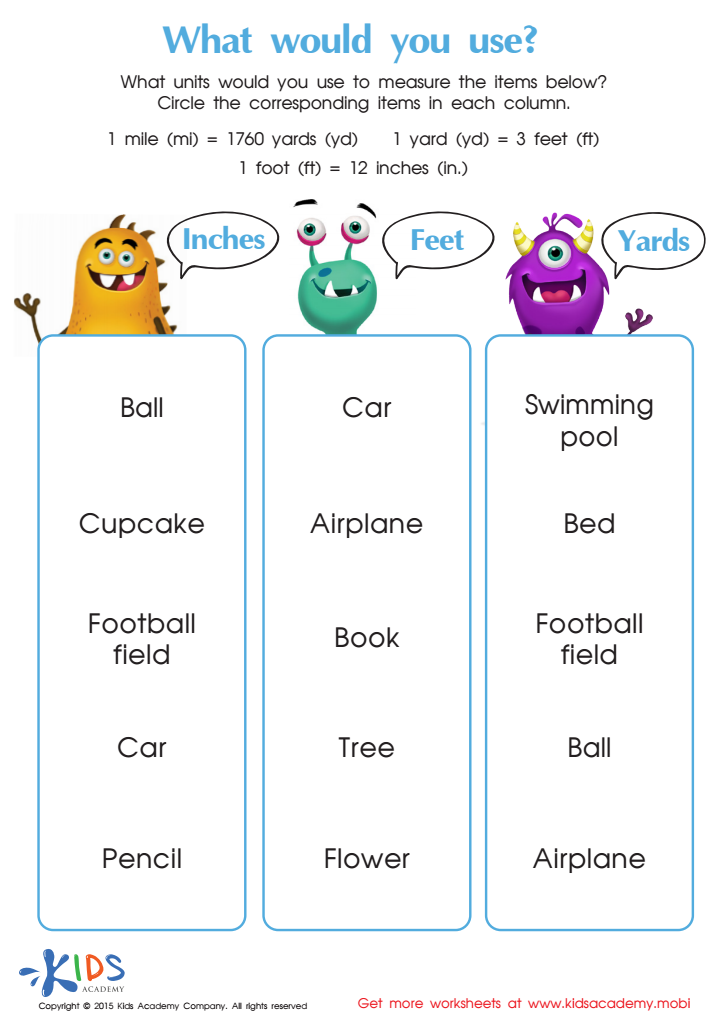
Learning about measuring objects in inches, feet and yards Worksheet
 Assign to My Students
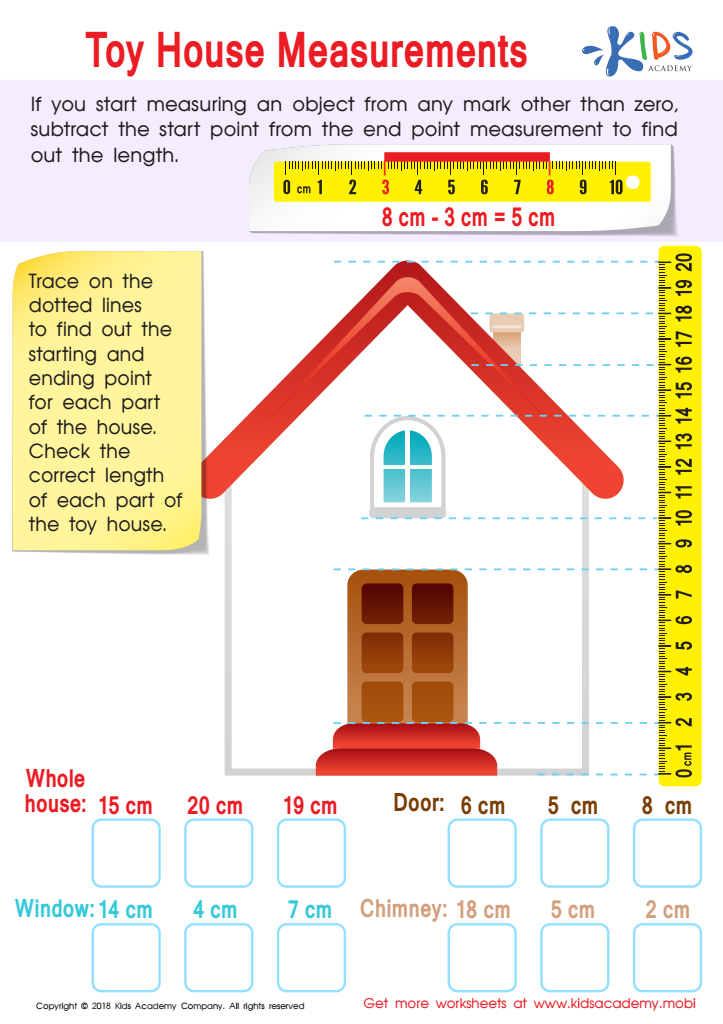
Toy House Measurements Worksheet
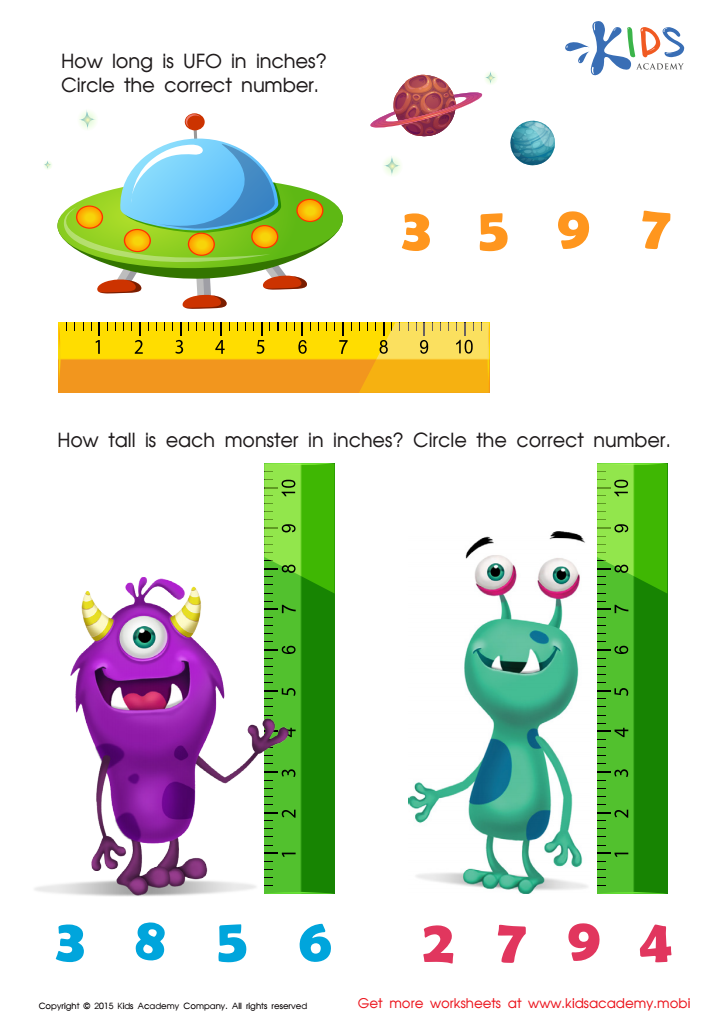
Measuring in Inches Worksheet
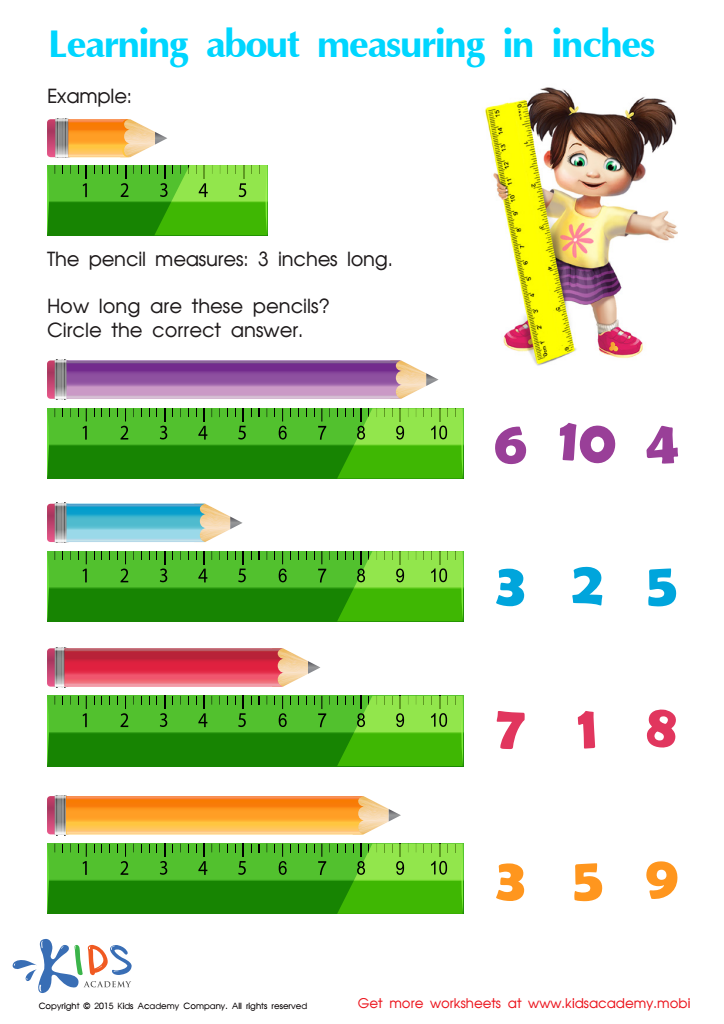
Learning About Measuring In Inches Printable
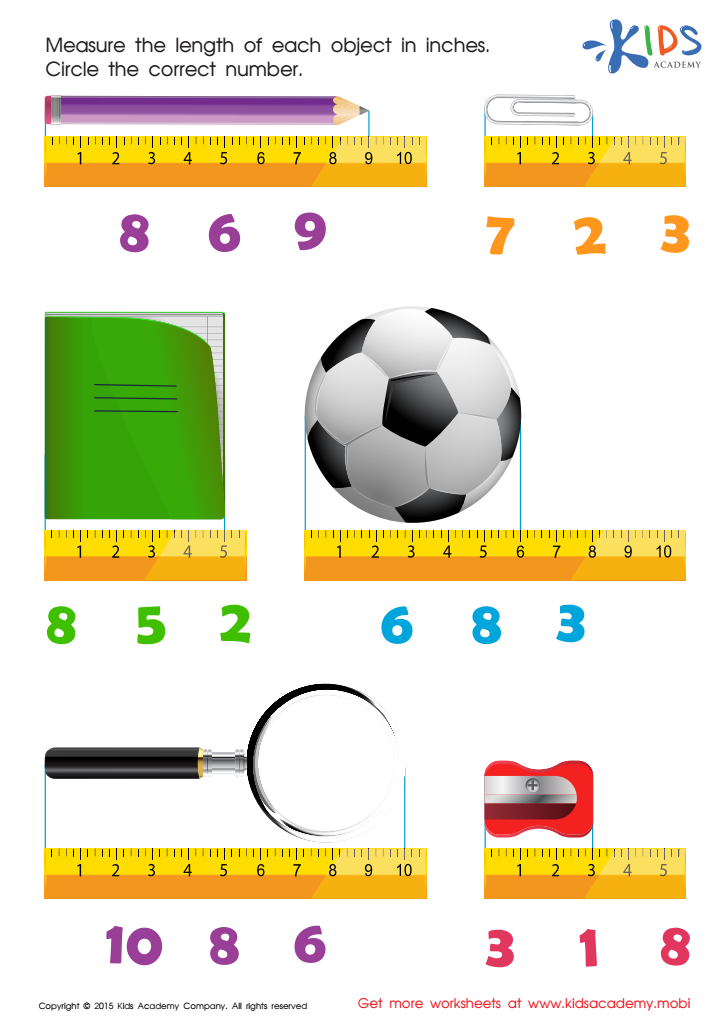
Learning measuring objects in inches Worksheet








Understanding measurements is a critical foundational skill for young children that influences their overall cognitive and academic development. For ages 4-9, exposure to measurement concepts enhances their ability to grasp more complex mathematical and scientific ideas later in life. Starting early builds a solid foundation in recognizing quantities, dimensions, and the relationships between objects and spaces.
Firstly, measurements encompass various aspects such as length, weight, volume, and time, which are omnipresent in daily life. Teaching children to measure helps them make sense of the world around them, understand patterns, and solve real-world problems. For example, understanding time helps children follow schedules and routines, while knowledge of volume and weight is essential in tasks like cooking or playing with different materials.
Moreover, measurement activities but extra challenge incorporating play-based learning can be fun and engaging for children, fostering a positive attitude toward learning. It cultivates skills such as critical thinking, estimation, and spatial awareness. Teachers’ and parents’ emphasis on such foundational skills effectively primes children for more advanced mathematical concepts such as geometry and algebra.
Offering measurements as an Extra Challenge to children ages 4-9 encourages them to think outside the box and strengthens their problem-solving abilities. It prepares them for academic success and helps them grow into well-rounded individuals with practical life skills.