Color recognition Extra Challenge Worksheets for 4-Year-Olds
7 filtered results
-
From - To
Introduce your 4-year-old to the vibrant world of colors with our Color Recognition Extra Challenge Worksheets! These engaging and fun worksheets are designed to enhance your child's color identification skills while promoting creativity and critical thinking. Each activity includes exciting themes that captivate young learners, allowing them to explore colors through interactive exercises such as coloring, matching, and identifying objects. Perfect for preschoolers seeking extra stimulation, these worksheets encourage independent learning and build a strong foundation for future educational success. Let your child embark on a colorful journey while developing essential skills! Suitable for home or classroom use. Download now!
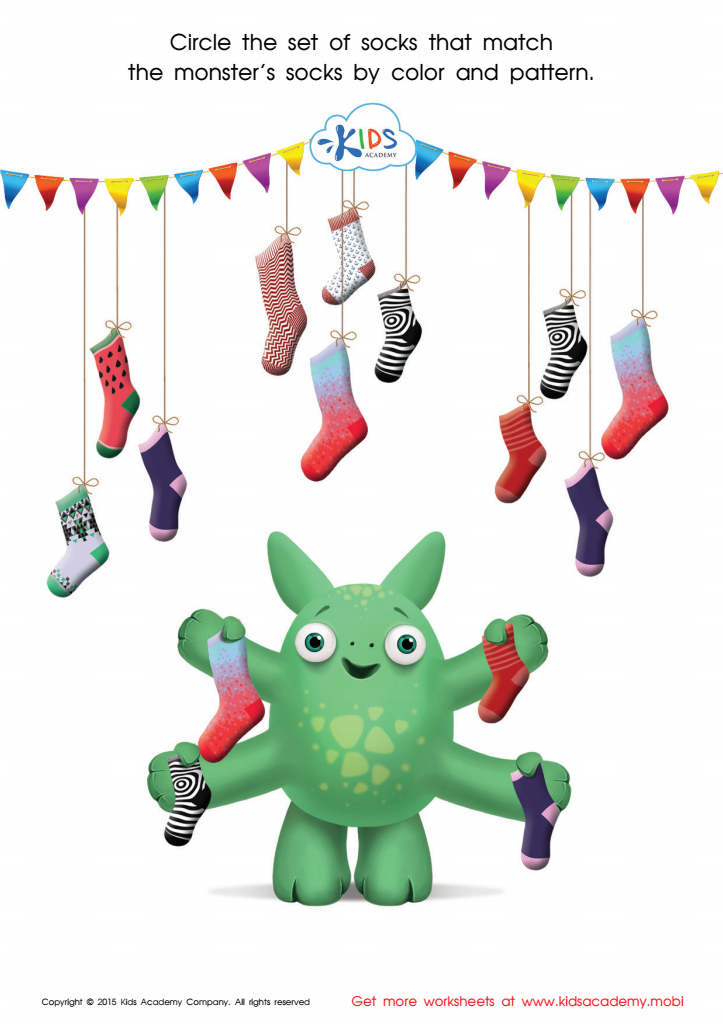
Sort the Monster's Socks Worksheet
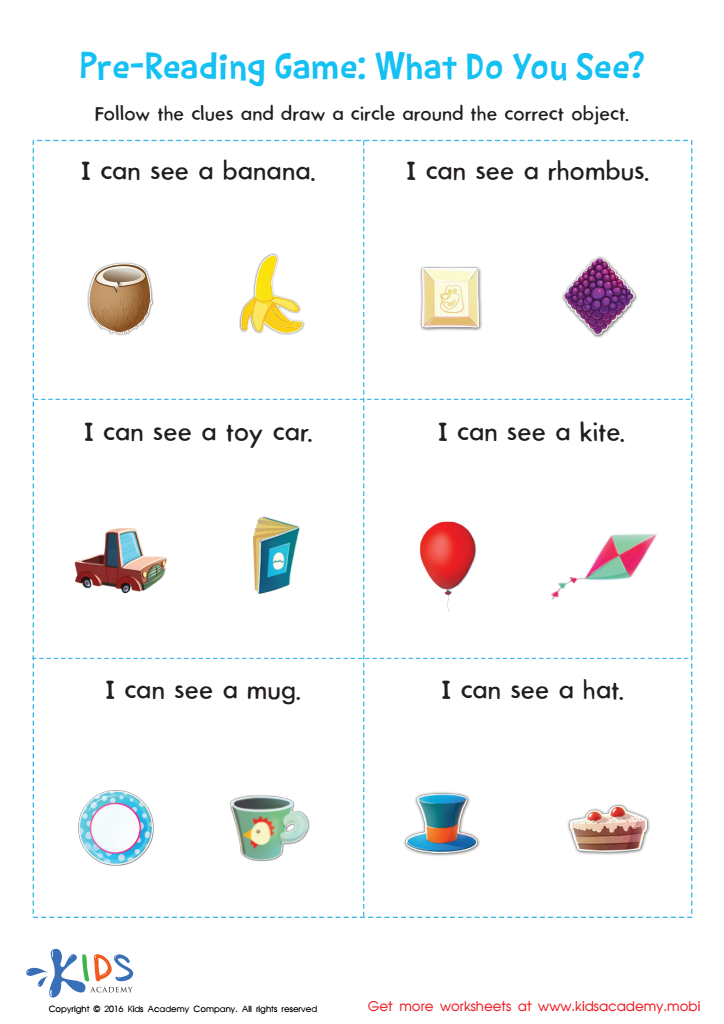
Pre–reading Worksheet: What Do You See?

Santa Claus Tracing Winter Words Worksheet
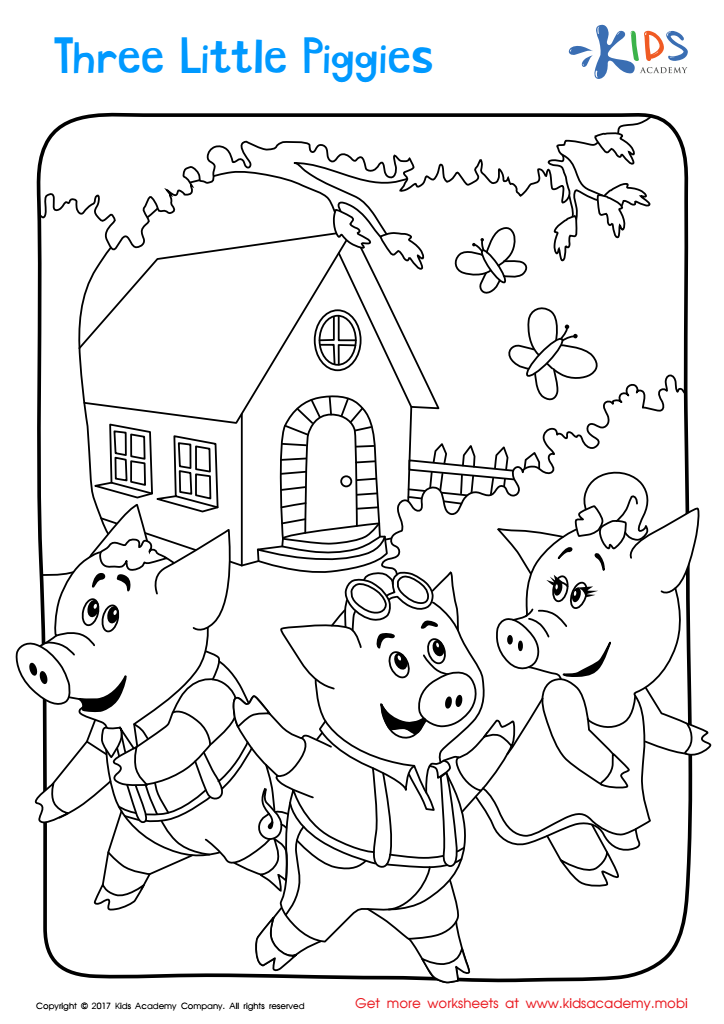
Three Little Piggies Printable Coloring Page
 Assign to My Students
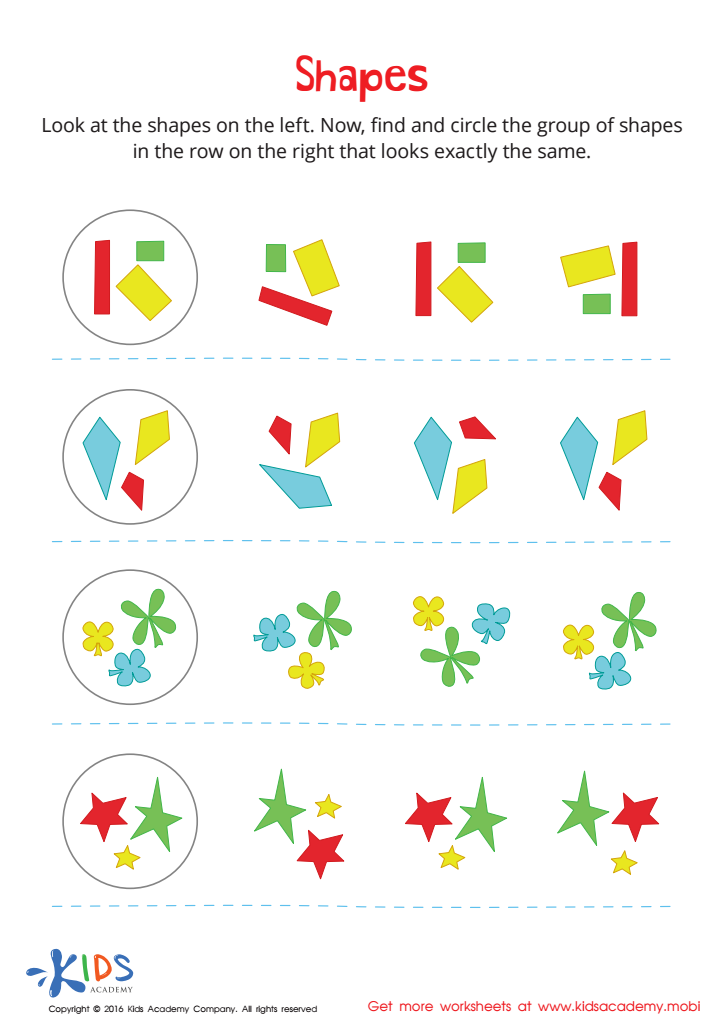
Shapes Worksheet
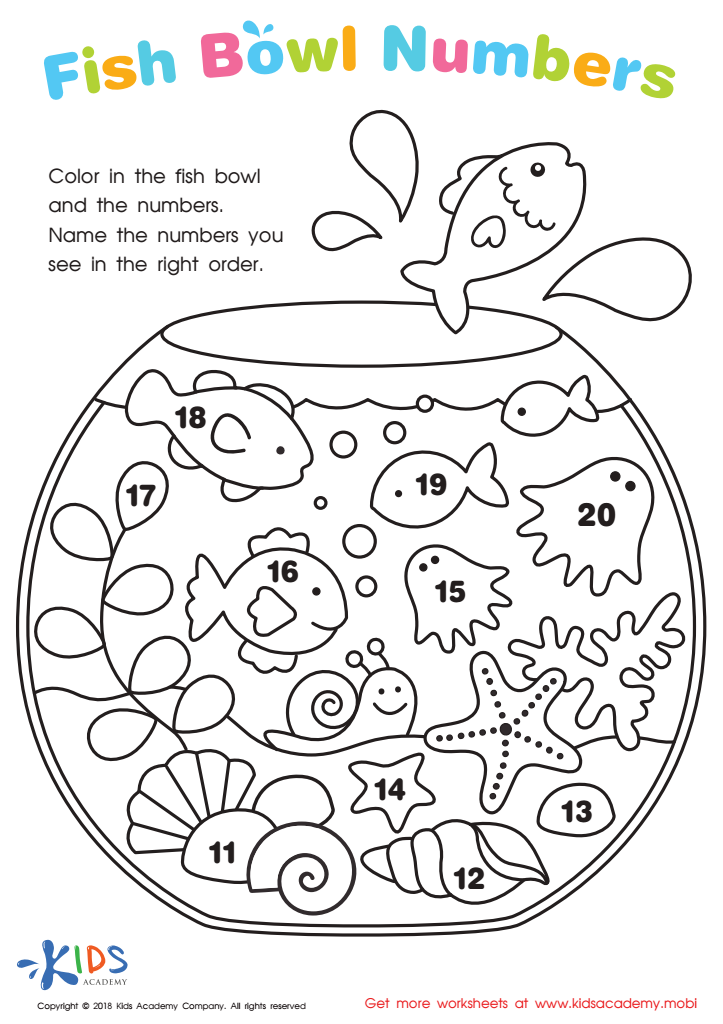
Fish Bowl Numbers Worksheet
Assign to My Students
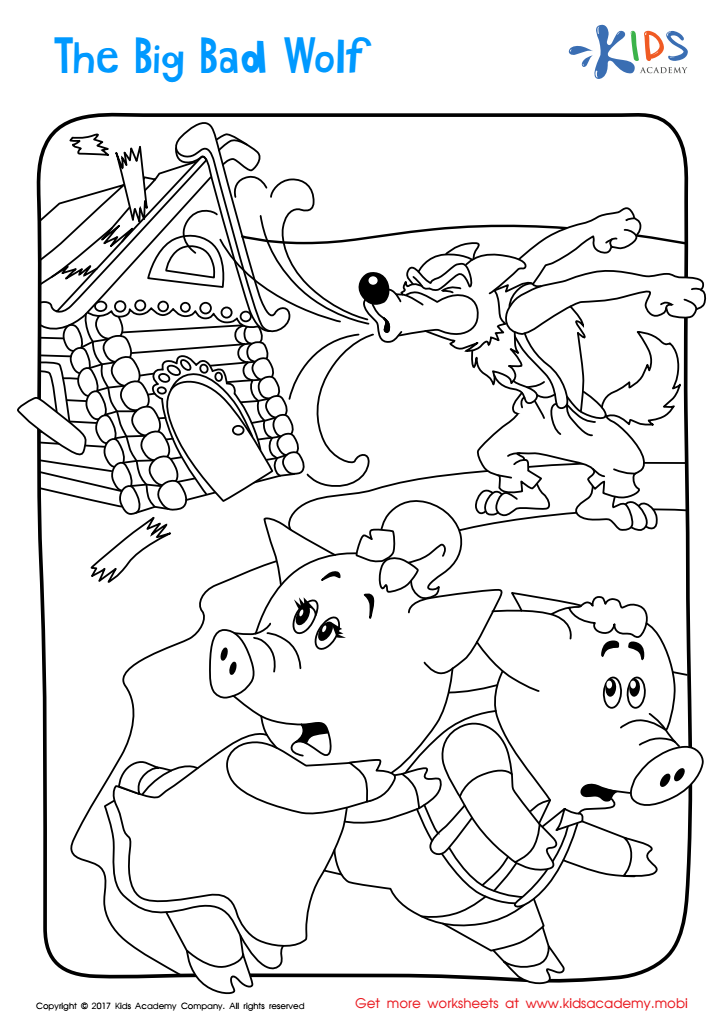
Big Bad Wolf Printable Coloring Page
Assign to My Students







Color recognition is a fundamental skill that significantly impacts a child's early development. For 4-year-olds, mastering this skill offers several benefits that parents and teachers should prioritize. Firstly, color recognition enhances cognitive development, allowing children to categorize and identify objects in their environment, which builds critical thinking skills.
Moreover, color-based activities can improve fine motor skills through hands-on engagement, such as coloring or sorting colored objects. This tactile experience also fosters creativity and self-expression, empowering children to communicate their feelings and ideas visually.
Social interaction is another vital aspect; identifying colors can promote teamwork in group games or during classroom activities, helping to cultivate collaboration and communication skills.
Additionally, color recognition lays a vital foundation for future learning in areas such as mathematics and language, as well as concepts in science, like understanding ecosystems or weather patterns.
Finally, engaging with color activities provides meaningful opportunities for parents and teachers to bond with children, making learning enjoyable and enriching. Prioritizing color recognition helps set the stage for a child’s holistic development, making it an essential focus for those involved in early education.








