Comparing objects Extra Challenge Worksheets for 4-Year-Olds
3 filtered results
-
From - To
Explore our "Comparing Objects Extra Challenge Worksheets" designed specifically for 4-year-olds! These engaging worksheets promote essential early learning skills by encouraging young learners to compare and analyze various objects. Through fun activities, children will develop critical thinking skills as they identify similarities and differences based on size, color, and shape. Perfect for at-home or classroom use, these worksheets provide a wonderful opportunity for parents and educators to support early childhood development. Help your child become a confident learner with our stimulating and age-appropriate challenges that make comparing objects both enjoyable and educational. Start comparing today for brighter futures!
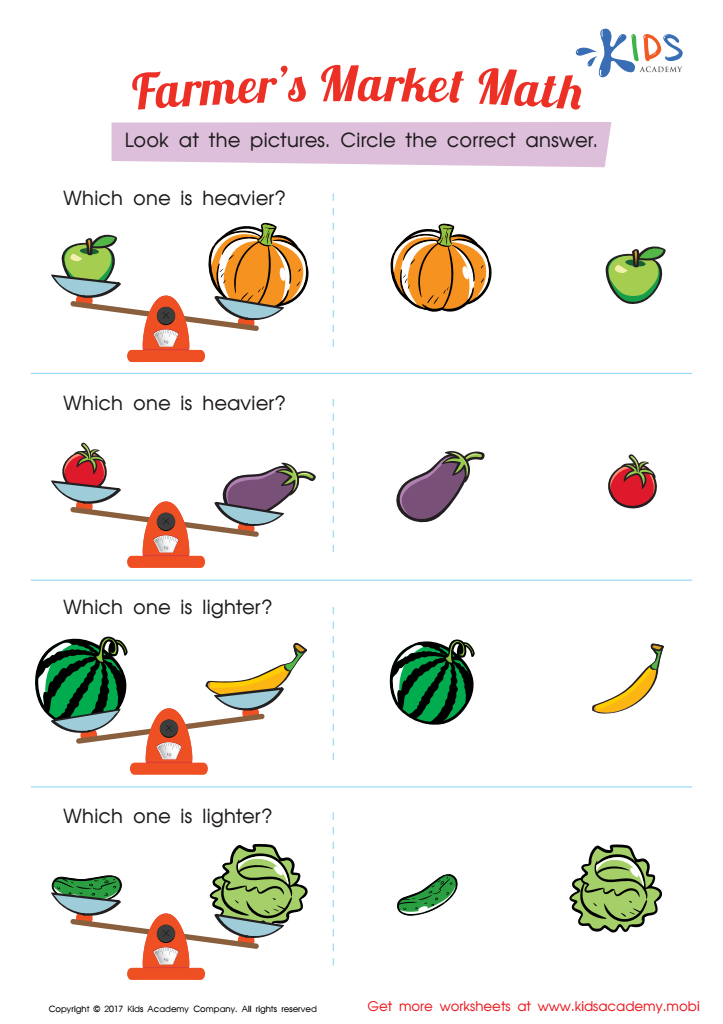
Which One Is Heavier Worksheet
 Assign to My Students
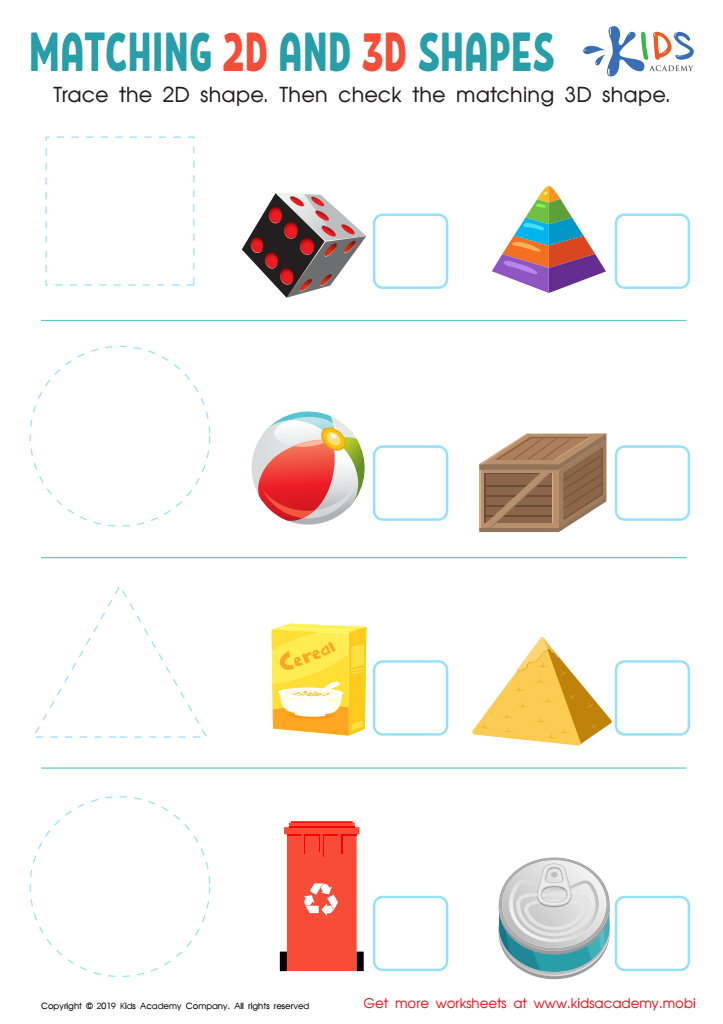
Matching 2D and 3D Shapes Worksheet
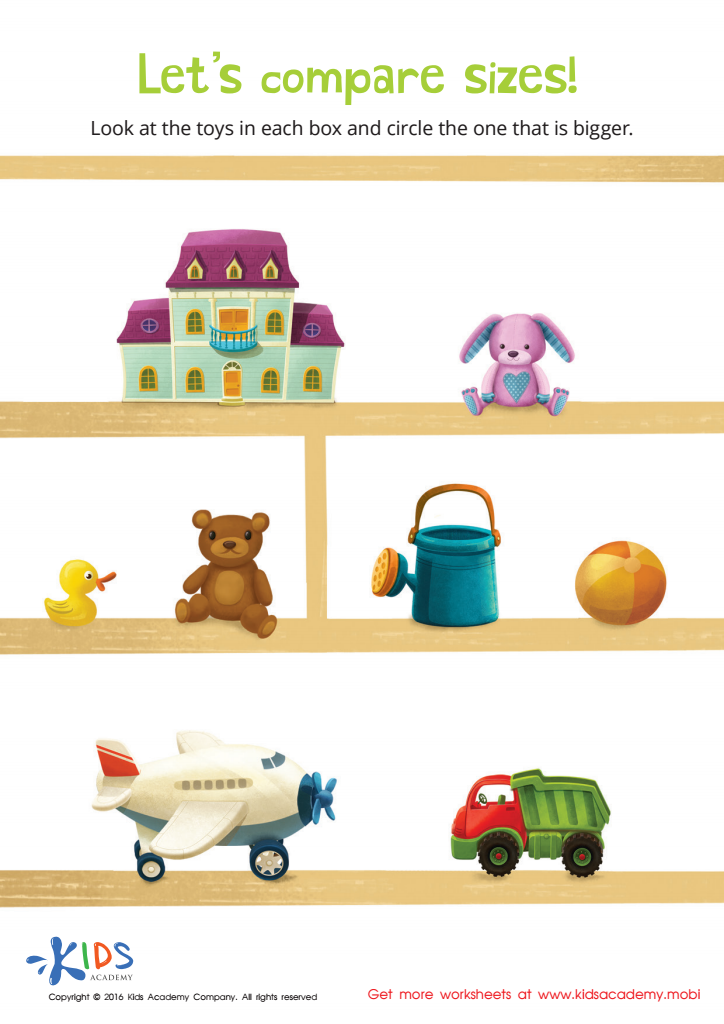
Classifying by Size Sorting Worksheet


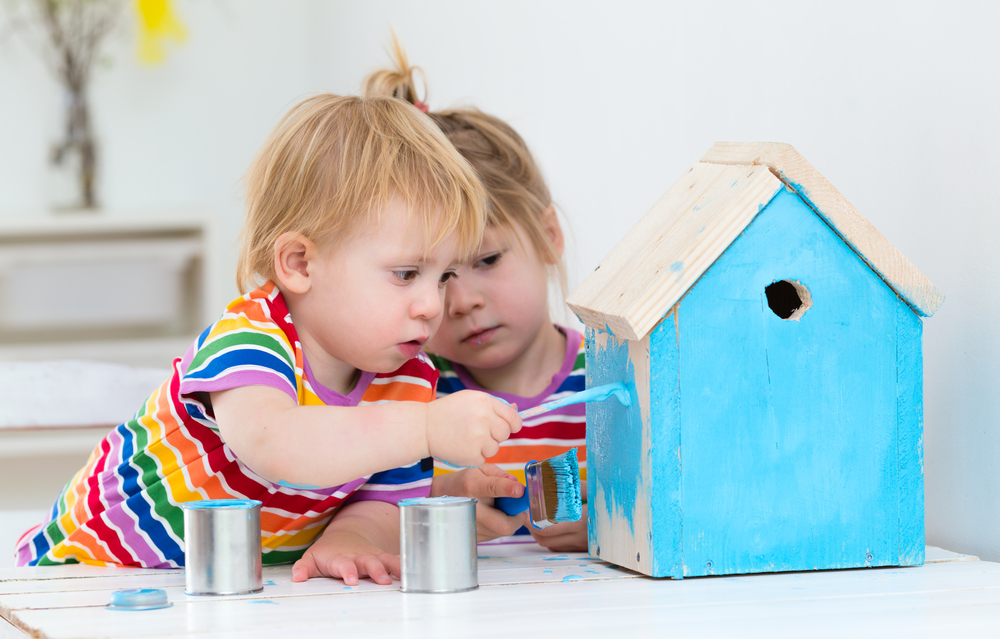




Parents and teachers should care about comparing objects in young children, particularly through extra challenges designed for 4-year-olds, because this skill lays a foundational understanding of mathematical concepts and critical thinking. When children compare sizes, shapes, quantities, and weights, they not only develop cognitive skills but also enhance their language and communication abilities.
These activities stimulate curiosity and observation, encouraging kids to ask questions, make decisions, and express their thoughts. For instance, comparing whether a teddy bear is bigger than a ball introduces concepts of measurement and relativity.
Additionally, engaging in such challenges fosters social skills, as children often work in pairs or groups, learning to share ideas and collaborate. These interactions strengthen their ability to articulate their reasoning and grasp the perspectives of others.
Overall, incorporating extra challenges related to comparing objects cultivates a playful learning atmosphere where problem-solving and exploration are at the forefront. This method not only nurtures early math skills but also instills a lifelong love for learning, making it essential for both parents and educators to recognize and support these developmental opportunities in their children's formative years.








