Visual perception Extra Challenge Worksheets for 4-Year-Olds
6 filtered results
-
From - To
Discover our engaging Visual Perception Extra Challenge Worksheets designed specifically for 4-year-olds! These thoughtfully crafted activities enhance essential visual skills, promoting focus, observation, and critical thinking. Ideal for preschool classrooms or at-home learning, these worksheets encourage children to recognize patterns, match shapes, and identify differences, all while having fun. Each exercise is tailored to challenge young minds, ensuring enjoyable learning experiences that build a strong foundation for future academic success. With vibrant illustrations and age-appropriate tasks, these worksheets captivate young learners and enhance their cognitive development. Explore our collection today and support your child's early learning journey!
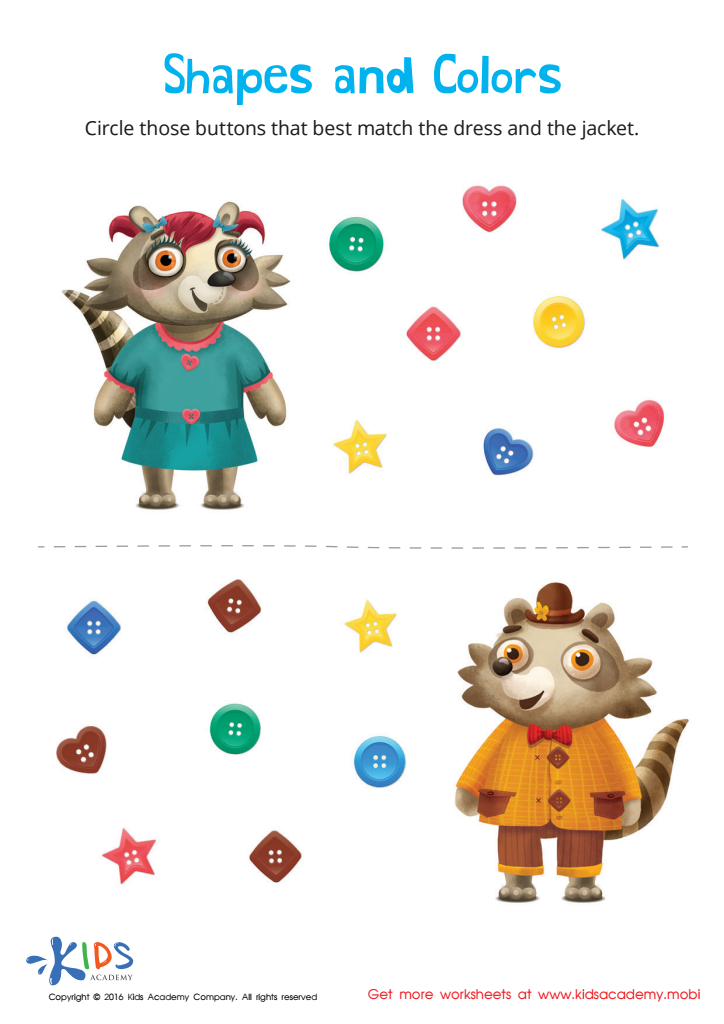
Matching: Shapes and Colors Worksheet
 Assign to My Students
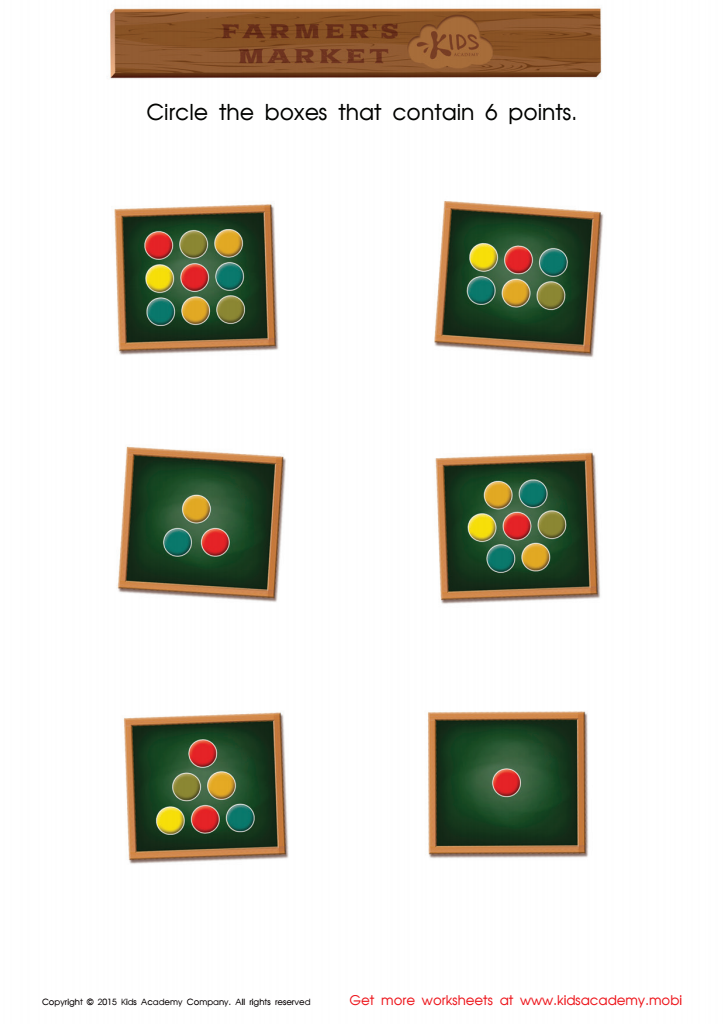
Count and Match Points 6 Math Worksheet
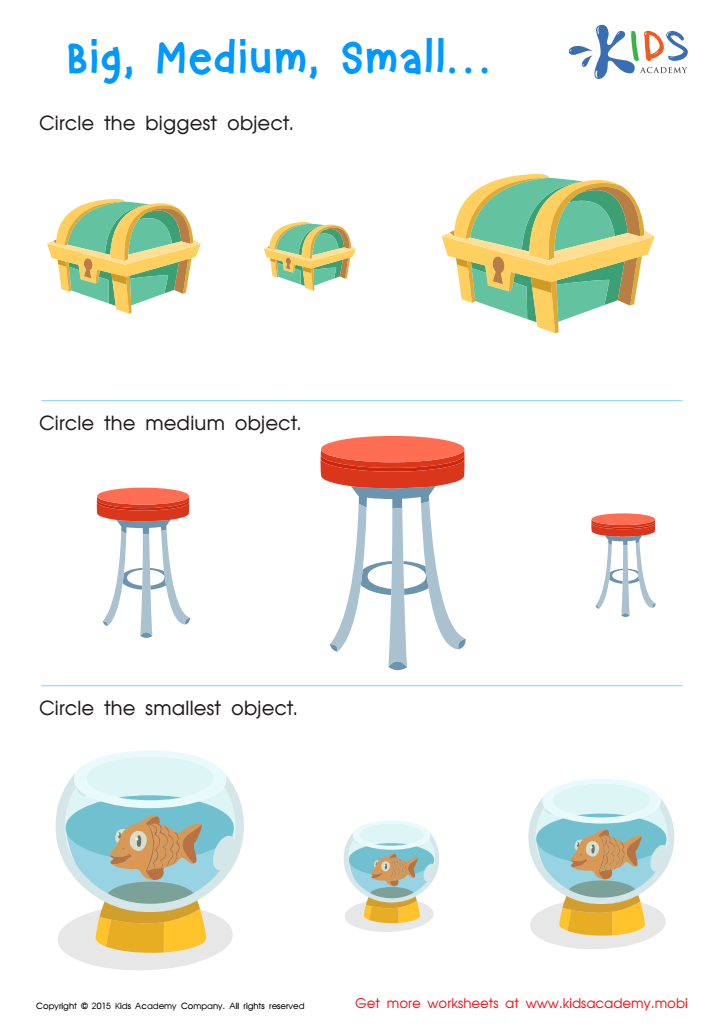
Big Medium Small Worksheet
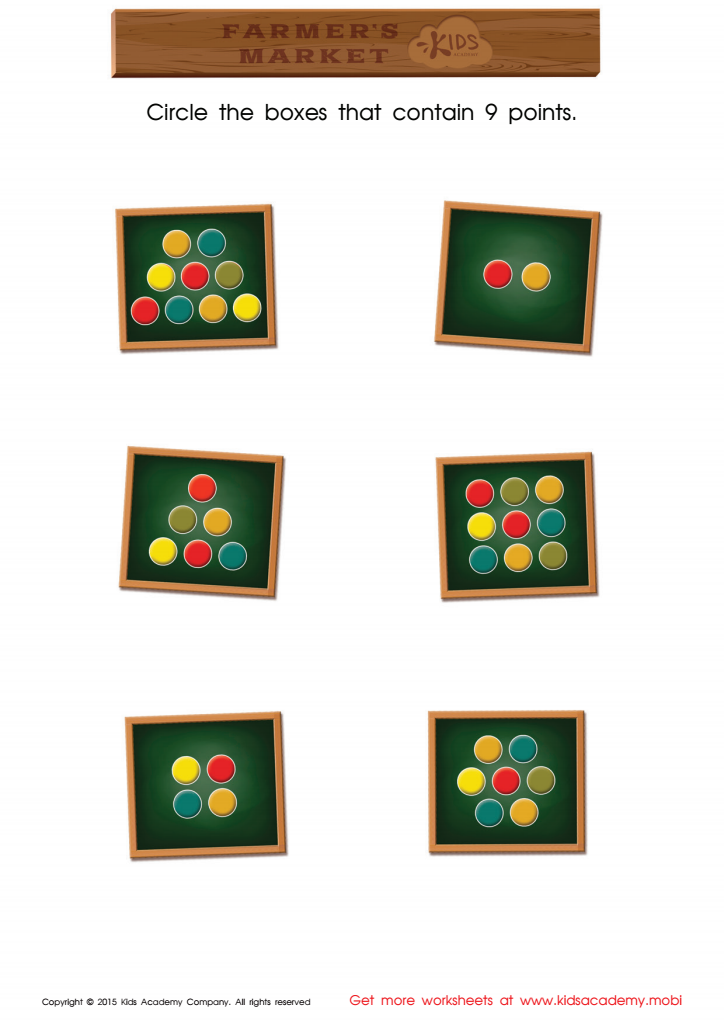
Count and Match Points 9 Math Worksheet
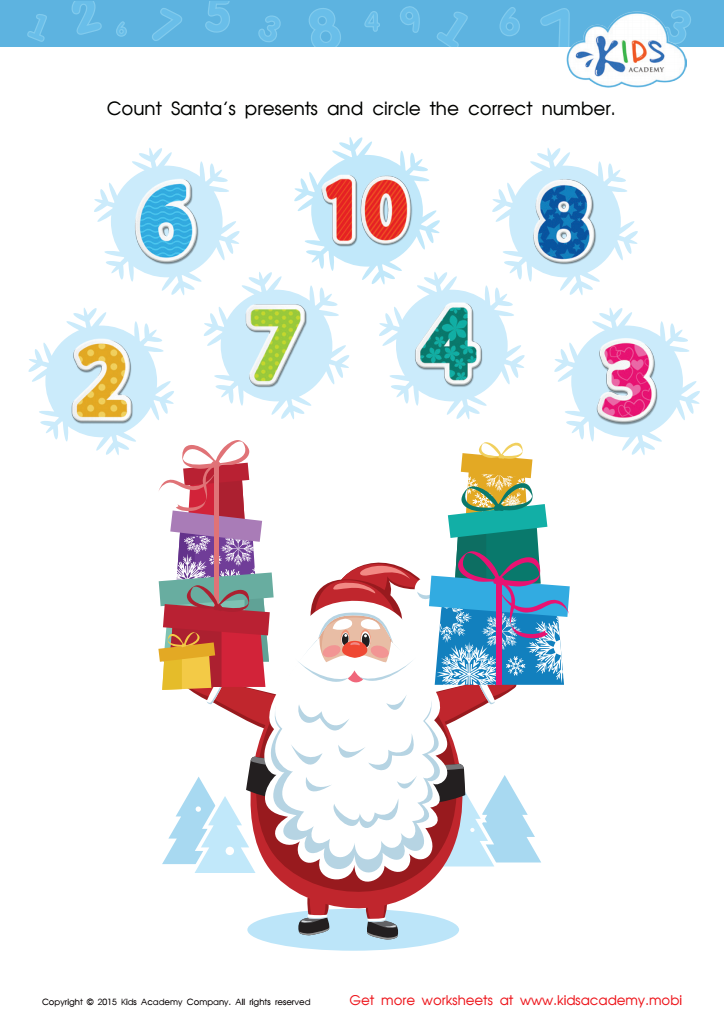
Count Santa's Presents Worksheet
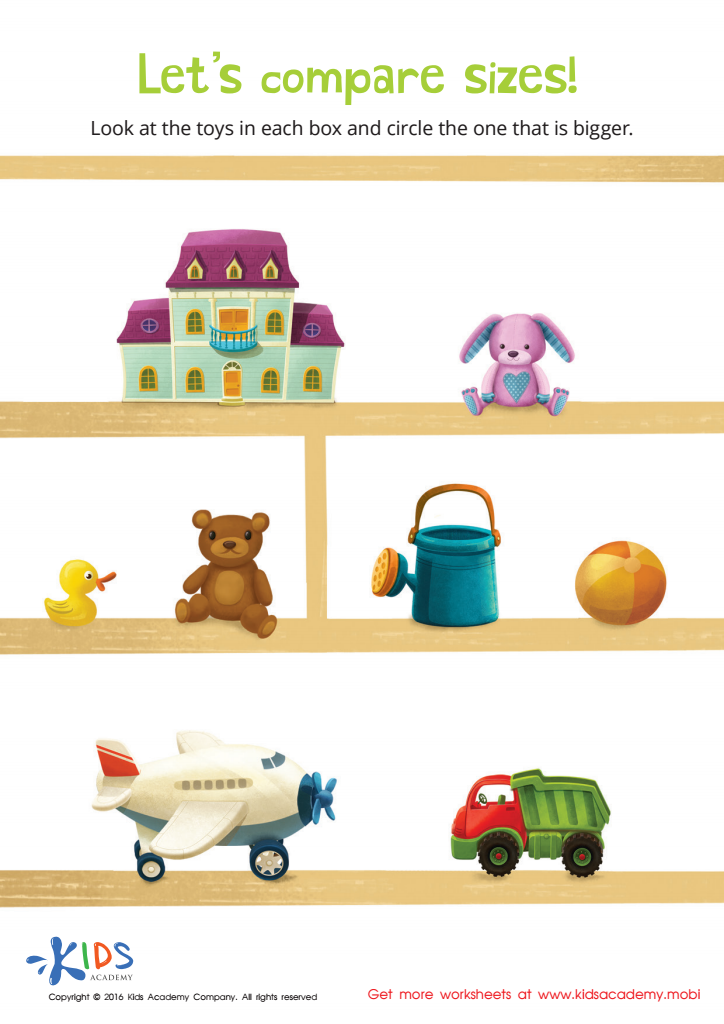
Classifying by Size Sorting Worksheet







Visual perception is vital for young children's overall development, significantly impacting their learning, social skills, and daily activities. For 4-year-olds, these foundational skills help them understand the world around them and navigate various tasks, from recognizing shapes and colors to following instructions in games and storytelling. Parents and teachers should care about visual perception because it enhances children's cognitive abilities, aiding in their academic readiness.
Engaging children in visual perception activities promotes critical thinking, problem-solving, and attention to detail. By participating in extra challenges—such as puzzles, matching games, or simple optical illusions—children can develop skills important for later school success, such as reading readiness and mathematical understanding.
Additionally, visual perception is linked to fine motor skills, important for tasks like writing, drawing, and self-care activities. Parents and teachers can observe a child's progress and tailor activities to support areas where the child may struggle or excel, fostering confidence and a love for learning.
Moreover, strong visual perception helps children in social situations, allowing them to interpret non-verbal cues and engage with peers more effectively. Therefore, focusing on these skills not only lays a strong academic foundation but also promotes emotional well-being and interpersonal skills in early childhood.








