Problem-Solving Skills Extra Challenge Worksheets for Ages 5-6 - Page 3
61 filtered results
-
From - To
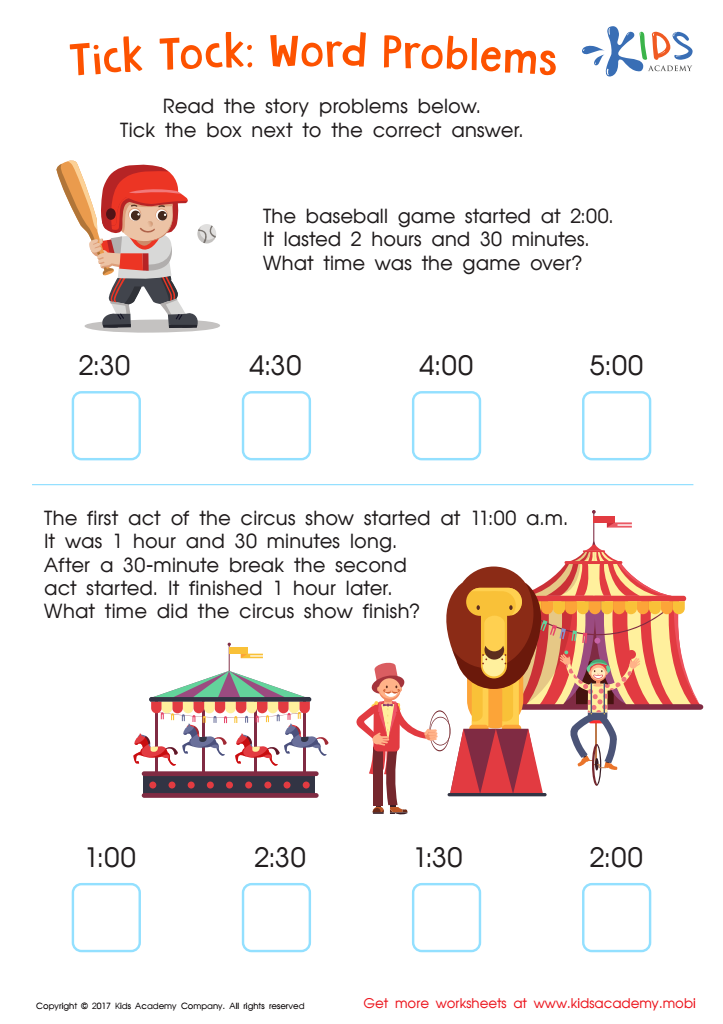
Tick Tock Word Problems Time Worksheet
 Assign to My Students
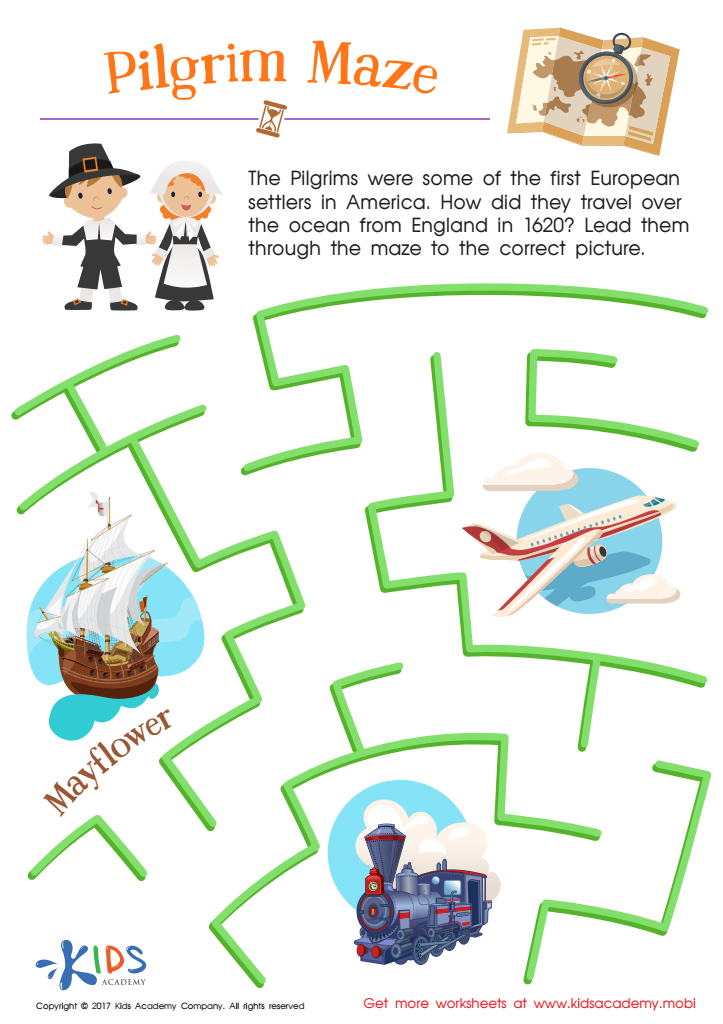
Pilgrim Maze Worksheet
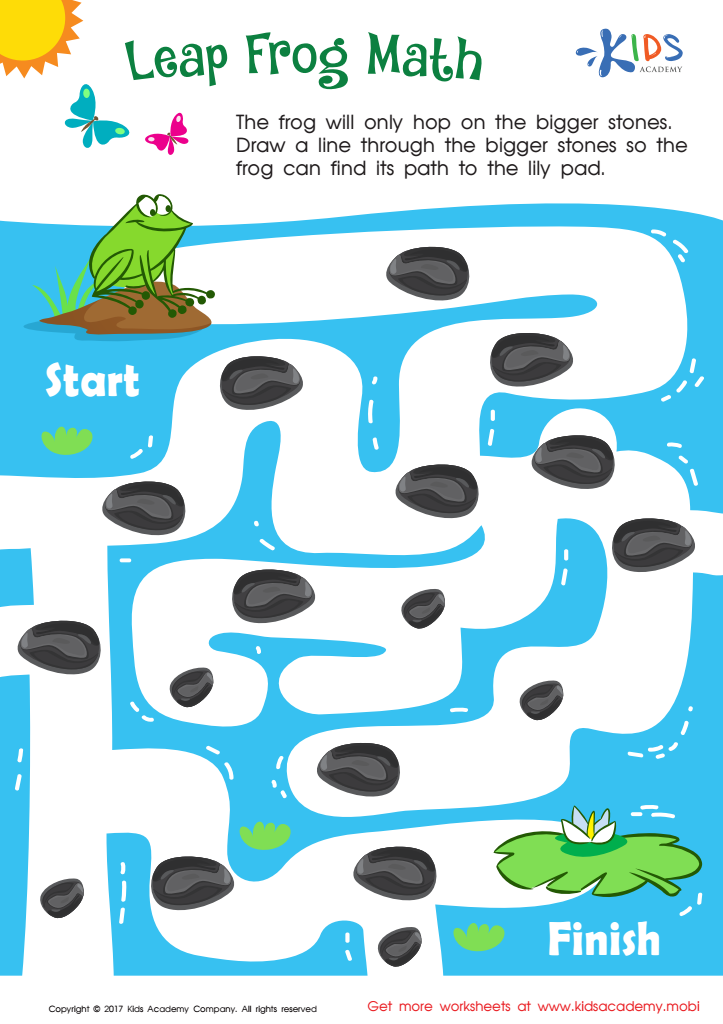
Math Puzzle Worksheet
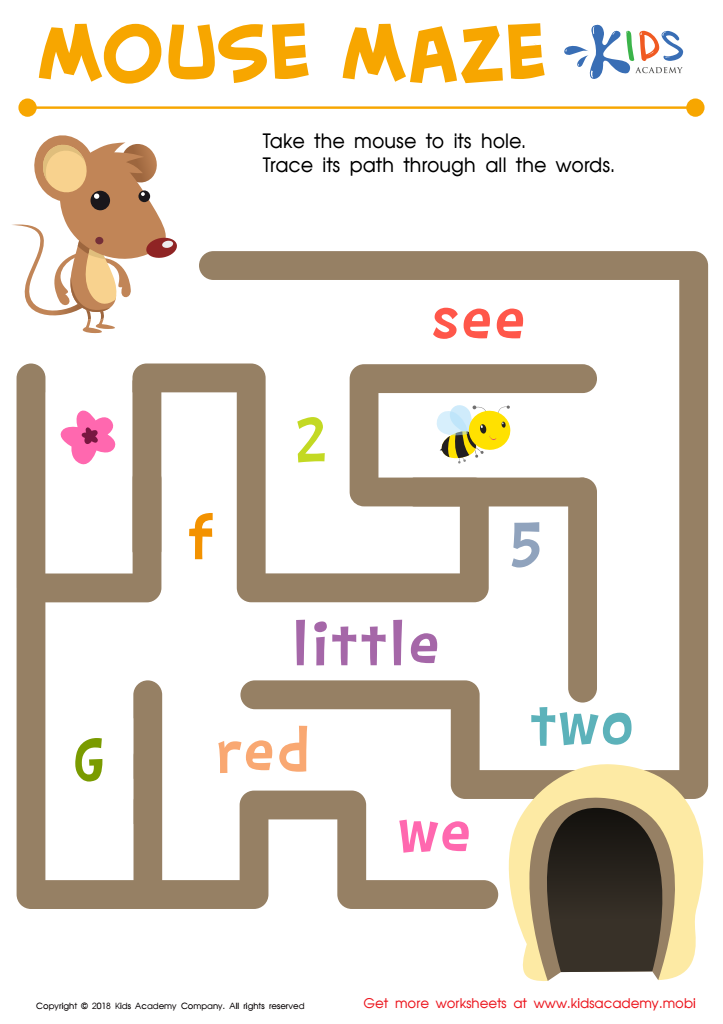
Find Words Mouse Maze Worksheet
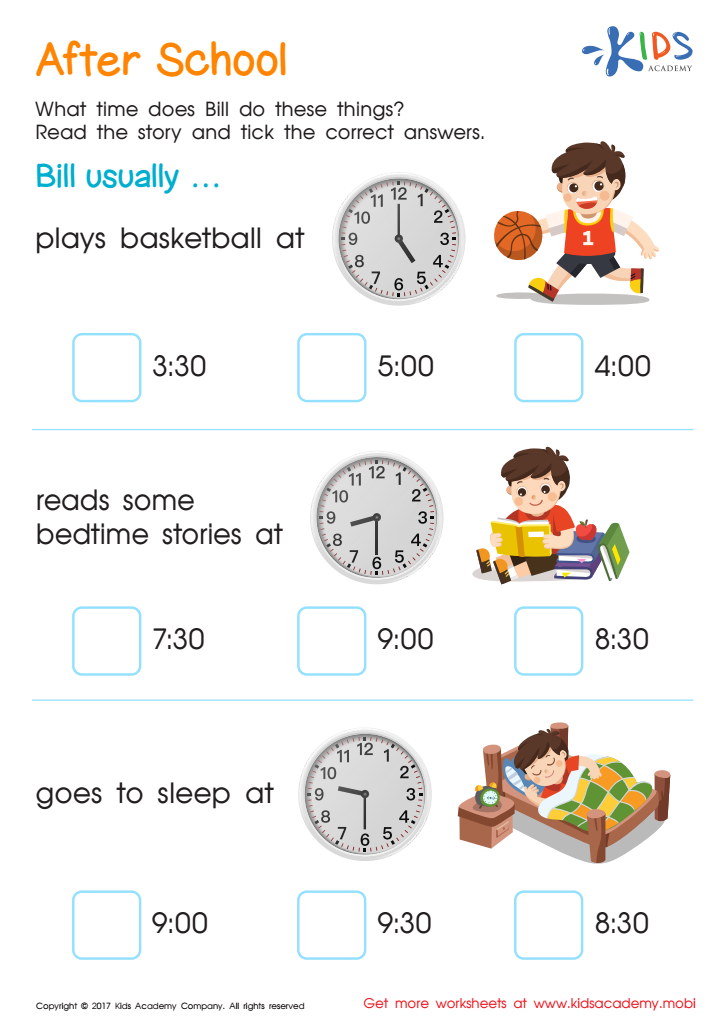
After School Time Printable
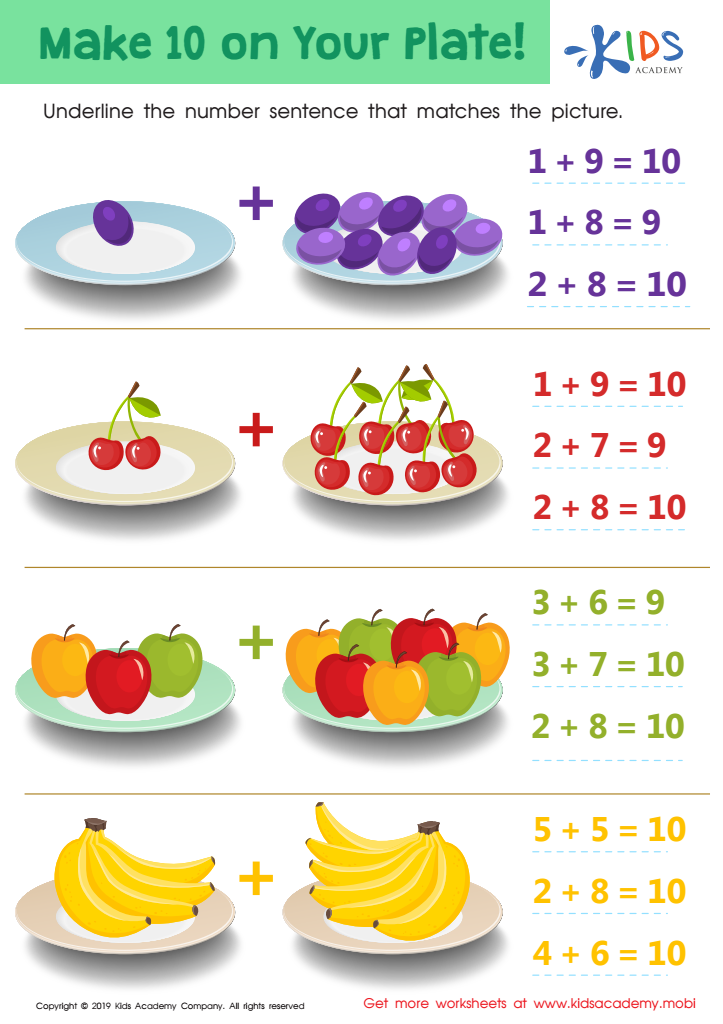
Make 10 on Your Plate! Worksheet
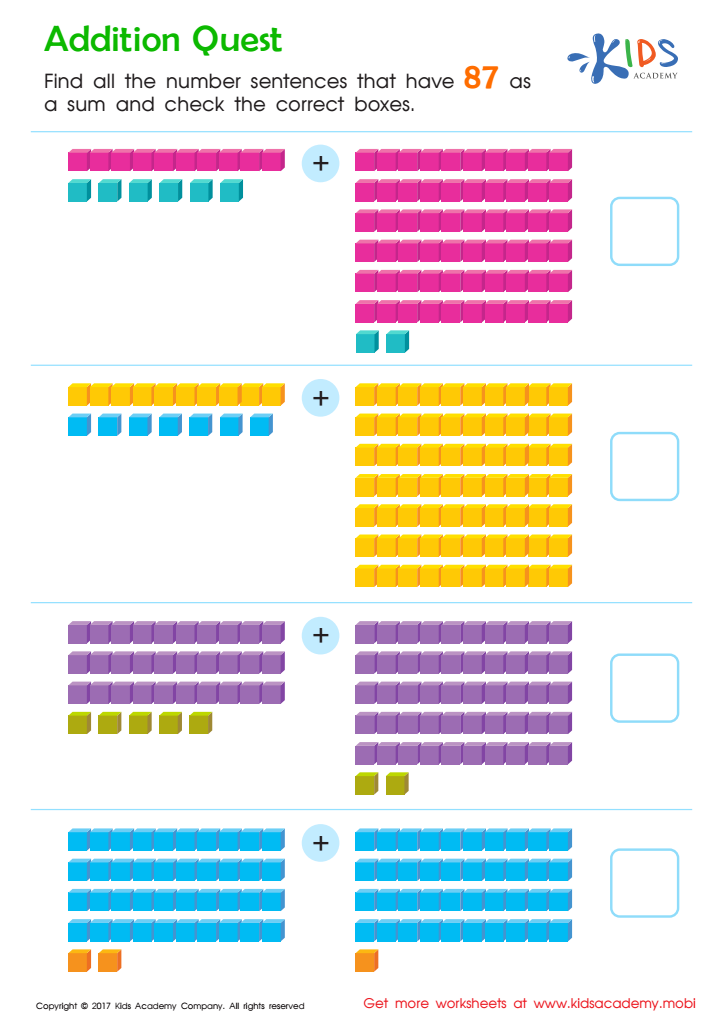
Addition Quest Worksheet: Part 1
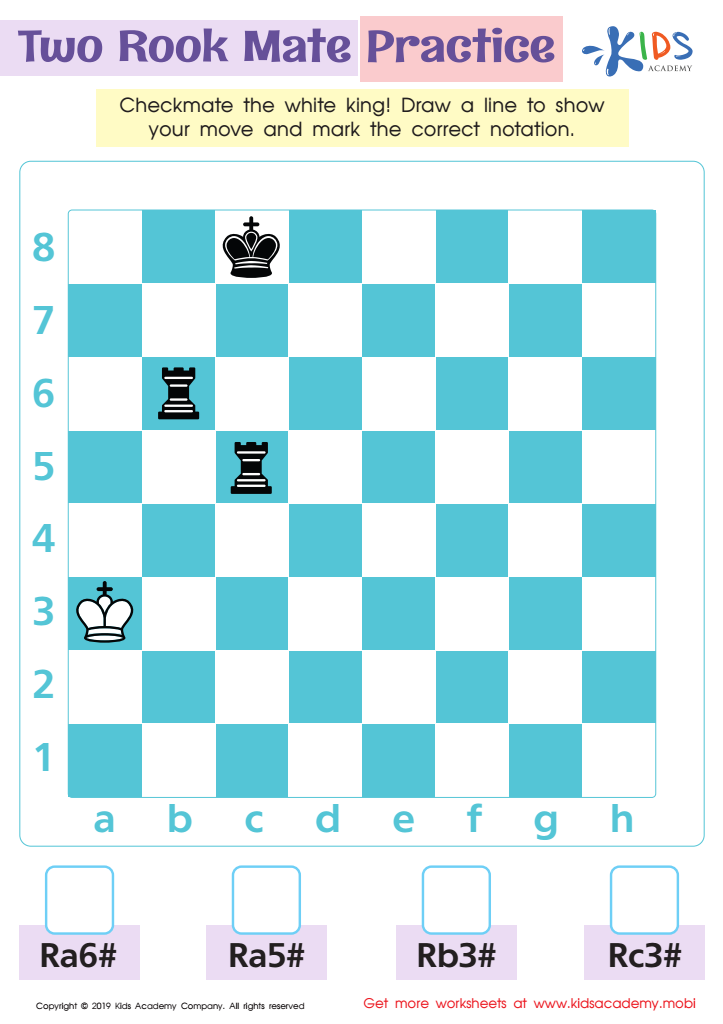
Two Rook Mate Practice Worksheet
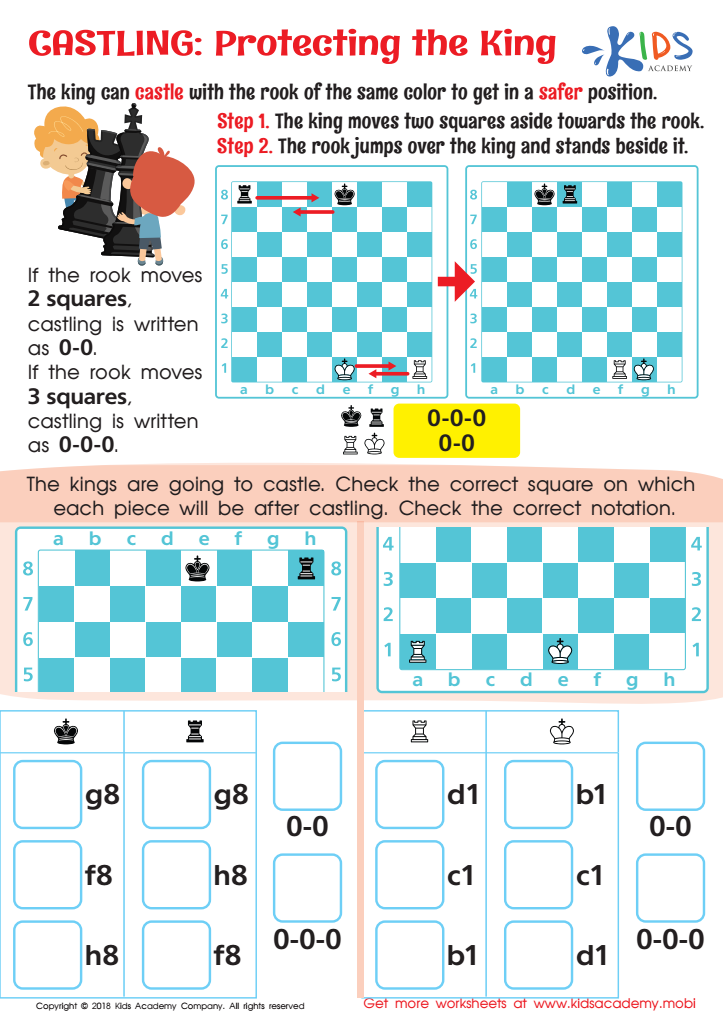
Castling: Protecting the King Worksheet
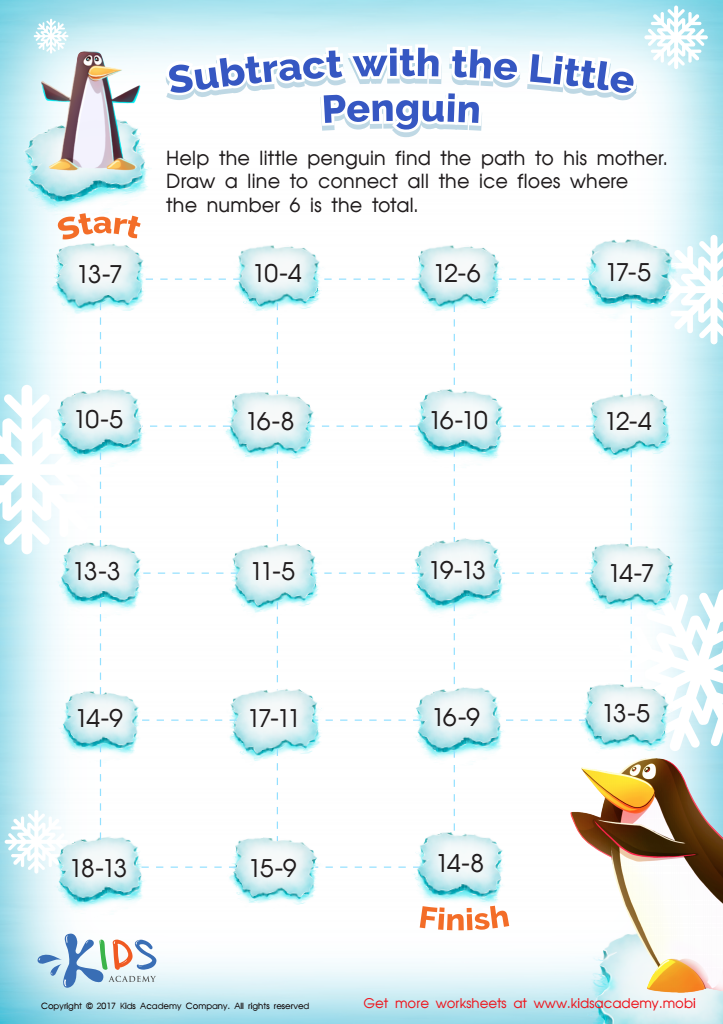
Subtract With The Little Penguin Substraction Worksheet
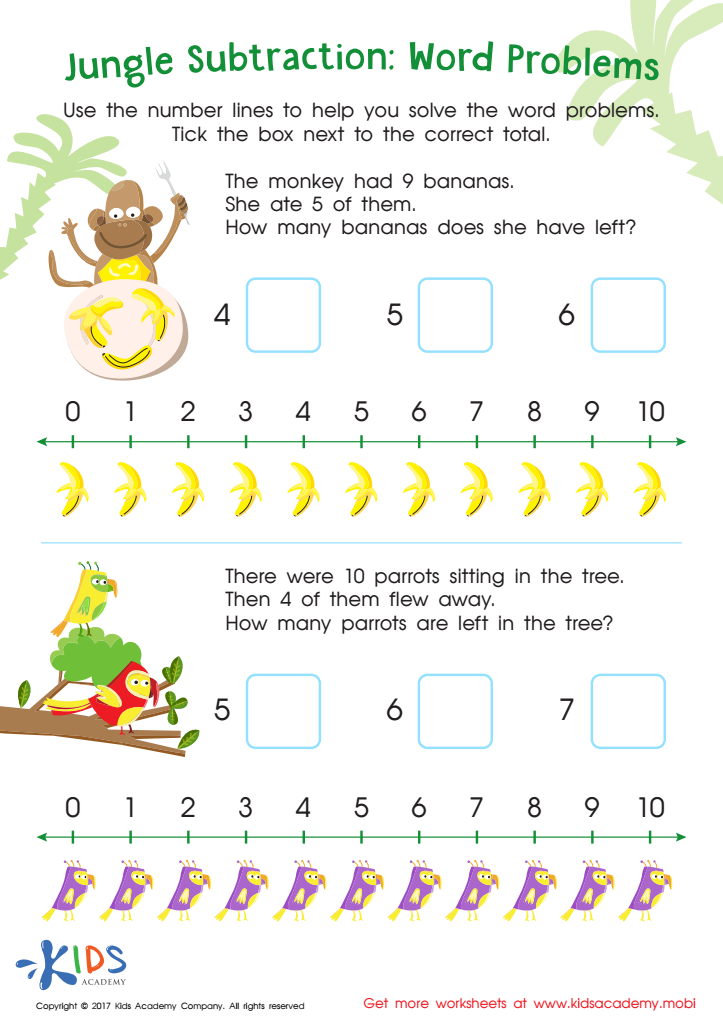
Jungle Subtraction Word Problems Substraction Worksheet
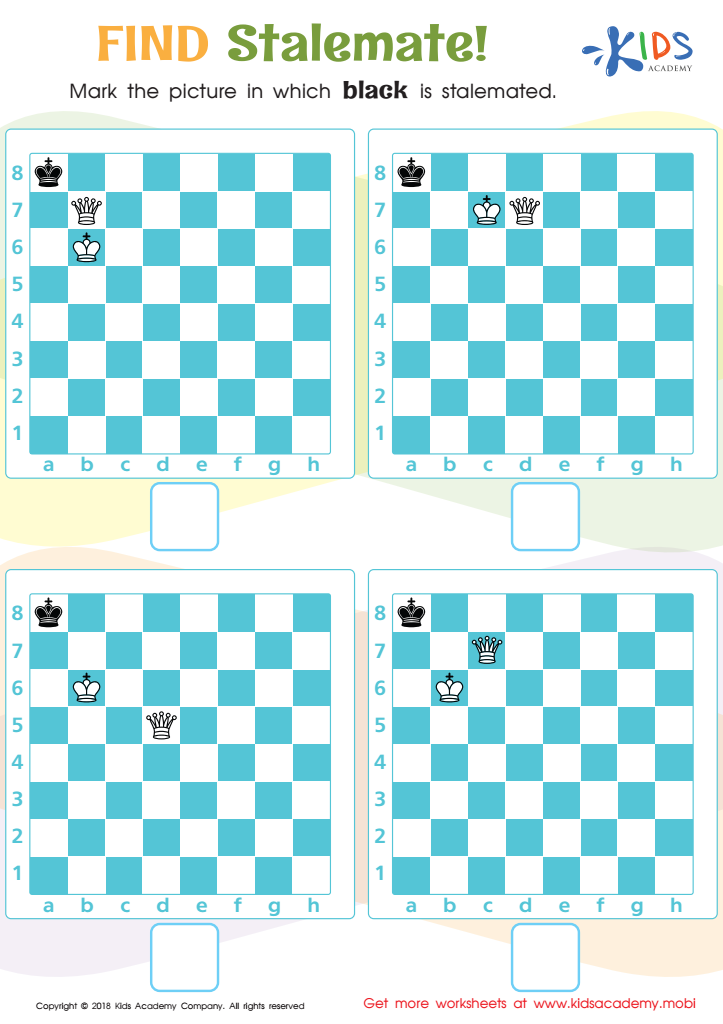
Find Stalemate! Worksheet
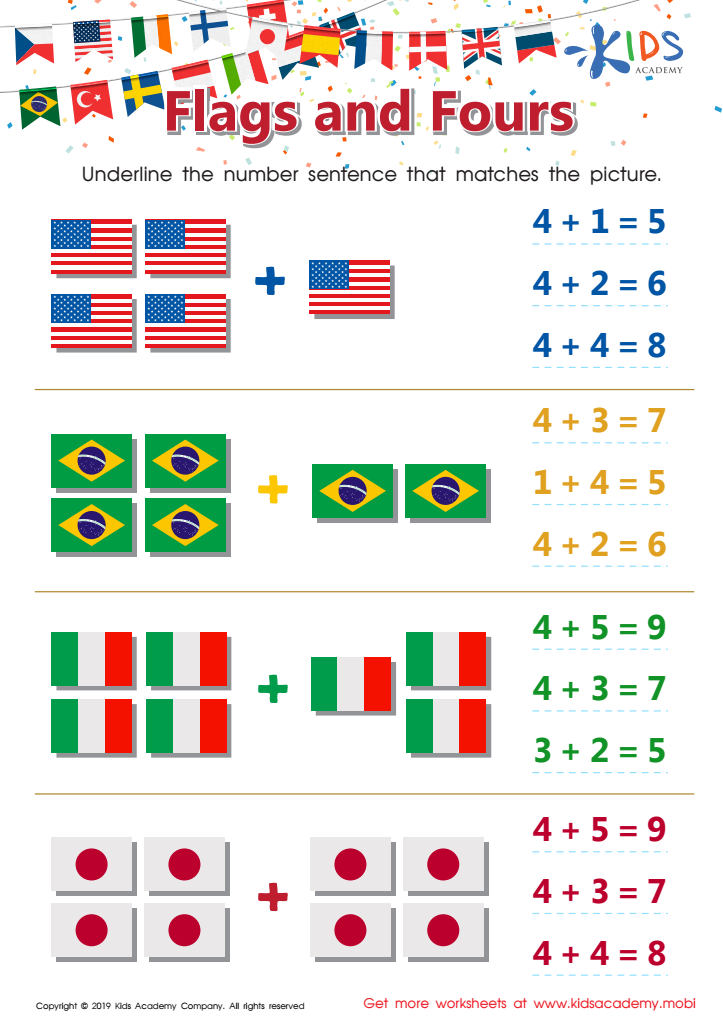
Flags and Fours Worksheet







.jpg)
Parents and teachers should prioritize Problem-Solving Skills Extra Challenge for ages 5-6 because these foundational skills play a crucial role in early childhood development. At this age, children are naturally curious and eager to learn, making it an ideal time to cultivate their cognitive abilities. Engaging in problem-solving activities encourages critical thinking, creativity, and perseverance, which are essential for academic success and everyday life challenges.
Moreover, these skills promote independence as children learn to approach obstacles with confidence. By providing extra challenges, educators and parents facilitate a growth mindset, teaching kids that they can improve through effort and practice. Problem-solving activities also enhance social skills as children often collaborate, negotiate, and communicate with peers while working on solutions together.
Furthermore, early development of these skills can lead to better emotional regulation and resilience. When children encounter difficulties and learn to navigate them, they become more adaptable to new situations. Overall, fostering problem-solving skills in young learners equips them with the tools necessary for lifelong learning, sets the stage for future academic achievement, and prepares them for an increasingly complex world. Thus, investing in these early challenges benefits both the individual child and society as a whole.








