Visual perception Extra Challenge Worksheets for Ages 5-6
9 filtered results
-
From - To
Enhance your child's visual learning with our Visual Perception Extra Challenge Worksheets designed specifically for kids aged 5-6! These engaging worksheets provide a fun way to strengthen vital skills such as visual discrimination, spatial awareness, and pattern recognition. Perfect for young learners, each activity is crafted to challenge their observation abilities and boost confidence. From eye-catching illustrations to interactive exercises, these worksheets are a fantastic supplemental tool for classroom learning or at-home practice. Help your child improve their focus and decipher complex visuals while enjoying imaginative themes that capture their attention. Dive into creativity and crucial skill-building today!
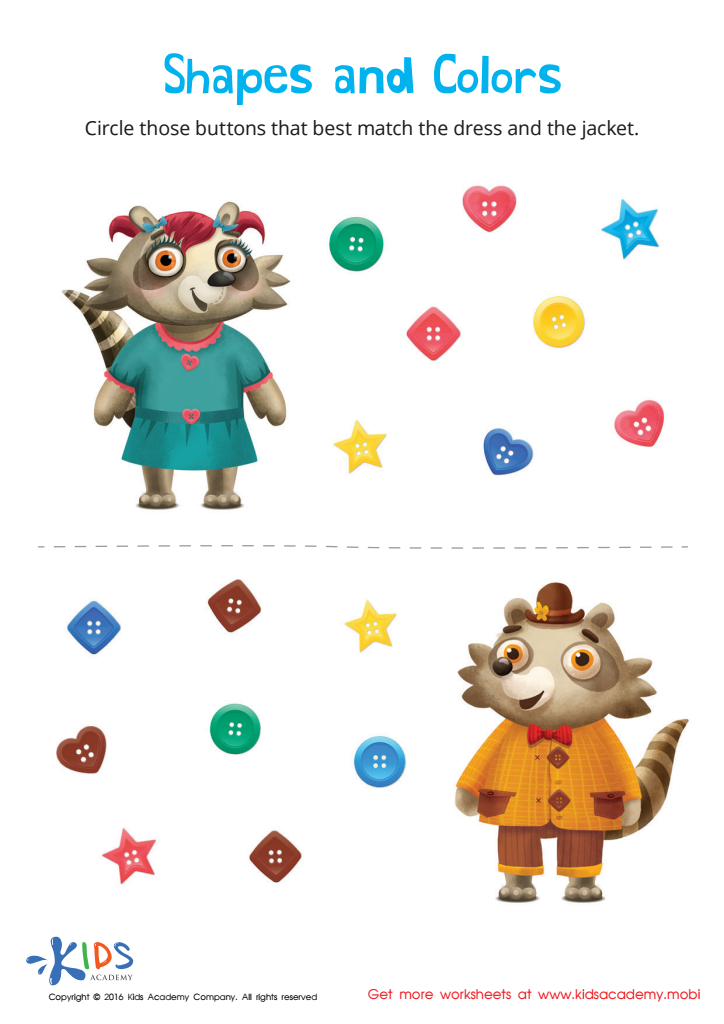
Matching: Shapes and Colors Worksheet
 Assign to My Students
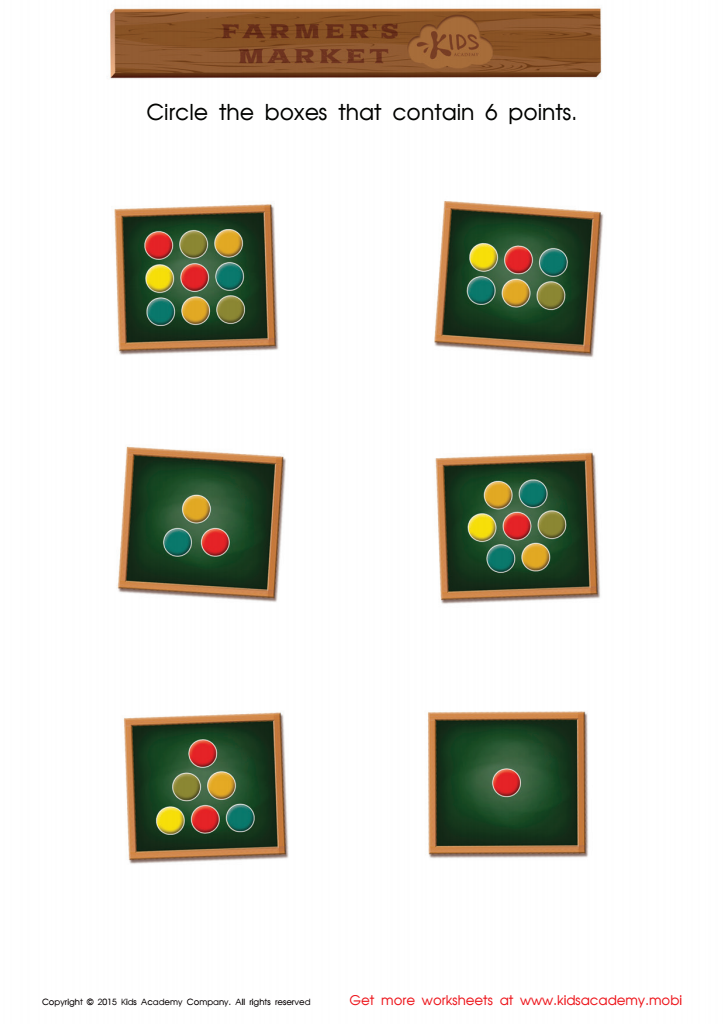
Count and Match Points 6 Math Worksheet
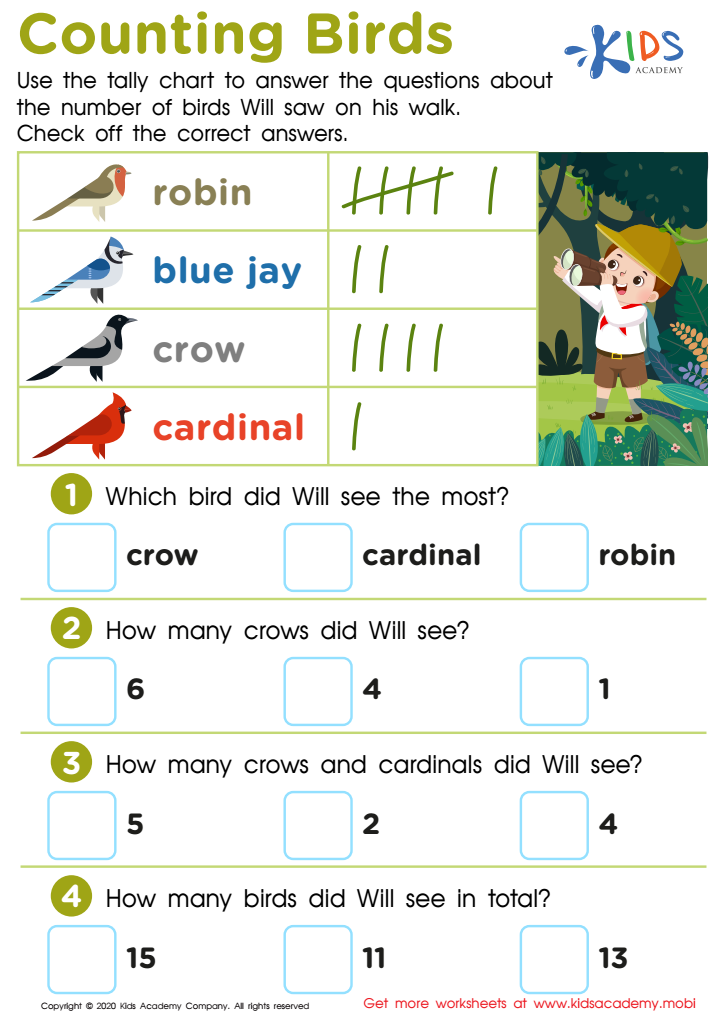
Counting Birds Worksheet
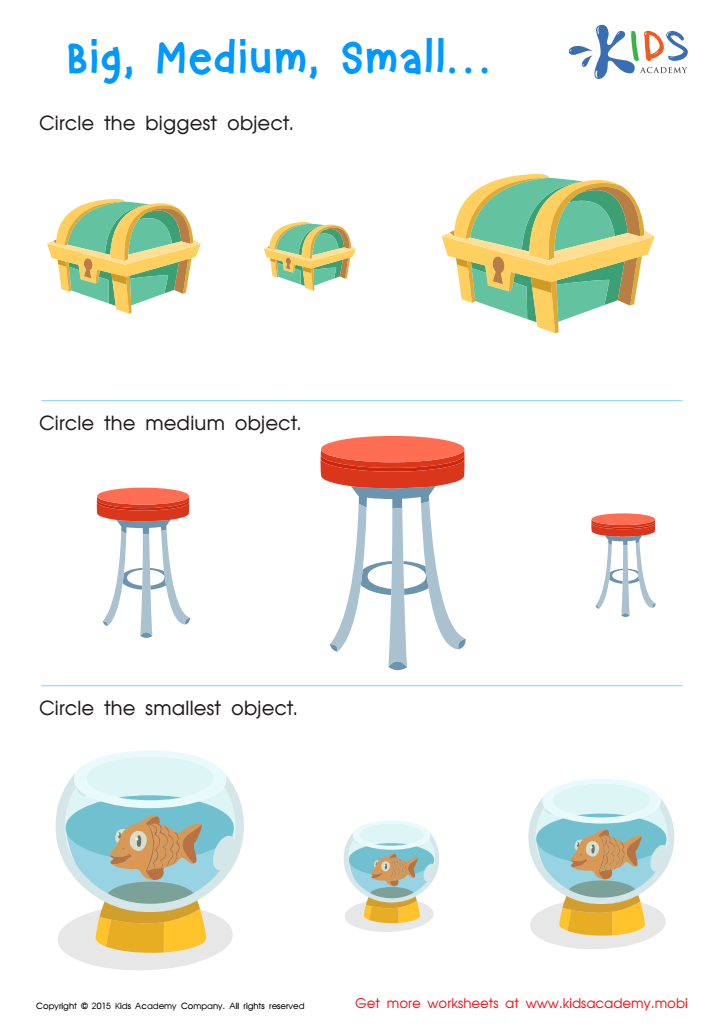
Big Medium Small Worksheet
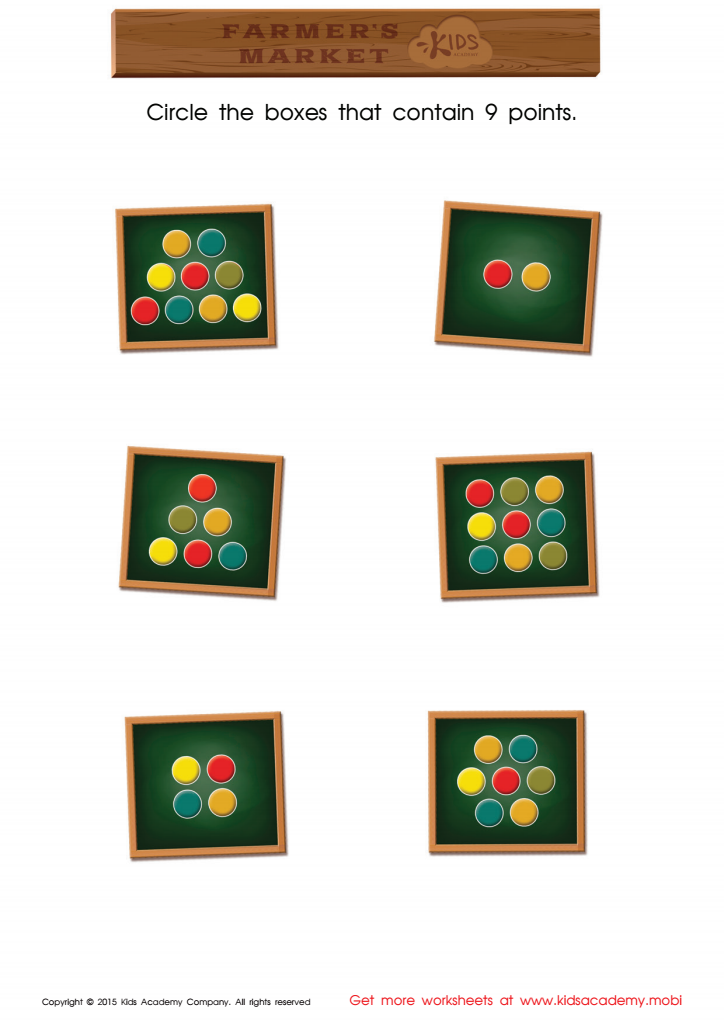
Count and Match Points 9 Math Worksheet
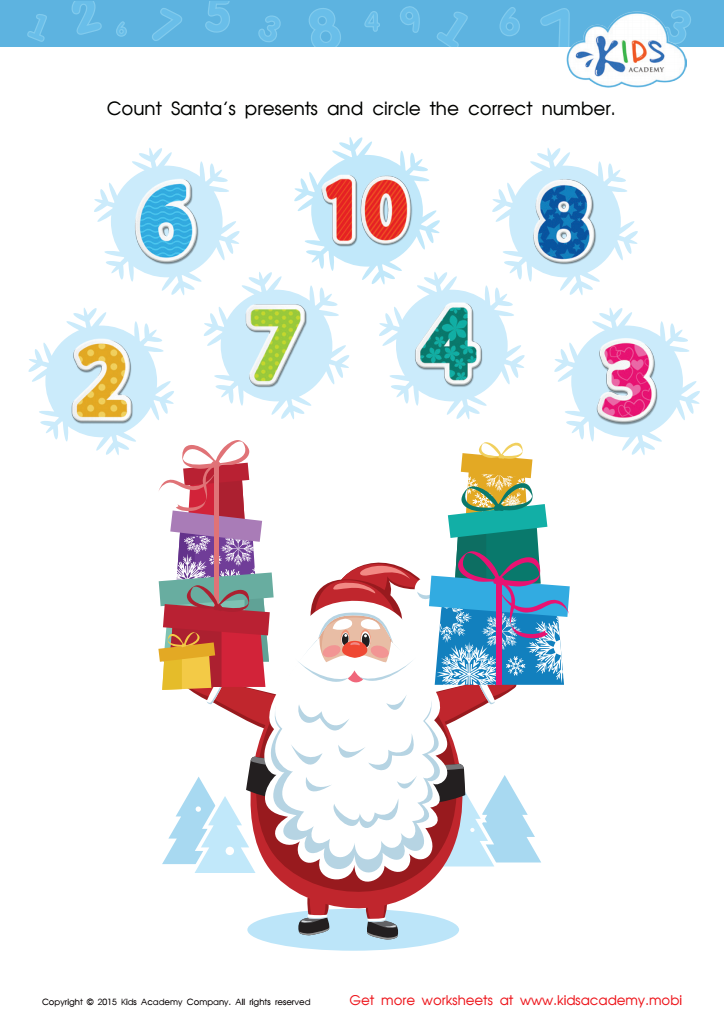
Count Santa's Presents Worksheet
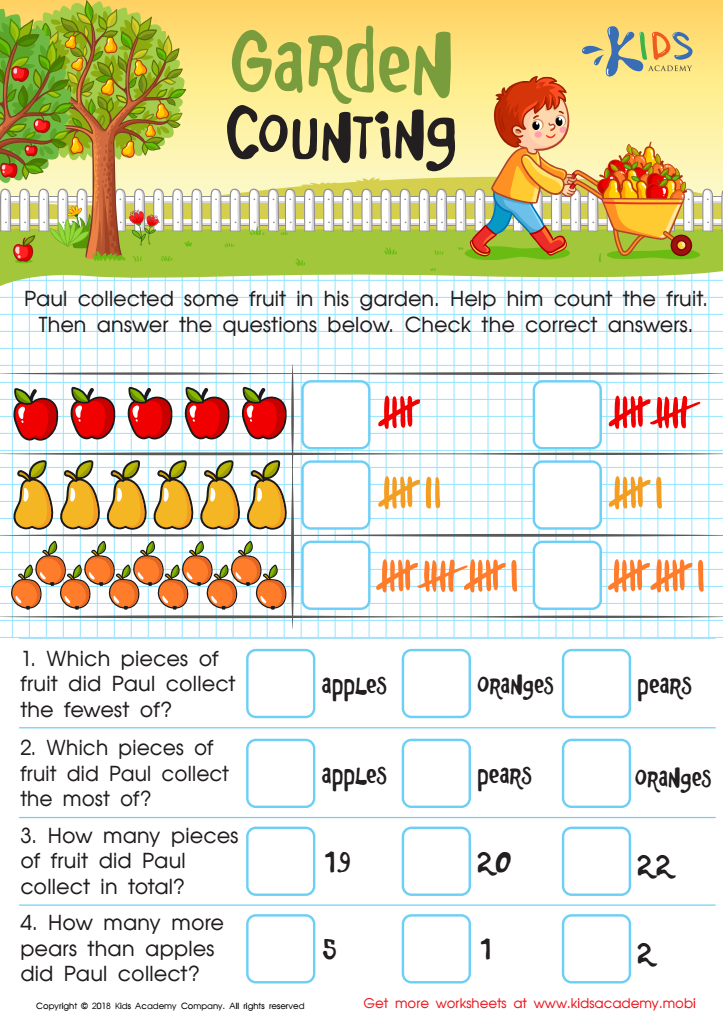
Garden Counting Worksheet
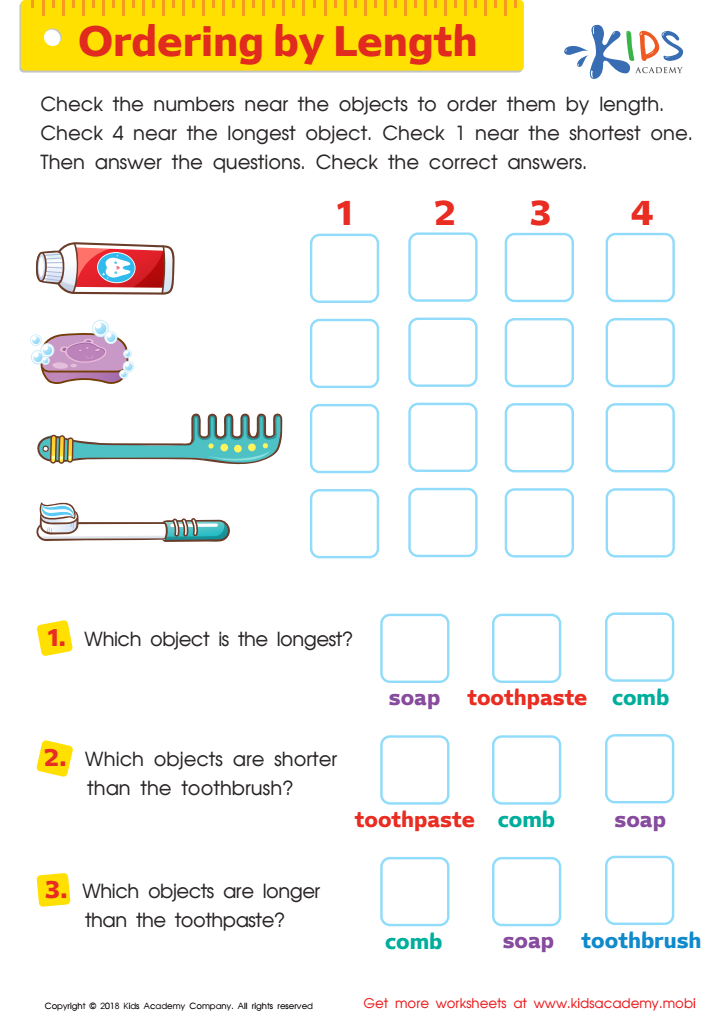
Ordering by Length Worksheet
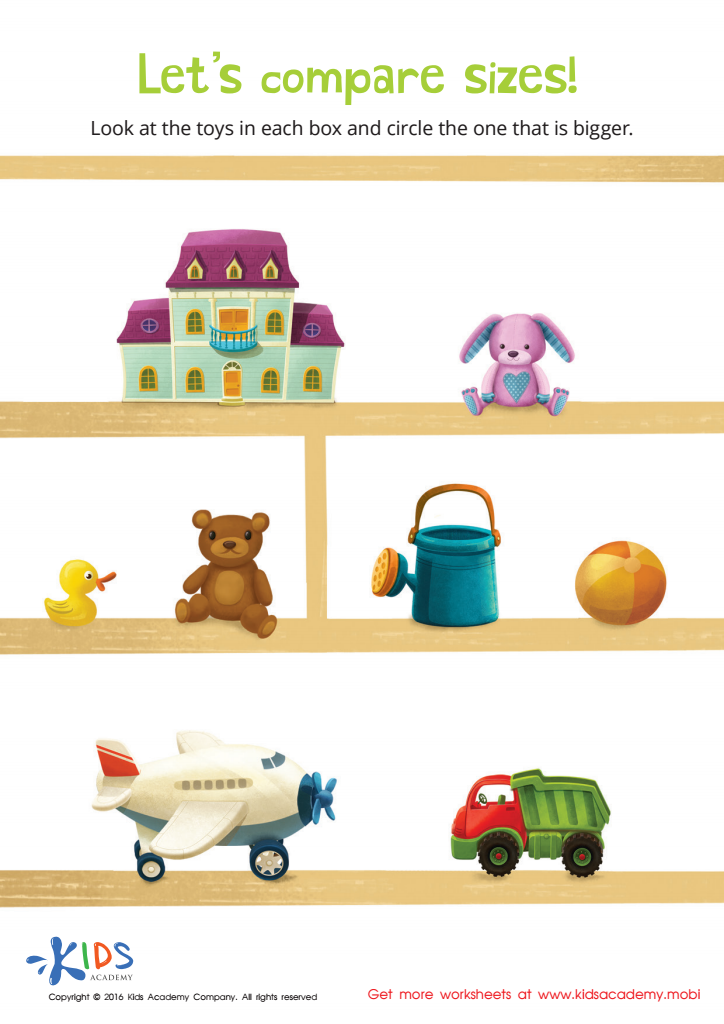
Classifying by Size Sorting Worksheet






Visual perception is a crucial skill for young children, particularly those aged 5-6, as it underpins many aspects of learning and development. Parents and teachers should prioritize this extra challenge because it enhances children's ability to interpret and organize visual information, which is essential for academic success, particularly in reading and math.
Strong visual perception skills help children recognize letters and numbers, understand spatial relationships, and develop fine motor skills through activities like drawing and crafting. These foundational skills also contribute to better problem-solving and critical thinking abilities, as children learn to analyze and make sense of their surroundings.
In addition to academic outcomes, visual perception influences a child’s self-esteem and motivation. As children master visual tasks, they gain confidence in their abilities, promoting a love for learning that can last throughout their education. Engaging in extra challenges provides varied experiences that stimulate cognitive development and fosters creativity.
By caring about and investing in visual perception development, parents and teachers ensure that children are equipped with the necessary tools to navigate their environment, learn effectively, and thrive both inside and outside the classroom. These early interventions can set the stage for lifelong learning and success.








