Shape Recognition Extra Challenge 2D Shapes Worksheets for Ages 5-6
6 filtered results
-
From - To
Elevate your child's shape recognition skills with our "Shape Recognition Extra Challenge 2D Shapes Worksheets for Ages 5-6." Designed for energetic young learners, these engaging worksheets turn learning into an exciting adventure. Kids will explore various 2D shapes such as circles, squares, and triangles, enhancing their ability to identify, differentiate, and name shapes. Perfect for ages 5-6, this series fosters critical thinking and fine motor skills through fun activities and vibrant illustrations. Encourage your child's love for learning and watch their confidence soar as they master foundational geometry concepts with ease! Try it out and witness their progress.
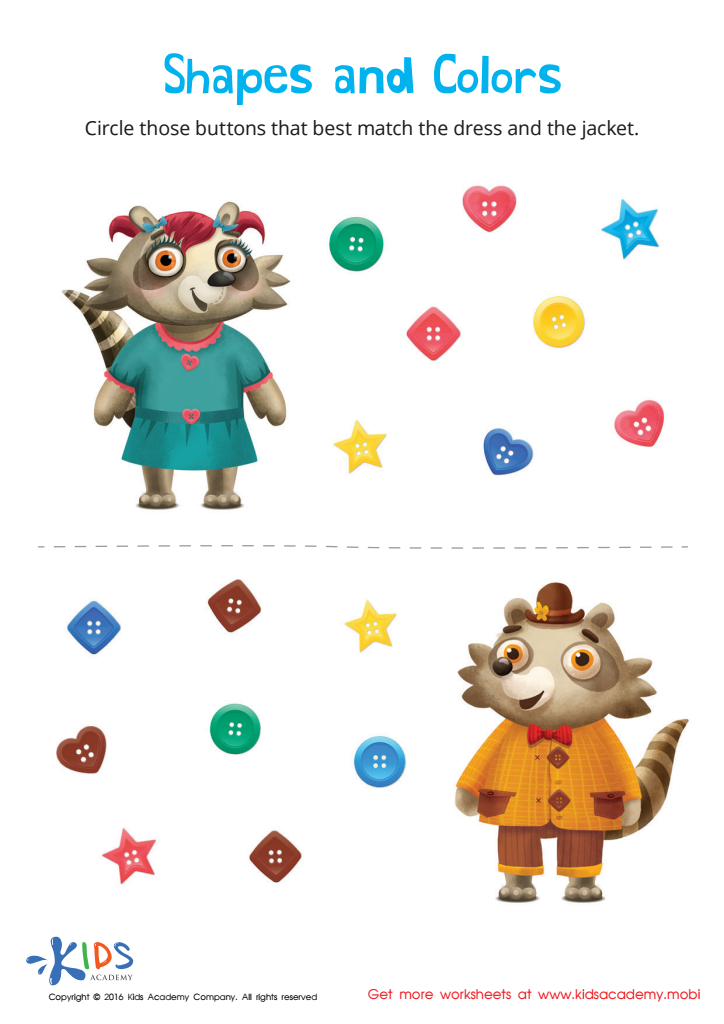
Matching: Shapes and Colors Worksheet
 Assign to My Students

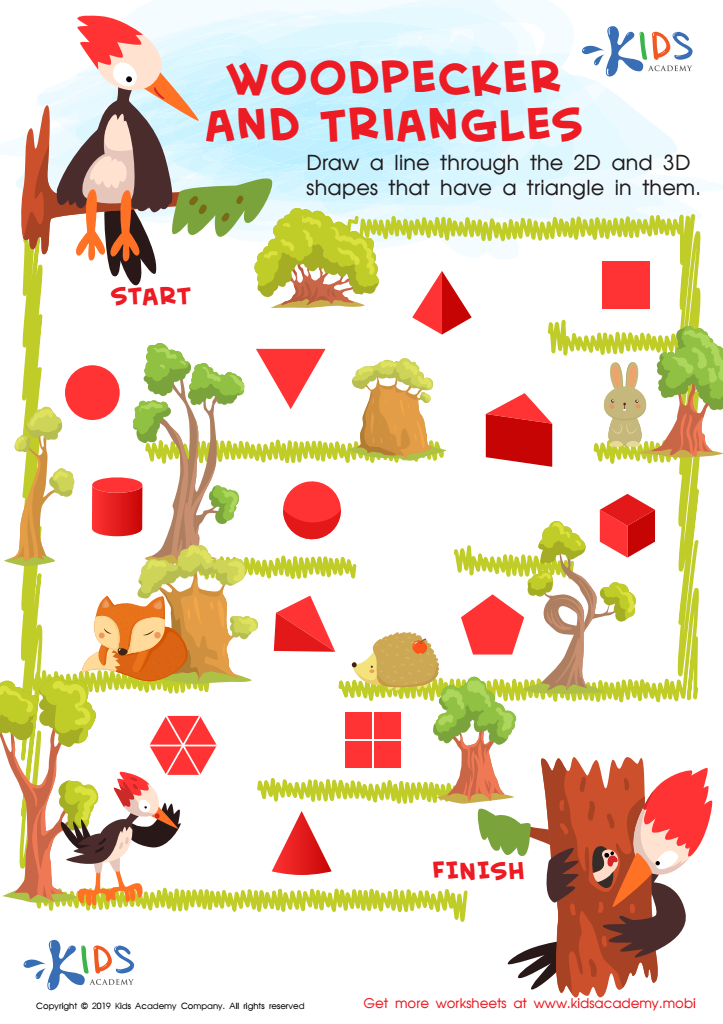
Woodpecker and Triangles Worksheet
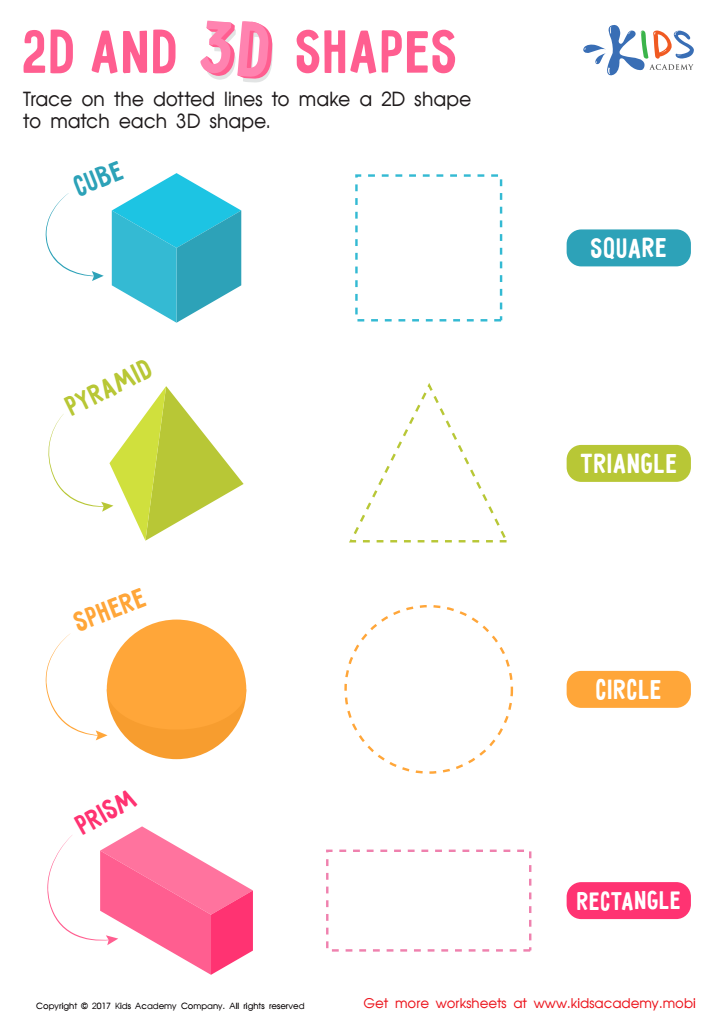
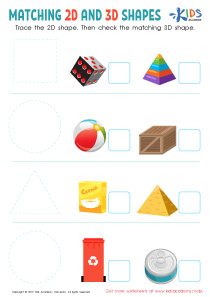
2D and 3D Shapes Worksheet
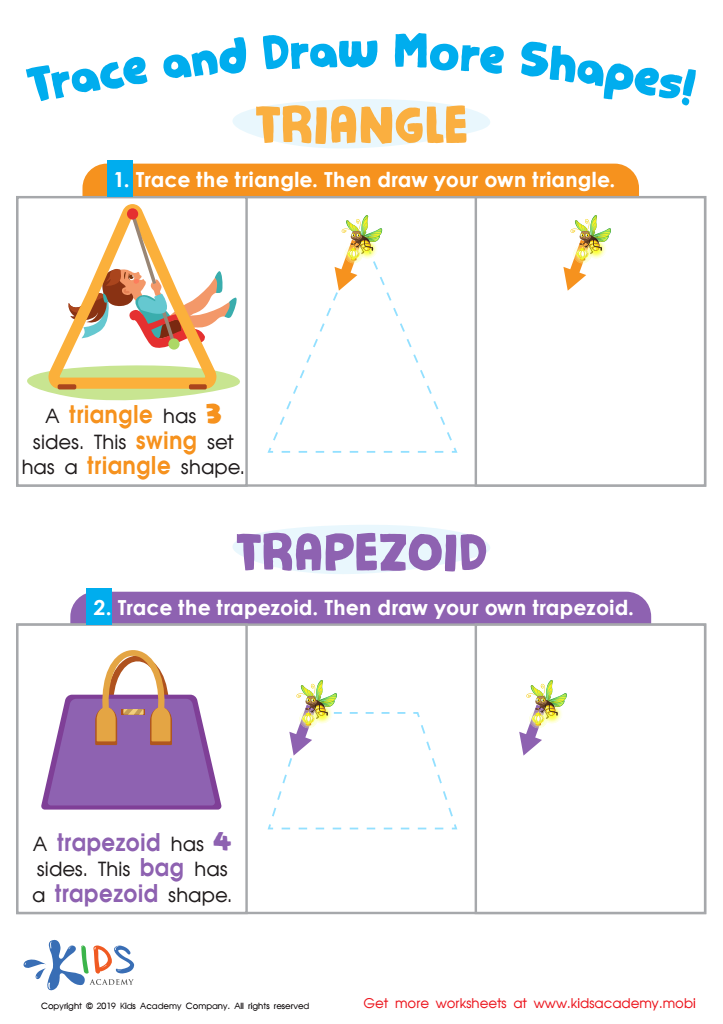
Trace and Draw More Shapes Worksheet
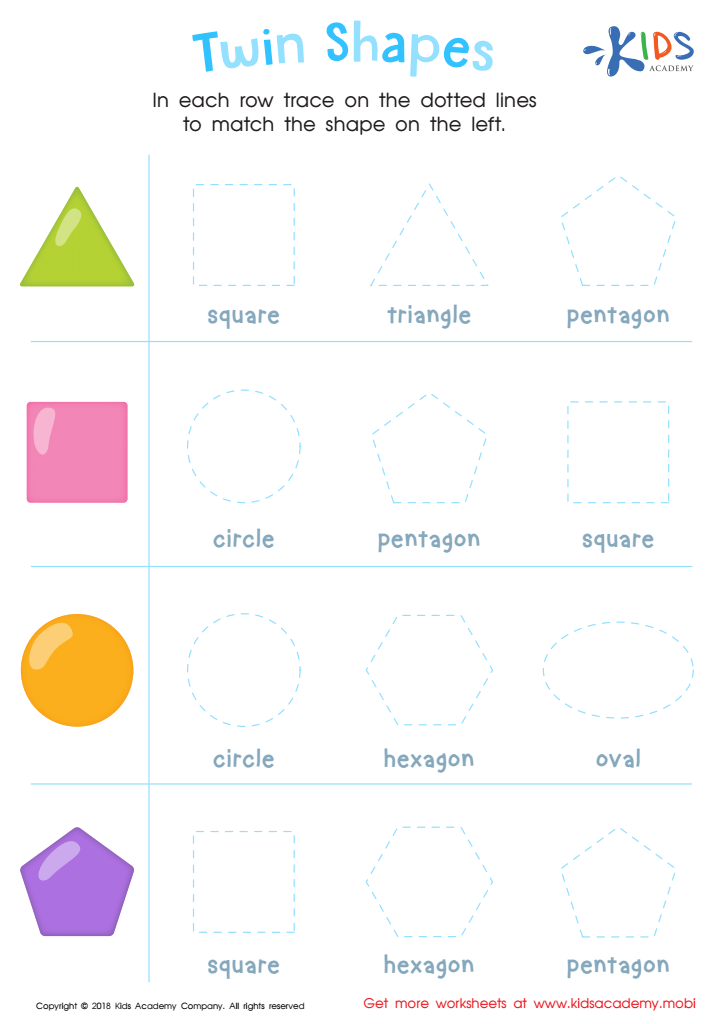
Twin Shapes Dot-to-Dot Worksheet
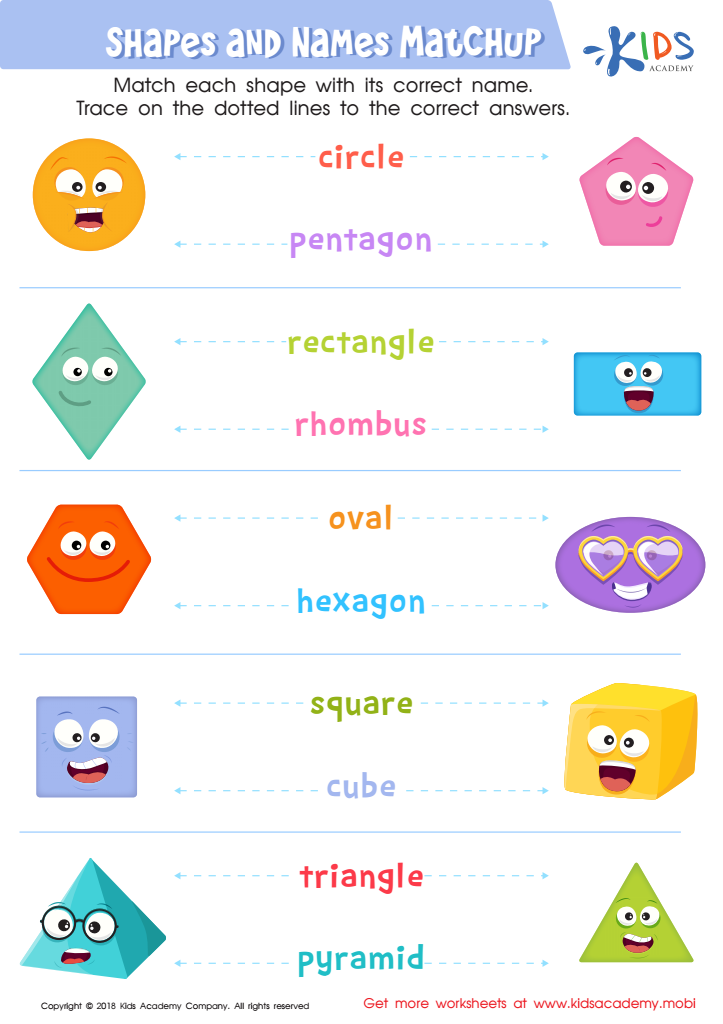
Shapes and Names Matchup Worksheet








Shape recognition forms a foundational aspect of early childhood education, crucial for both cognitive and motor development in young learners aged 5-6. Engaging students in extra challenges focused on 2D shapes elevates their understanding beyond basic identification, helping to deepen spatial awareness and geometric reasoning. Recognizing and manipulating shapes like circles, squares, and triangles enables children to comprehend the world around them, aiding in activities ranging from drawing to navigating spaces.
Moreover, shape recognition intersects with key academic subjects. In mathematics, understanding geometric shapes paves the way for grasping more complex concepts like symmetry, measurement, and fractions. In language and literacy, discussing shapes enhances vocabulary and descriptive skills. Scientific inquiries often require identifying shapes in nature or constructed environments.
Parents and teachers should care because these exercises promote critical thinking, problem-solving, and motor skills. As children manipulate and discuss shapes, they develop better hand-eye coordination and precision in tasks. Enhanced shape recognition activities prepare them for future academic challenges and practical life skills, fostering overall brain development and confidence. Investing time in shape-focused learning activities equips children with tools to understand complex concepts, ultimately supporting their success across various subjects and everyday situations.