Handwriting practice Extra Challenge Tracing Letters Worksheets for Ages 5-7
5 filtered results
-
From - To
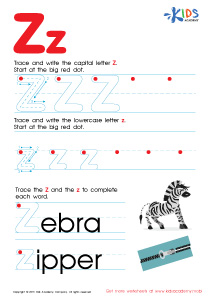
Enhance your child's handwriting skills with our "Handwriting Practice Extra Challenge Tracing Letters Worksheets" designed specifically for ages 5-7. These engaging worksheets provide a fun and effective way for young learners to refine their writing abilities while developing fine motor skills. Featuring various tracing patterns and captivating visuals, each worksheet encourages children to practice letter formation and improve their penmanship. Ideal for both classroom and home learning, these worksheets promote confidence and independence as kids tackle exciting handwriting challenges. Give your child the essential tools to excel in writing with our carefully crafted exercises that make learning enjoyable and rewarding!
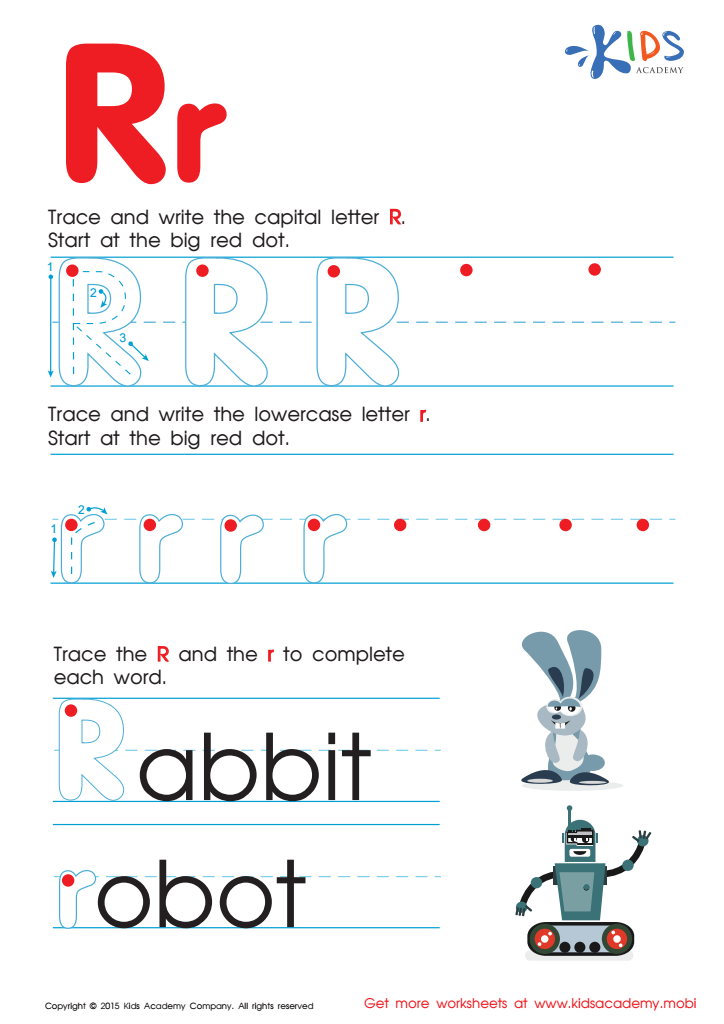
Letter R Tracing Page
 Assign to My Students
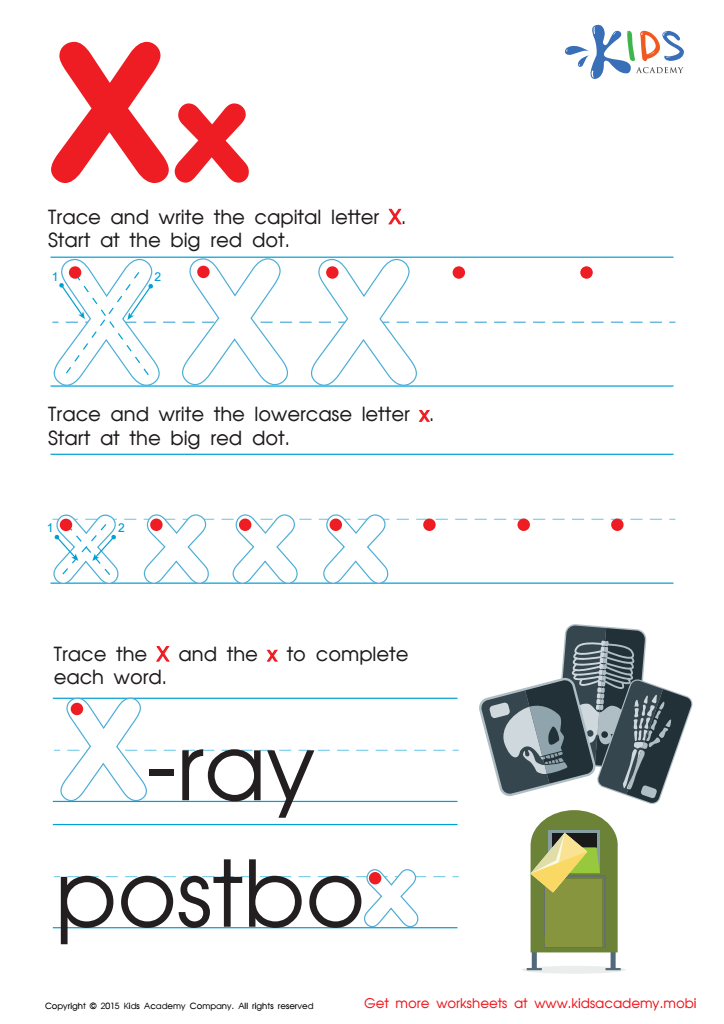
Letter X Tracing Page
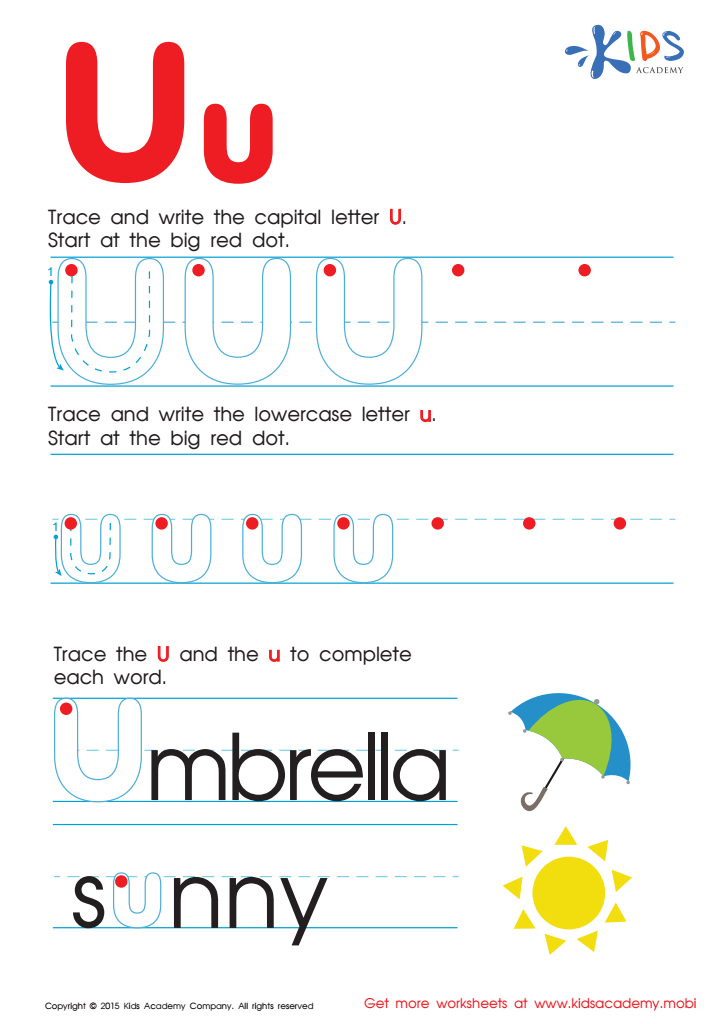
Letter U Tracing Page
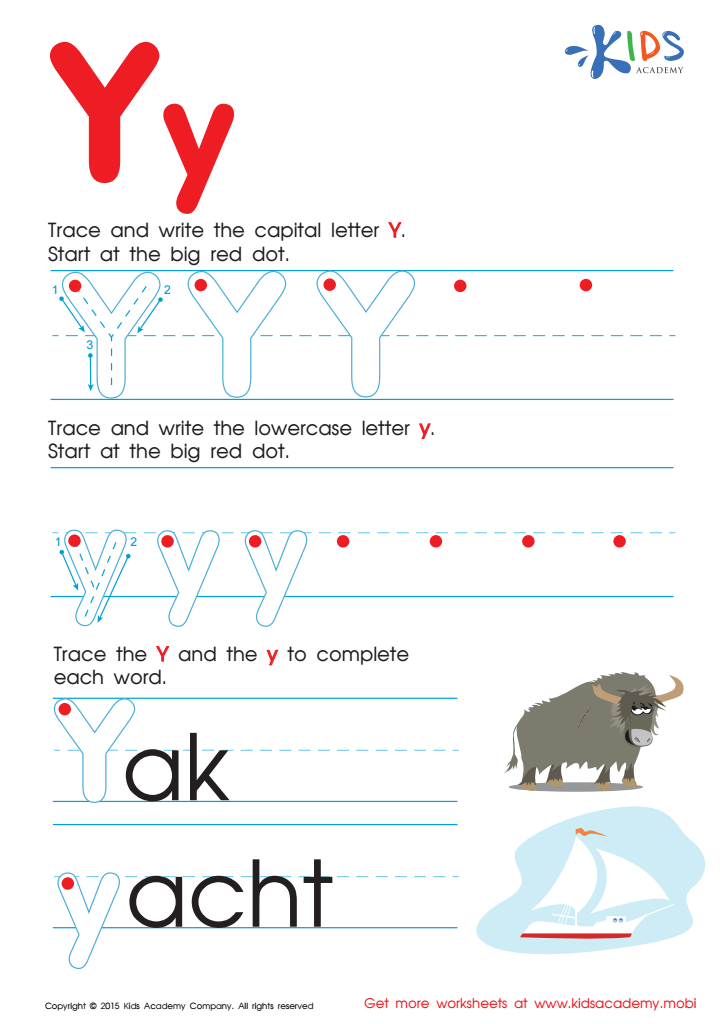
Letter Y Tracing Page
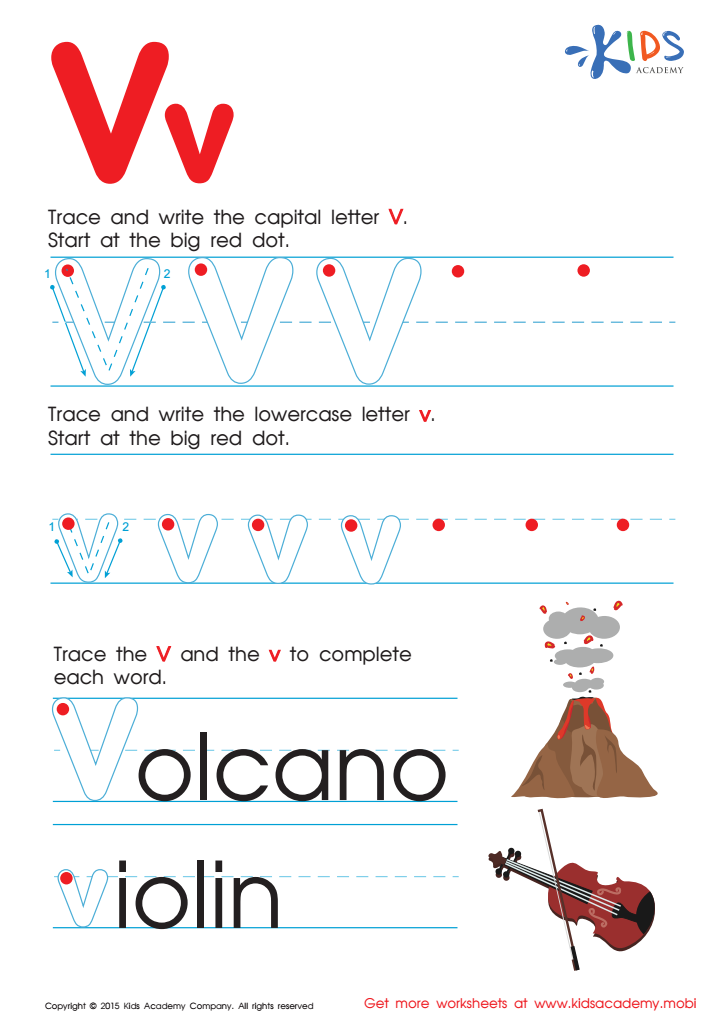
Letter V Tracing Page







Handwriting practice, particularly through activities like Extra Challenge Tracing Letters, is crucial for children aged 5-7 as it lays the foundation for their literacy development and fine motor skills. At this critical age, children are developing their grip and hand-eye coordination, which are essential for writing. Tracing letters allows them to practice the correct formation of letters while building muscle memory.
Moreover, research shows that handwriting has a significant impact on brain development, enhancing memory retention and comprehension. As children trace letters, they are also engaging in cognitive processing, which aids in language acquisition and reading readiness. This early exposure fosters good writing habits and boosts their confidence as they see tangible improvement in their skills.
Parents and teachers should care about handwriting practice not just for academic success, but for its role in nurturing a child's self-esteem. Mastering handwriting helps children communicate more effectively, as written skills are vital throughout their educational journey and beyond. Engaging and interactive tracing activities can make practice enjoyable, encouraging children to embrace challenges and persist in their learning. Ultimately, this commitment to handwriting development is instrumental in shaping well-rounded, capable learners who are prepared for future academic pursuits.