Logical thinking development Extra Challenge Worksheets for Ages 5-7
5 filtered results
-
From - To
Unlock your child's potential with our Logical Thinking Development Extra Challenge Worksheets designed for ages 5-7! These engaging worksheets provide an enriching opportunity for your little ones to enhance their reasoning and problem-solving skills. Featuring a variety of fun and age-appropriate activities, children will tackle puzzles, patterns, and critical thinking exercises that encourage creativity and cognitive growth. Each worksheet is crafted to challenge young minds while keeping learning enjoyable. Perfect for classroom use or at-home practice, our resources aid in building a strong foundation for future academic success. Start your child's logical thinking journey today!
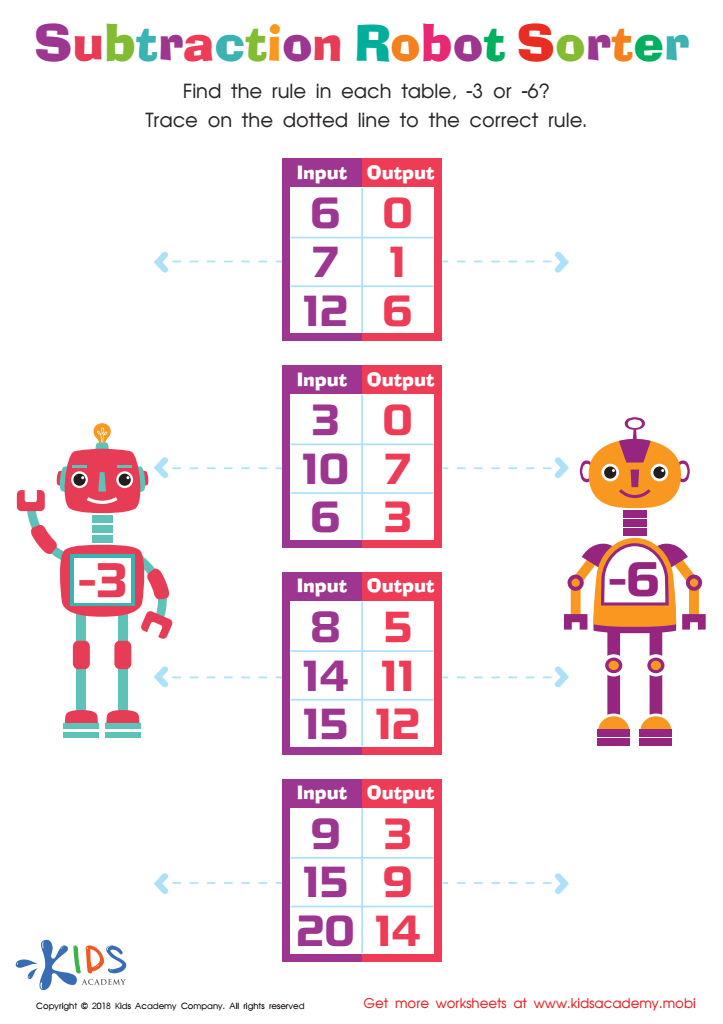
Subtraction Robot Sorter Worksheet
 Assign to My Students

Comparing Solutions Worksheet
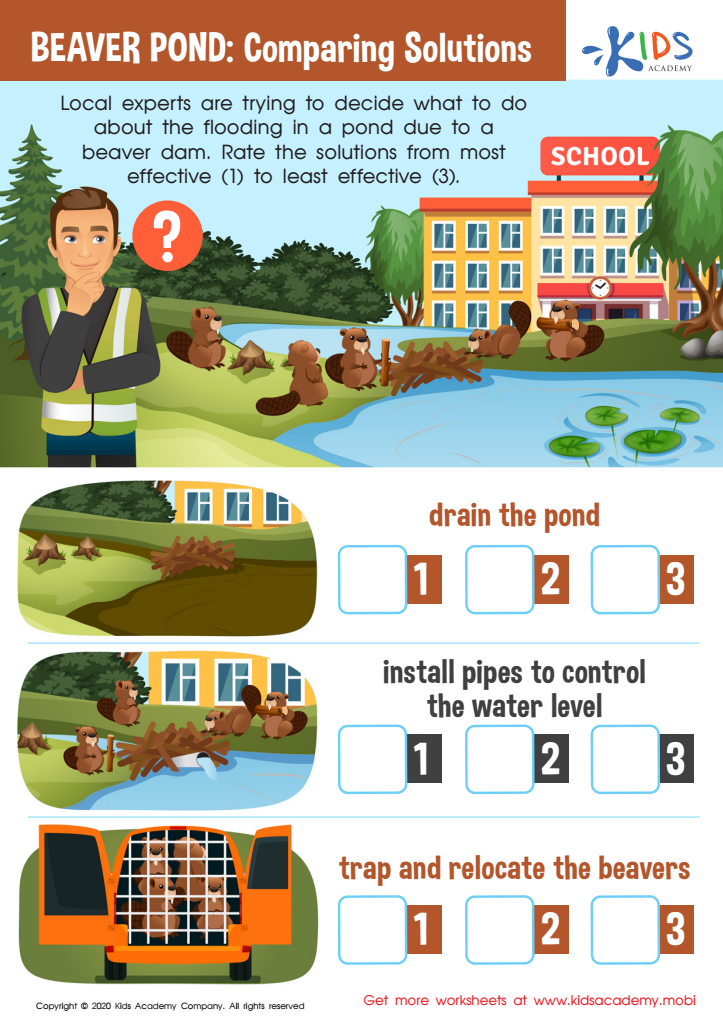
Beaver Pond: Comparing Solutions Worksheet

Math Puzzle Worksheet
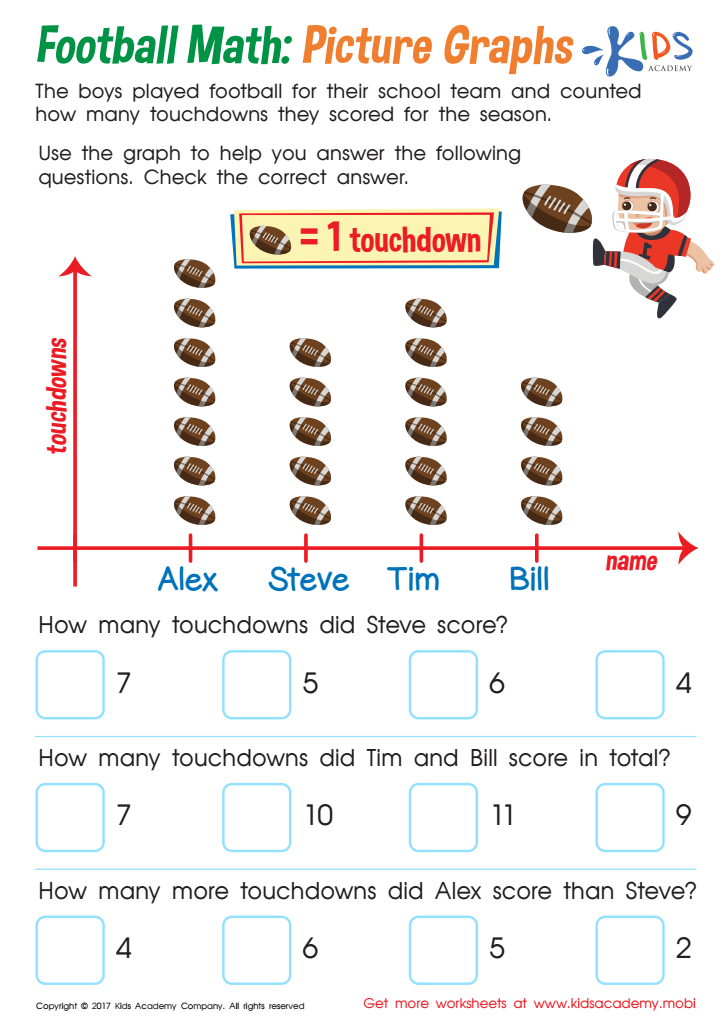
Football Math Worksheet







Logical thinking is a fundamental skill that plays a crucial role in a child's overall cognitive development. For parents and teachers of children aged 5-7, fostering this skill is essential as it forms the basis for critical thinking, problem-solving, and decision-making. Engaging in logical thinking activities—such as puzzles, brain teasers, and games—encourages children to analyze information, identify patterns, and draw conclusions. These activities not only make learning enjoyable but also boost cognitive abilities.
Additionally, logical thinking helps young learners navigate real-life situations. For instance, understanding cause and effect can aid a child in recognizing the consequences of their actions, fostering responsibility and autonomy. In academic settings, it lays the groundwork for subjects like math and science, where reasoning and analytical skills are paramount.
Encouraging logical thinking also promotes creativity, as children learn to approach problems from various angles. This skill encourages collaboration and communication when working in teams. Lastly, instilling these abilities early creates a strong foundation for lifelong learning, enabling children to adapt to new challenges academically and socially. Ultimately, parents and teachers should prioritize logical thinking development to equip children with vital skills for future success.








