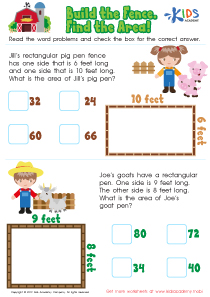
Pattern recognition Extra Challenge Matching Worksheets for Ages 5-7
3 filtered results
Difficulty Level
Grade
Age
-
From - To
Subject
Activity
Standards
Enhance your child's early math skills with our "Pattern Recognition Extra Challenge Matching Worksheets" designed for ages 5-7! Engage your young learners with these fun and interactive worksheets tailored to boost their pattern recognition abilities. Each worksheet provides a variety of matching exercises that encourage children to identify and create patterns, fostering critical thinking and problem-solving skills. With colorful illustrations and age-appropriate challenges, these resources make learning enjoyable. Perfect for classroom use or home practice, our worksheets support young minds as they develop foundational math concepts. Download now and watch your child thrive in recognizing and building patterns!
Favorites
With answer key
Interactive
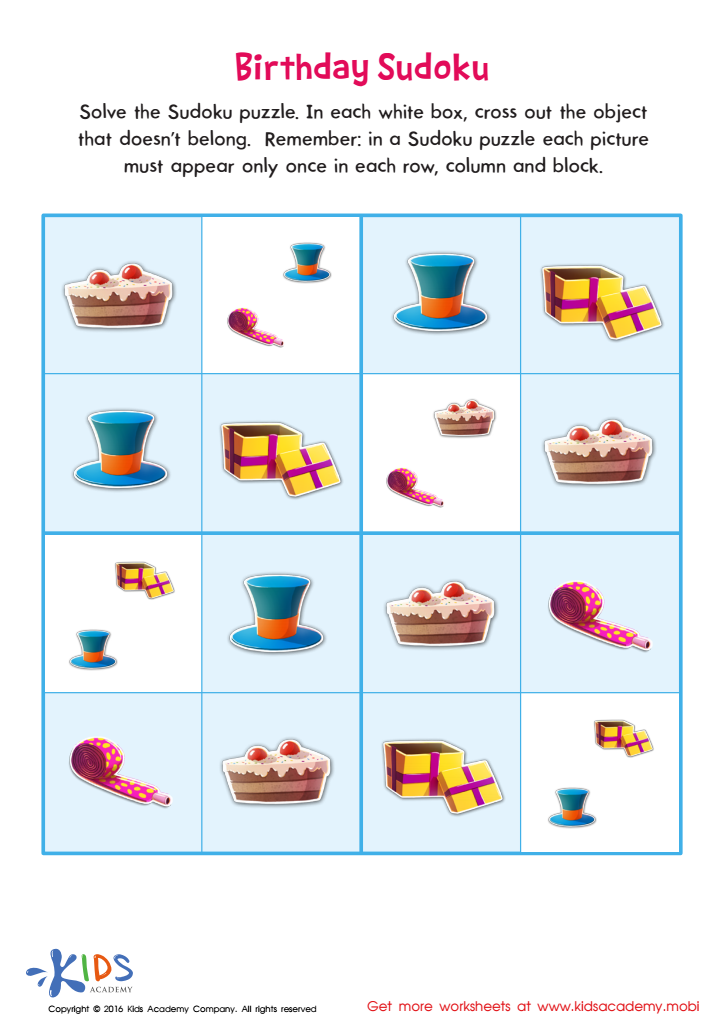
Birthday Sudoku Sorting Worksheet
With this Sudoku printable, your child will have fun and strengthen their problem-solving skills.
 Assign to My Students
Birthday Sudoku Sorting Worksheet
Worksheet
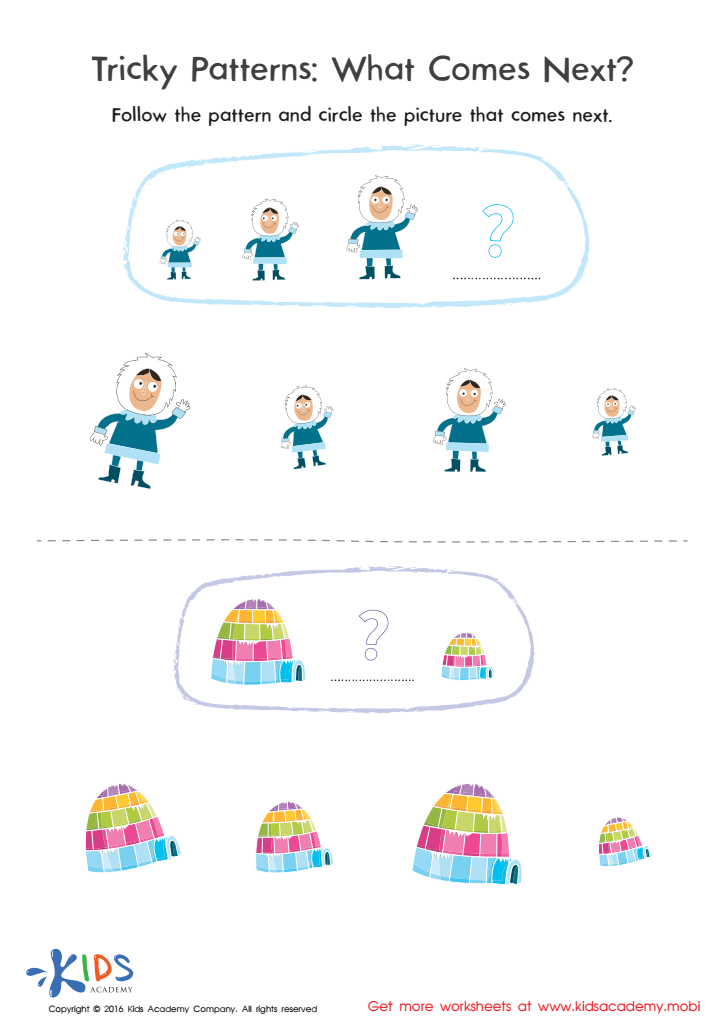
Tricky Patterns Size Worksheet
Give your child a head start on critical thinking with this picture pattern worksheet! It's an intriguingly fun way to help them master important skills like spatial reasoning, critical thinking, and logical reasoning. They'll differentiate between shapes, complete the pattern with a logical answer, and look for and understand patterns. It's the perfect foundation for future math skills, setting them up for future success!
Tricky Patterns Size Worksheet
Worksheet
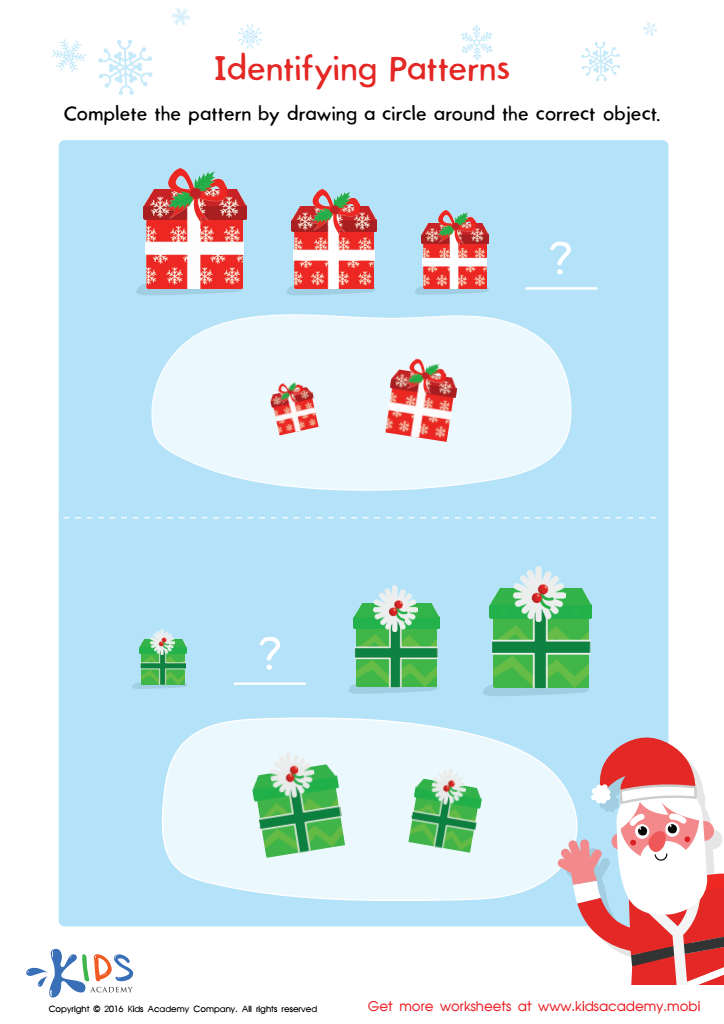
Identifying Patterns Worksheet
Kids can have fun as they learn with this festive worksheet! They'll practice early math skills while identifying patterns with colorful Christmas presents. Have your child get ready for the holidays by finding out which box comes next in the pattern!
Identifying Patterns Worksheet
Worksheet
Join Kids Academy for Free
Who is primarily going to use this learning content?






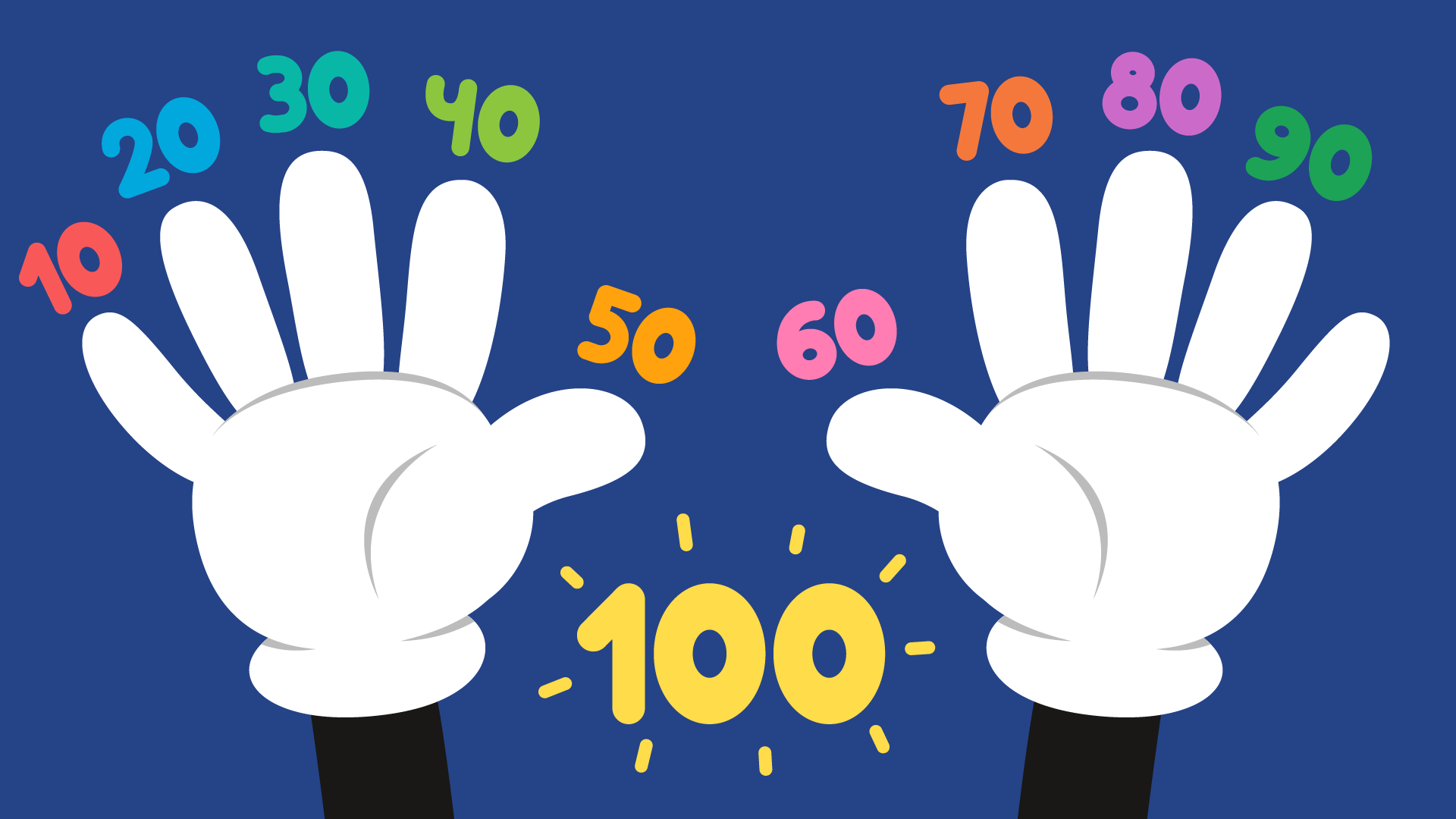

Pattern recognition is a fundamental cognitive skill that plays a critical role in a child's overall cognitive development. For children aged 5-7, engaging with challenges like "Pattern Recognition Extra Challenge Matching" can be especially beneficial. This practice not only helps children observe and understand relationships between different elements, but it also enhances their ability to solve problems, think critically, and recognize sequences in everyday scenarios.
When parents and teachers prioritize activities like this, they nurture essential skills that lay the groundwork for mathematical understanding, scientific reasoning, and even language development. Recognizing patterns helps children make sense of their environment, encouraging them to predict outcomes and draw conclusions based on past experiences.
Furthermore, this type of challenge fosters valuable social skills as children often engage in collaborative play. Exploring patterns together can spark discussions and promote teamwork, allowing kids to express their thought processes confidently.
Ultimately, incorporating pattern recognition into early learning not only makes education fun but also equips children with tools to thrive academically and socially as they progress through their educational journey. By caring about these activities, parents and educators can help cultivate a strong foundation for lifelong learning and curiosity.