Extra Challenge Life Science Worksheets for Ages 5-7
5 filtered results
-
From - To
Explore our "Extra Challenge Life Science Worksheets for Ages 5-7" designed to spark curiosity and deepen understanding in young learners. These engaging worksheets cover a variety of life science topics, including plants, animals, and ecosystems, intended to challenge and encourage critical thinking in kids. Perfect for both classroom use and at-home enrichment, our resources support the broader curriculum while fostering a love for science. Each worksheet is thoughtfully created to be both educational and fun, ensuring children remain interested and motivated in their learning journey. Discover new ways to make science exciting with our enriching worksheets!
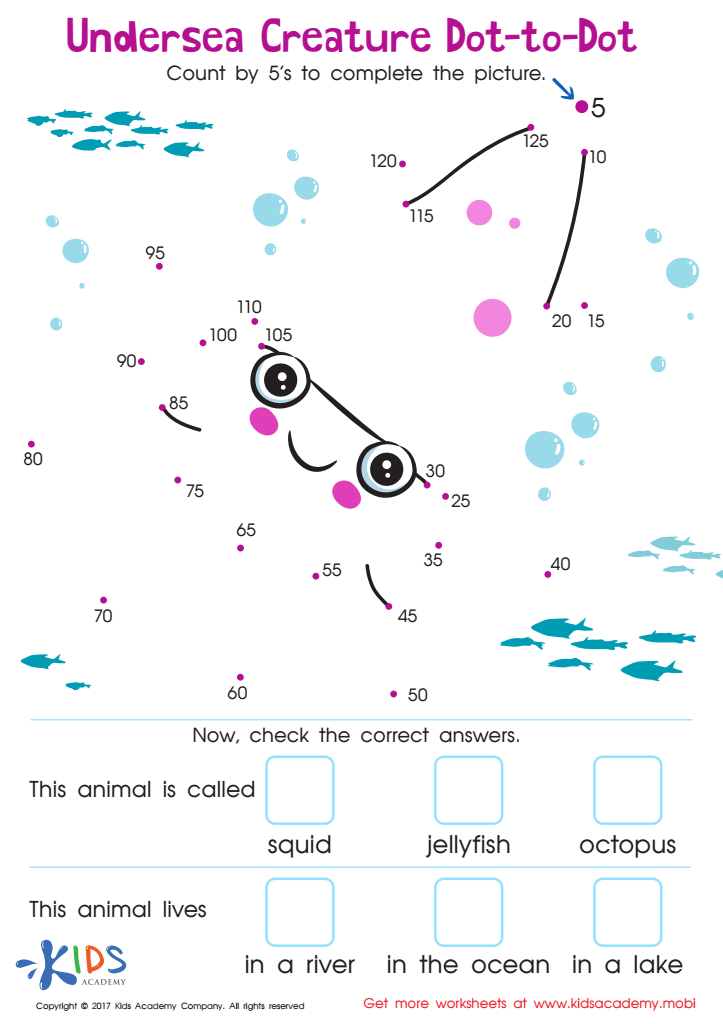
Undersea: Dot To Dot Worksheet
 Assign to My Students
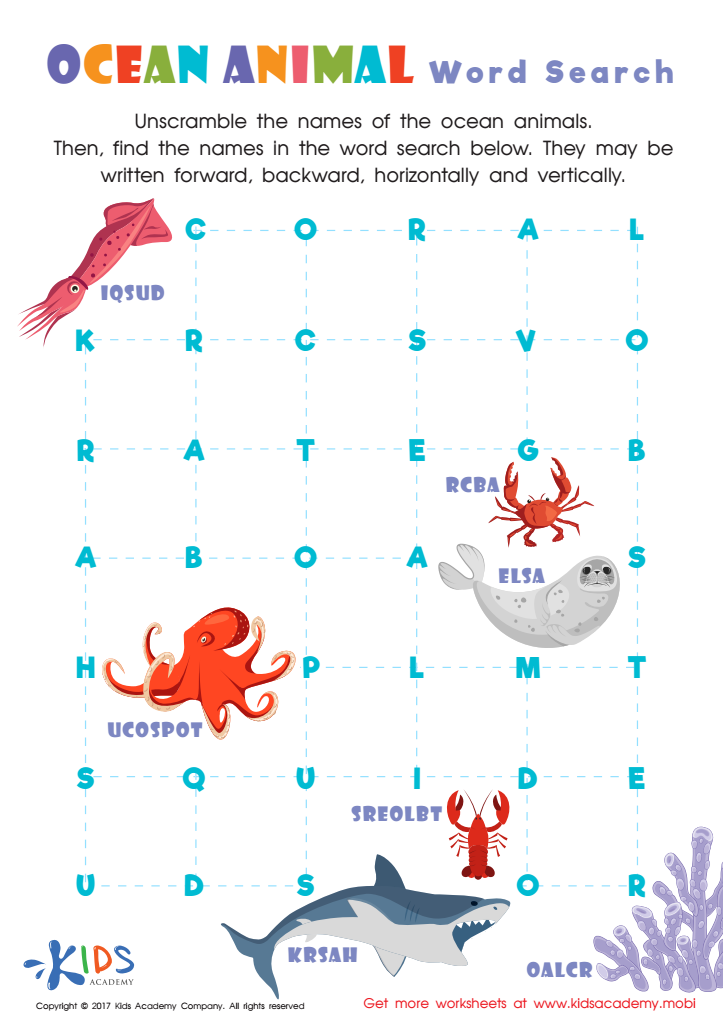
Ocean Animals Word Search Printable
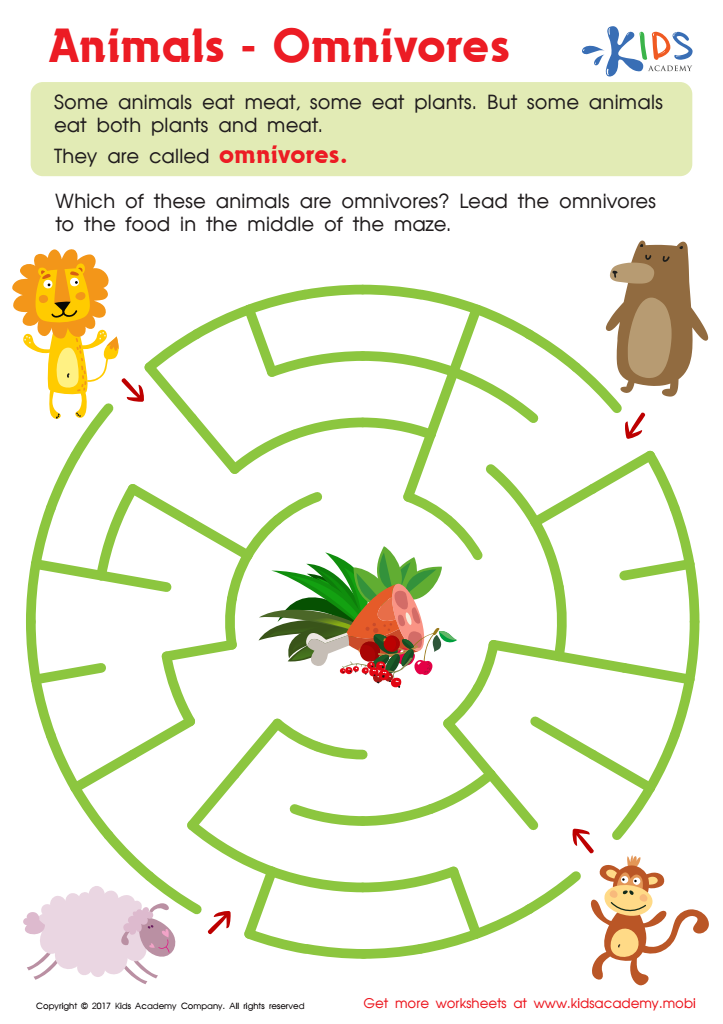
Omnivores Animals Worksheet
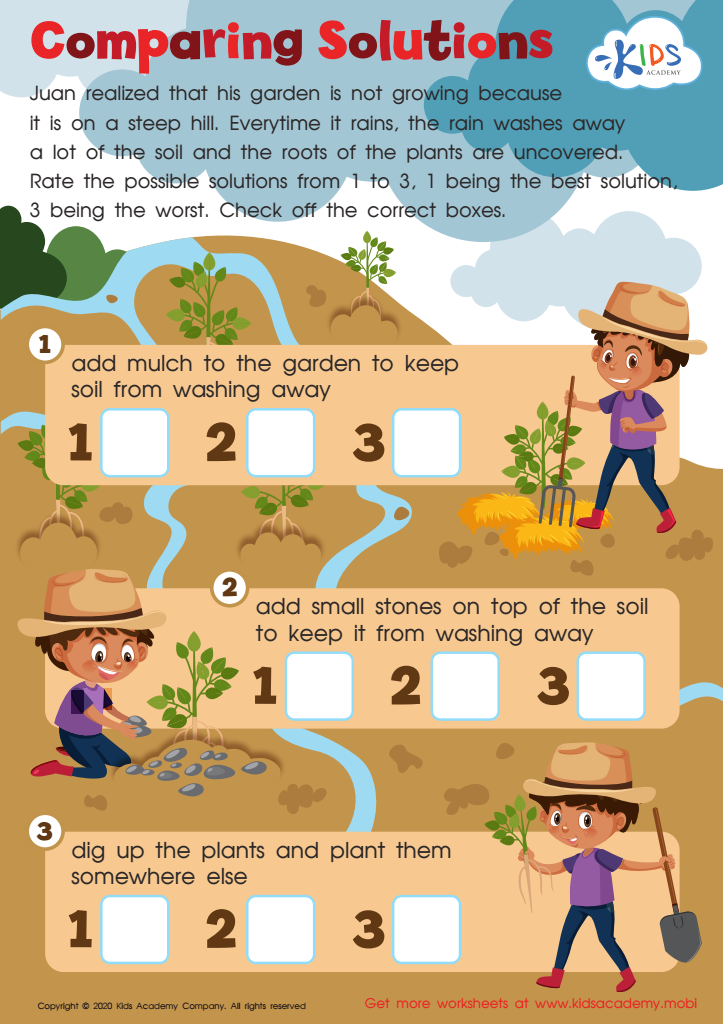
Comparing Solutions Worksheet
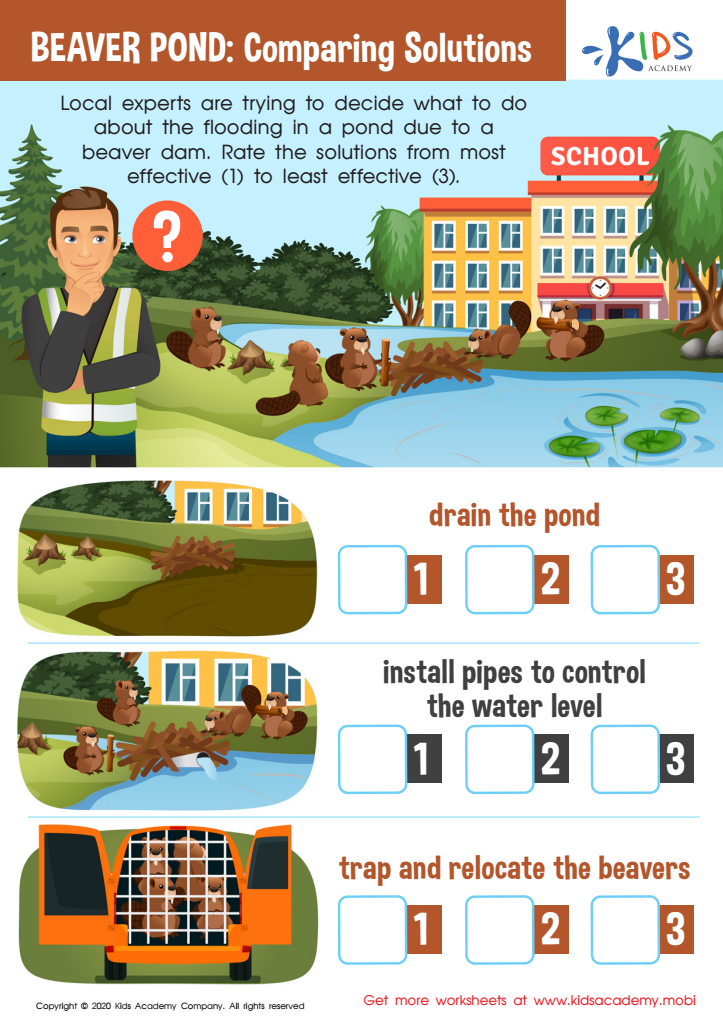
Beaver Pond: Comparing Solutions Worksheet







Parents and teachers should care about providing extra challenges in life science to children aged 5-7 because it fosters a love for learning and nurtures critical thinking skills at a pivotal stage in a child’s development. Early exposure to life science topics, delivered through age-appropriate challenges, taps into children's natural curiosity about the world around them. It allows them to explore, experiment, and ask questions, laying a solid foundation for scientific literacy.
Offering extra challenges keeps young minds engaged and motivated, helping them develop problem-solving abilities and enhancing cognitive skills like observation and analysis. These activities can make learning interactive and enjoyable, sparking a lifelong passion for science. Moreover, fine-tuning these skills early on can prepare children for more advanced scientific concepts, giving them a head start in the increasingly STEM-focused educational landscape.
For teachers and parents, facilitating an enriched learning environment that includes life science challenges means actively participating in a child's intellectual growth. It can strengthen parent-child and teacher-student relationships through collaborative learning opportunities, where discoveries can be discussed and celebrated together. By prioritizing these extra challenges, adults are essentially supporting the development of well-rounded, inquisitive, and capable future problem-solvers, ready to understand and potentially impact the world in meaningful ways.