Critical thinking development Extra Challenge Worksheets for Ages 5-8
6 filtered results
-
From - To
Elevate your child's cognitive skills with our "Critical Thinking Development Extra Challenge Worksheets" designed for ages 5-8! These engaging worksheets foster problem-solving abilities and enhance logical reasoning through fun and interactive activities. With a variety of exercises tailored to different skill levels, children will enjoy tackling brain teasers, puzzles, and scenarios that promote creative thinking. Ideal for parents and educators alike, these extra challenges not only make learning enjoyable but also reinforce essential thinking skills needed for future academic success. Start your child's critical thinking journey today and watch them thrive as they uncover new ways to engage with information!
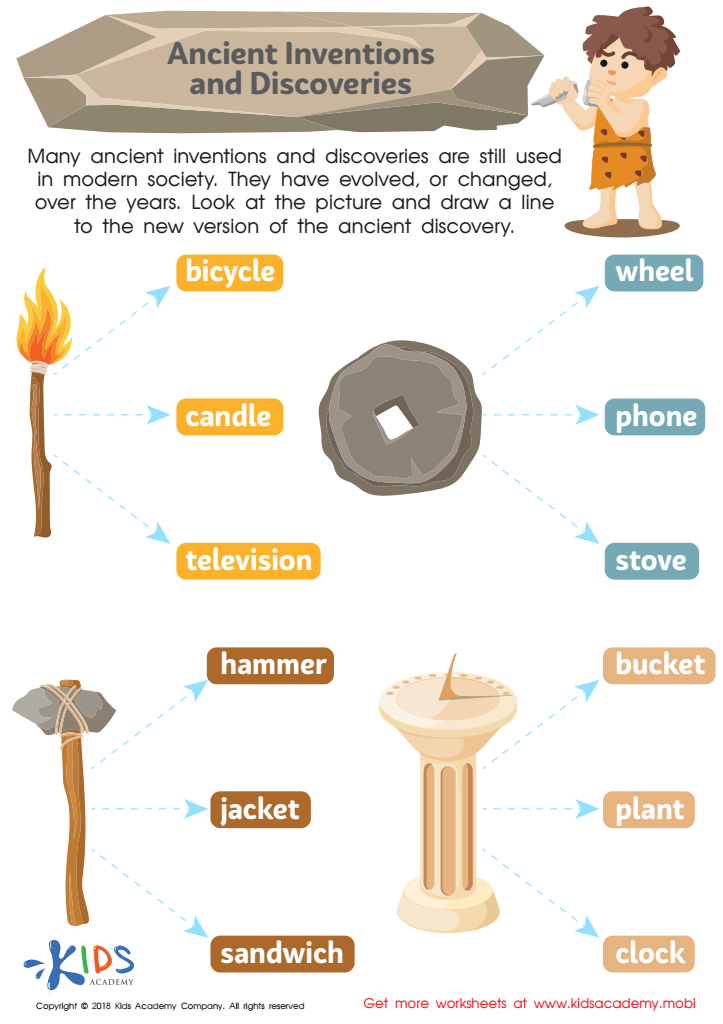
Ancient Inventions and Discoveries Worksheet
 Assign to My Students
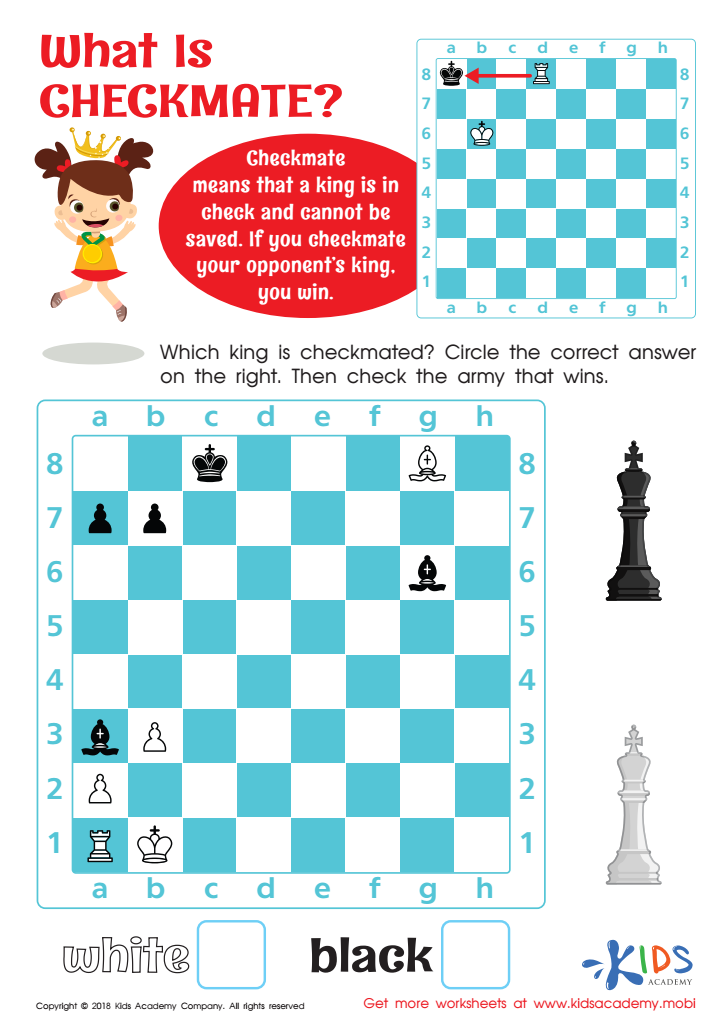
What is Checkmate? Worksheet

Fact or Make Believe Worksheet
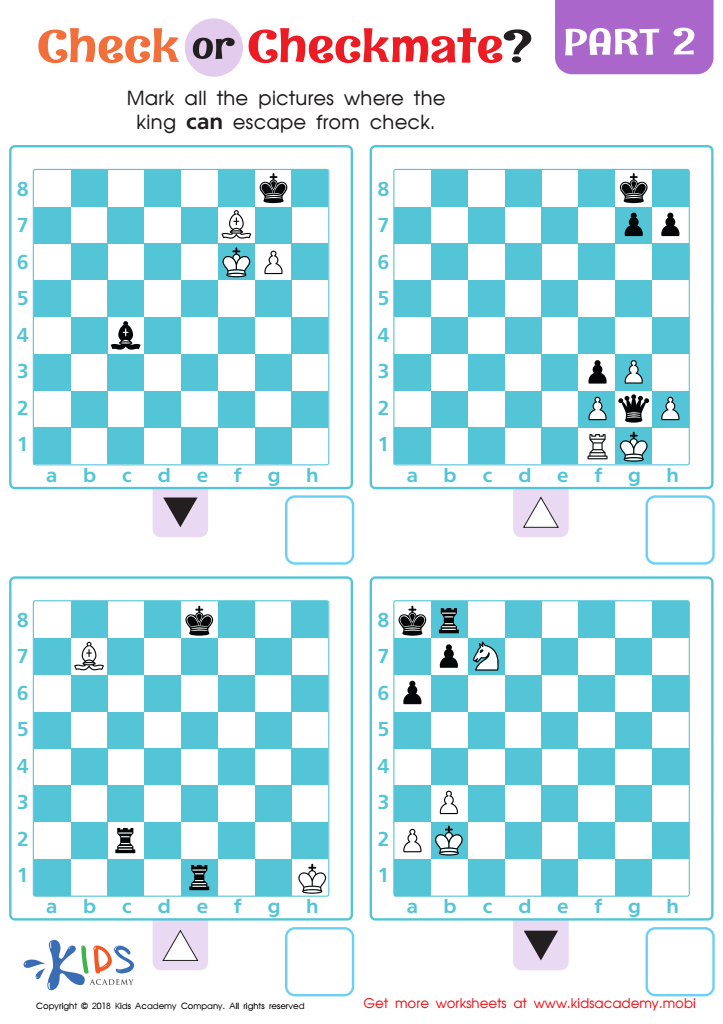
Check or Checkmate: Part 2 Worksheet
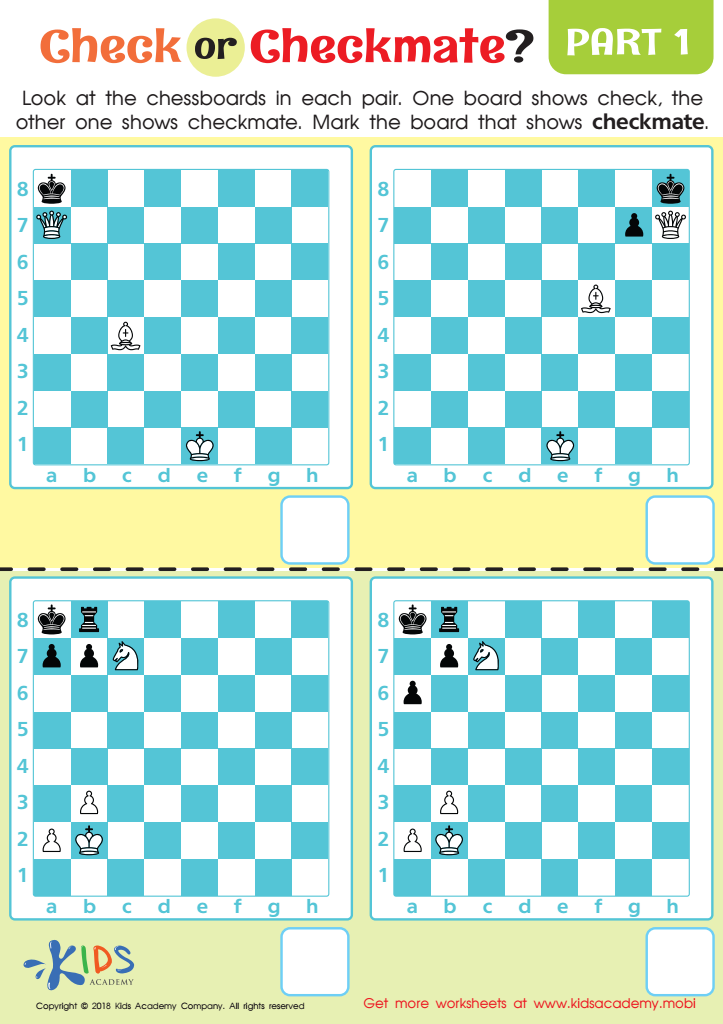
Check or Checkmate: Part 1 Worksheet
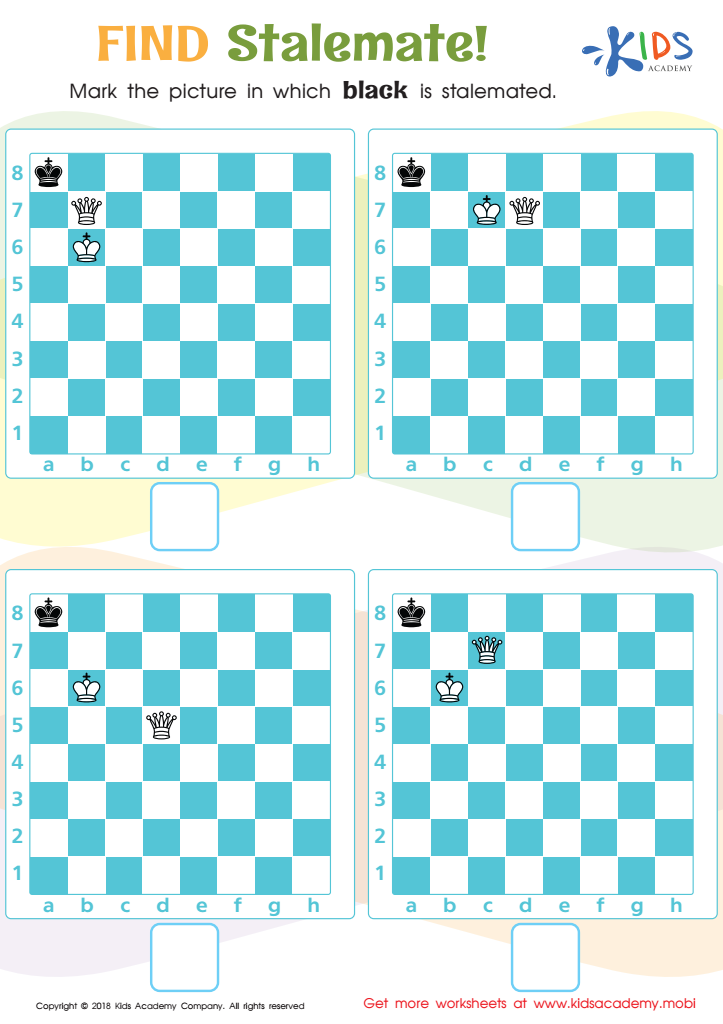
Find Stalemate! Worksheet








Critical thinking development is crucial for children ages 5-8 as it lays the foundation for lifelong learning and problem-solving skills. At this pivotal age, children are naturally curious, and fostering their ability to think critically can significantly enhance their understanding of the world around them. By encouraging children to ask questions, analyze situations, and explore different viewpoints, parents and teachers can promote independent learning and adaptability.
Critical thinking helps children to navigate challenges more effectively. It empowers them to assess situations, make informed decisions, and resolve conflicts. In today’s fast-paced information environment, the ability to think critically is vital, as children are exposed to a plethora of information—from social media to news outlets—and must discern credible sources.
Moreover, critical thinking nurtures creativity, enabling children to develop innovative solutions to problems. Parents and teachers who stimulate this skill encourage a deeper engagement with content, making learning more meaningful and enjoyable.
Incorporating activities such as problem-solving games, open-ended discussions, and hands-on projects can provide a solid framework for critical thinking development. By investing time in this developmental area, adults significantly contribute to a child's future academic success and personal growth, setting them up for thriving opportunities down the road.








