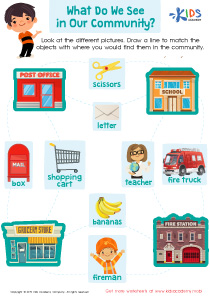
Understanding patterns Extra Challenge Math Worksheets for Ages 5-8
7 filtered results
-
From - To
Unlock your child's potential with our "Understanding Patterns Extra Challenge Math Worksheets for Ages 5-8"! These expertly designed worksheets elevate pattern recognition and critical thinking skills. Each activity offers stimulating challenges, perfect for young learners ready to go beyond basic patterns. Bursting with colorful, engaging exercises, these worksheets make learning fun while strengthening essential math foundations. Suitable for home or classroom use, they're an ideal resource for teachers and parents. Help your child develop a deeper understanding of sequences and boost their confidence in math. Dive into an enjoyable and enriching learning adventure today!
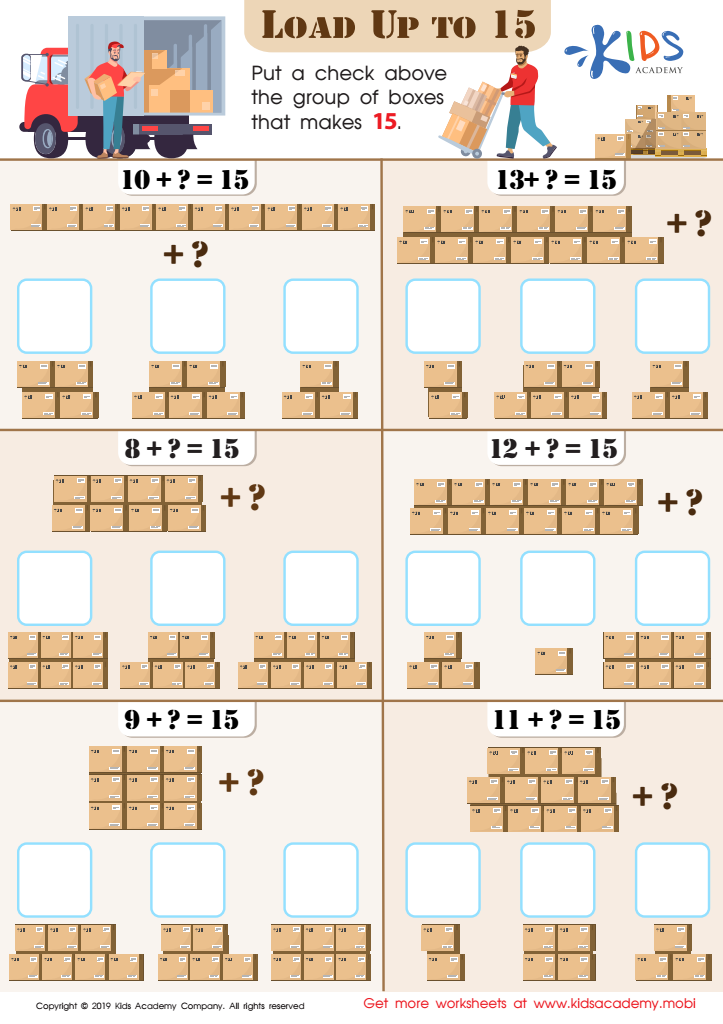
Load up to 15 Worksheet
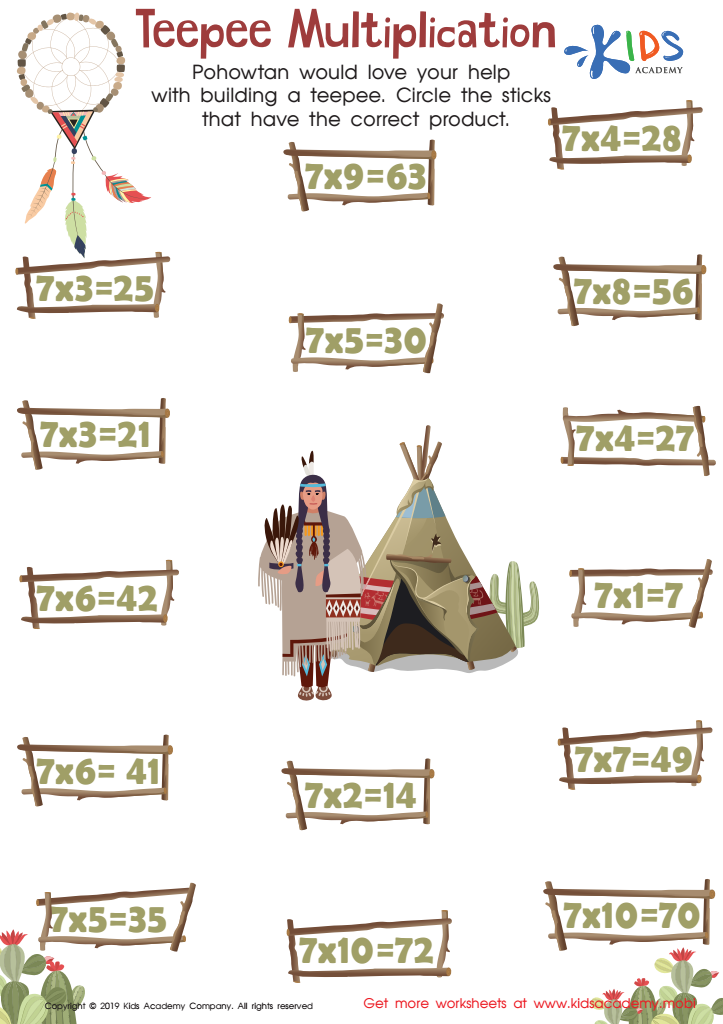
Teepee Multiplication Worksheet
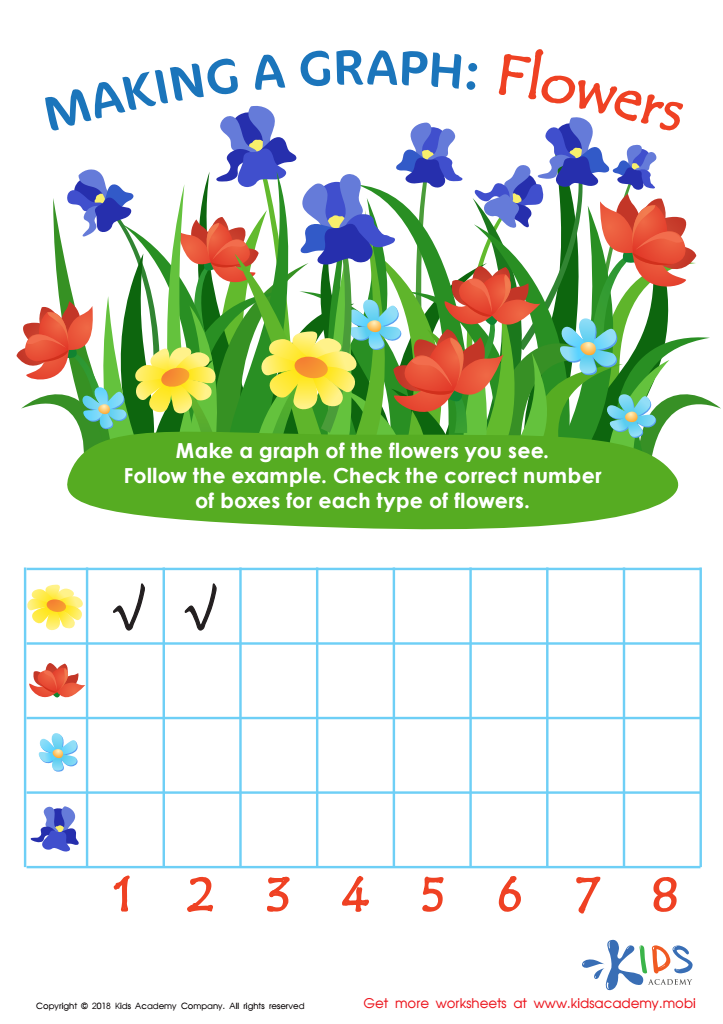
Making a Graph: Flowers Worksheet
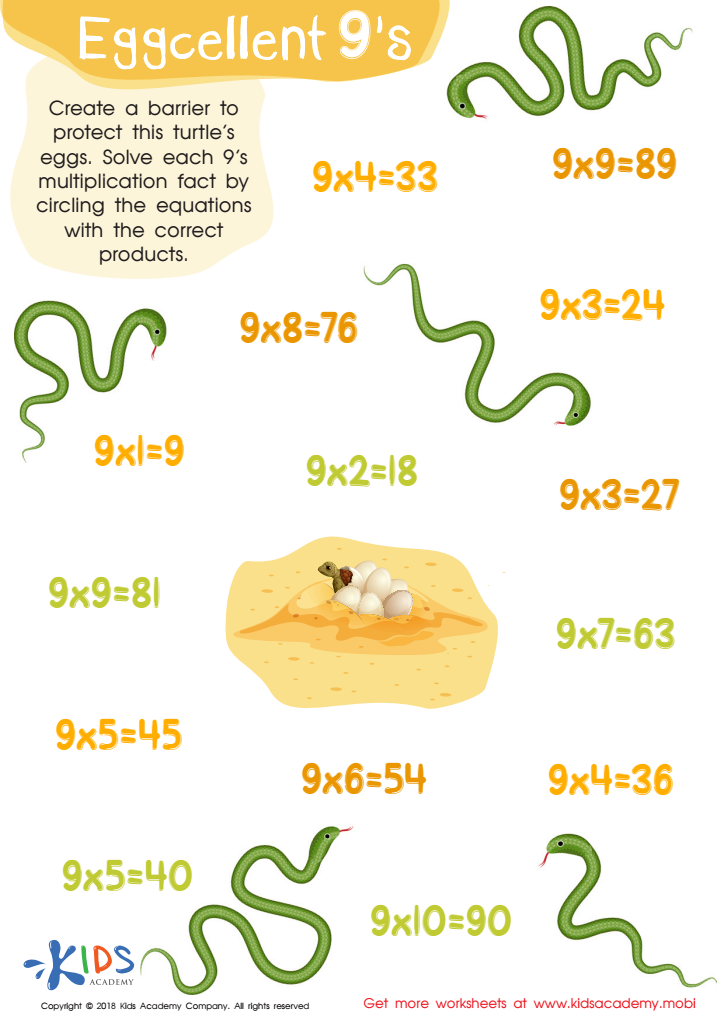
Eggcellent 9’s Worksheet
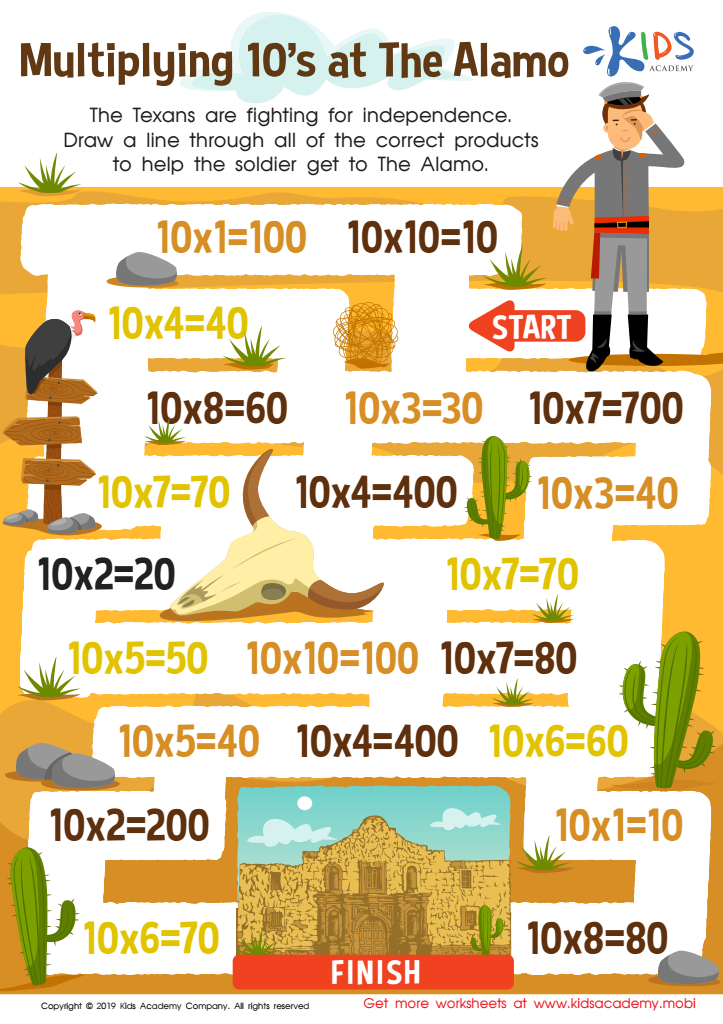
Multiplying 10’s at The Alamo Worksheet
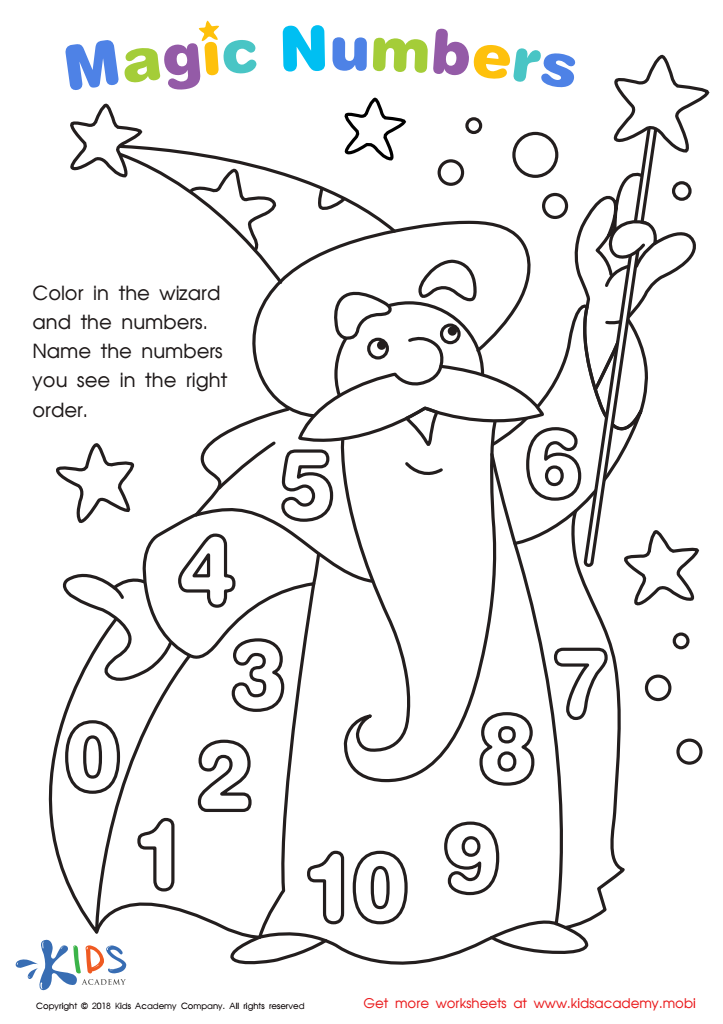
Magic Numbers Worksheet
 Assign to My Students
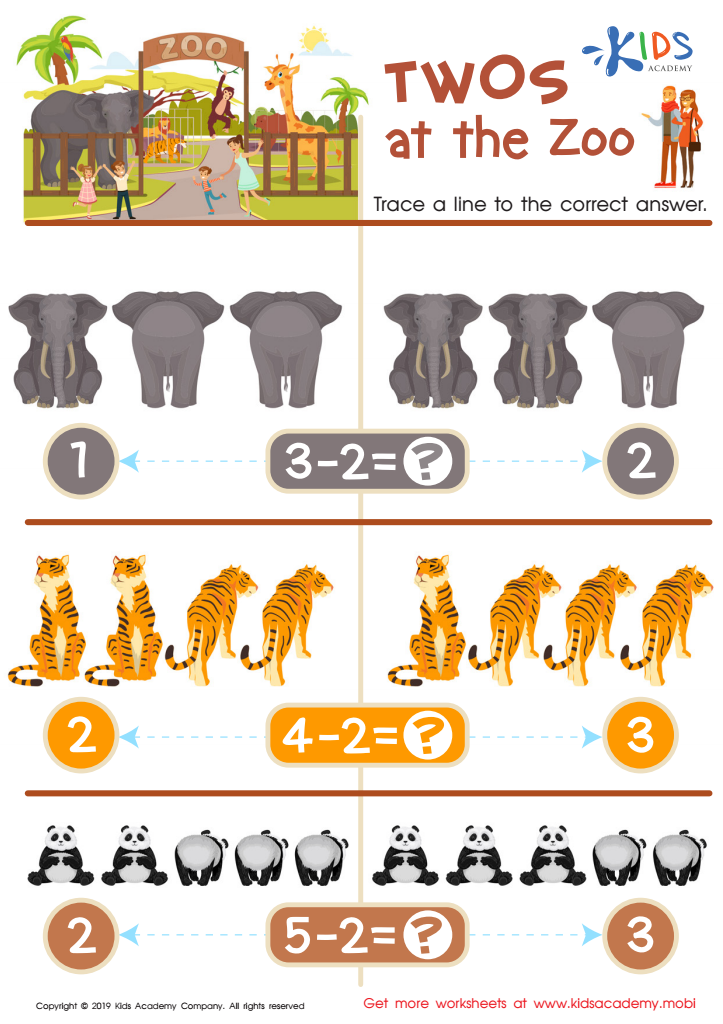
Twos at the Zoo Worksheet








Understanding patterns is foundational for young children because it forms the basis for critical thinking, problem-solving, and mathematical reasoning later in life. For children aged 5-8, engaging with extra challenge math problems that focus on patterns is especially beneficial. Here’s why parents and teachers should take an interest:
Patterns are everywhere—in math, language, nature, and daily routines. Recognizing and understanding patterns boost children’s cognitive development by helping them make predictions, understand sequences, and grasp abstract concepts more easily. This, in turn, aids their overall academic growth.
When children face extra challenge math activities involving patterns, they learn perseverance and adaptability. These challenges encourage kids to think creatively and discover multiple solutions. An enhanced understanding nurtures their confidence and curiosity to explore more complex mathematical ideas like algebra, which is essentially about recognizing patterns and relationships between numbers and operations.
Moreover, identifying patterns improves memory and concentration. Breaking down repeated elements requires attention to detail, which can lead to better focus and improved learning in other subjects.
By supporting children in these explorations, parents and teachers foster a love for learning and equip children with essential skills that will serve them well for future academic pursuits and real-world problem-solving scenarios.