Understanding patterns Extra Challenge Worksheets for Ages 5-9
7 filtered results
-
From - To
"Understanding Patterns Extra Challenge Worksheets for Ages 5-9" offer an engaging way for young learners to enhance their problem-solving abilities through pattern recognition. Designed by education experts, these worksheets provide more than just fun activities—they help develop critical thinking and mathematical skills. Perfect for kids aged 5-9, each sheet presents unique challenges that go beyond basic patterns to stimulate young minds and nurture their cognitive growth. Ideal for both classroom settings and at-home practice, these worksheets support academic success and foster a love for learning. Unlock your child's potential with these enriching exercises!
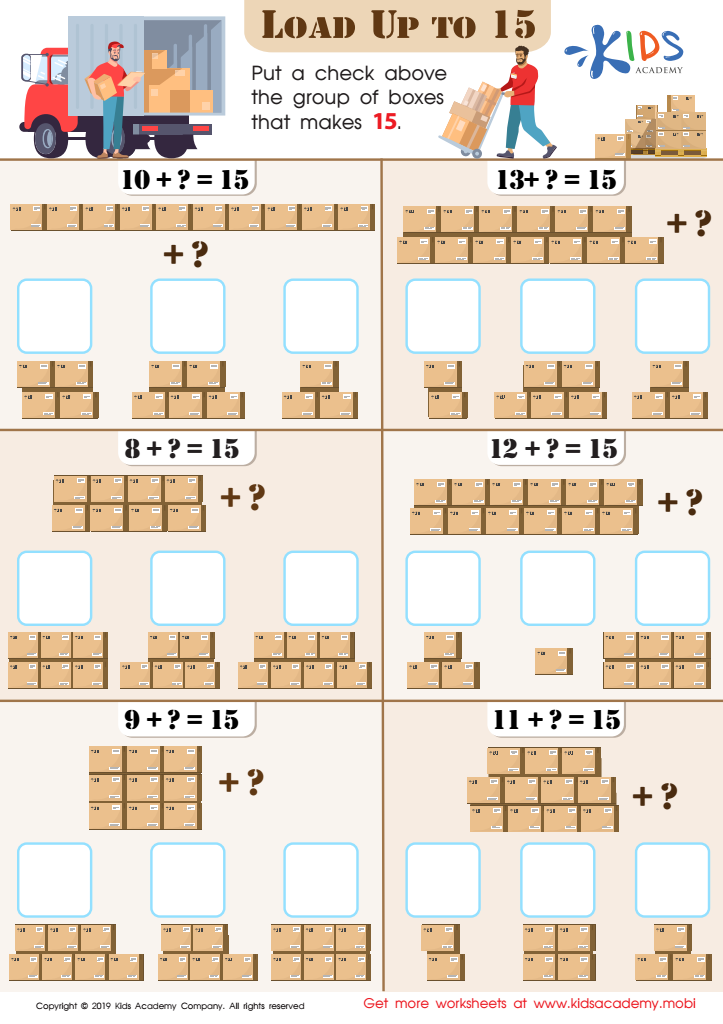
Load up to 15 Worksheet
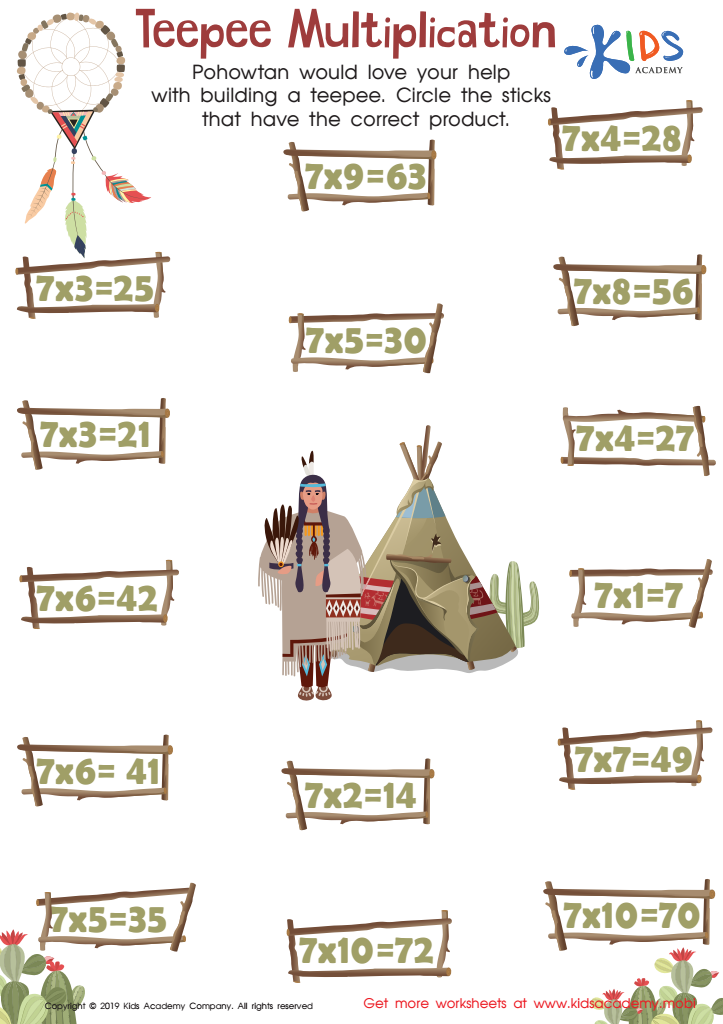
Teepee Multiplication Worksheet
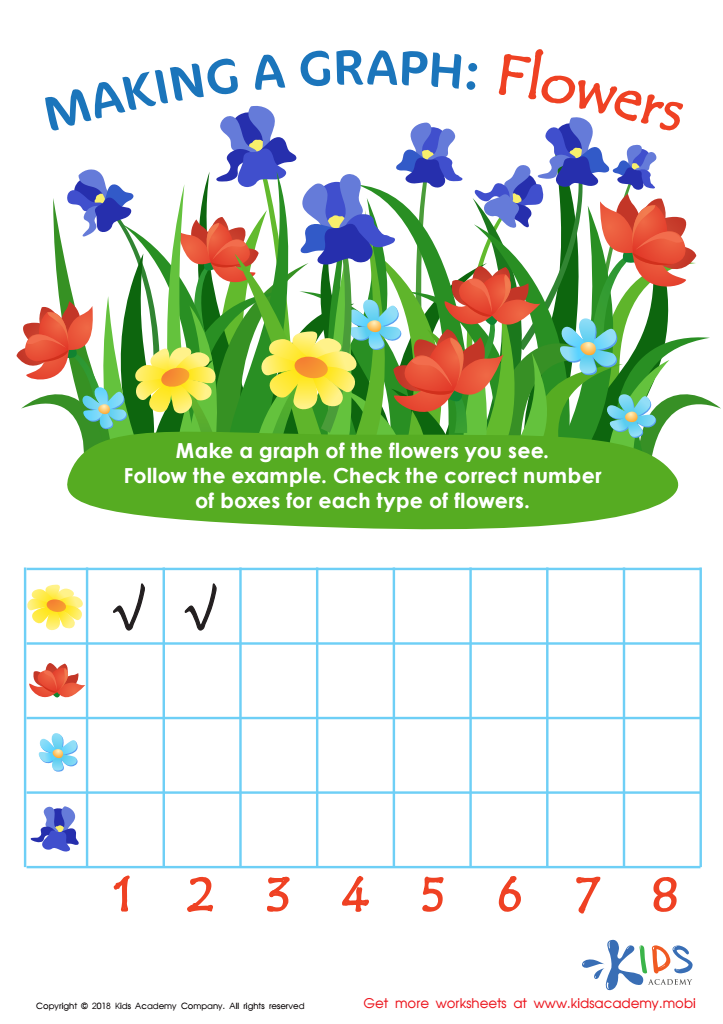
Making a Graph: Flowers Worksheet
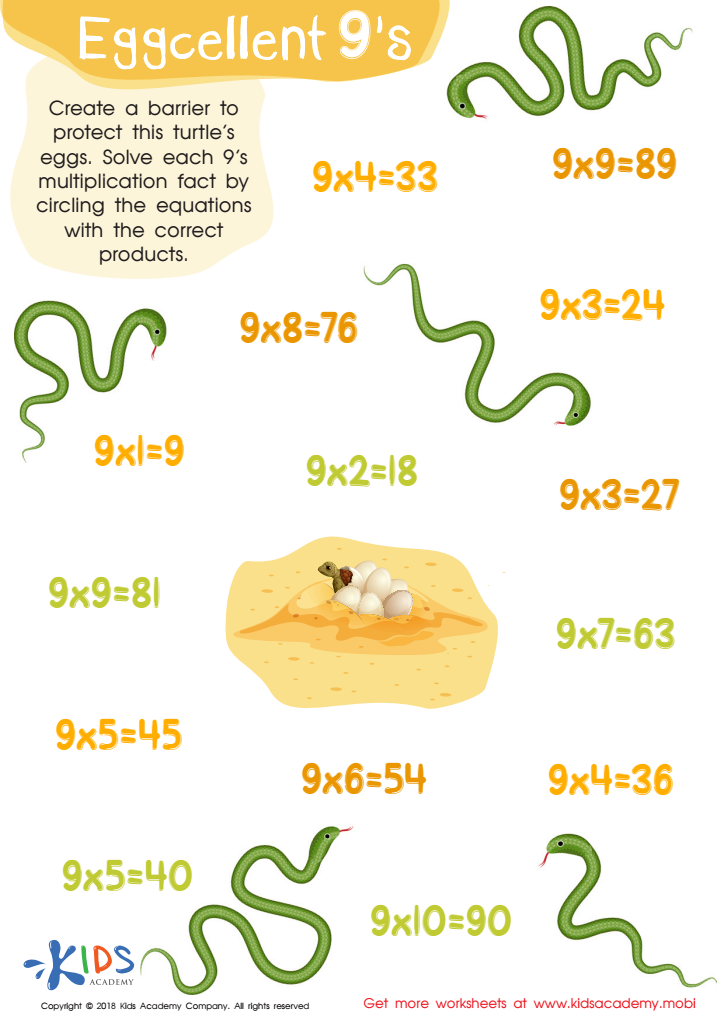
Eggcellent 9’s Worksheet
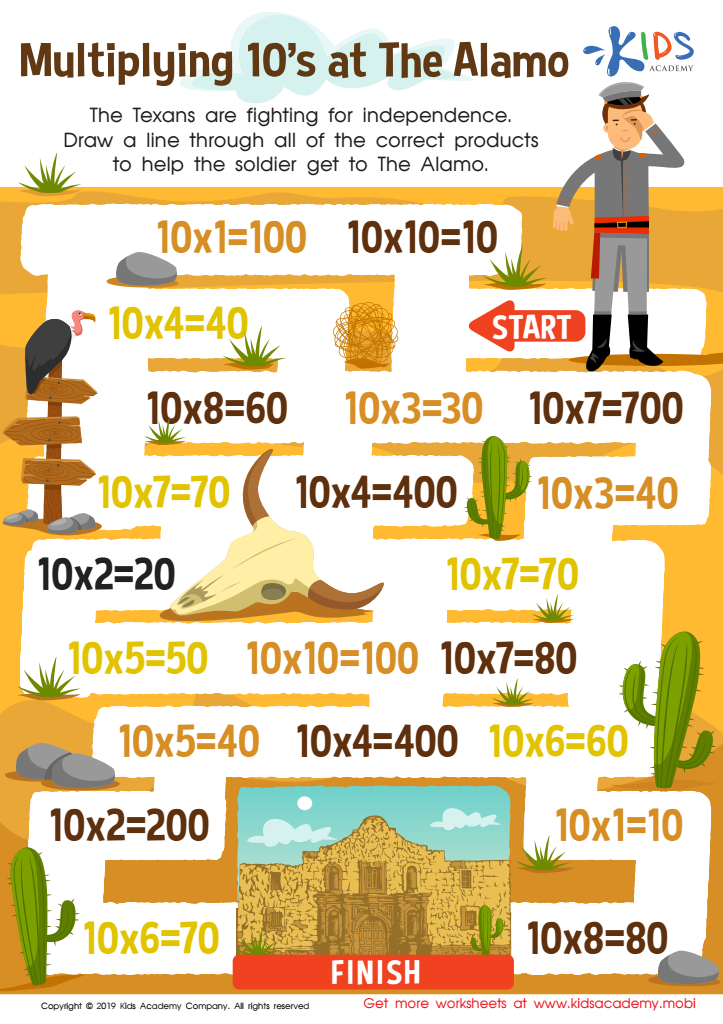
Multiplying 10’s at The Alamo Worksheet
Magic Numbers Worksheet
 Assign to My Students
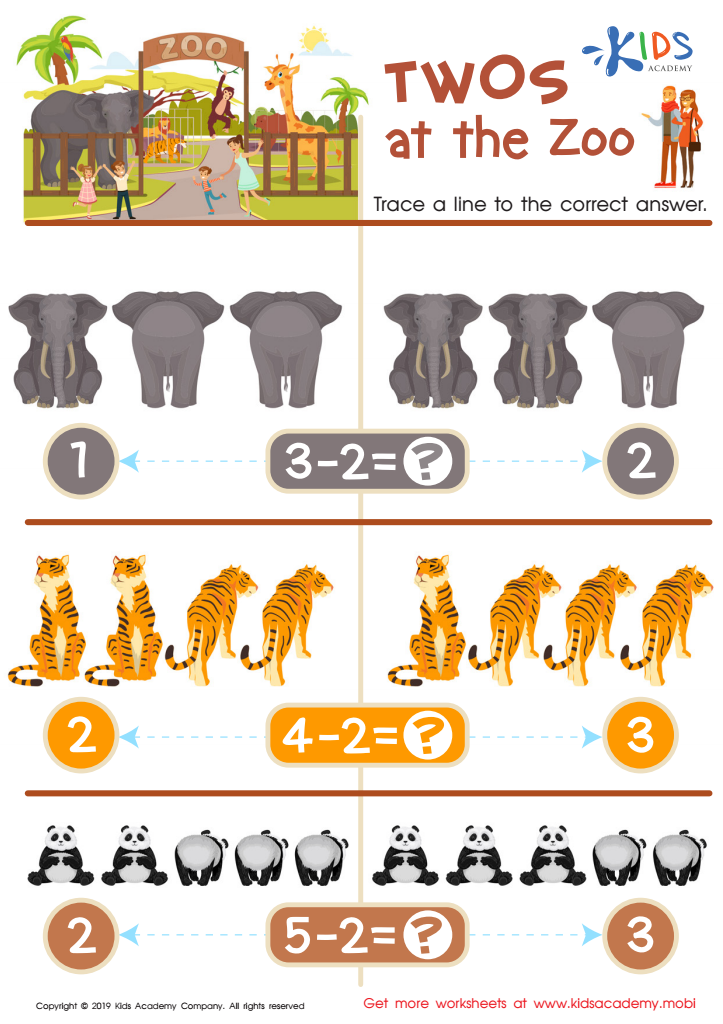
Twos at the Zoo Worksheet








Understanding patterns is a foundational skill vital for young children's cognitive development. When parents and teachers invest effort in ensuring children ages 5-9 grasp patterns, they set up a solid framework for future learning in various subjects. Patterns are fundamental to mathematics; recognizing sequences, predicting what comes next, and understanding rhythms can all be simplified by mastering patterns. This skill directly enhances their ability to grasp more complex mathematical concepts later on, such as algebra and functions.
Apart from mathematics, patterns are also crucial in reading and writing. Language has inherent patterns; understanding these helps children decode new words, develop better spelling skills, and read more fluently. Moreover, pattern recognition sharpens critical thinking and problem-solving abilities, essential skills in science and daily life.
Engaging kids in pattern-based challenges also promotes creativity and interest in learning. It encourages them to think outside the box and see connections between different ideas, nurturing curiosity. Furthermore, these activities can enhance a child's focus and attention to detail, skills beneficial across all areas of study. Therefore, parents and teachers should consistently incorporate pattern recognition exercises to provide a well-rounded, enriched learning environment. This foundational groundwork will undoubtedly reap long-term educational and developmental benefits for children.








