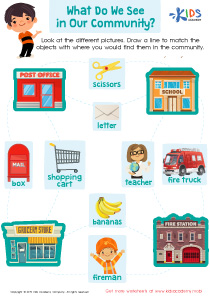
Matching skills Extra Challenge Math Worksheets for Ages 5-9
4 filtered results
-
From - To
Enhance your child's learning with our engaging "Matching Skills Extra Challenge Math Worksheets," designed specifically for ages 5-9. These worksheets offer a fun way for young learners to develop critical matching and problem-solving skills, essential for early math mastery. Featuring a variety of colorful exercises that encourage cognitive retention and usability, your child will enjoy exploring numbers, shapes, and patterns. Each worksheet aims to build confidence while promoting independent learning. Perfect for reinforcing classroom activities or providing extra practice at home, these thoughtfully crafted resources will capture your child's interest and ignite their love for math! Explore now for a wealth of educational enjoyment!
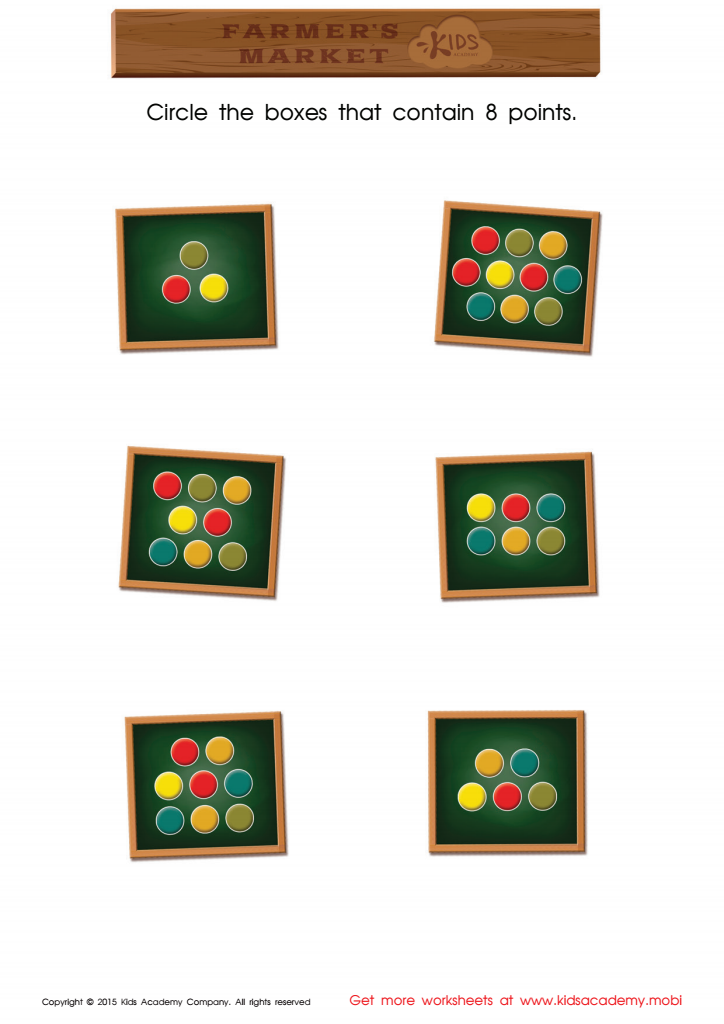
Count and Match Points 8 Math Worksheet
 Assign to My Students
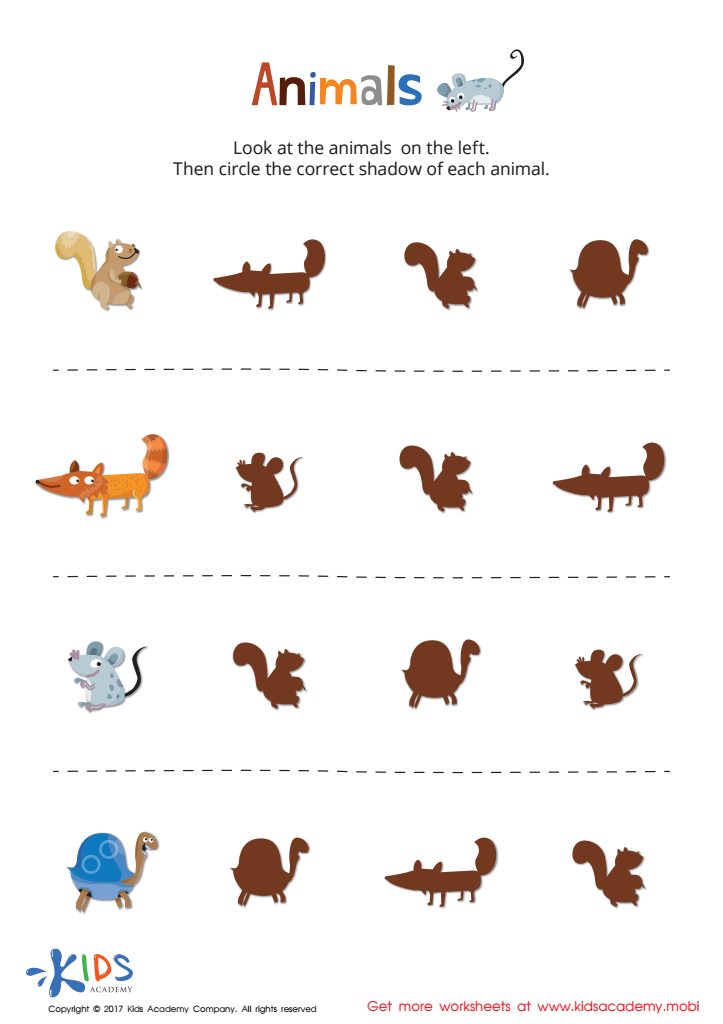
Animal Shadows Sorting Worksheet
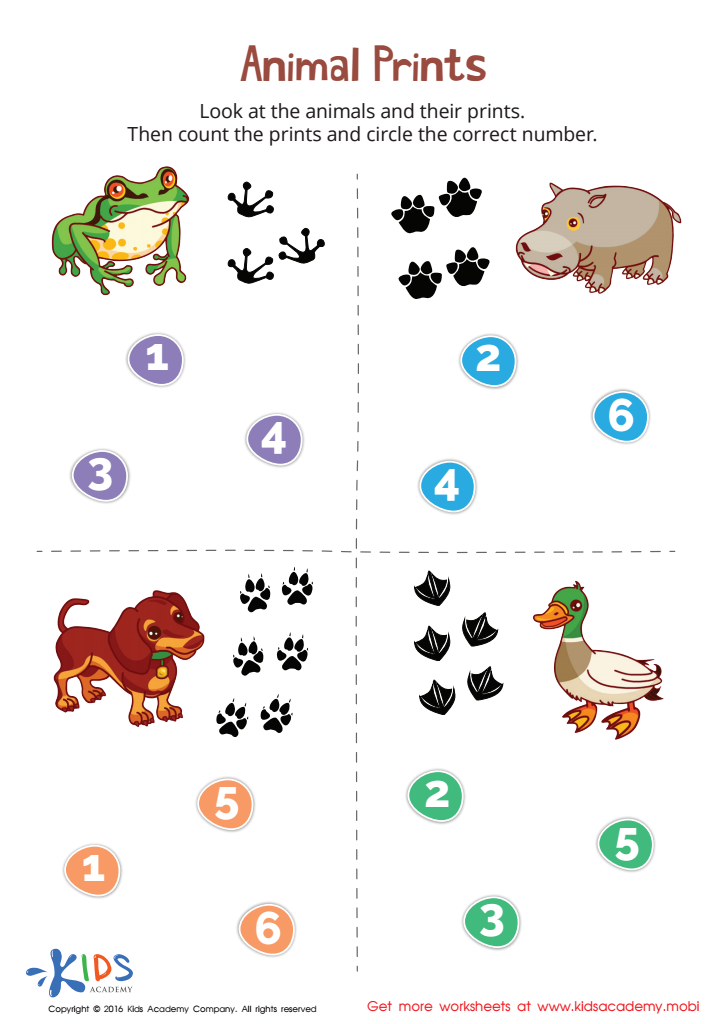
Animal Prints Match-Up Worksheet
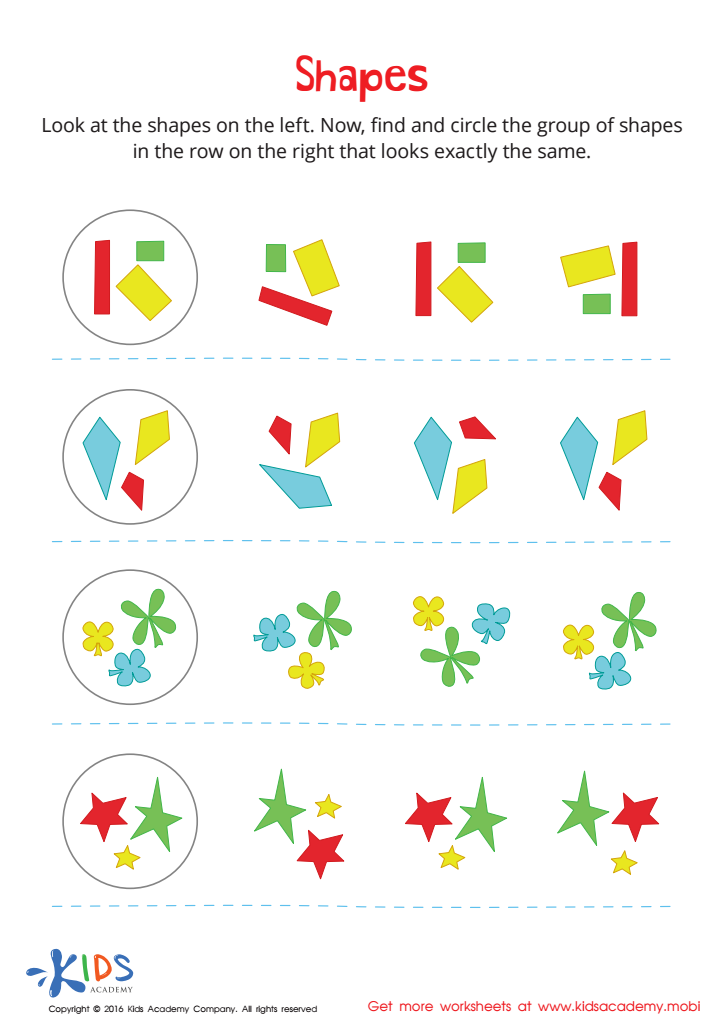
Shapes Worksheet







Parents and teachers should prioritize the Matching Skills Extra Challenge Math program for children aged 5-9 because it effectively nurtures foundational math skills critical for early development. This program focuses on essential concepts like number recognition, counting, and basic operations through engaging activities that capture children's attention and cater to diverse learning styles.
By incorporating games and interactive challenges, it fosters a love for math while providing an enjoyable learning experience. As children develop their matching skills, they enhance their cognitive abilities, such as pattern recognition and problem-solving. These early skills lay the groundwork for more complex mathematical concepts as their schooling progresses.
Moreover, children at this age are naturally curious and enthusiastic learners. This program harnesses that enthusiasm, transforming it into a solid understanding of mathematics. Parents and teachers will appreciate how it supports the curriculum and reinforces classroom learning at home, ensuring children achieve mastery in a fun and engaging manner.
Finally, a strong mathematical foundation builds confidence in students, reducing math anxiety later. By prioritizing programs like Matching Skills Extra Challenge Math, caregivers contribute significantly to a child’s academic success and holistic development in mathematics.