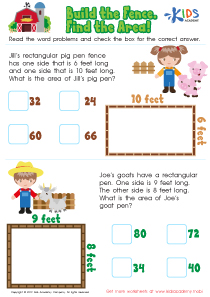
Counting practice Extra Challenge Numbers Worksheets for 5-Year-Olds
4 filtered results
-
From - To
Boost your child's counting skills with our "Counting Practice Extra Challenge Numbers Worksheets for 5-Year-Olds." Designed to engage young learners, this collection features a variety of fun and interactive worksheets that encourage children to explore numbers beyond basic counting. Each worksheet focuses on enhancing number recognition, sequencing, and problem-solving abilities, making math an exciting adventure. With captivating illustrations and motivating exercises, kids will develop confidence while mastering essential math skills. Perfect for at-home practice or classroom activities, these worksheets provide the perfect extra challenge to keep your 5-year-old excited about learning numbers. Download today and ignite their love for math!
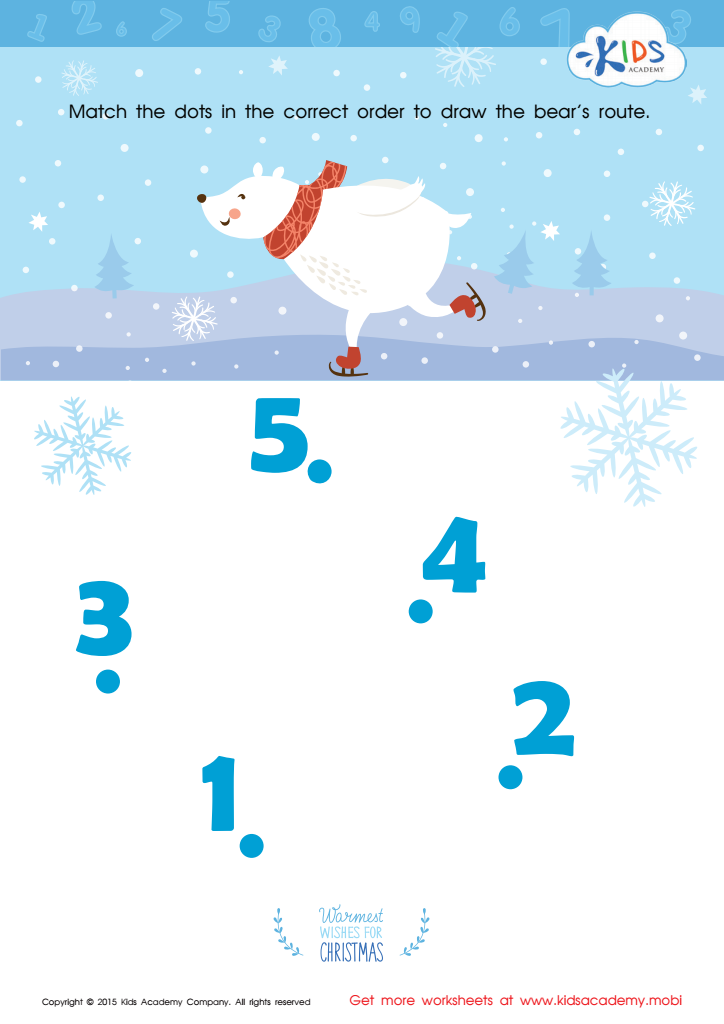
Drawing the Bear's Route by Number Worksheet
 Assign to My Students
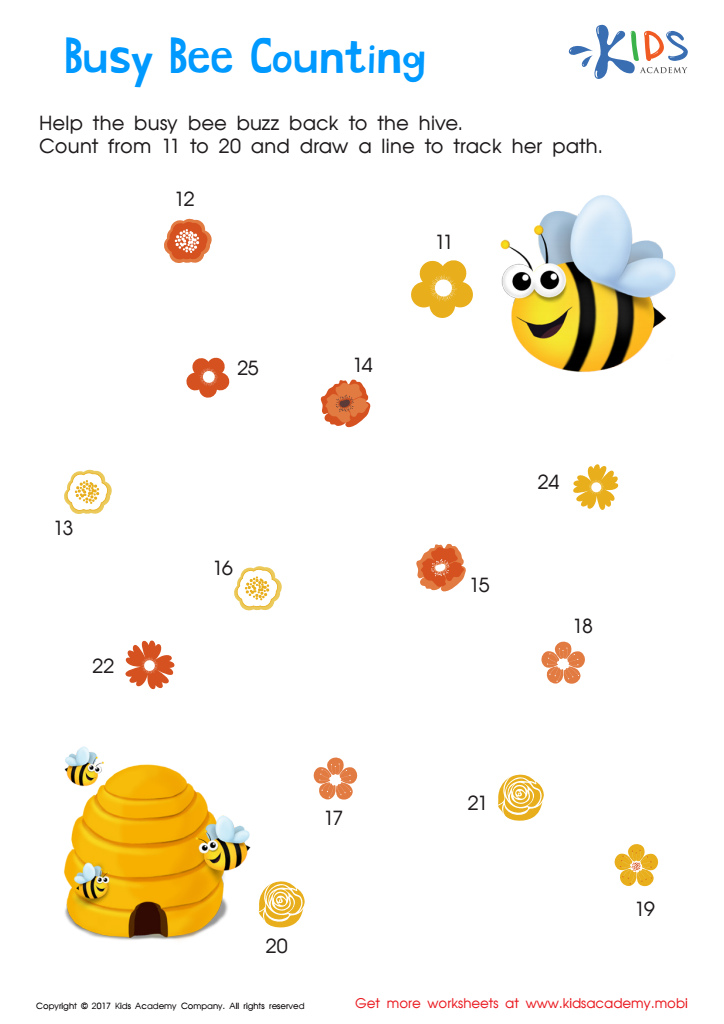
Ordering 11–20: Busy Bee Counting Worksheet
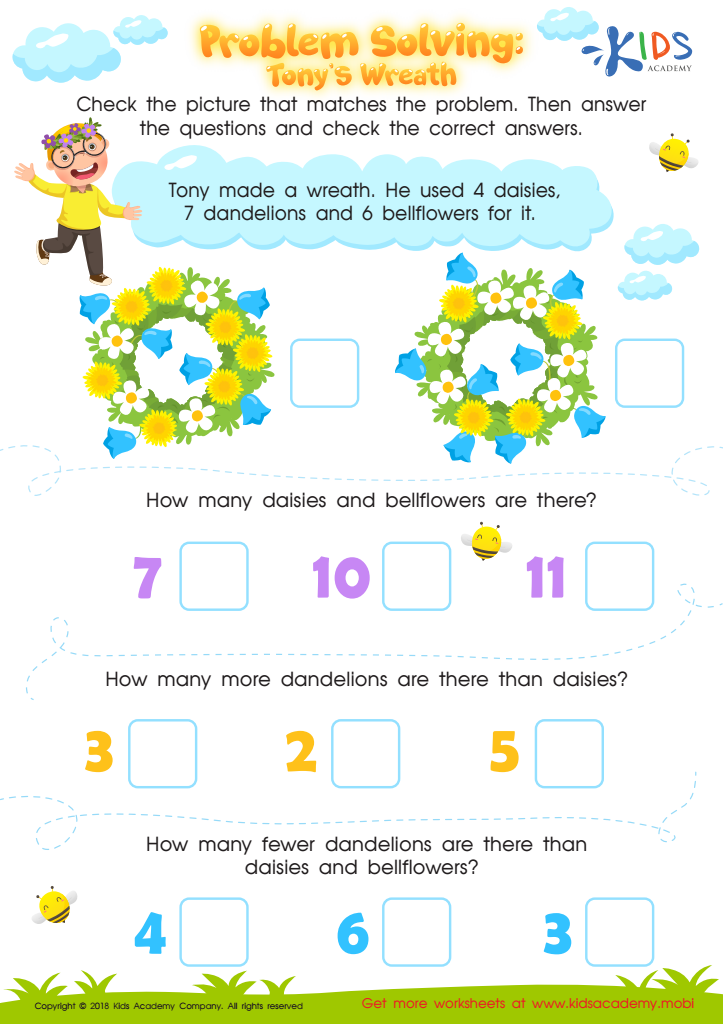
Problem Solving: Tony's Wreath Worksheet
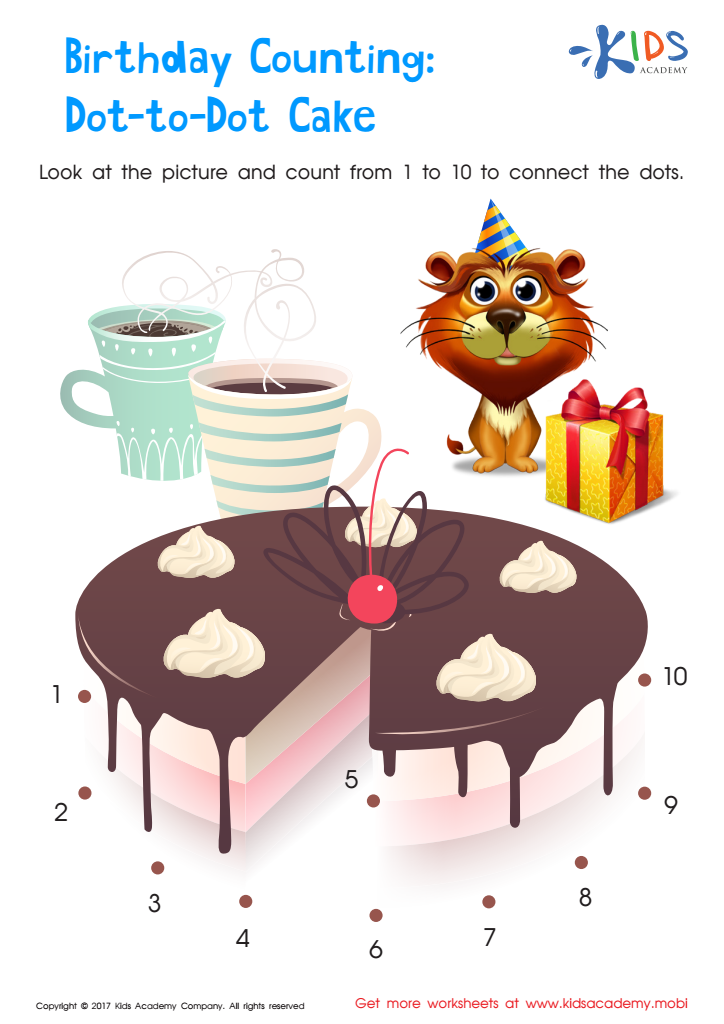
Birthday Counting Connect Dots Worksheet








Counting practice and extra challenge numbers are vital for the development of 5-year-olds, laying the groundwork for mathematical understanding and literacy. Engaging children in fun counting activities enhances their numerical skills, which are crucial for future academic success in math and other subjects. By focusing on extra challenge numbers, children can boost their problem-solving abilities, critical thinking, and cognitive flexibility.
Teachers and parents should care about this because these practices support the child's confidence and interest in math, preventing math anxiety later in life. Counting activities promote smooth transitions between foundational skills, such as recognizing numbers, and more advanced concepts like addition and subtraction. Additionally, they help children develop fine motor skills through writing and manipulation of counting objects.
Involving parents in these counting sessions enhances family bonding while reinforcing learning at home. It creates a collaborative environment where children feel secure and encouraged. Furthermore, counting practice supports performance in standardized tests, improving readiness for first grade and beyond. By prioritizing counting and extra challenge numbers, caregivers can nurture well-rounded, enthusiastic learners who are prepared to tackle future academic endeavors.