Pattern recognition Extra Challenge Matching Worksheets for 5-Year-Olds
3 filtered results
-
From - To
Introduce your 5-year-olds to exciting learning with our "Pattern Recognition Extra Challenge Matching Worksheets"! Designed to enhance critical thinking and cognitive skills, these worksheets provide engaging exercises that invite children to identify and match patterns. Each worksheet is filled with colorful illustrations and fun activities that keep little learners motivated. Perfect for classroom or home use, these worksheets help develop essential math skills while promoting curiosity and creativity. Watch as your child gains confidence in their pattern recognition abilities and becomes empowered to tackle new challenges. Download these engaging worksheets today and unlock your child's potential in a playful and enjoyable way!
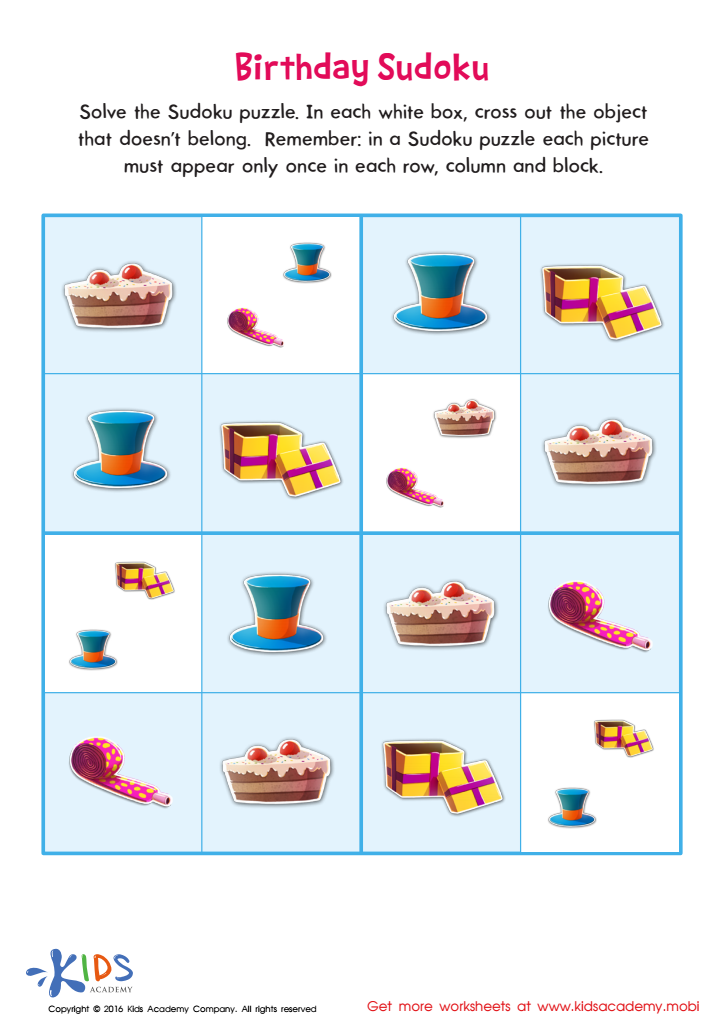
Birthday Sudoku Sorting Worksheet
 Assign to My Students
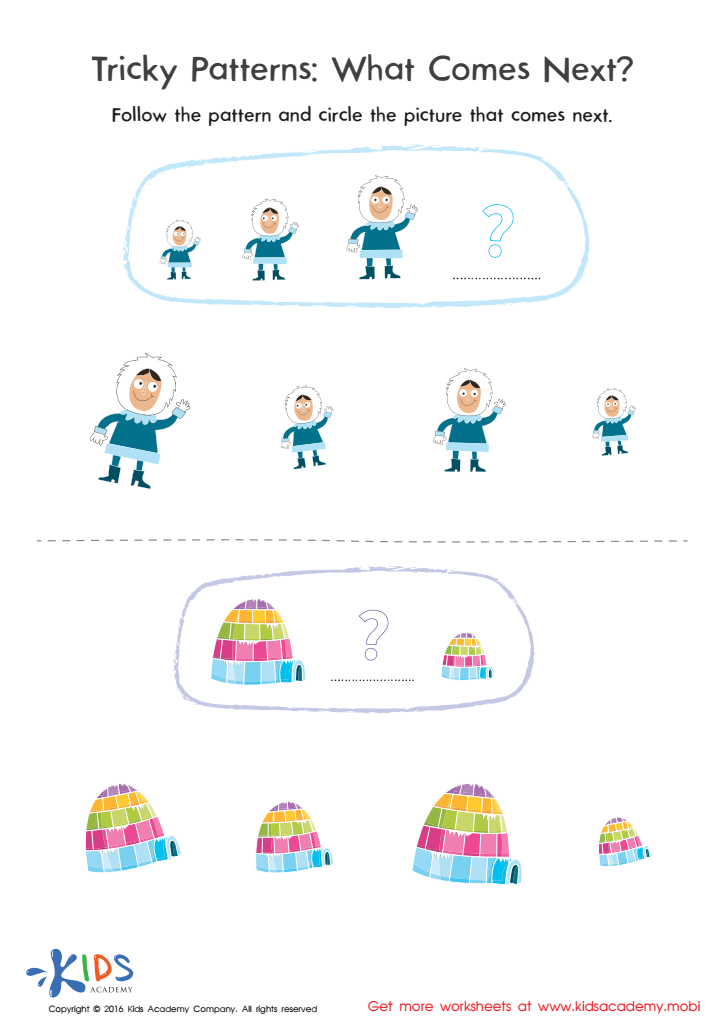
Tricky Patterns Size Worksheet
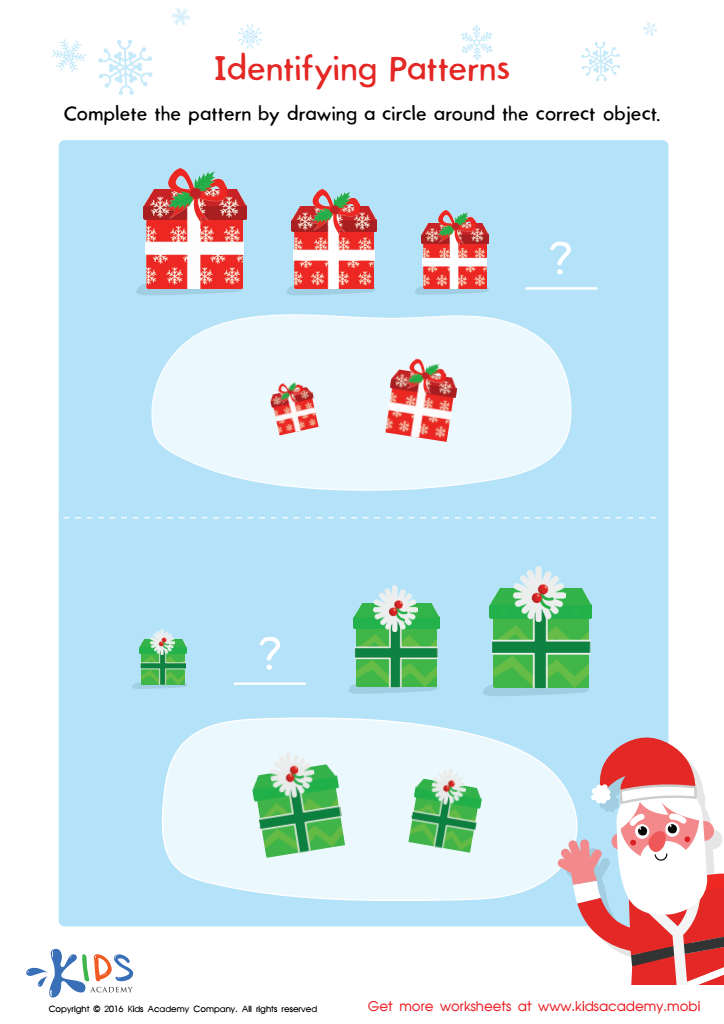
Identifying Patterns Worksheet







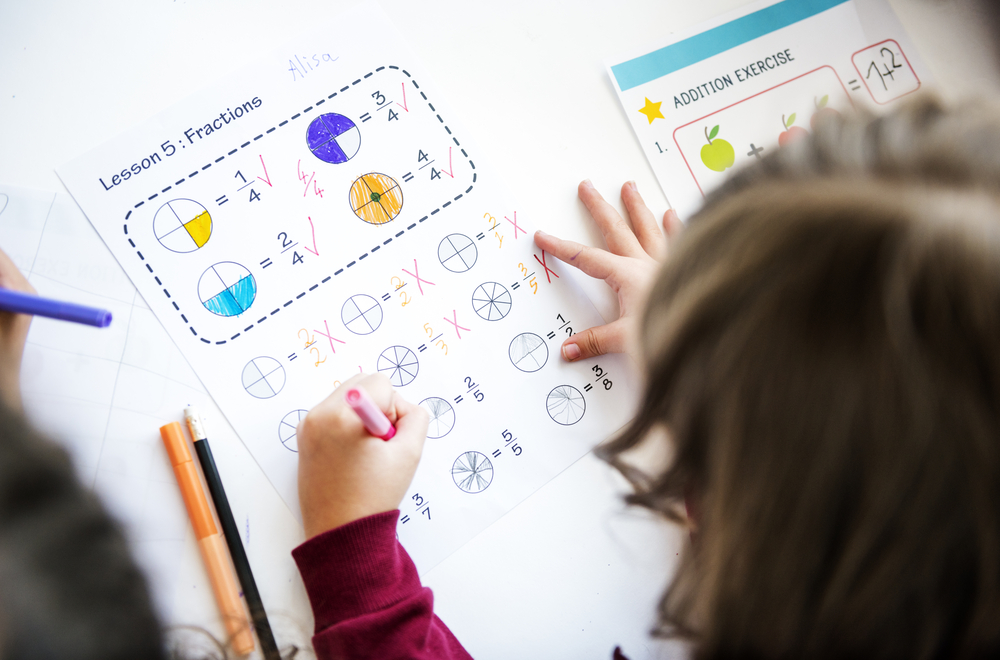
Pattern recognition is a fundamental cognitive skill that forms the basis for more complex problem-solving and critical thinking abilities in children. For 5-year-olds, engaging in activities like matching identity patterns can significantly enhance their cognitive development. When parents or teachers focus on pattern recognition, they are not only helping children improve their observation skills but also fostering their ability to identify relationships and make connections, which are essential for later learning in math, science, and literacy.
Furthermore, activities such as matching exercise promote fine motor skills as children physically engage with the materials. Working with patterns also encourages creativity, as children begin to explore different formations and designs. Notably, mastering these skills can boost their confidence and enthusiasm for learning, as they discover that they can recognize and predict outcomes.
Also, engaging with patterns supports social interaction when children work collaboratively in groups, facilitating teamwork and communication skills. Consequently, parents and teachers should see pattern recognition and matching exercises not just as playful activities but as valuable educational tools. By integrating these challenges into their routine, they can lay a strong foundation for children's future academic success and lifelong learning capabilities.