Alphabet Recognition Extra Challenge ABC Order Worksheets for Ages 6-7
3 filtered results
-
From - To
Enhance your child's alphabetical skills with our "Alphabet Recognition Extra Challenge ABC Order Worksheets" designed for ages 6-7! These engaging activities are perfect for reinforcing letter recognition and understanding alphabetical order through fun and interactive exercises. Children will enhance their ability to identify letters while practicing organizing words from A to Z. Each worksheet encourages critical thinking and promotes independent learning, keeping young learners motivated and eager to refine their literacy skills. Perfect for at-home practice or classroom use, these worksheets provide an ideal resource for reinforcing foundational knowledge in a creative and enjoyable way. Cultivate a love for learning today!
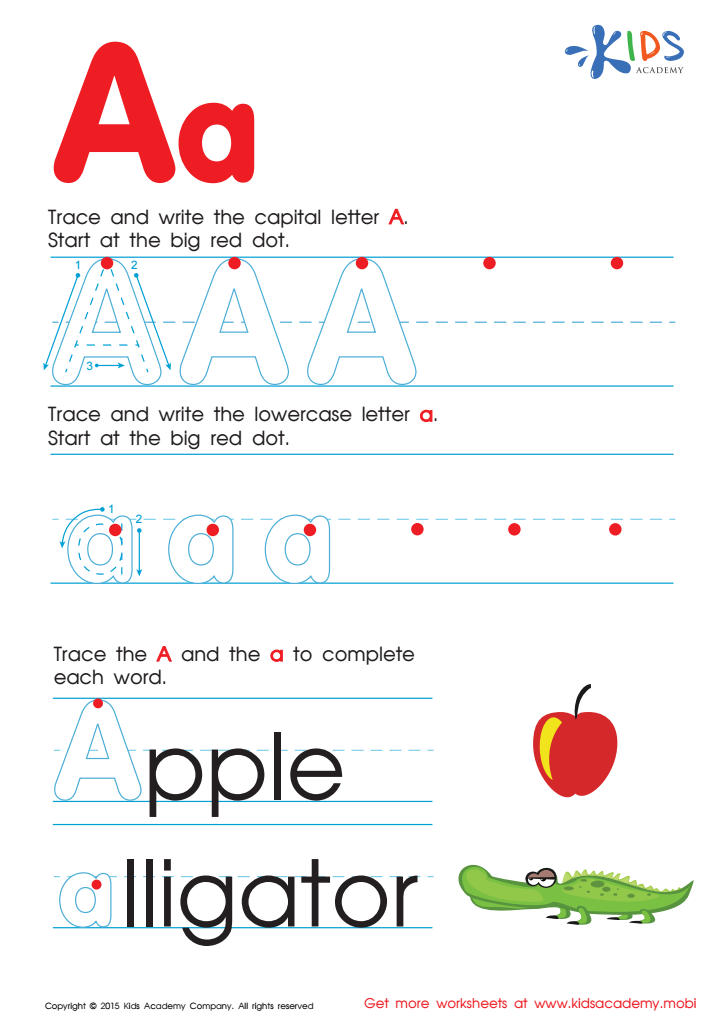
Letter A Tracing Page
 Assign to My Students



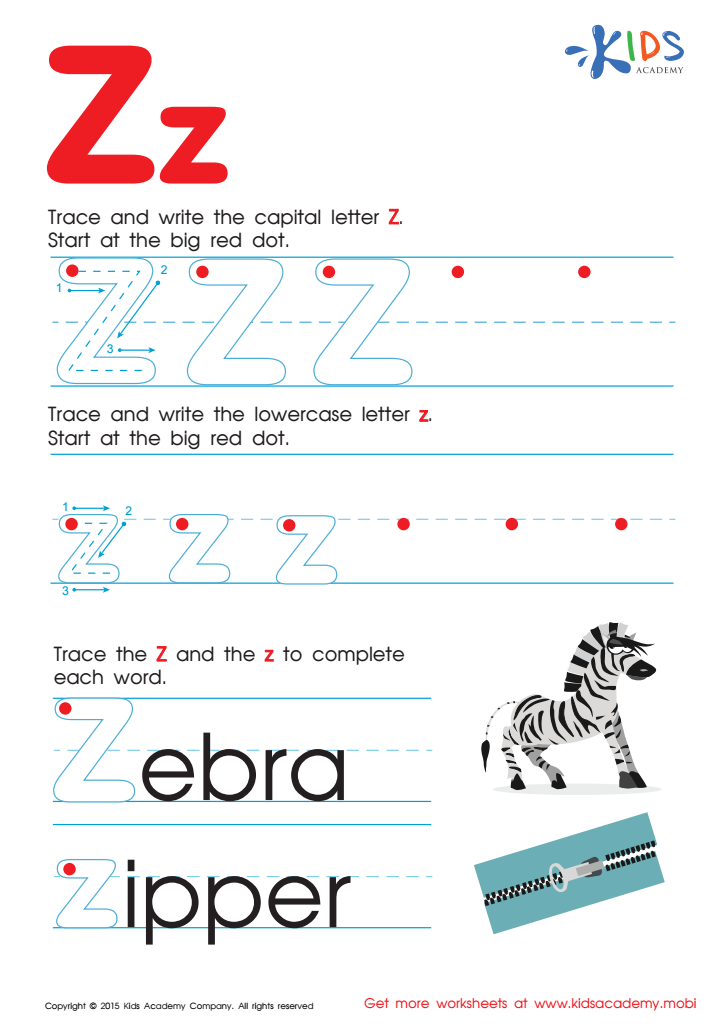
Letter Z Tracing Page
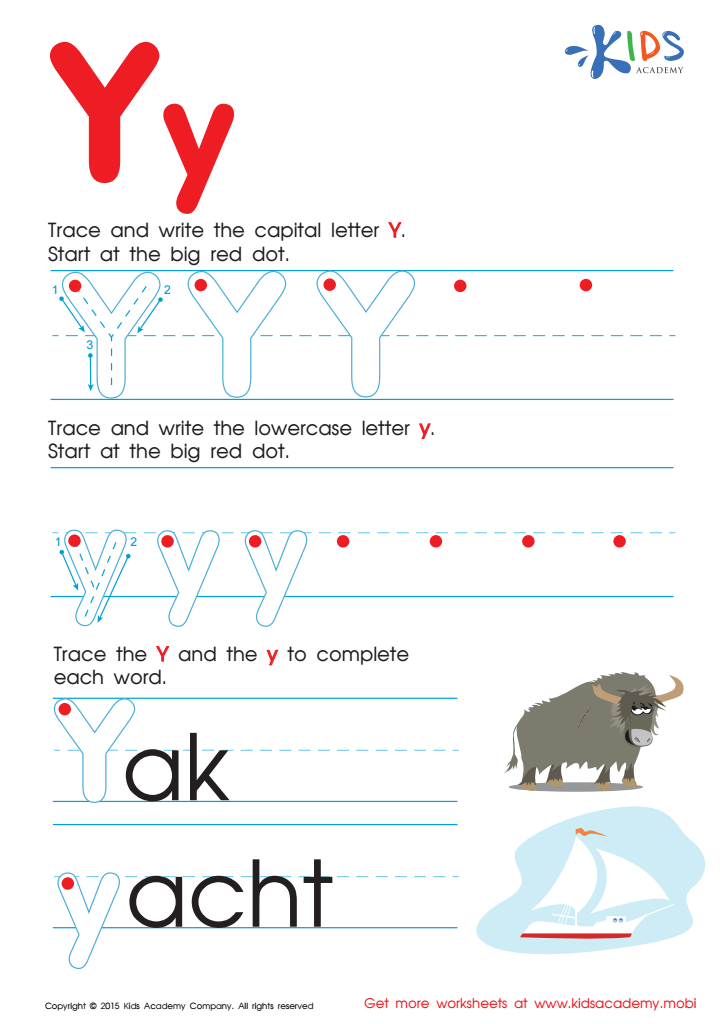
Letter Y Tracing Page








Alphabet Recognition Extra Challenge ABC Order activities are essential for children aged 6-7, as they play a crucial role in early literacy development. Mastering the alphabet and its sequential order lays the foundation for reading and writing skills. When children engage in ABC Order challenges, they become more familiar with letter names and shapes, improving their letter recognition and phonemic awareness.
Parents and teachers should care about these fun and engaging activities because they encourage cognitive skills, such as memory and attention, as children must recall and organize letters accurately. Learning the alphabet in order not only fosters reading proficiency but also aids in spelling, vocabulary development, and overall language skills.
Moreover, these activities promote fine motor skills through writing and creative tasks, ensuring a holistic approach to learning. In a playful environment, children are more motivated and less intimidated, allowing them to build confidence in their abilities. By prioritizing alphabet recognition and order games, parents and teachers can create a nurturing space where children develop essential skills that will support their academic journey, making foundational literacy enjoyable and effective. Engaging with these challenges helps prepare children for future learning experiences, setting them on a path to succeed in school.








