Fine Motor Skills Extra Challenge ABC Letters Worksheets for Ages 6-7
7 filtered results
-
From - To
Discover our "Fine Motor Skills Extra Challenge ABC Letters Worksheets for Ages 6-7," designed to boost creativity and dexterity while reinforcing letter recognition. Perfect for young learners, these engaging worksheets incorporate fun activities that encourage tracing, cutting, and assembling letters in playful contexts. Each page aims to enhance fine motor control essential for writing, drawing, and everyday tasks. With a mix of imaginative exercises and educational content, kids will enjoy mastering the alphabet while developing coordination skills. Ideal for educators and parents alike, these worksheets will inspire confidence and enthusiasm in every child’s learning journey! Download today and watch skills flourish!
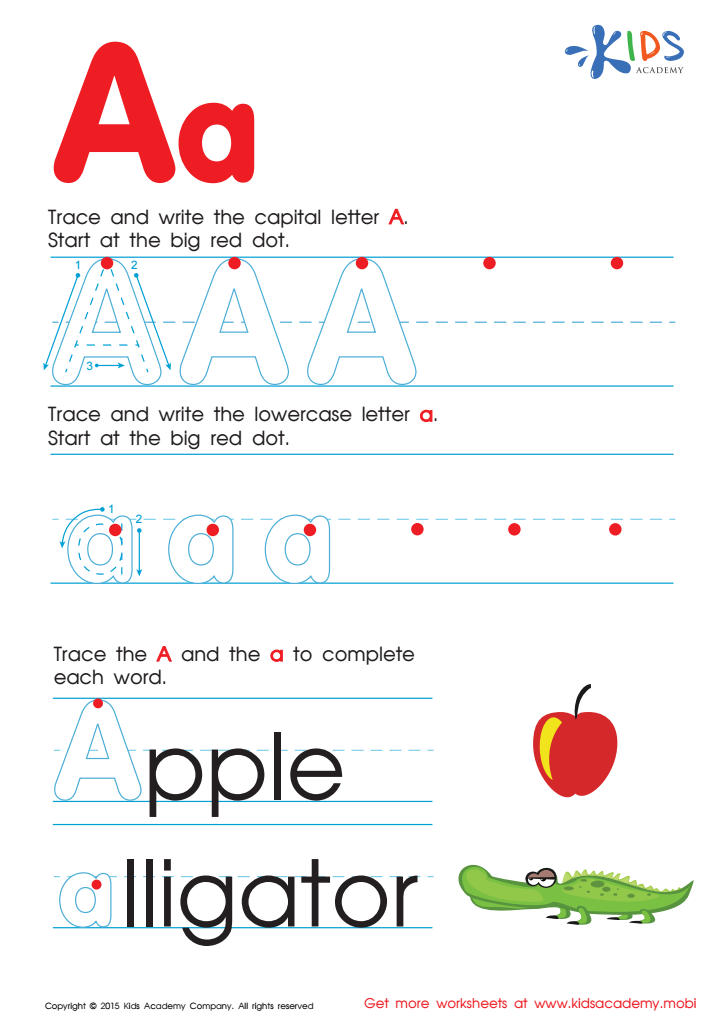
Letter A Tracing Page
 Assign to My Students








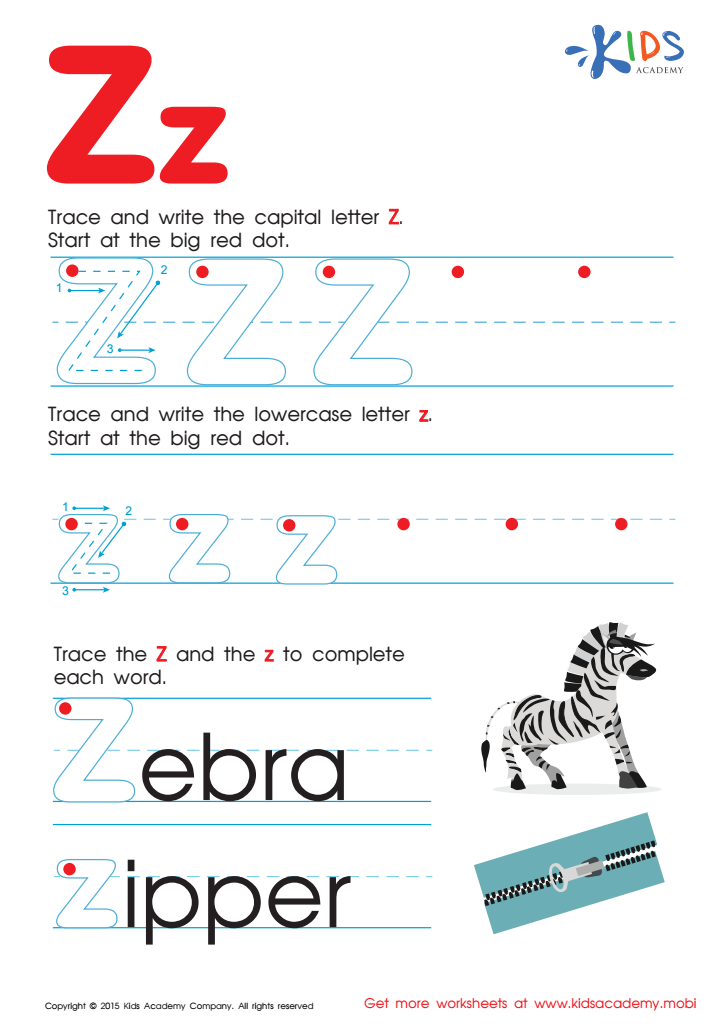
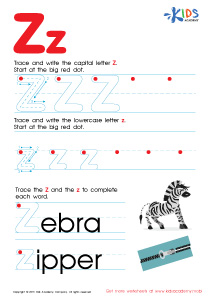
Letter Z Tracing Page
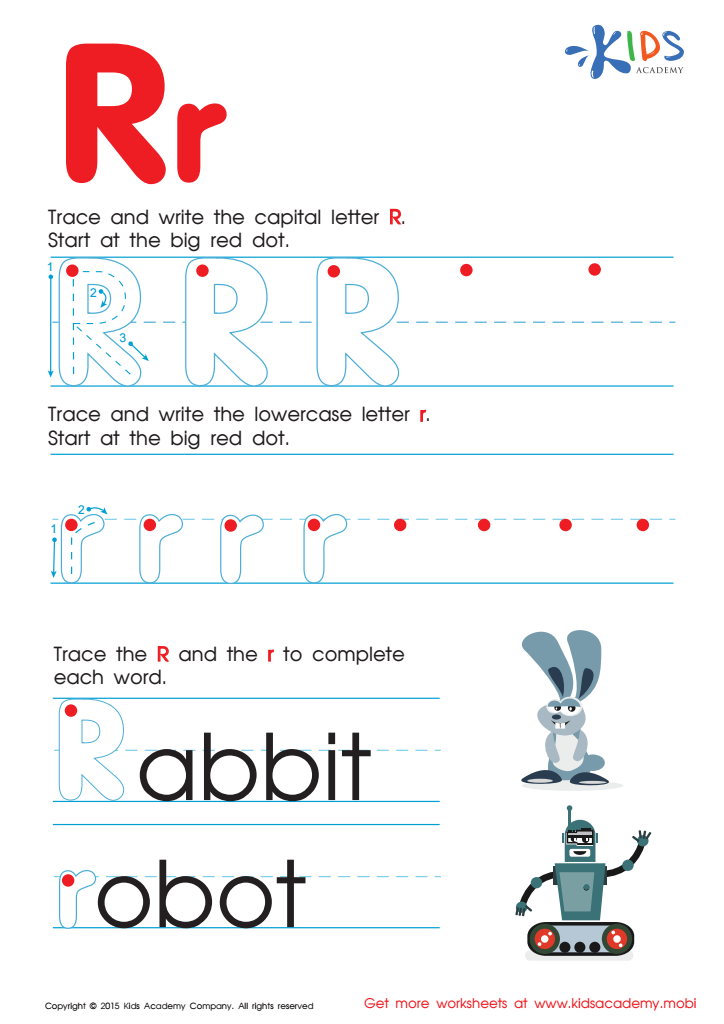
Letter R Tracing Page
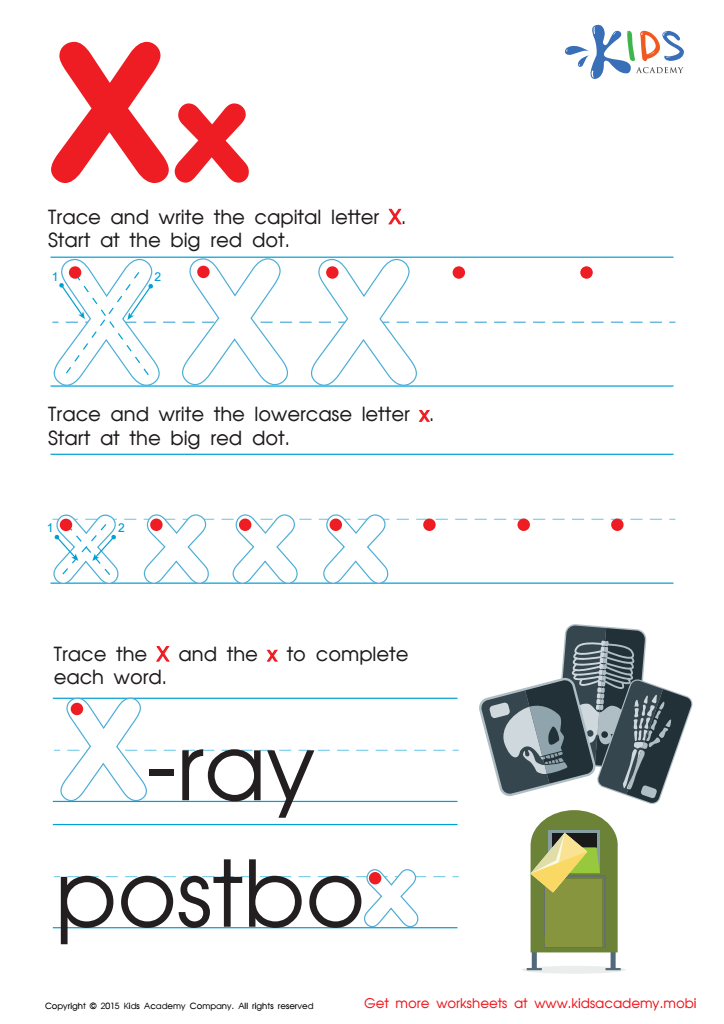
Letter X Tracing Page
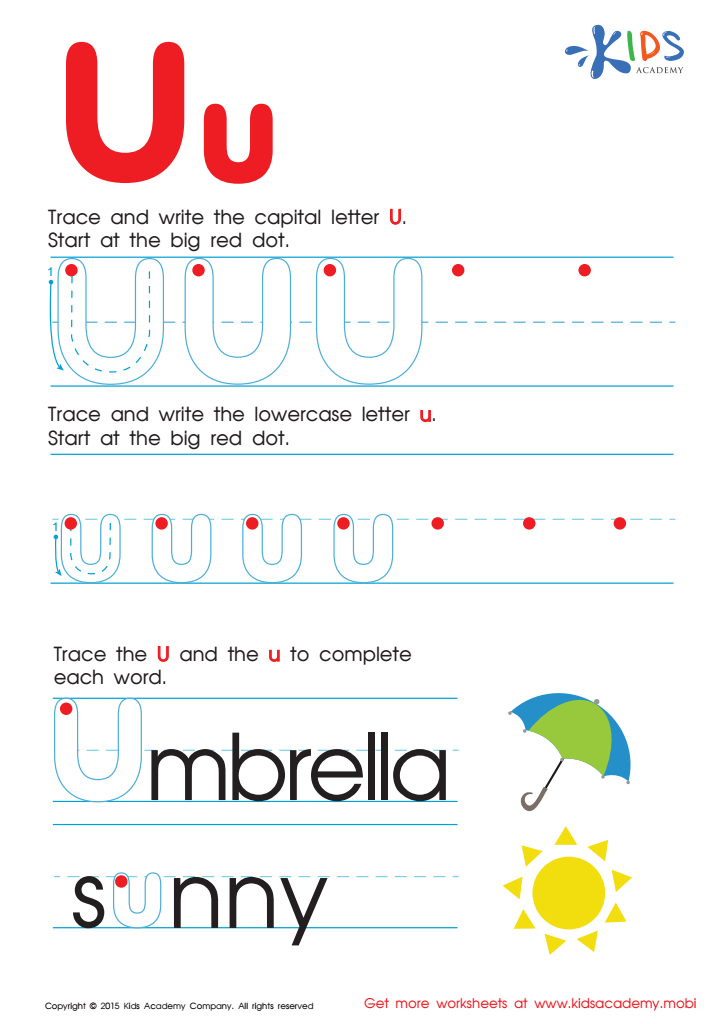
Letter U Tracing Page
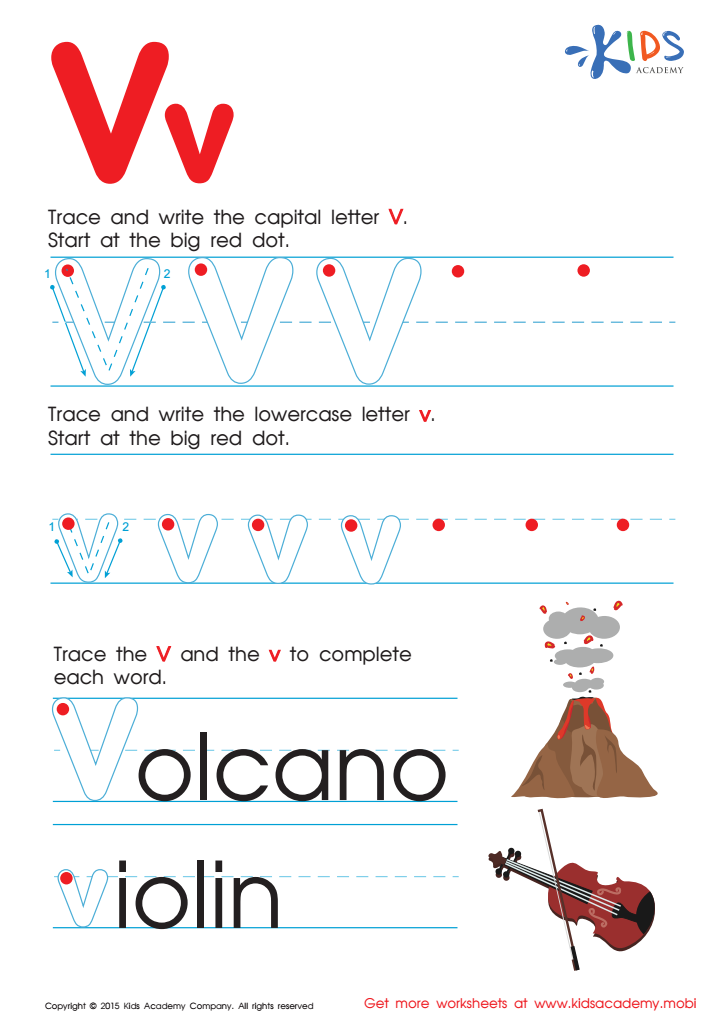
Letter V Tracing Page
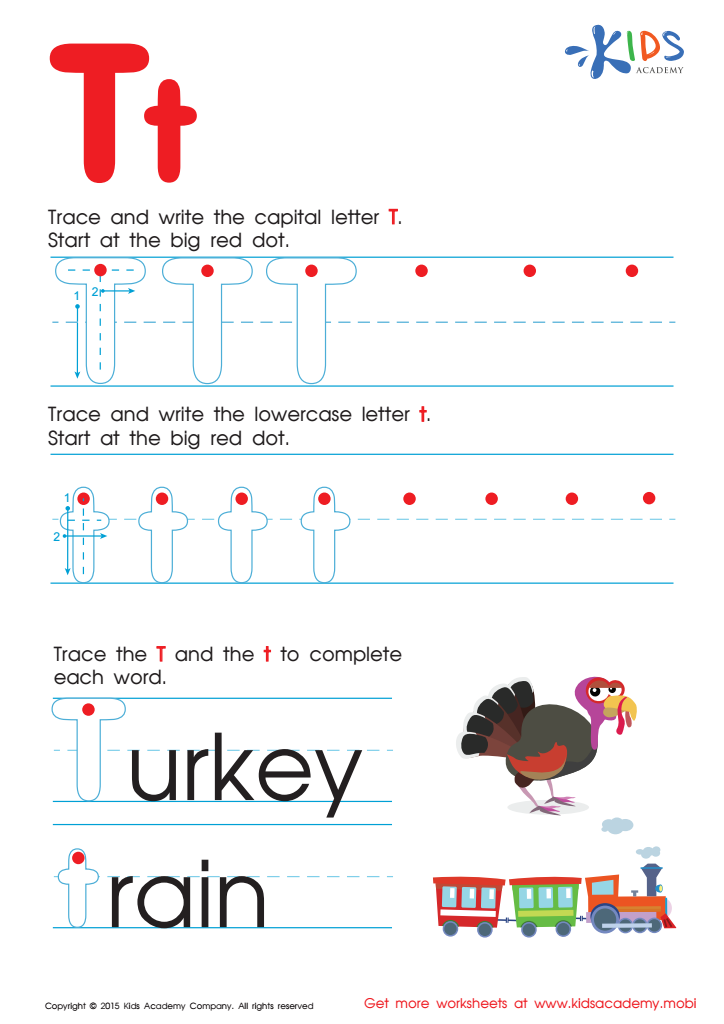
Letter T Tracing Page







Fine motor skills are essential for children's overall development, particularly for children aged 6-7 who are refining their abilities. Fine motor skills involve the precise movements of the hands and fingers, which are crucial for everyday tasks such as writing, buttoning clothes, and crafting. The Fine Motor Skills Extra Challenge ABC Letters program specifically designed for this age group targets letter recognition, formation, and manipulation through engaging activities.
Parents and teachers should care about this program because strong fine motor skills directly contribute to a child's academic success. Mastering letter formation improves handwriting, leading to better expression of ideas and improved literacy. Meanwhile, engaging with letters through creative challenges fosters enthusiasm for learning, encourages problem-solving, and aids in brain development.
Furthermore, developing these skills enhances a child's confidence and independence, nurturing a positive learning attitude. With digital technology on the rise, providing children with hands-on activities is more crucial than ever. By incorporating programs like the Fine Motor Skills Extra Challenge ABC Letters, educators and parents build foundational skills that prepare children for future challenges, laying the groundwork for their academic and personal success. Ultimately, supporting fine motor skills helps children thrive both inside and outside of the classroom.