Matching numbers Extra Challenge Numbers Worksheets for Ages 6-7
3 filtered results
-
From - To
Discover our "Matching Numbers Extra Challenge Numbers Worksheets for Ages 6-7," designed to seamlessly blend fun with education. These engaging resources are specifically tailored to enhance numerical recognition and counting proficiency. With various stimulating activities, children will love matching and identifying numbers, improving their mathematical skills through play. Ideal for both classroom and at-home practice, these worksheets offer a polished approach to foundational math learning. Perfect for young learners, aged 6 to 7, ready to tackle an extra challenge, our worksheets ensure learning numbers turns into an exciting adventure. Prepare your child for math success with these expertly crafted resources!

Count and Match Vegetables 1 – 7 Math Worksheet
 Assign to My Students
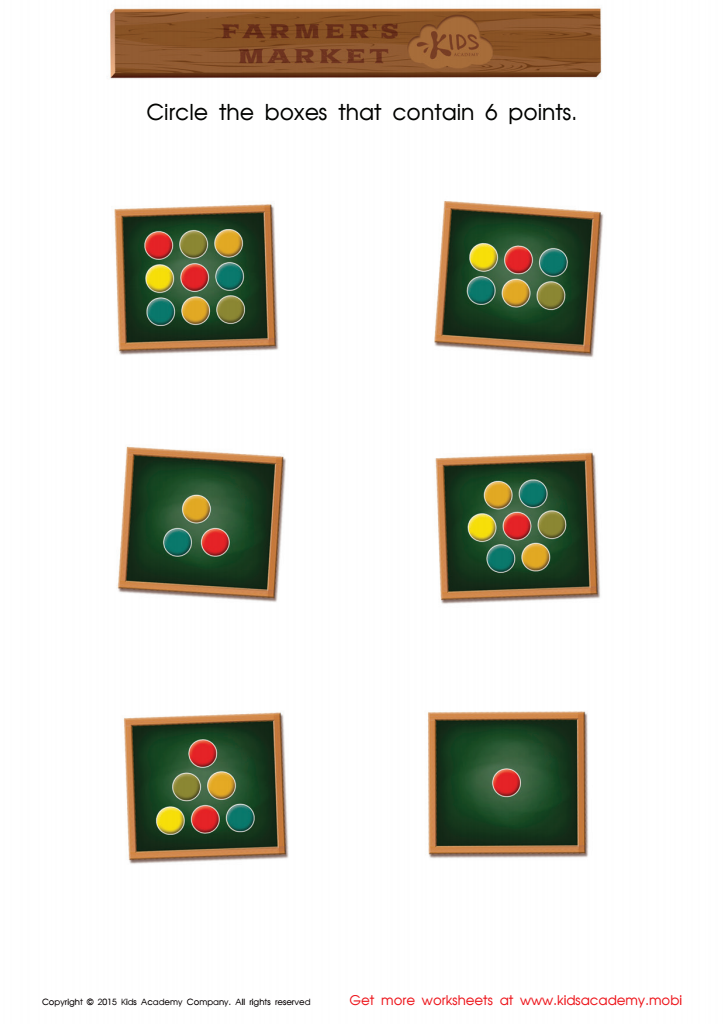
Count and Match Points 6 Math Worksheet
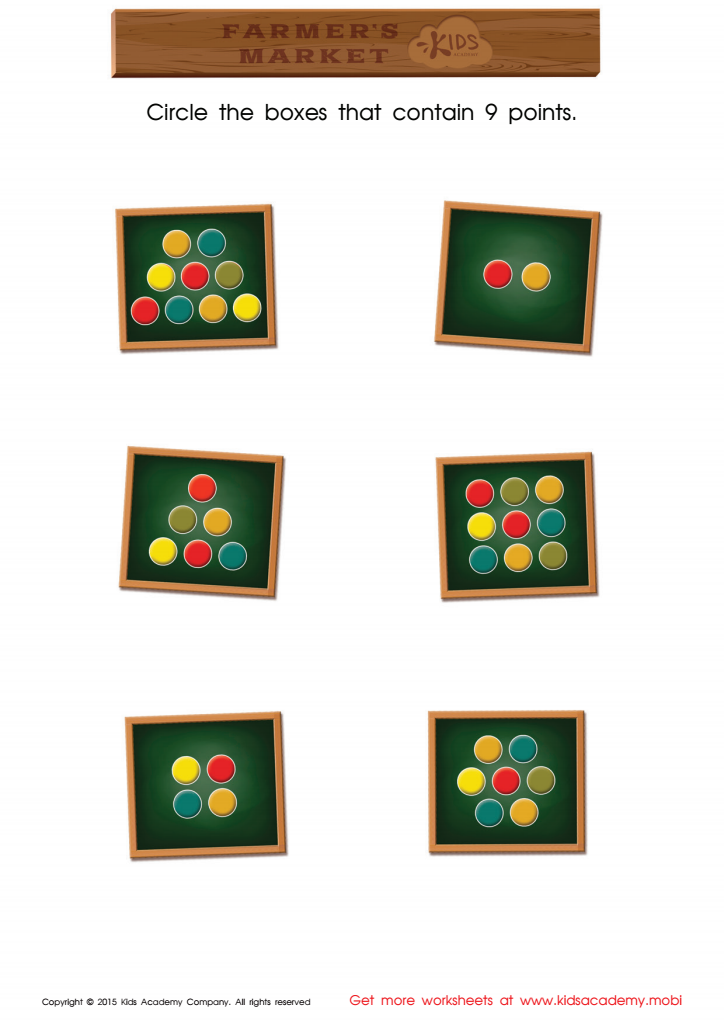
Count and Match Points 9 Math Worksheet




%20(1).jpg)
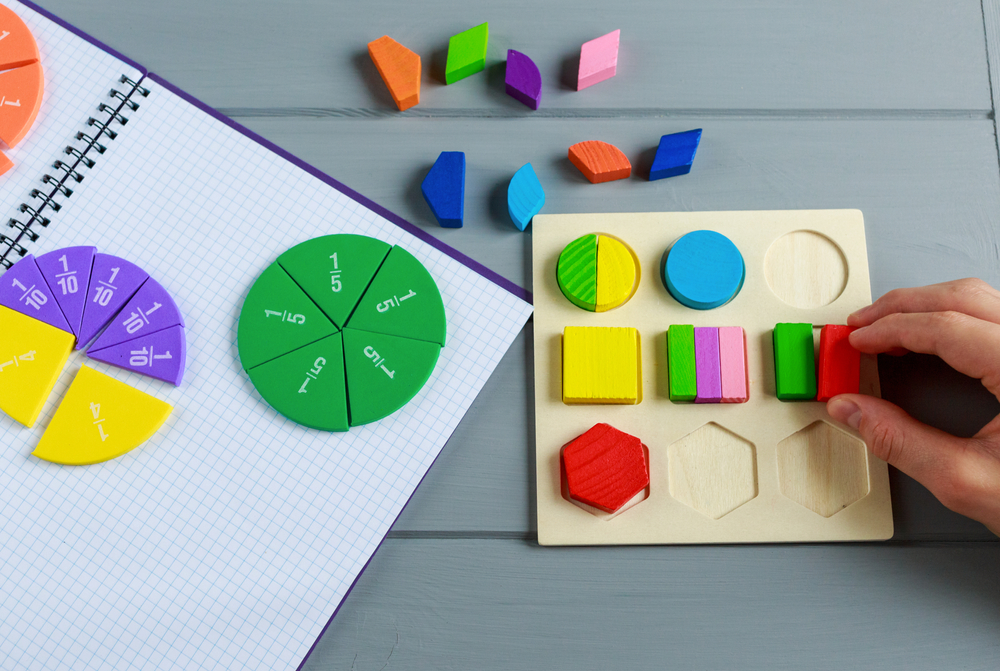


Parents and teachers should care about "Matching Numbers Extra Challenge" activities for ages 6-7 as these exercises play a crucial role in early childhood development. At this pivotal age, children are honing their foundational skills in mathematics, which are vital for their academic success. Matching numbers exercises help young learners grasp the concept of number recognition and sequencing, which are essential skills for more complex math operations like addition and subtraction.
Additionally, these activities nurture critical thinking and problem-solving abilities. When children engage in matching numbers, they develop their concentration and attention to detail—skills that are transferable across all areas of learning. Moreover, matching exercises can boost a child’s confidence in their academic abilities as they experience the satisfaction of solving challenges, reinforcing a positive attitude toward learning and perseverance.
For parents and teachers, these activities offer a valuable opportunity to assess a child's understanding and identify areas that may need additional focus. This targeted approach ensures that children build a strong numerical foundation, thereby setting the stage for future educational achievements. Engaging in these fun and interactive challenges also provides a perfect setting for meaningful parent-child or student-teacher interactions, promoting a supportive learning environment.