Basic geometry understanding Extra Challenge Worksheets for Ages 6-8
4 filtered results
-
From - To
Discover our "Basic Geometry Understanding Extra Challenge Worksheets" designed specifically for ages 6-8. These engaging worksheets provide a fun and interactive way for young learners to deepen their grasp of fundamental geometric concepts, including shapes, symmetry, and spatial reasoning. Each worksheet is crafted to challenge students, encouraging critical thinking and problem-solving skills. Ideal for use at home or in the classroom, these resources support essential math education while keeping kids motivated and excited about learning. Parents and educators alike will appreciate the easy printing options and the opportunity to reinforce geometry knowledge in a creative and playful manner. Let’s inspire young mathematicians today!
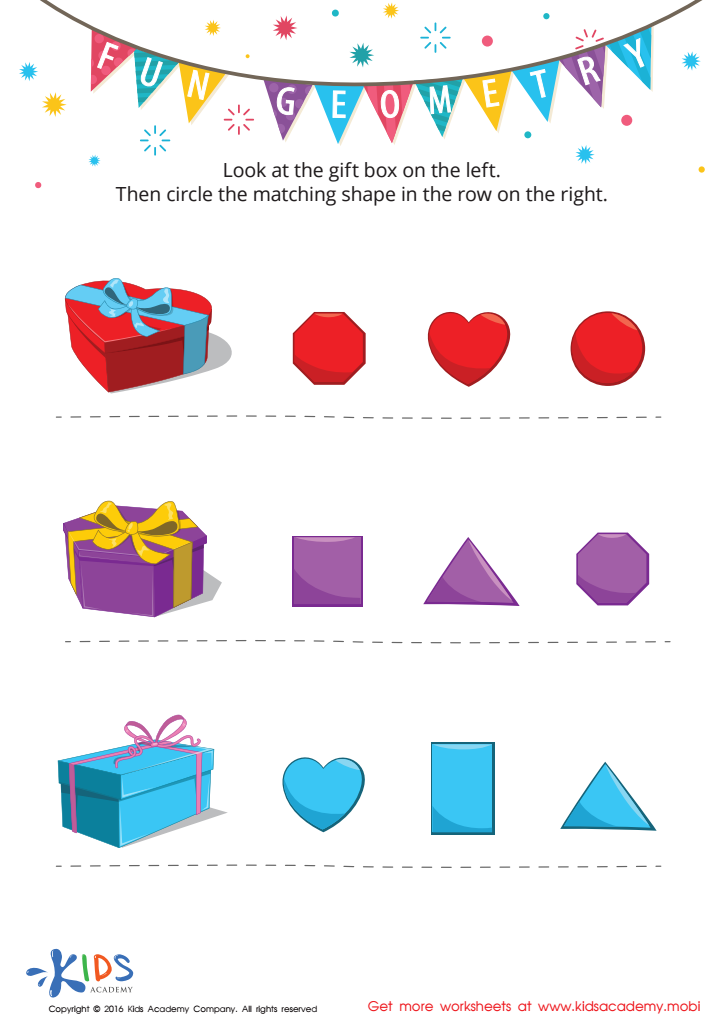
Fun Geometry Worksheet
 Assign to My Students
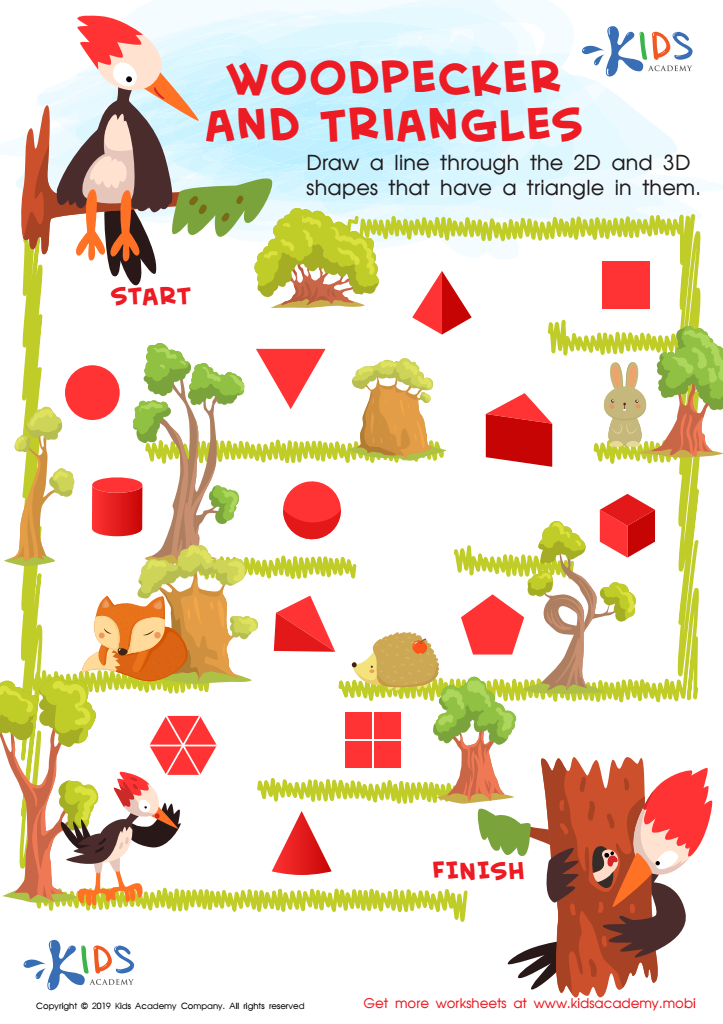
Woodpecker and Triangles Worksheet
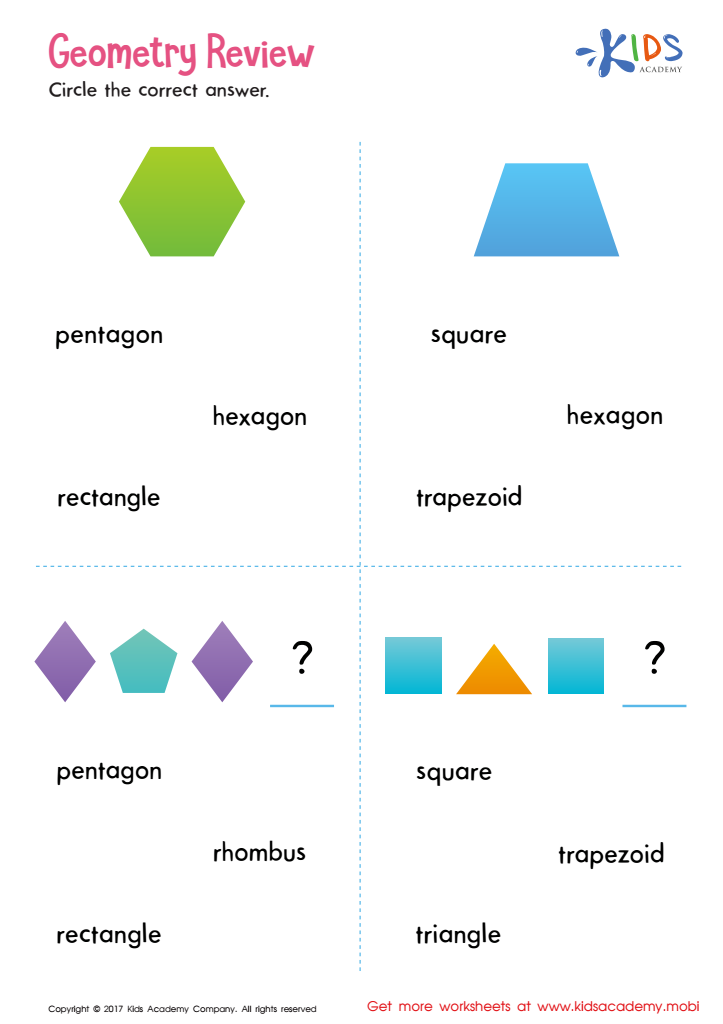
Geometry Review Printable
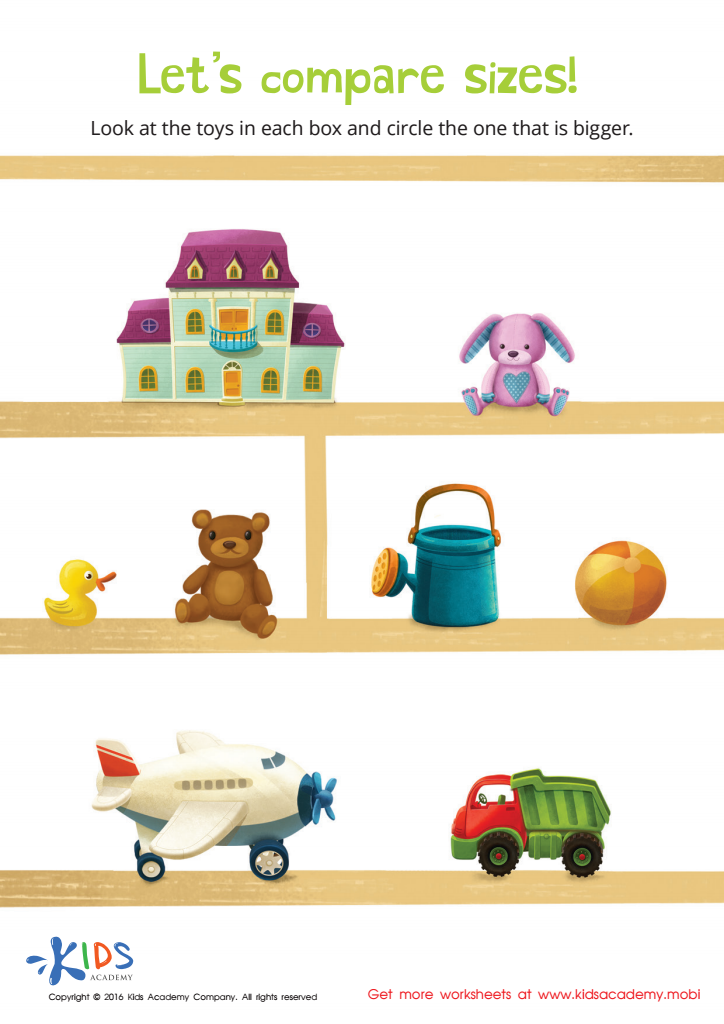
Classifying by Size Sorting Worksheet







Basic geometry understanding is crucial for children ages 6-8, as it lays the foundation for critical thinking and problem-solving skills. At this age, children begin to develop an understanding of shapes, measurements, and spatial relationships. Grasping these concepts helps them make sense of the world around them, enhancing their ability to recognize patterns and solve everyday problems.
For parents and teachers, fostering basic geometry skills supports overall academic growth. Early proficiency in math contributes to later success in subjects like science and engineering, which increasingly rely on spatial reasoning. Geometry also helps in developing fine motor skills through activities such as drawing shapes or using geometric tools, which can improve coordination and focus.
Furthermore, engaging children with geometric concepts through fun and interactive activities can spark their interest in math and inspire lifelong learning. It encourages creativity and helps them connect math to real-life situations—like understanding area when playing with blocks. By prioritizing basic geometry understanding, parents and teachers can cultivate essential skills in young learners, preparing them for advanced concepts in the future and fostering a positive attitude towards mathematics. Ultimately, investing in these early learning experiences equips children with tools that extend beyond the classroom.








