Letter recognition Extra Challenge Alphabet Worksheets for Ages 6-9
8 filtered results
-
From - To
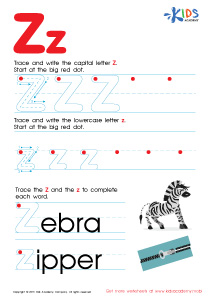
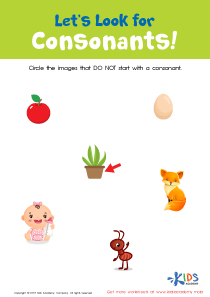
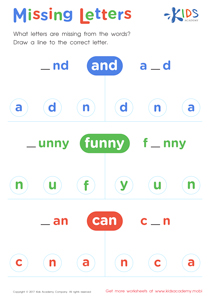
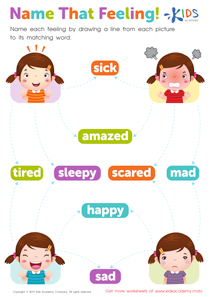
Unlock the world of advanced letter recognition with our Extra Challenge Alphabet Worksheets for Ages 6-9. Designed to elevate your child's alphabet mastery, these worksheets offer a fun yet challenging approach to letter recognition and learning. Ideal for young learners ready to go beyond the basics, each worksheet focuses on distinguishing and practicing letters through engaging activities. Perfect for both classroom and home settings, our high-quality, printable resources support the development of critical reading and writing skills. Foster confidence and academic growth by making letter learning a captivating adventure! Explore now and inspire excellence with Kids Academy.
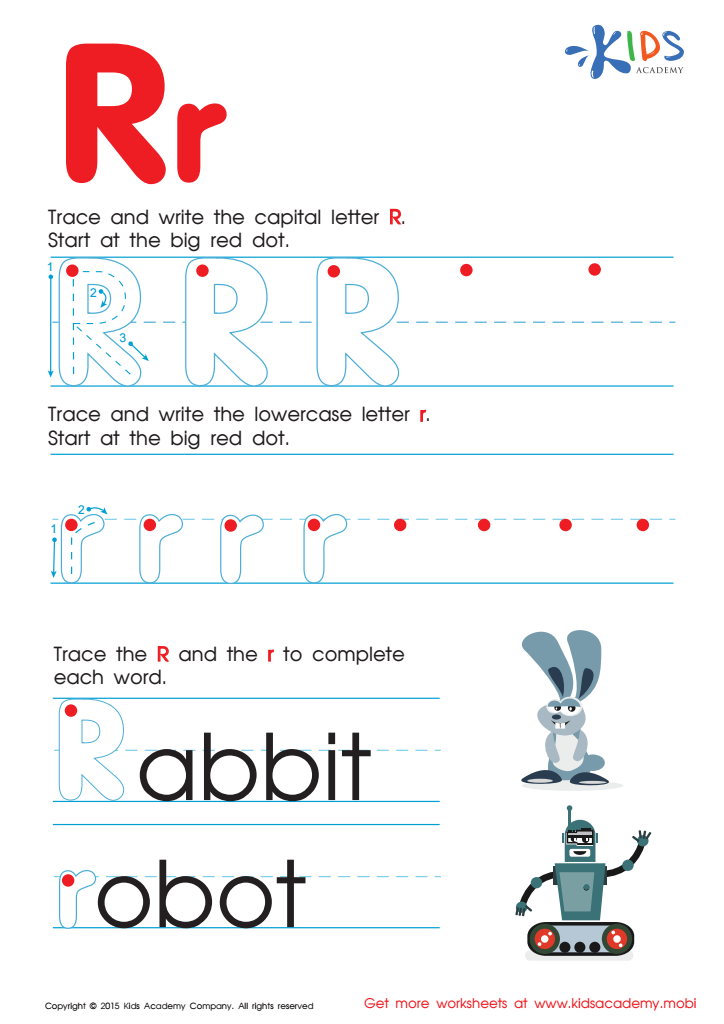
Letter R Tracing Page
 Assign to My Students
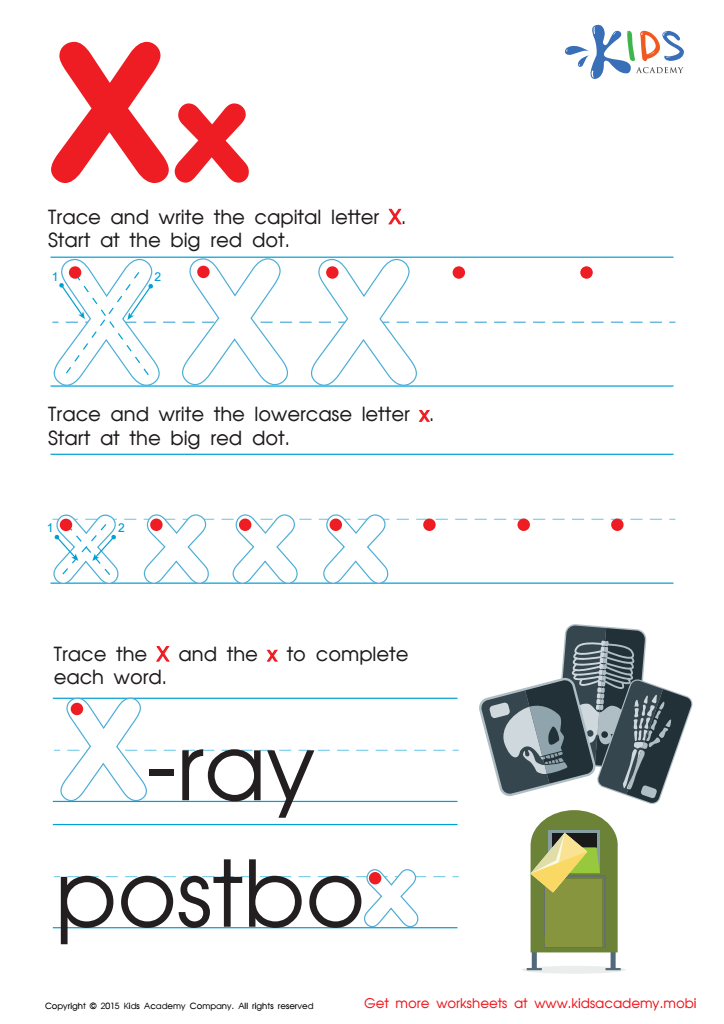
Letter X Tracing Page
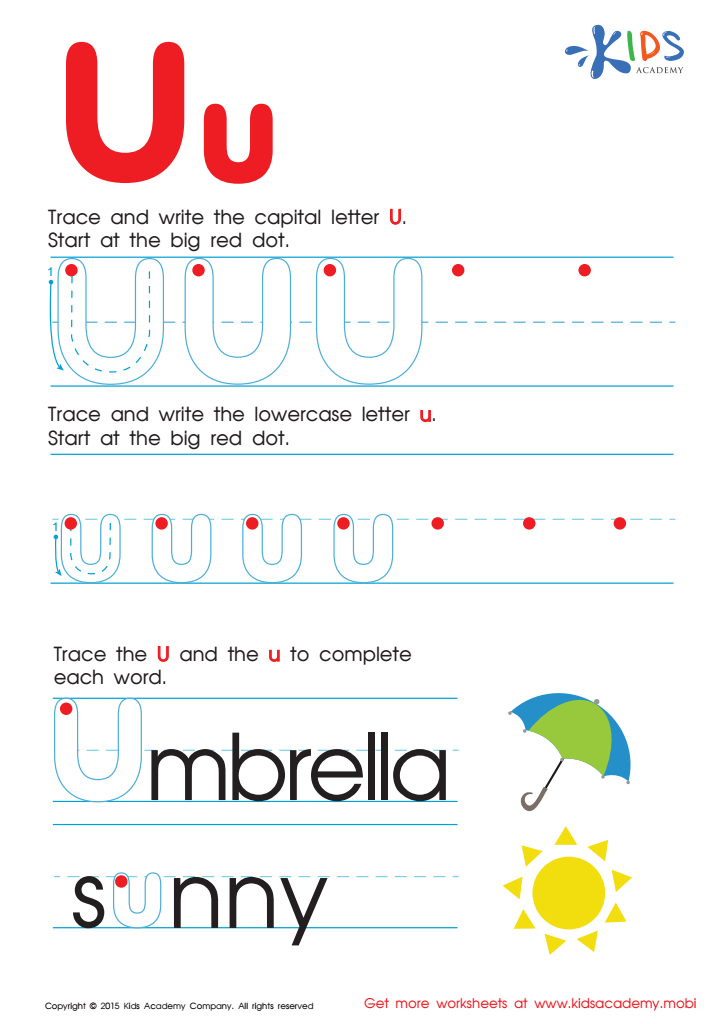
Letter U Tracing Page
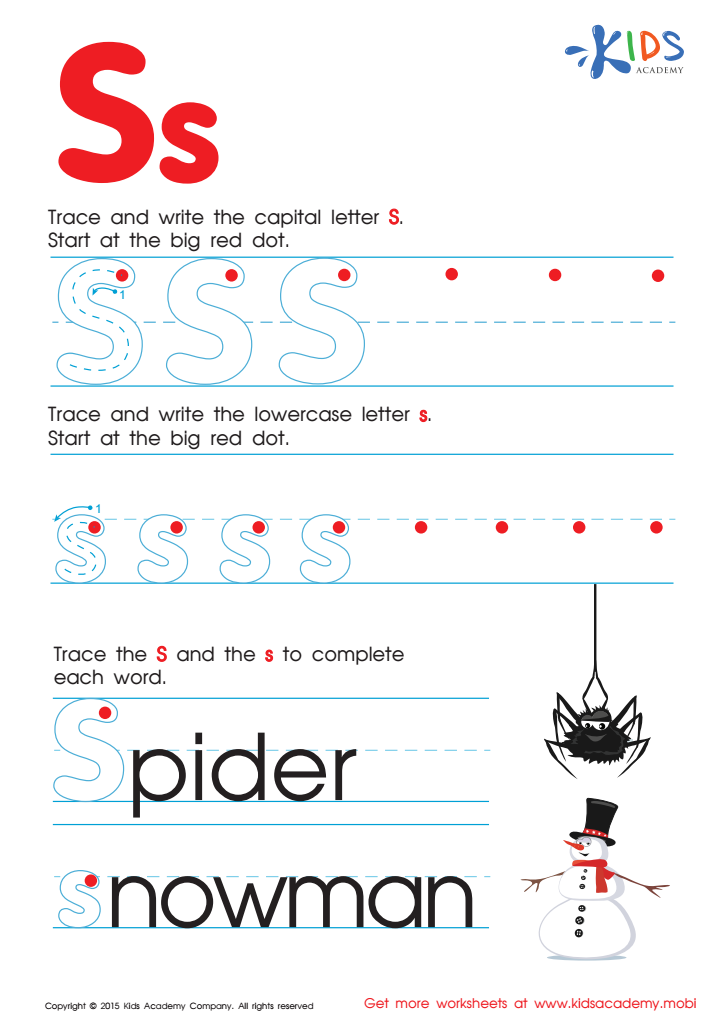
Letter S Tracing Page
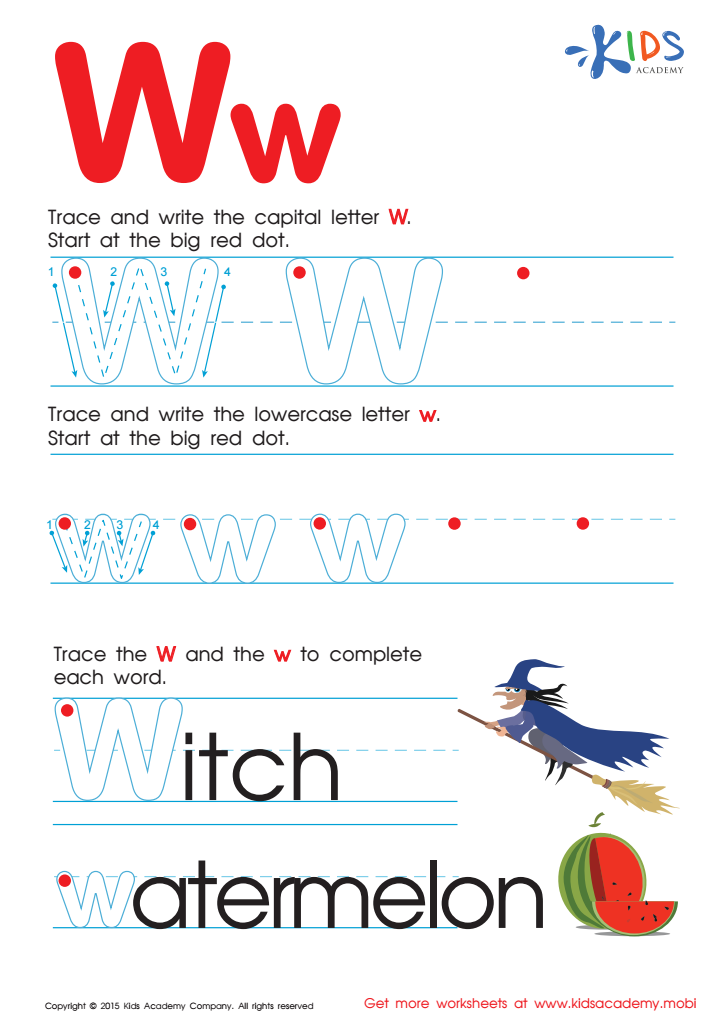
Letter W Tracing Page
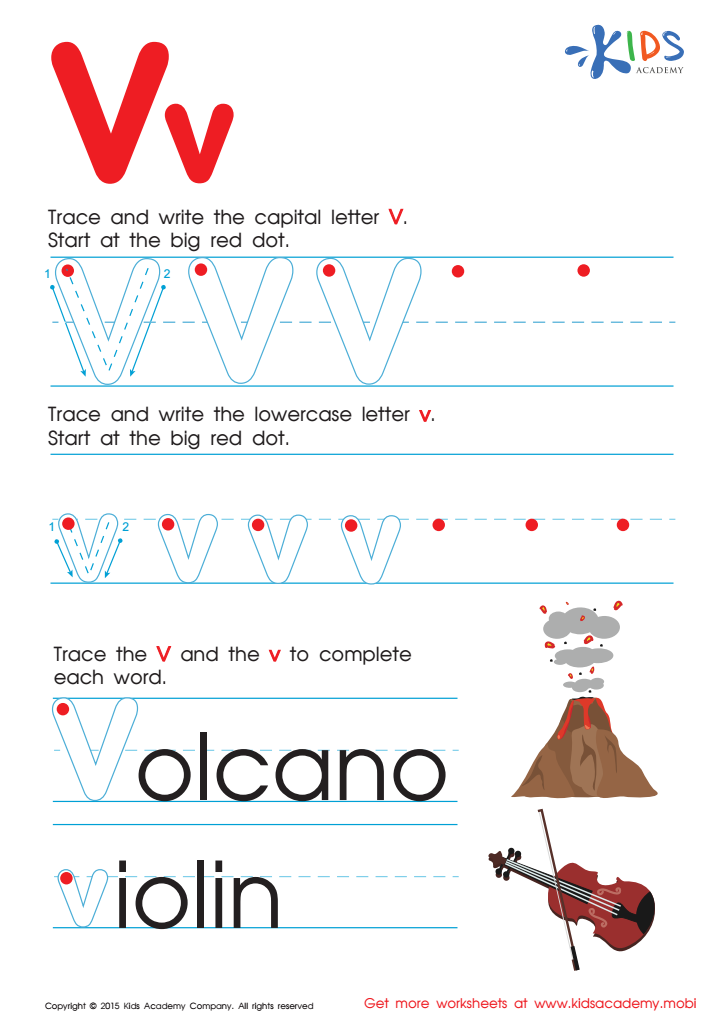
Letter V Tracing Page
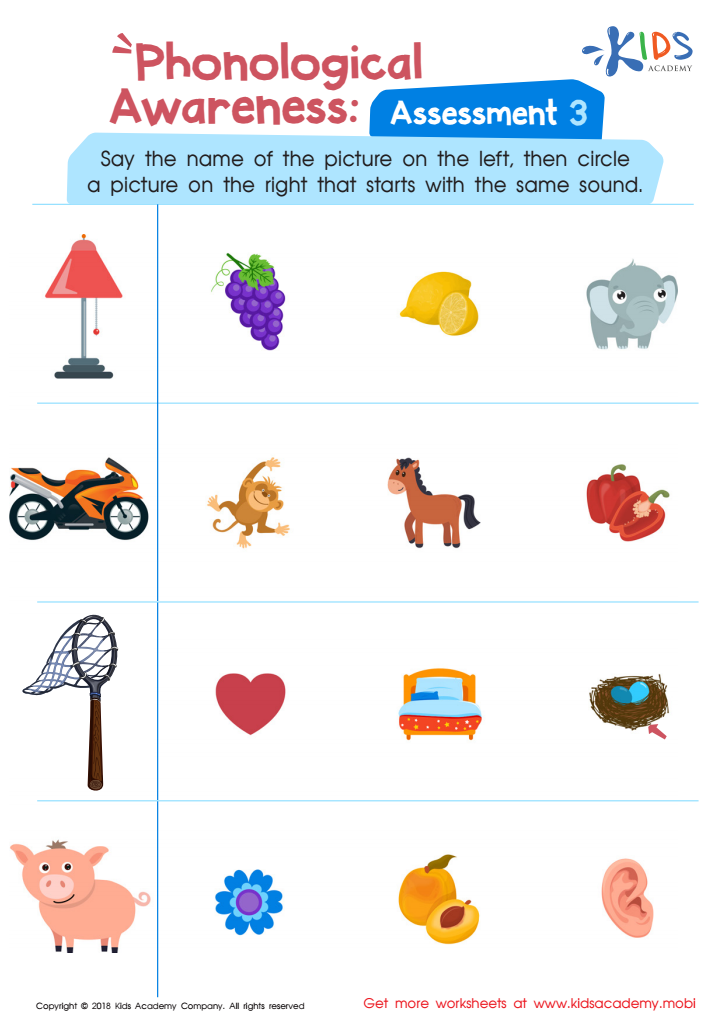
Phonological Awareness: Assessment 3 Worksheet
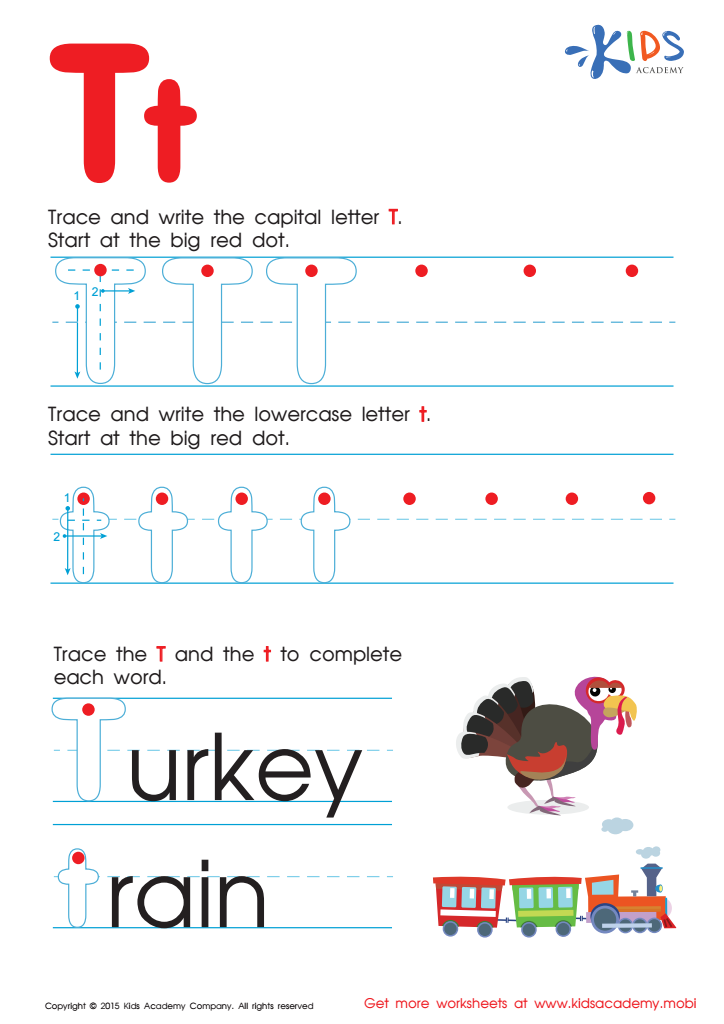
Letter T Tracing Page






Parents and teachers should care about Letter Recognition Extra Challenge Alphabet for children ages 6-9 because it plays a crucial role in early literacy development. This is the age when children transition from learning to recognize letters to becoming independent readers. An extra challenge alphabet can help solidify their understanding of the alphabet, including letter names, sounds, and shapes, fostering both phonemic awareness and reading fluency.
Engaging children with letter recognition challenges can make the learning process more fun and interactive, increasing their motivation to participate and practice. These activities can familiarize them with different fonts and styles, which will help them recognize letters in various contexts, an essential skill for reading different types of texts.
Such challenges also support cognitive development by enhancing memory, attention, and problem-solving skills. They're not just about rote memorization but encourage kids to apply their knowledge in creative ways. By mastering these basics confidently, children are set up for success in more advanced reading and writing tasks.
Additionally, these activities can help identify early learning issues such as dyslexia, allowing for timely intervention. By prioritizing letter recognition challenges, parents and teachers provide a strong foundation for their children’s future academic success and instill a lifelong love of reading.