Story sequencing Extra Challenge Worksheets for Ages 6-9
5 filtered results
-
From - To
Unlock your child's storytelling potential with our "Story Sequencing Extra Challenge Worksheets" designed specifically for ages 6-9! These engaging worksheets promote critical thinking and enhance comprehension skills by encouraging kids to arrange events in the correct order. Each activity challenges young learners to delve into captivating narratives, fostering creativity while honing their ability to understand plot progression. Ideal for both home and classroom use, these worksheets help reinforce key storytelling components while making learning fun. Watch your child become a confident storyteller as they master sequence recognition, improve organizational skills, and engage with imaginative scenarios. Start their adventure today!
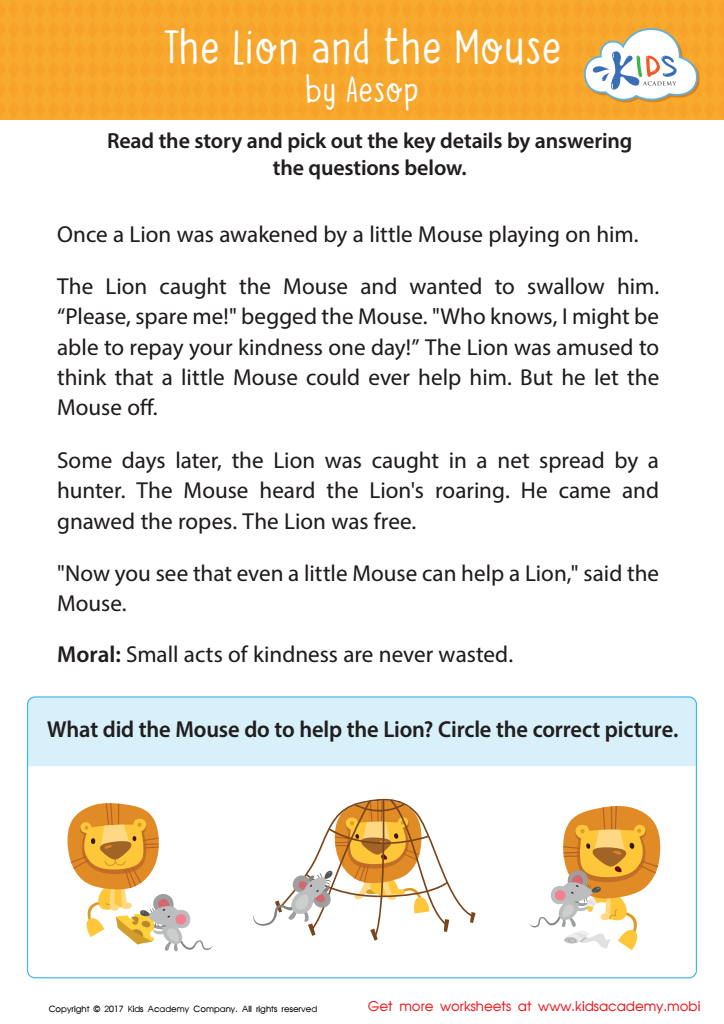
The Lion and The Mouse Sequencing Worksheet
 Assign to My Students
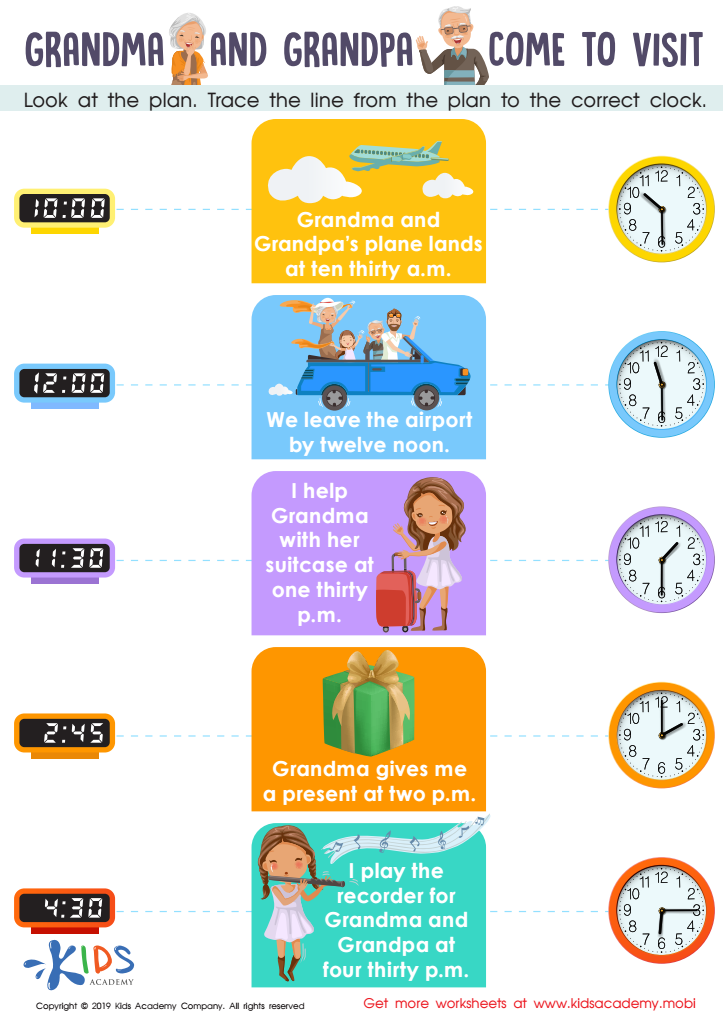
Grandpa and Grandma Come to Visit Worksheet
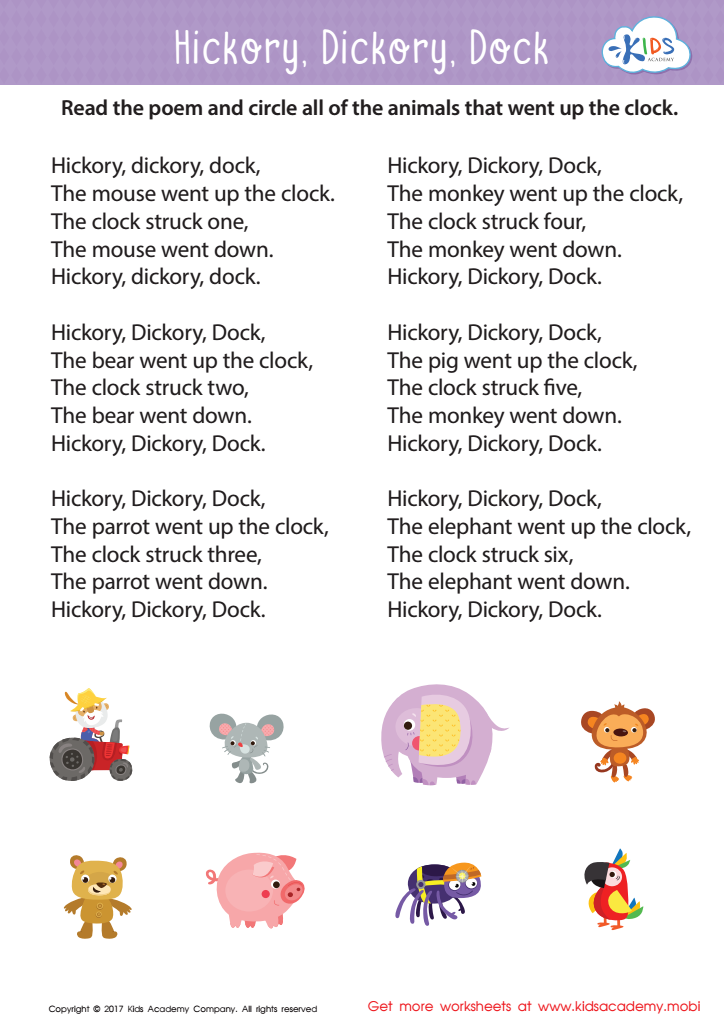
Hickory Dickory Dock Sequencing Worksheet
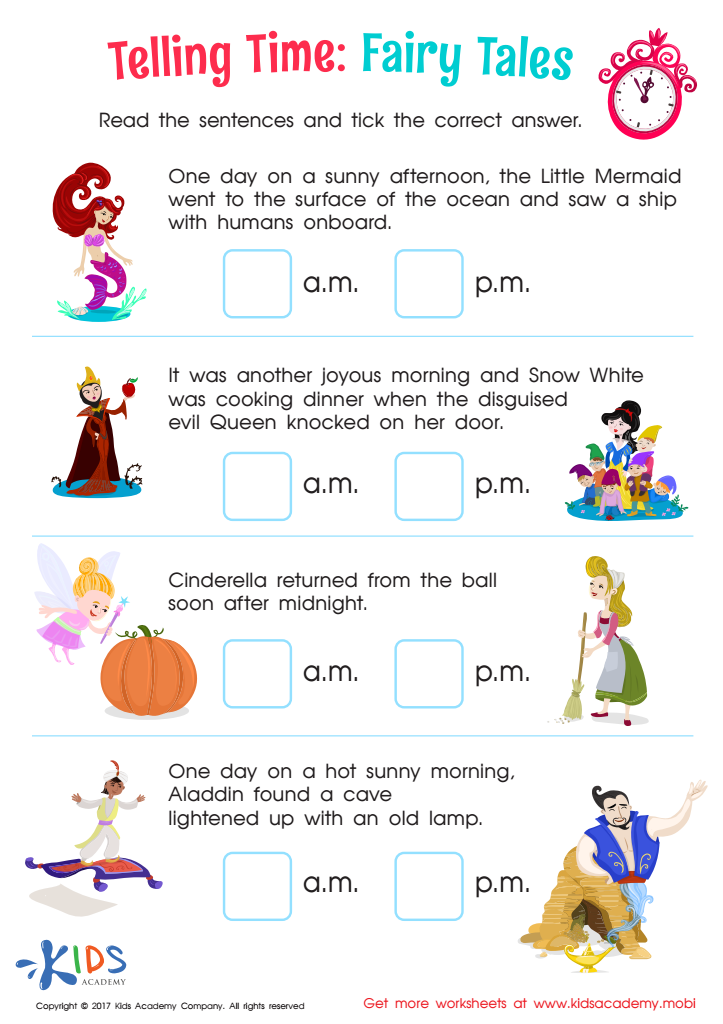
Telling Time: Fairy Tales Worksheet
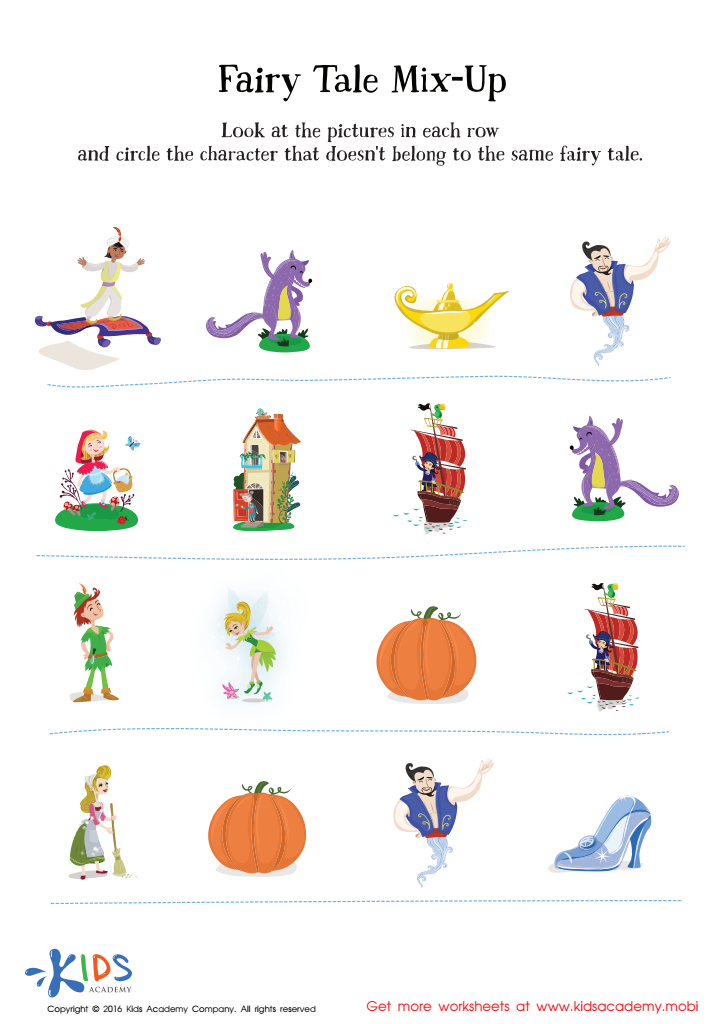
Fairy Tale Worksheet: Story Mix Up








Story sequencing is an essential skill in early literacy that helps children aged 6-9 develop a strong foundation for reading comprehension, critical thinking, and storytelling abilities. For parents and teachers, emphasizing story sequencing offers numerous benefits. Firstly, it enhances children’s understanding of narrative structure, enabling them to grasp the beginning, middle, and end of a story. This comprehension is crucial for making sense of more complex texts as they progress in their reading journey.
Additionally, story sequencing fosters cognitive skills such as memory and organization. By recalling and arranging events from a story, children learn to organize their thoughts, which is vital not only in reading but in everyday problem-solving and reasoning. Moreover, engaging children in activities that focus on sequencing can boost their creativity and imagination, as they learn to generate their own storylines and plot developments.
In a classroom setting, integrating story sequencing into lessons can facilitate discussions, encourage cooperation among peers, and enhance verbal skills. For parents, incorporating sequencing activities at home, such as retelling favorite stories or creating new ones, strengthens the parent-child bond and supports a child's literacy journey. Ultimately, prioritizing story sequencing cultivates confident readers and storytellers for the future.








