Shape Recognition Extra Challenge Math Worksheets for Ages 6-9
14 filtered results
-
From - To
Explore our "Shape Recognition Extra Challenge Math Worksheets" designed specifically for children aged 6-9! These engaging worksheets provide an exciting opportunity for young learners to deepen their understanding of shapes through fun and challenging activities. Activities include identifying, sorting, and matching various shapes, helping students enhance their critical thinking and problem-solving skills. Perfectly aligned with early math curriculum standards, these worksheets foster creativity while reinforcing shape recognition abilities. Encourage your child to tackle these stimulating challenges alone or with peers. Unlock the potential of your budding mathematician and watch their confidence soar as they conquer each fun worksheet! Enjoy the journey to mastery!
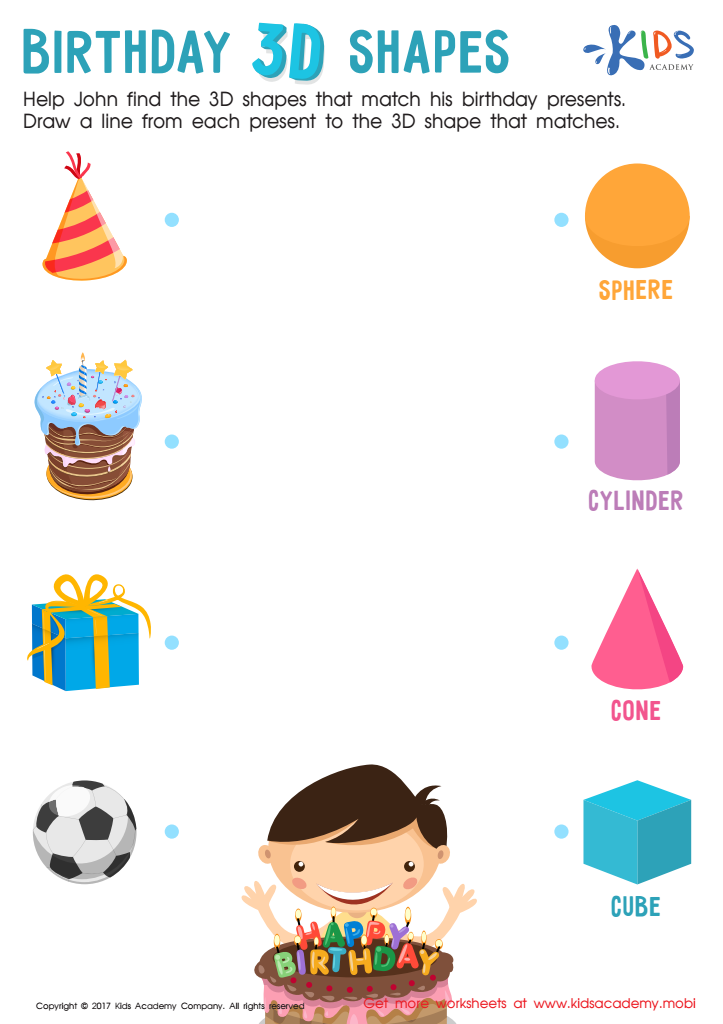
Birthday 3D Shapes Worksheet
 Assign to My Students
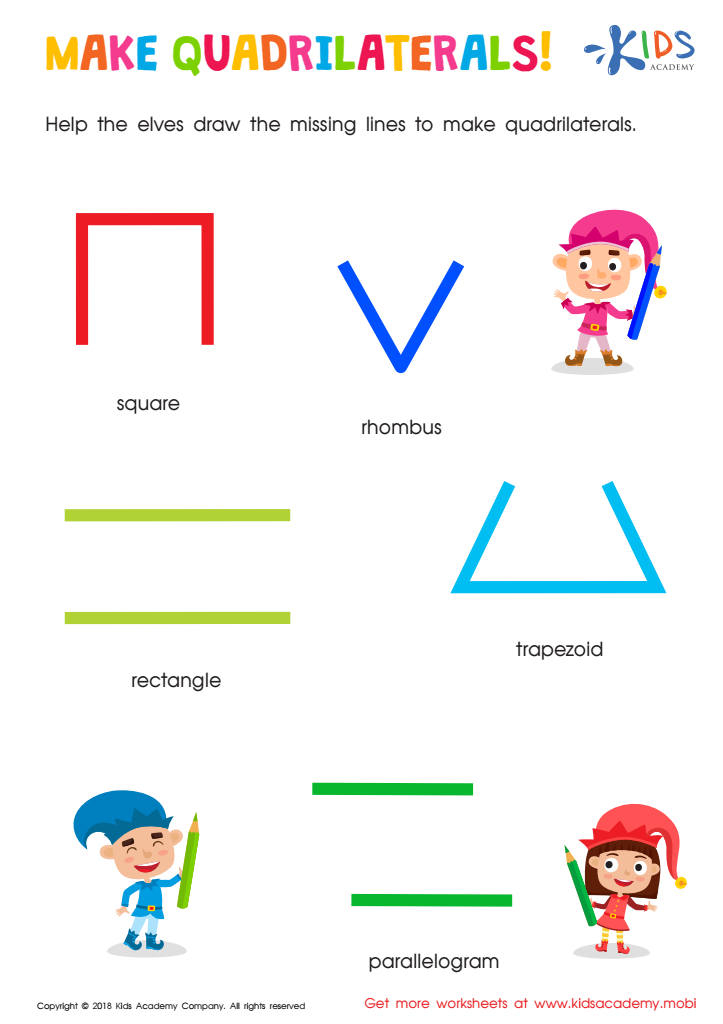
Make Quadrilaterals Worksheet
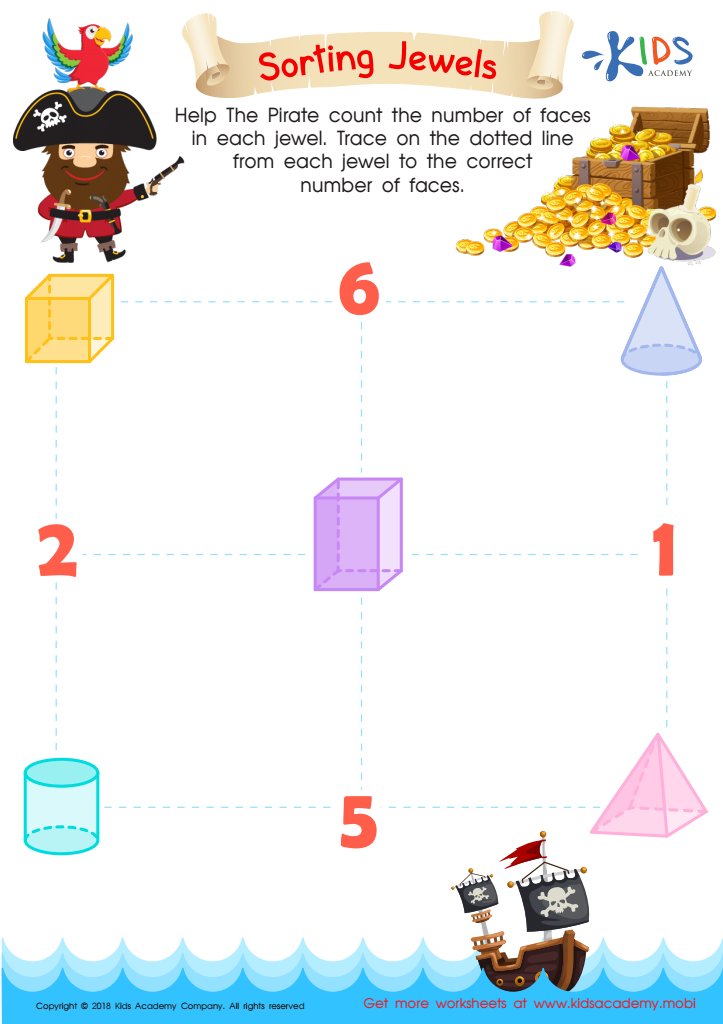
Sorting Jewels Worksheet
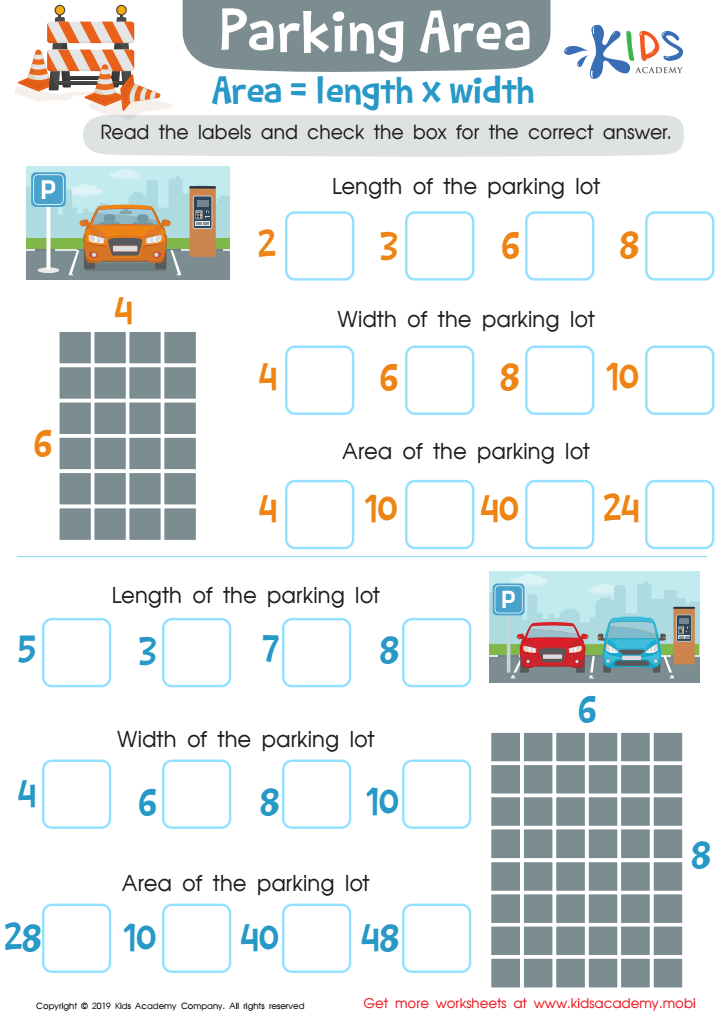
Parking Area Worksheet
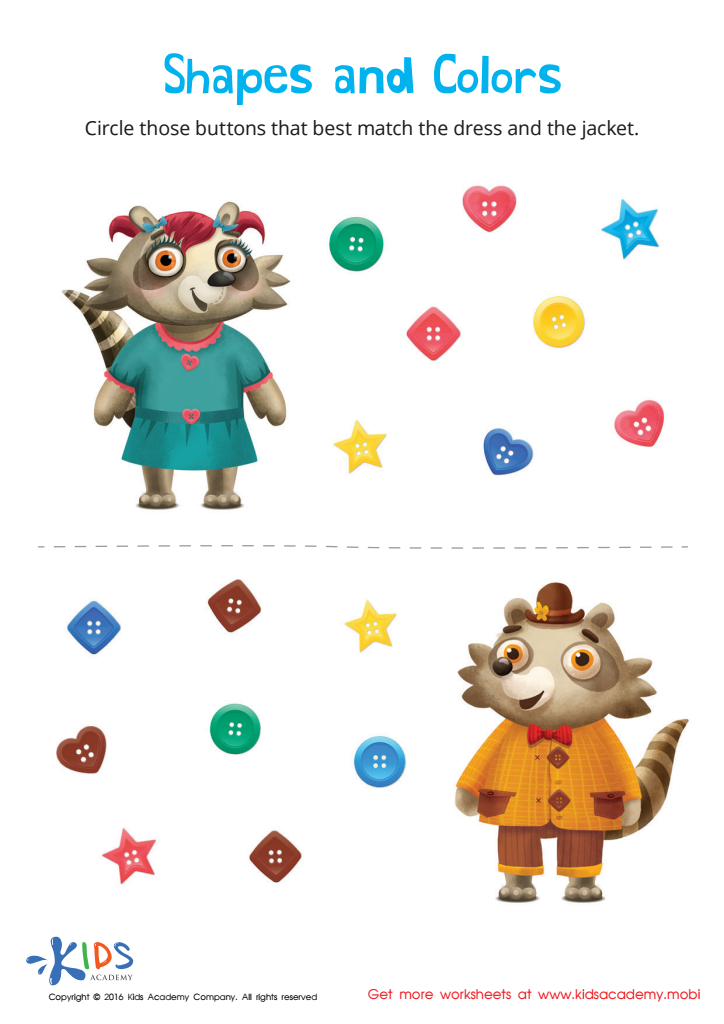
Matching: Shapes and Colors Worksheet
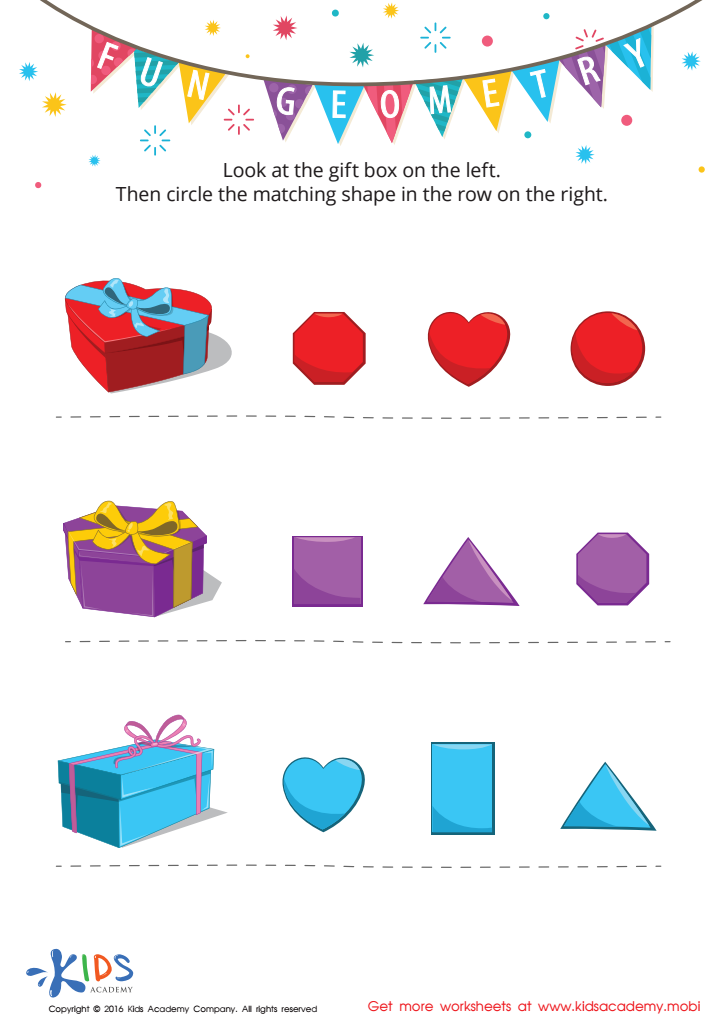
Fun Geometry Worksheet
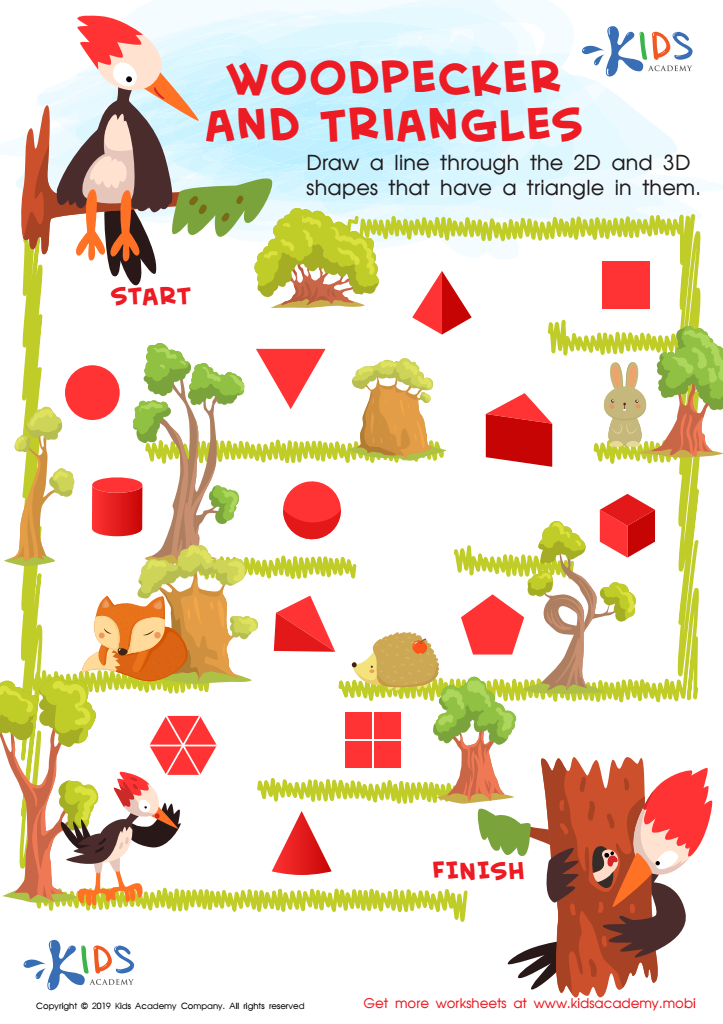
Woodpecker and Triangles Worksheet
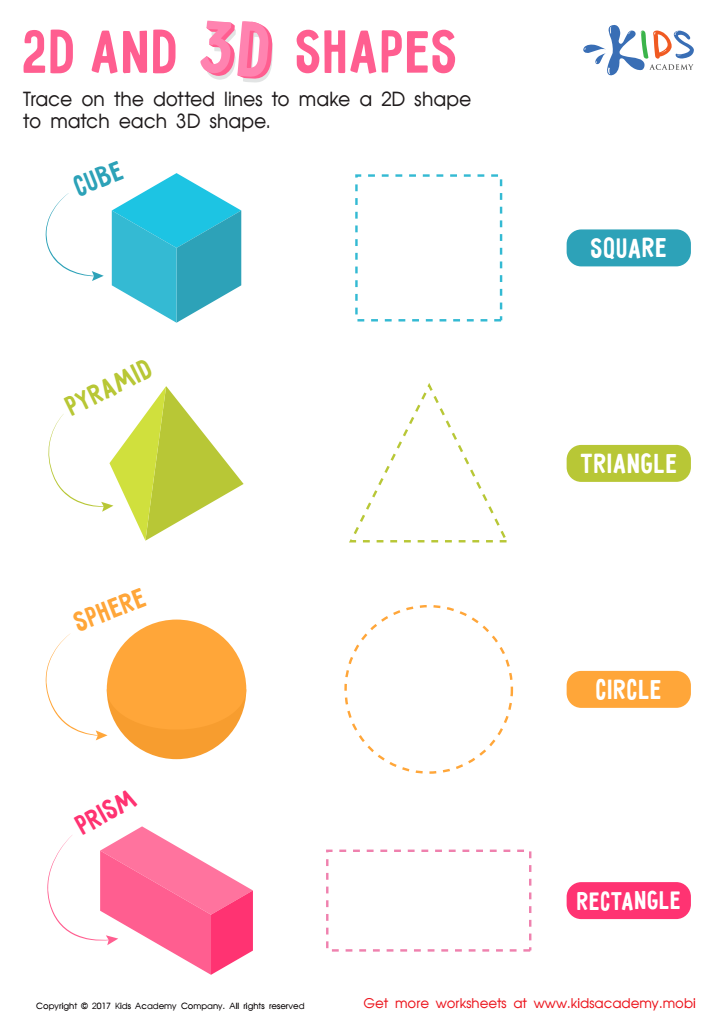
2D and 3D Shapes Worksheet
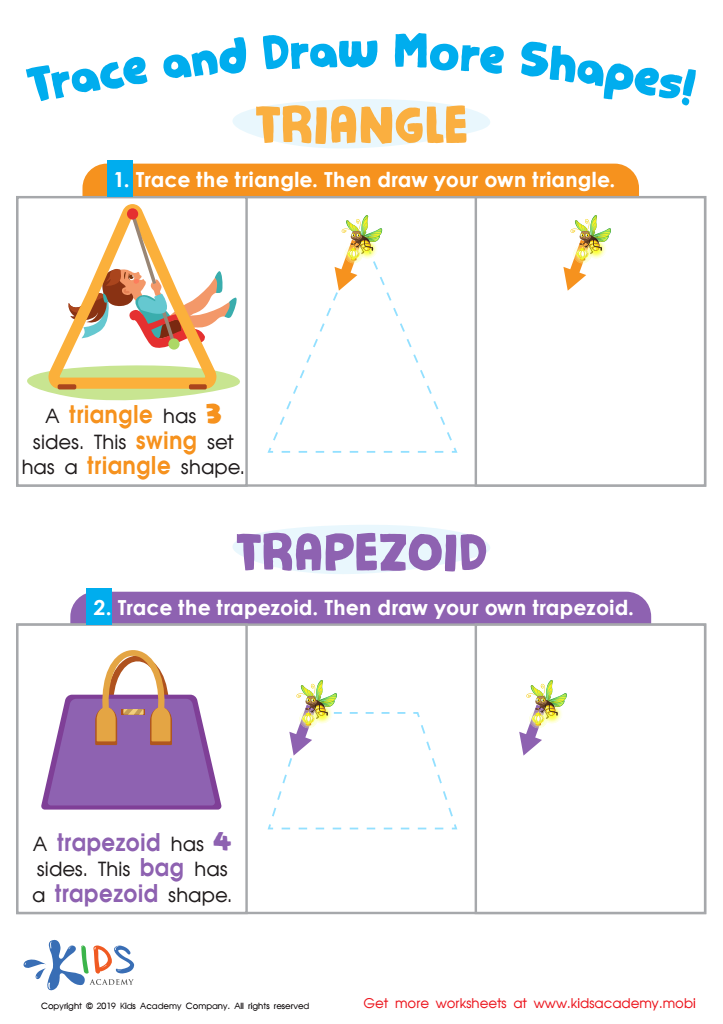
Trace and Draw More Shapes Worksheet
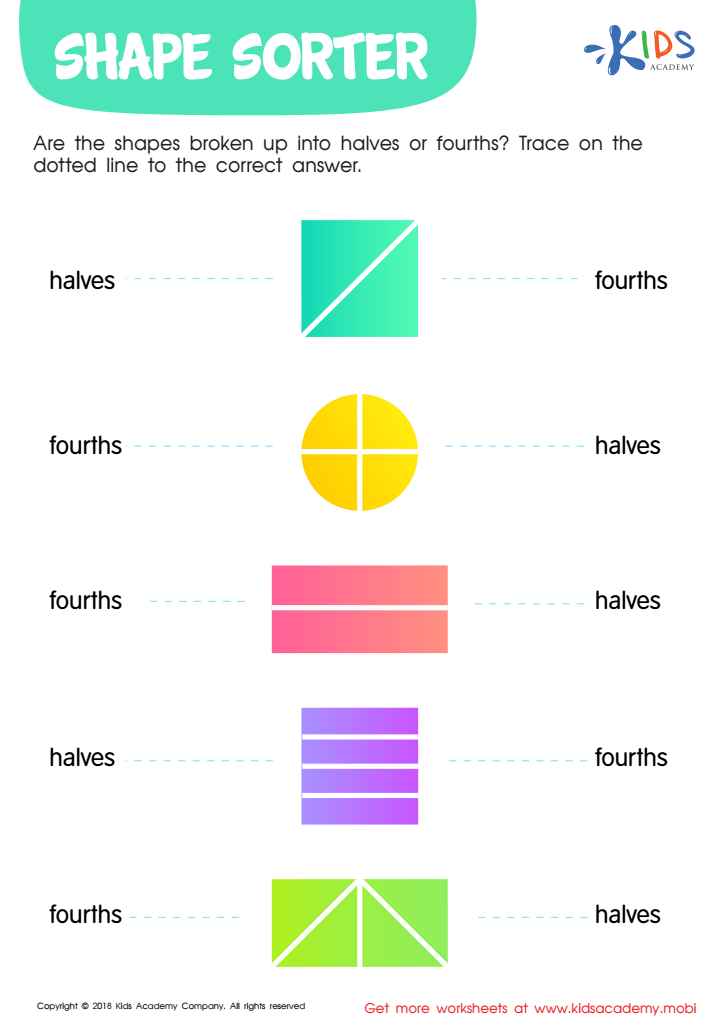
Shape Sorter Worksheet
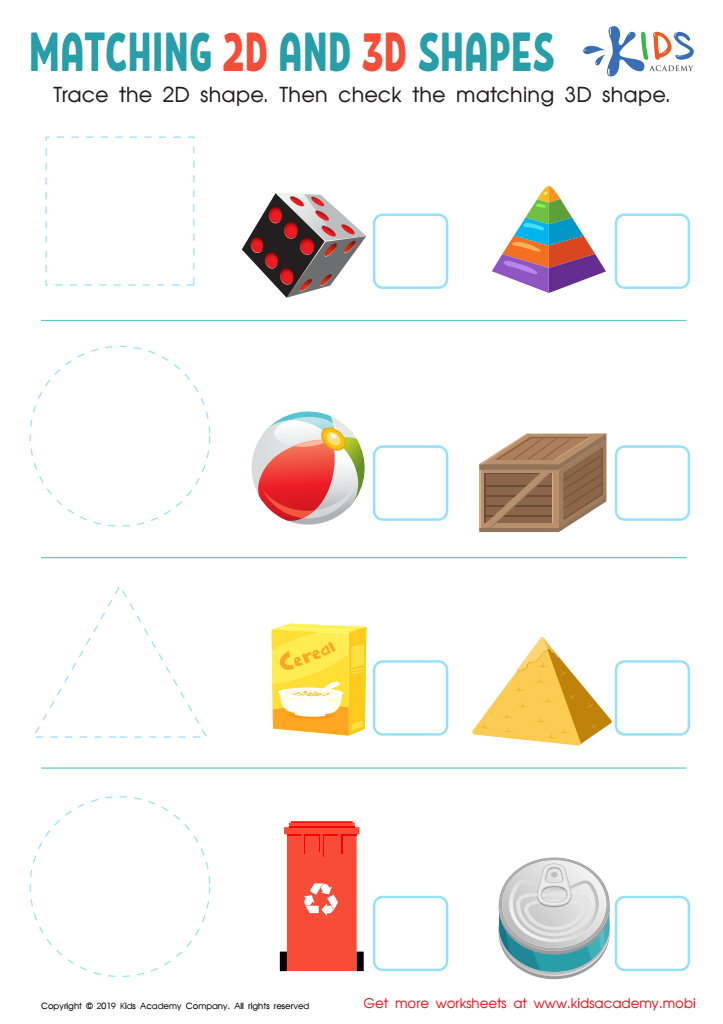
Matching 2D and 3D Shapes Worksheet
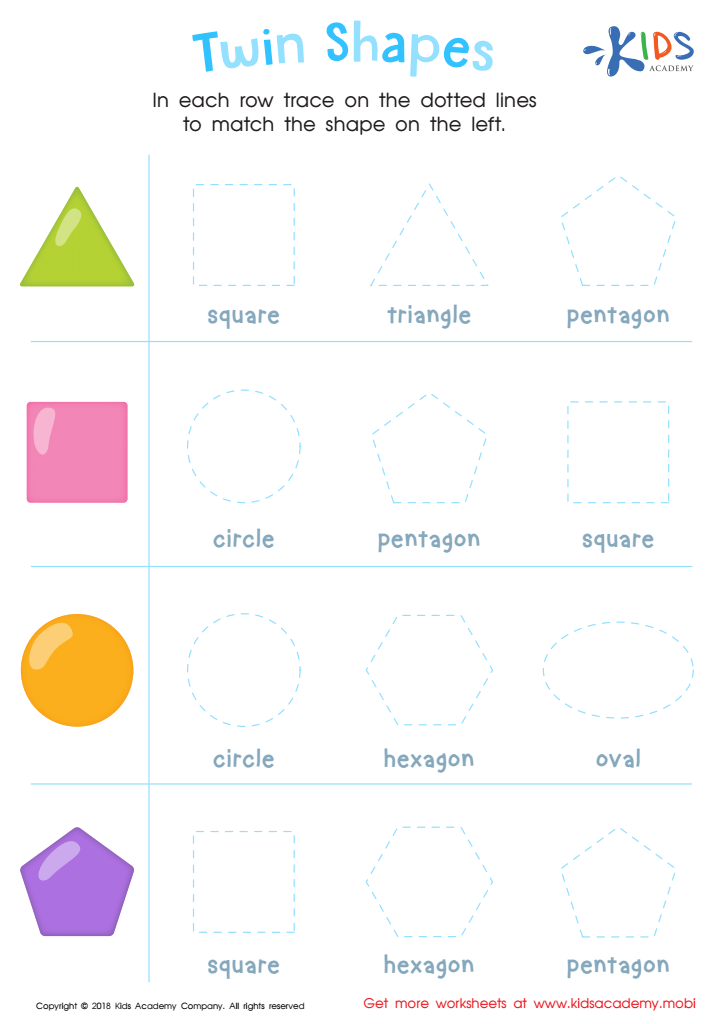
Twin Shapes Dot-to-Dot Worksheet
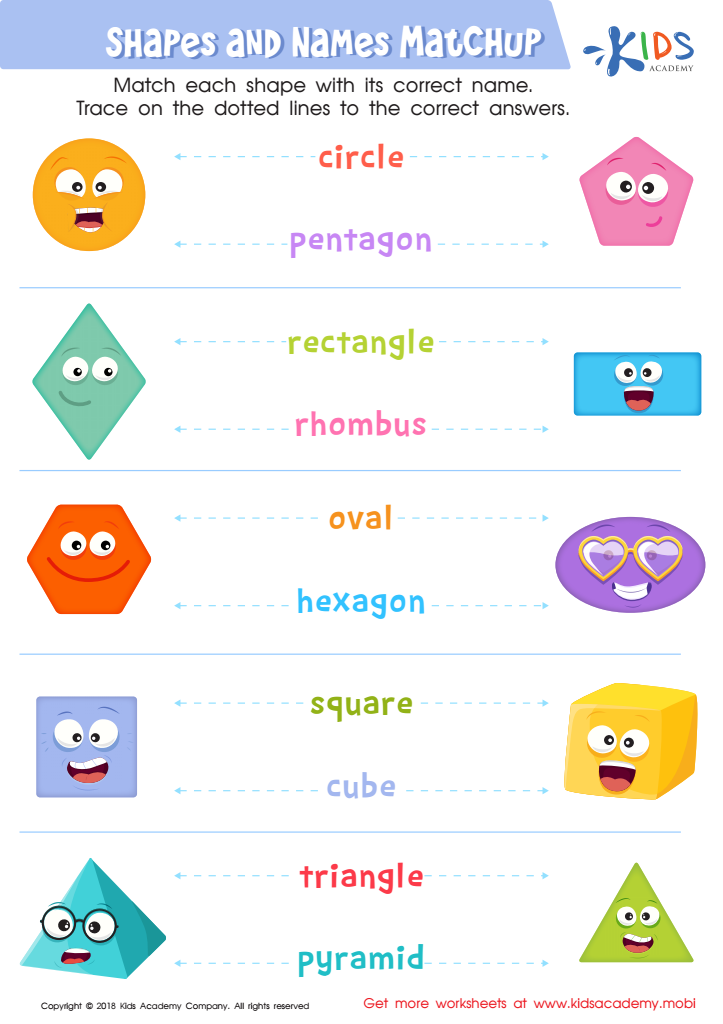
Shapes and Names Matchup Worksheet
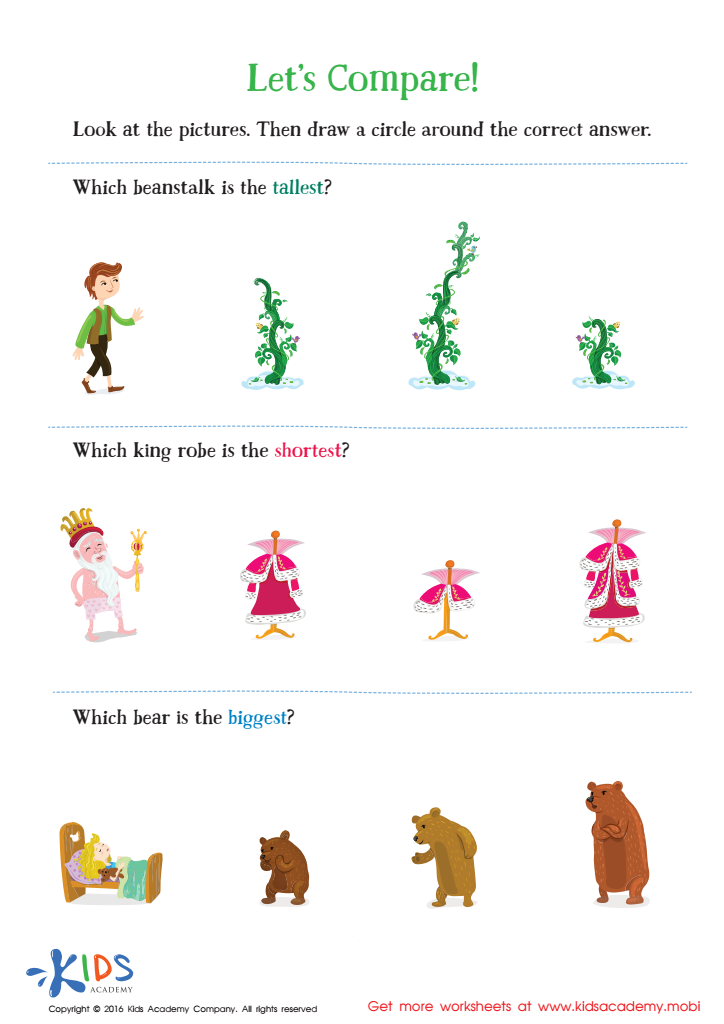
Fairy Tale Worksheet: Let's Compare







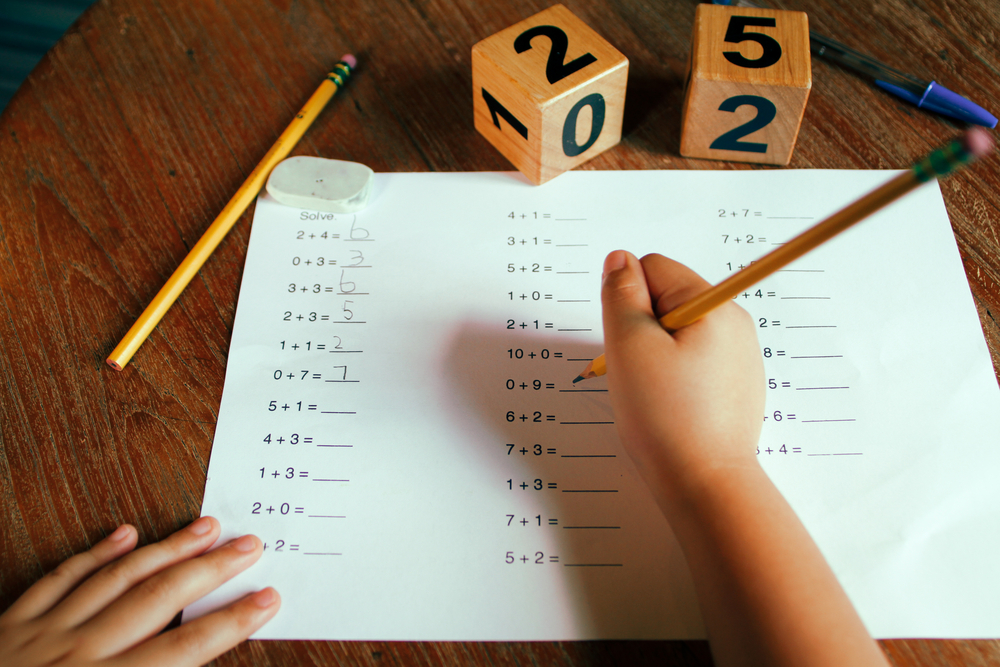
Shape Recognition Extra Challenge Math for ages 6-9 is a vital tool for parents and teachers because it enhances foundational math skills while fostering critical cognitive development. At this age, children are naturally curious and eager to explore their surroundings. Engaging them with shape recognition exercises not only bolsters their understanding of geometry but also sharpens problem-solving abilities, spatial awareness, and analytical thinking.
Recognizing shapes goes beyond mere identification; it helps students make connections between visual objects and mathematical concepts. This skill is crucial for later success in geometry and other math-related disciplines. Shape recognition activities can also promote fine motor skills and hand-eye coordination as children manipulate shapes through drawing, cutting, or constructing.
Additionally, integrating extra challenge activities keeps learning exciting and encourages a growth mindset. As students tackle more complex tasks, they build resilience and confidence in their abilities. It bridges learning gaps and accommodates diverse skill levels, allowing for differentiated instruction. Ultimately, supporting children with these challenges prepares them for higher-level math later in their education, promoting both academic achievement and a lasting love for learning. Such early interventions can set a strong, positive foundation for their future educational journey.








