Fine Motor Skills Extra Challenge Science Worksheets for Ages 6-9
3 filtered results
-
From - To
Introducing our Fine Motor Skills Extra Challenge Science Worksheets for ages 6-9! These expertly crafted materials combine science exploration with engaging fine motor activities that keep young hands productive and minds active. Perfect for children seeking an extra challenge, these worksheets boost precision, coordination, and scientific curiosity. Each page features stimulating tasks like drawing, tracing, cutting, and assembly that align with essential scientific concepts, promoting both cognitive and motor development. Ideal for classroom or home use, inspire your child’s learning journey today with our innovative approach to fun, hands-on education! Unlock their potential with our exciting extra challenge worksheets.
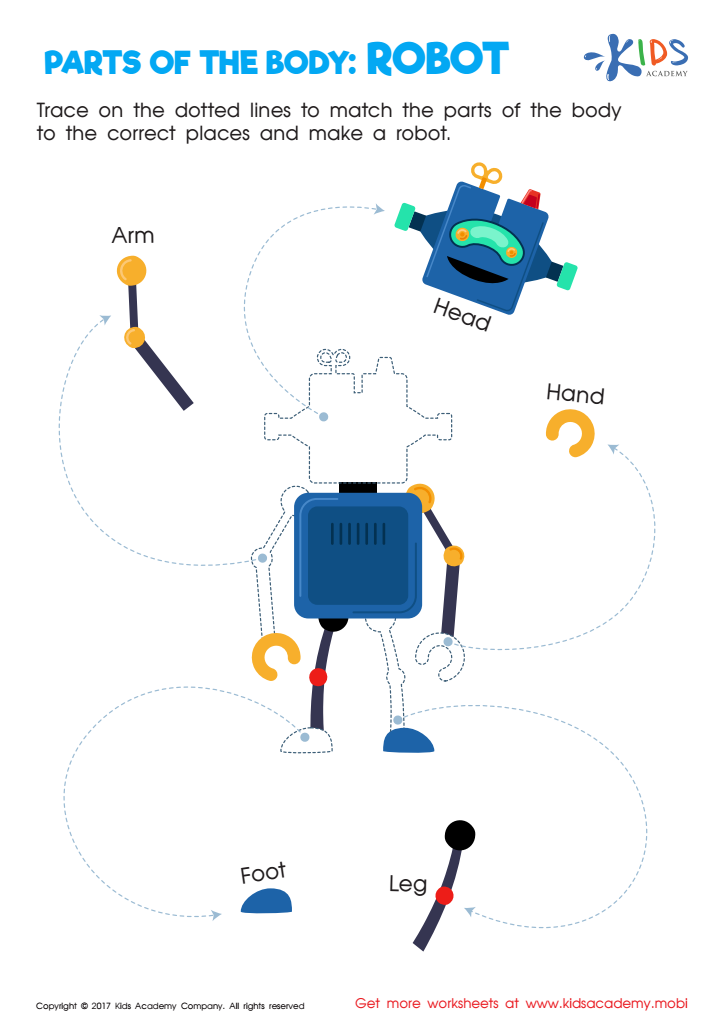
Robot Printable
 Assign to My Students
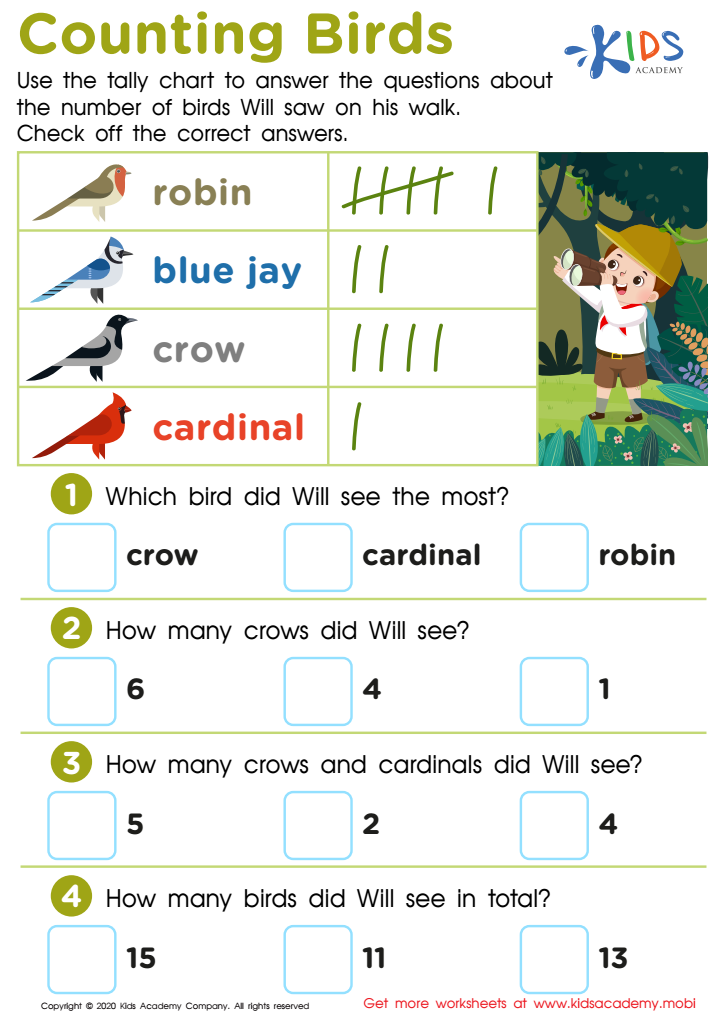
Counting Birds Worksheet
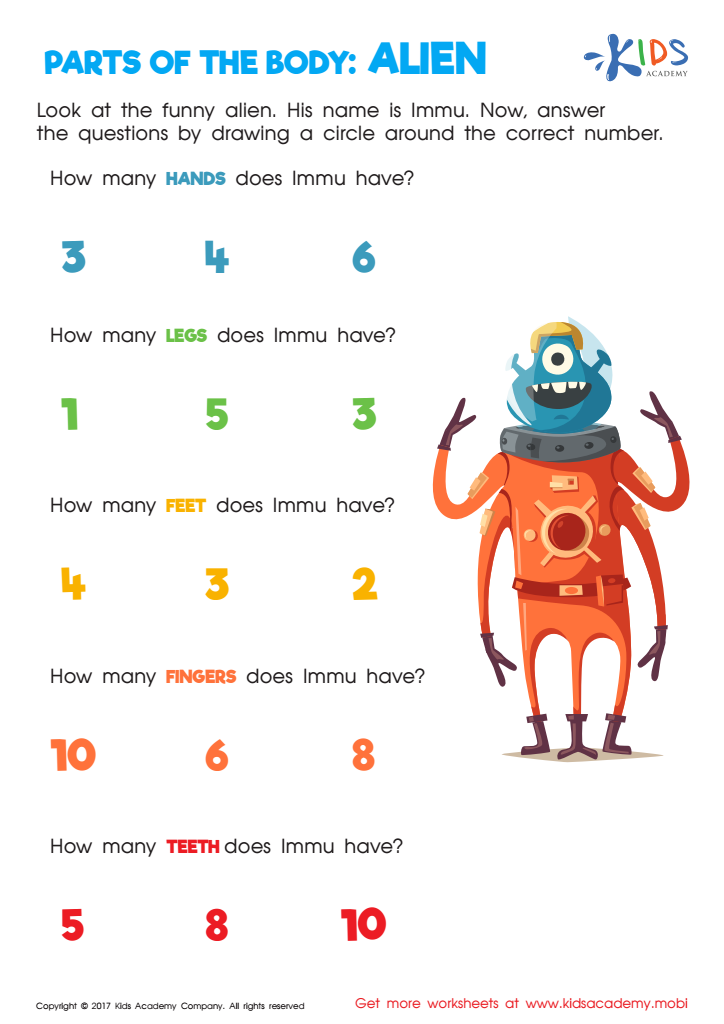
Alien Worksheet








Fine Motor Skills Extra Challenge Science for ages 6-9 is critically important for young learners because it bridges the gap between physical development and cognitive growth. Fine motor skills—the precise control of small muscles in the hands and fingers—are essential for performing everyday tasks such as writing, buttoning clothes, and using utensils. By engaging in activities that specifically target these skills through the lens of science, children can develop both academic and practical competencies.
A focus on fine motor skills challenges aligned with science tasks provides a dual benefit: enhancing tactile dexterity while fostering a sense of curiosity and understanding of the world. This age group is at a pivotal stage where foundational learning techniques shape their future academic success. When children manipulate tiny objects, construct simple machines, or solve puzzles as part of their science education, they build hand strength, coordination, and visual-motor integration. Moreover, integrating science into these tasks expands children’s horizons, promoting critical thinking and problem-solving abilities.
By prioritizing Fine Motor Skills Extra Challenge Science activities, parents and teachers encourage a well-rounded development that combines physical dexterity with intellectual inquiry. Ultimately, this structured yet dynamic approach sets the stage for lifelong skills in both practical tasks and academic disciplines.