Basic Math Skills Extra Challenge Worksheets for 6-Year-Olds - Page 2
27 filtered results
-
From - To
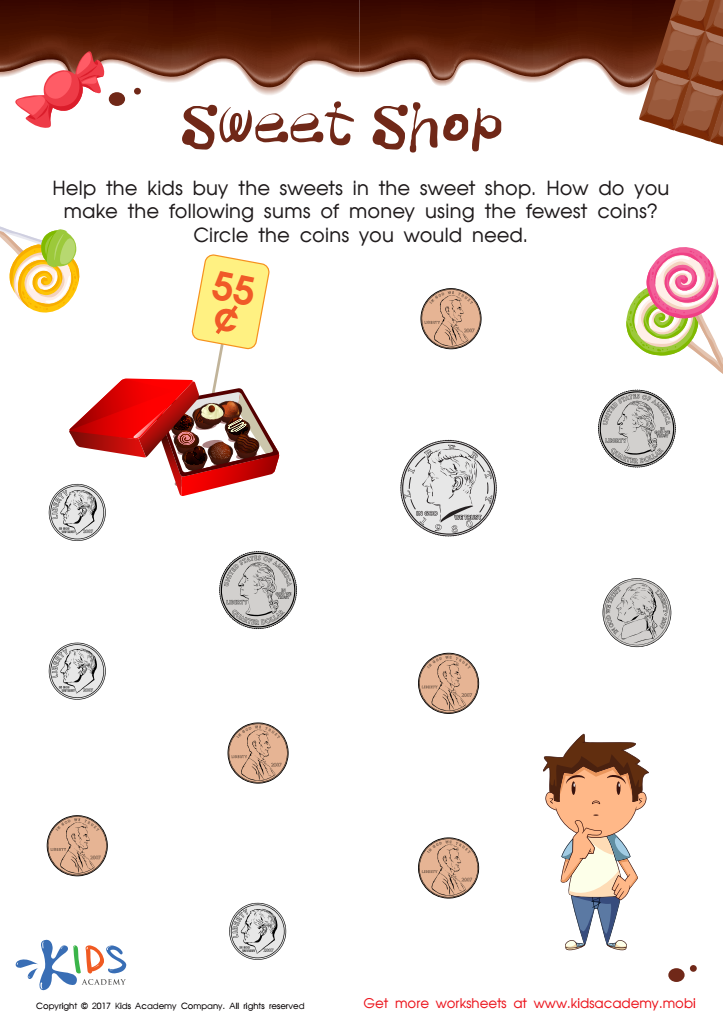
Sweet Shop – Counting Coins Worksheet
 Assign to My Students
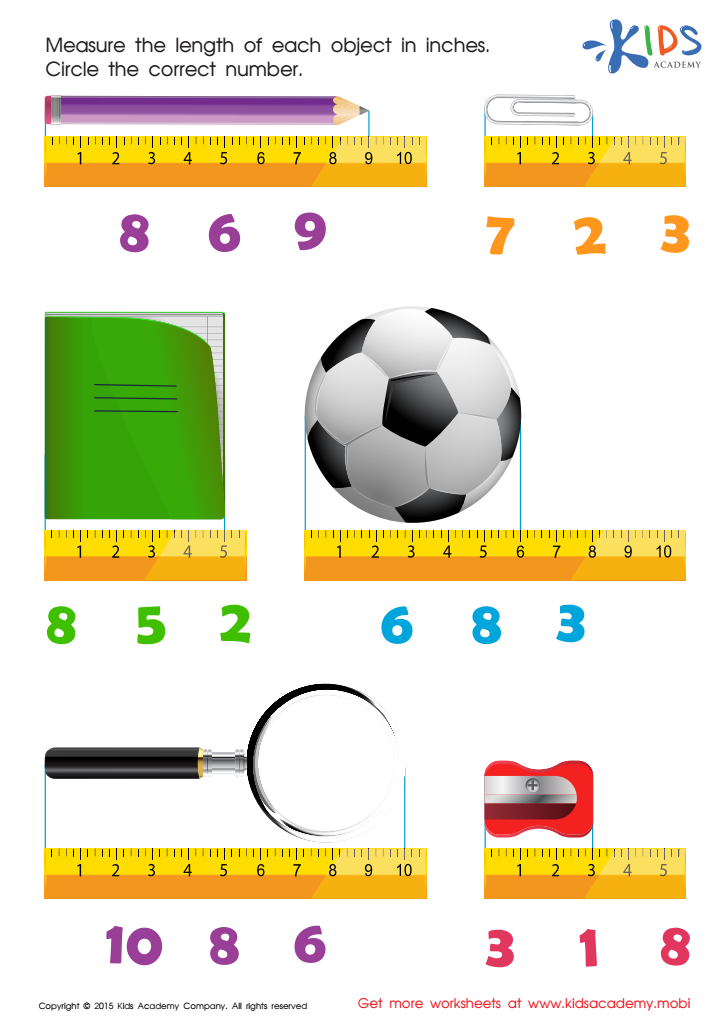
Learning measuring objects in inches Worksheet
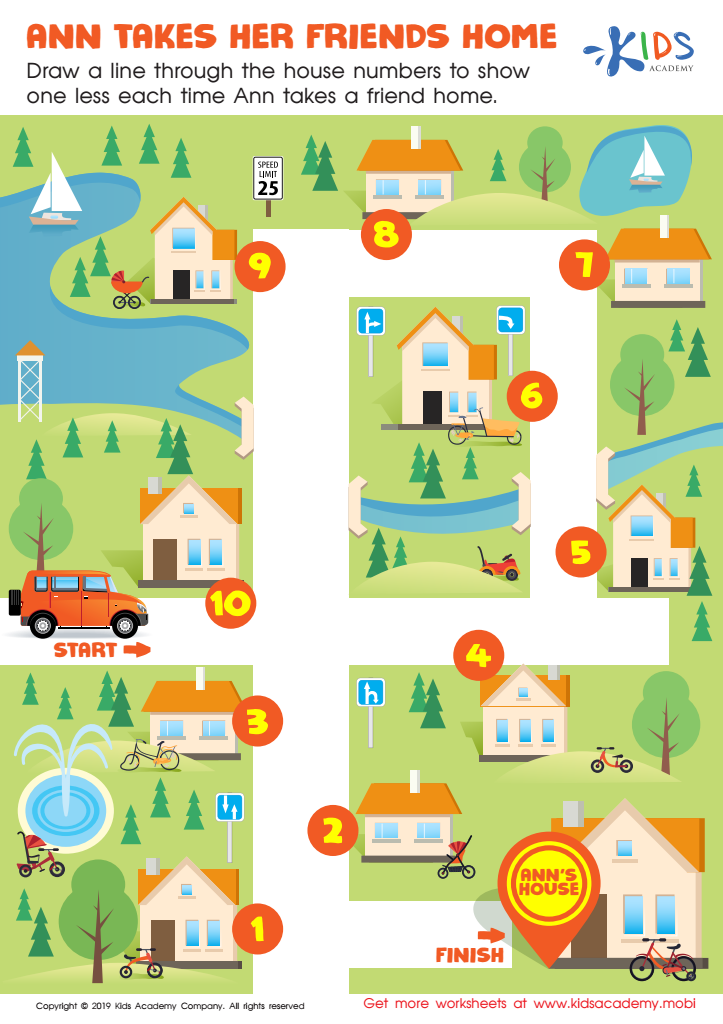
Ann Takes her Friends Home Worksheet







Basic math skills are foundational to a child's educational journey, and challenging them appropriately can foster a lifelong love for learning. For 6-year-olds, the development of math skills goes beyond rote memorization; it encourages critical thinking, problem-solving, and reasoning abilities. Engaging children with extra challenges can enhance their cognitive development and boost their confidence.
When parents and teachers introduce extra challenges, it demonstrates that they value curiosity and resilience in learning. This approach helps children to recognize that mistakes are a part of the learning process, promoting a growth mindset. Furthermore, using fun and interactive challenges, like games or puzzles, makes math enjoyable, which can spark lasting interest and enthusiasm for the subject.
Investing time in basic math skills at this age can pay dividends as children progress. It helps set the stage for more complex concepts in later grades, paving the way for success in STEM-related fields. In a society that increasingly relies on technology and analytical skills, ensuring that young learners are comfortable with math is essential. Ultimately, nurturing these skills empowers children, equipping them with the tools they need to overcome future academic challenges and succeed in life.








