Matching skills Extra Challenge Worksheets for 6-Year-Olds
4 filtered results
-
From - To
Introducing our Matching Skills Extra Challenge Worksheets designed for 6-year-olds! These engaging worksheets provide an entertaining way for young learners to develop crucial matching skills. Each activity presents a fun challenge, fostering critical thinking and problem-solving abilities. From matching objects and shapes to pairing related items, your child will enjoy every moment of interactive learning. Perfect for home or classroom use, these professionally crafted worksheets align with educational standards, ensuring your child gains valuable skills while having fun. Help boost your child's cognitive and visual discrimination skills with our expertly designed matching activities today!
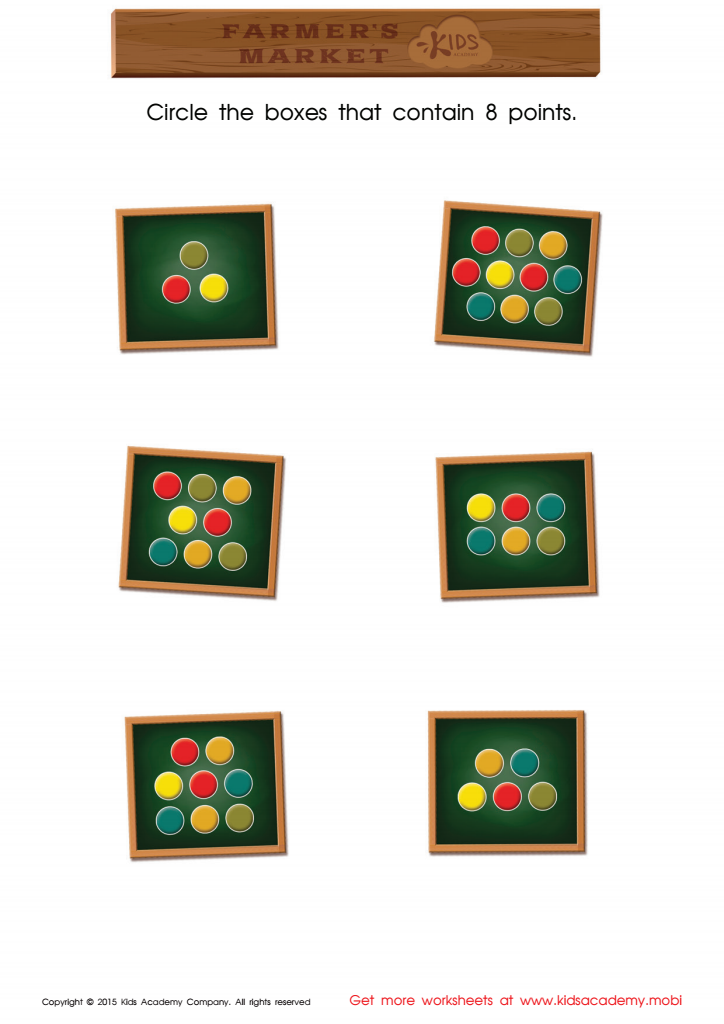
Count and Match Points 8 Math Worksheet
 Assign to My Students
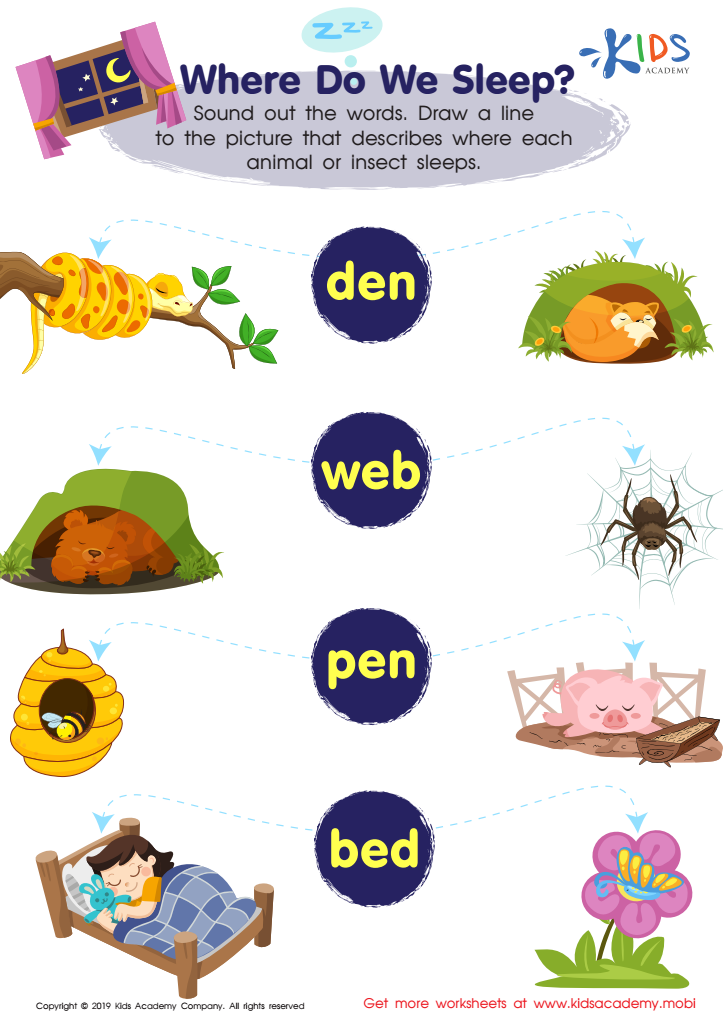
Where Do We Sleep Worksheet
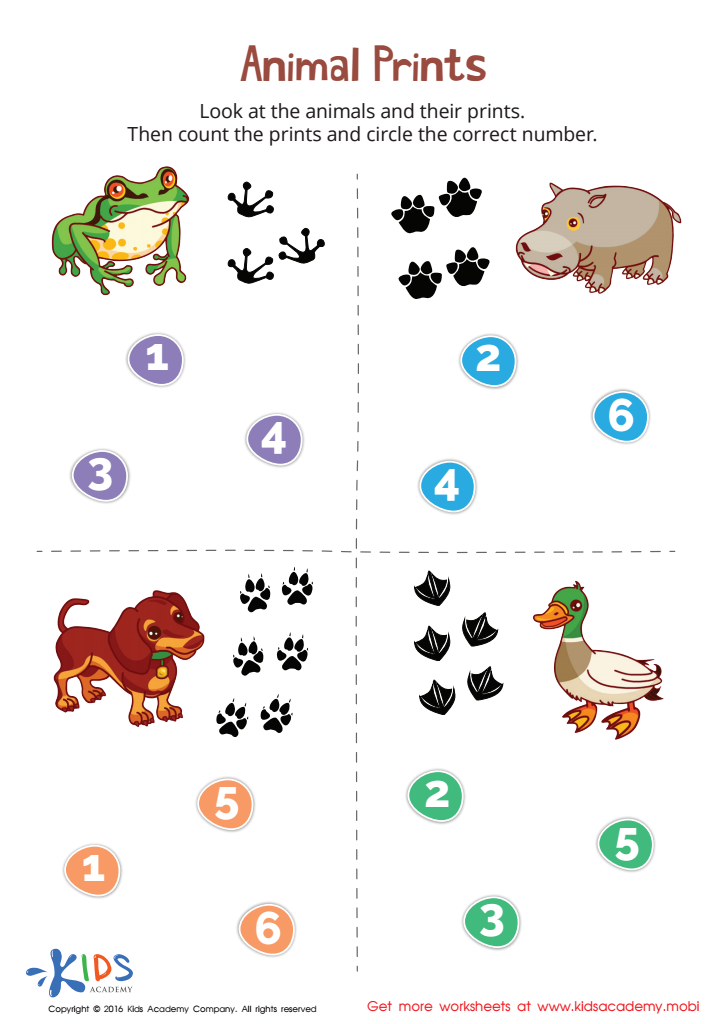
Animal Prints Match-Up Worksheet
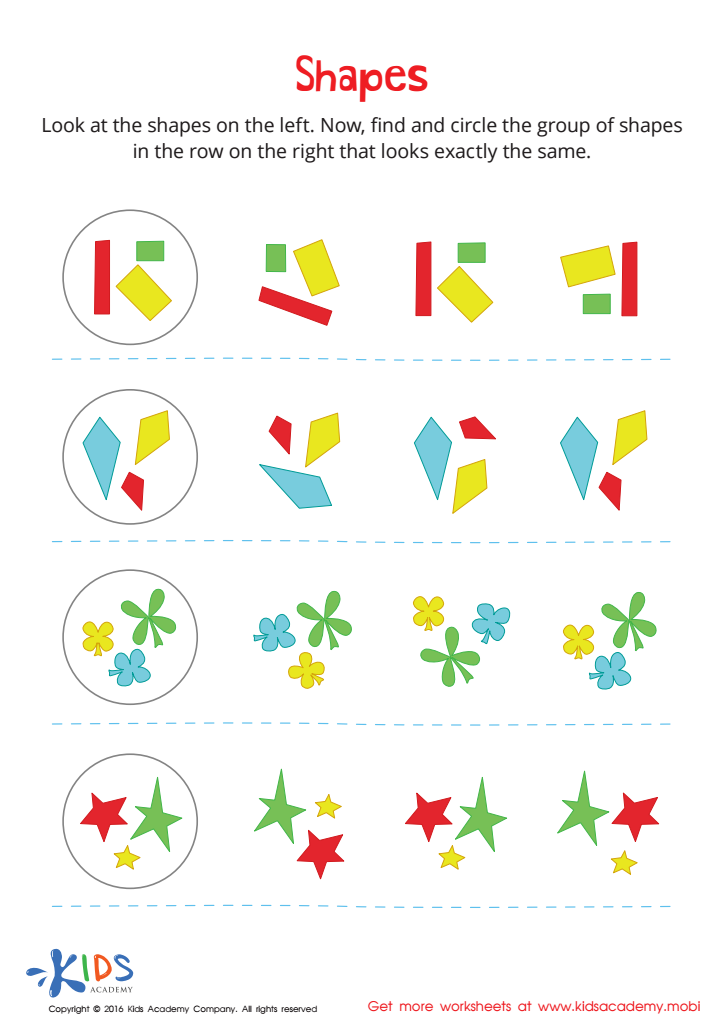
Shapes Worksheet




.jpg)

Parents and teachers should prioritize matching skills for 6-year-olds due to their essential role in cognitive development and foundational learning. Matching activities involve recognizing and pairing items based on similarities, encompassing shape, color, size, or other attributes. This process strengthens critical thinking and enhances visual discrimination, which are crucial for reading and mathematical abilities. For instance, recognizing letter shapes and numbers directly correlates with matching skills, enabling smoother literacy and numeracy progress.
Engaging in extra matching challenges offers children numerous benefits. It promotes problem-solving and decision-making skills as they identify patterns and establish connections between different items. These activities also foster attention to detail, patience, and persistence, which are vital lifelong skills. Furthermore, matching skills improve memory and concentration, as children retain information better when they repeatedly identify and pair similar items.
Additionally, matching exercises can be socially interactive and fun, encouraging cooperative play and communication among peers. When performed in a group setting, these challenges facilitate teamwork and verbal expression.
In conclusion, focusing on matching skills for 6-year-olds nurtures their overall cognitive growth and sets a strong foundation for subsequent academic success. Both parents and teachers play a pivotal role in providing and encouraging enriching matching activities to support early childhood development.








