Pattern recognition Extra Challenge Math Worksheets for 6-Year-Olds
4 filtered results
-
From - To
Discover our "Pattern Recognition Extra Challenge Math Worksheets" designed specifically for 6-year-olds eager to enhance their mathematical skills! These engaging worksheets encourage young learners to identify, create, and extend patterns using shapes, colors, and numbers. Tailored to spark curiosity and critical thinking, each worksheet presents exciting challenges that foster a love for math while improving cognitive development. Perfect for classroom use or at home, these resources provide parents and educators with a fun way to support children’s growth in pattern recognition. Explore our collection today and watch your child flourish through interactive learning experiences!
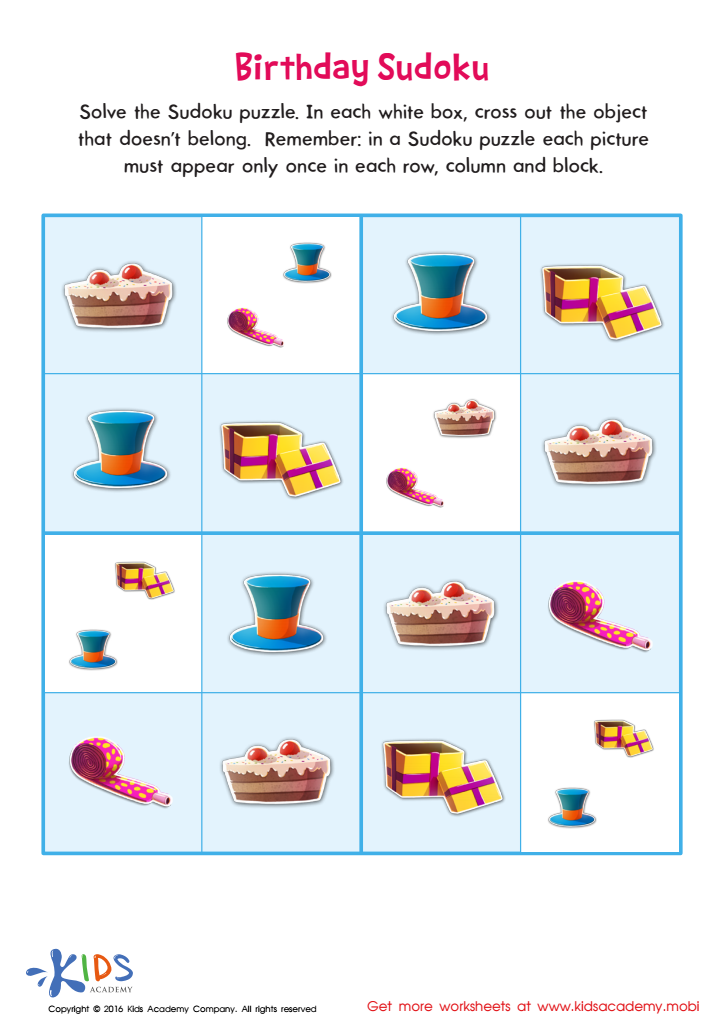
Birthday Sudoku Sorting Worksheet
 Assign to My Students
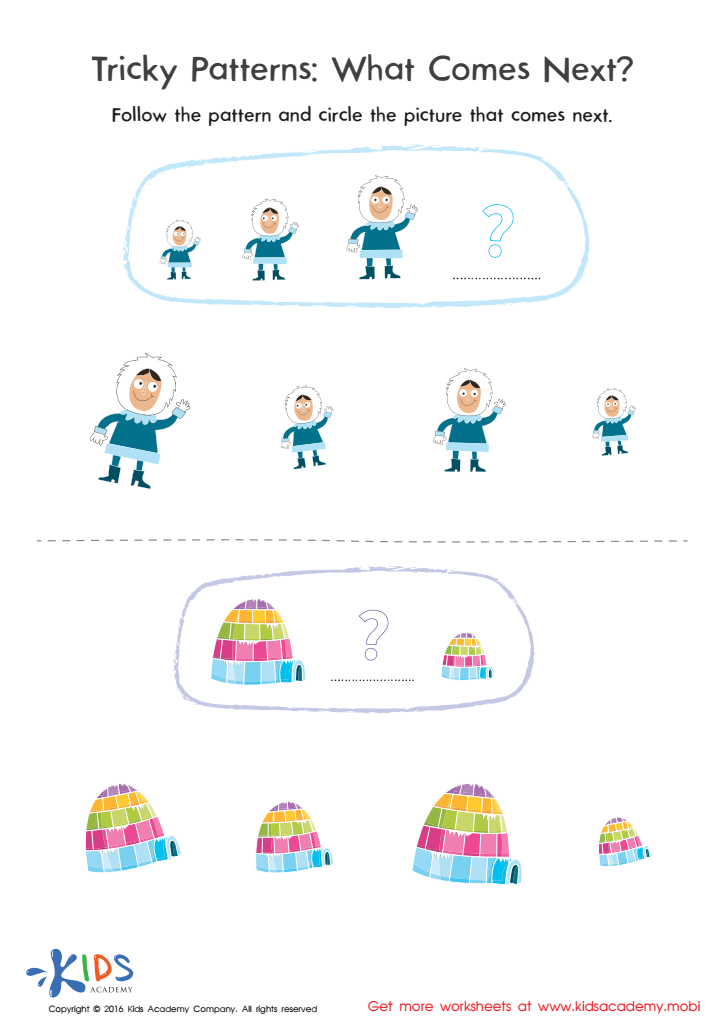
Tricky Patterns Size Worksheet
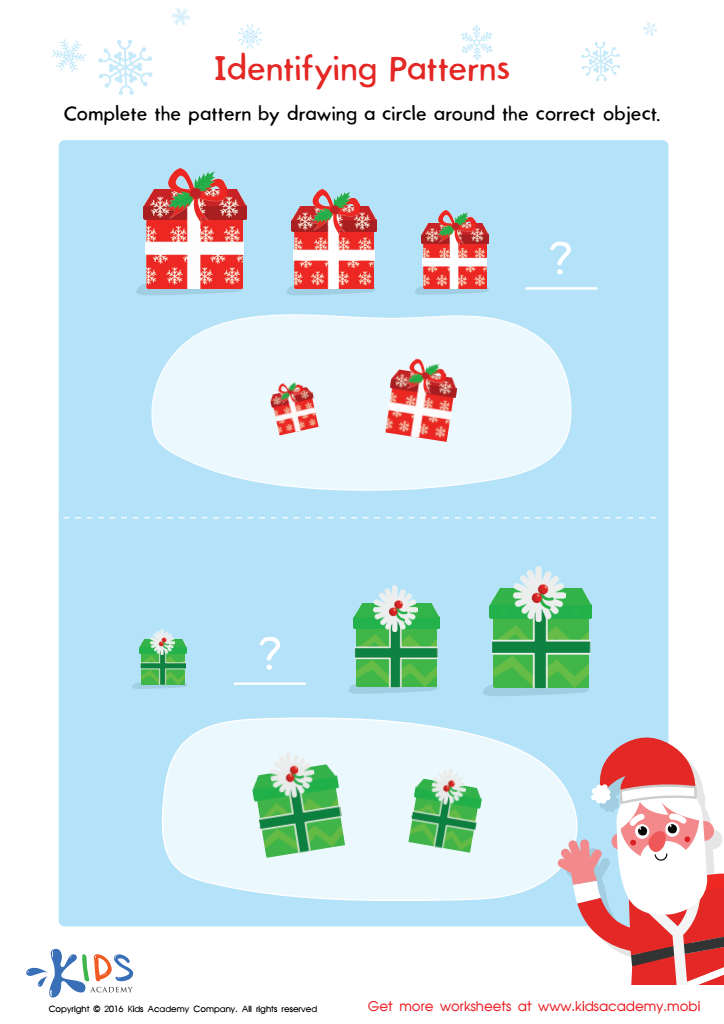
Identifying Patterns Worksheet
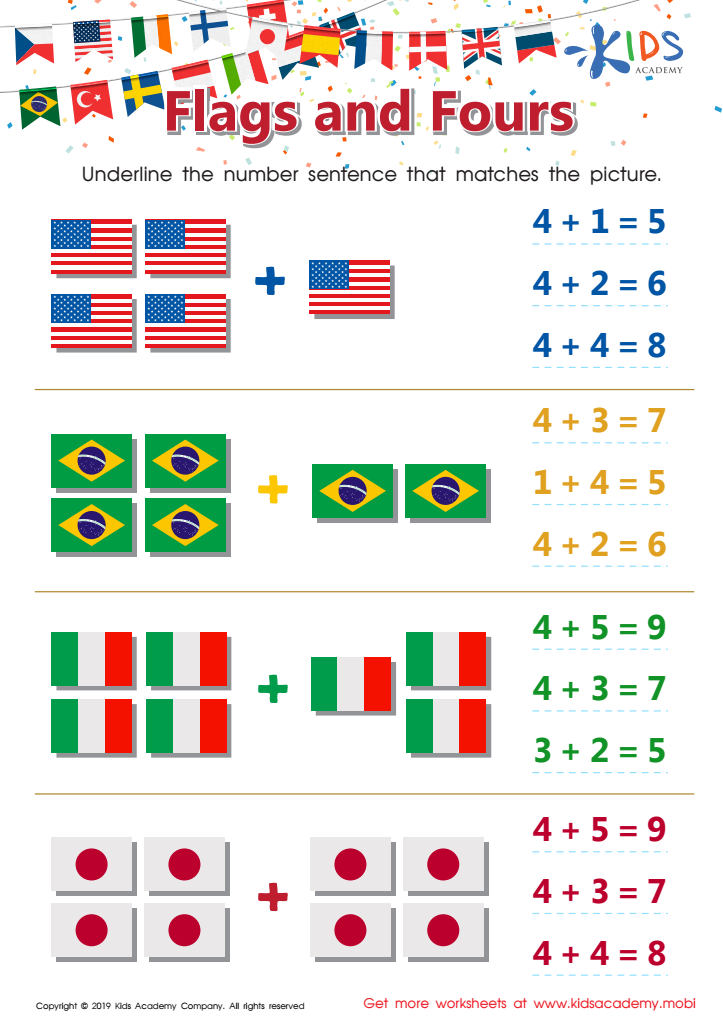
Flags and Fours Worksheet








Pattern recognition is a foundational skill in mathematics and develops critical thinking, problem-solving, and analytical abilities in young learners. For 6-year-olds, engaging in extra challenge math that focuses on pattern recognition encourages cognitive development and deepens their understanding of mathematical concepts.
Parents and teachers should care about this because it nurtures a child’s ability to identify sequences, similarities, and relationships which are vital skills not only in math but in everyday life as well. Recognizing patterns helps children make predictions and develop logical reasoning. It lays the groundwork for more complex mathematical operations and facilitates an early grasp of concepts such as addition, subtraction, multiplication, and division.
Moreover, challenging math activities drive motivation and confidence. When children successfully identify and create patterns, they experience a sense of accomplishment, boosting their self-esteem and fostering a positive attitude towards learning.
Incorporating pattern recognition into their learning regimen can create an engaging environment that promotes curiosity, creativity, and persistence. As children encounter new challenges and achievements, they’re not just learning math; they’re building valuable life skills that will serve them well into the future. Therefore, fostering this area in their education should be a priority for both parents and educators.