Reading comprehension Extra Challenge Math Worksheets for Ages 7-8
13 filtered results
Difficulty Level
Grade
Age
-
From - To
Subject
Activity
Standards
Introducing our Reading Comprehension Extra Challenge Math Worksheets for Ages 7-8! Designed to enhance both reading and math skills, these worksheets provide a dual focus on understanding text and solving mathematical problems. Each activity presents a unique, engaging story or scenario followed by a series of math questions based on the narrative. By integrating literacy with math comprehension, students improve their critical thinking and problem-solving abilities in a fun and educational way. Perfect for young learners seeking an advanced challenge, these worksheets are great for classroom use or at-home practice. Get ready to inspire a love for learning with these creative and challenging exercises!
Favorites
With answer key
Interactive
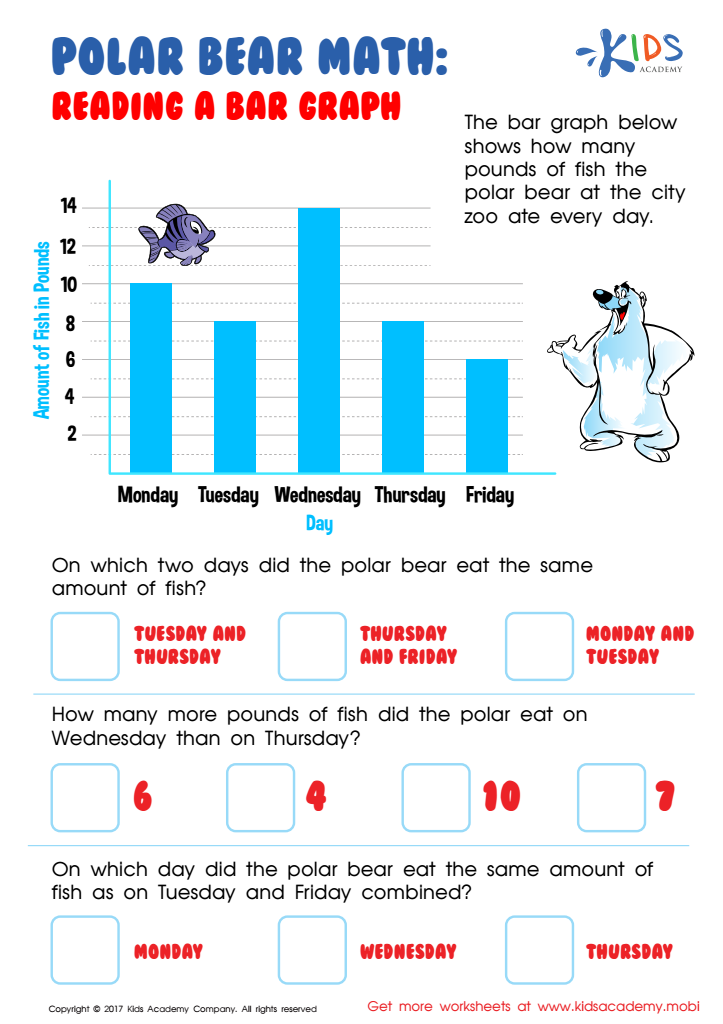
Reading Bar Graph Worksheet
Take your child north to practice data reading with a polar bear friend! This worksheet challenges 3rd graders to interpret data on a graph and solve related math problems.
 Assign to My Students
Reading Bar Graph Worksheet
Worksheet
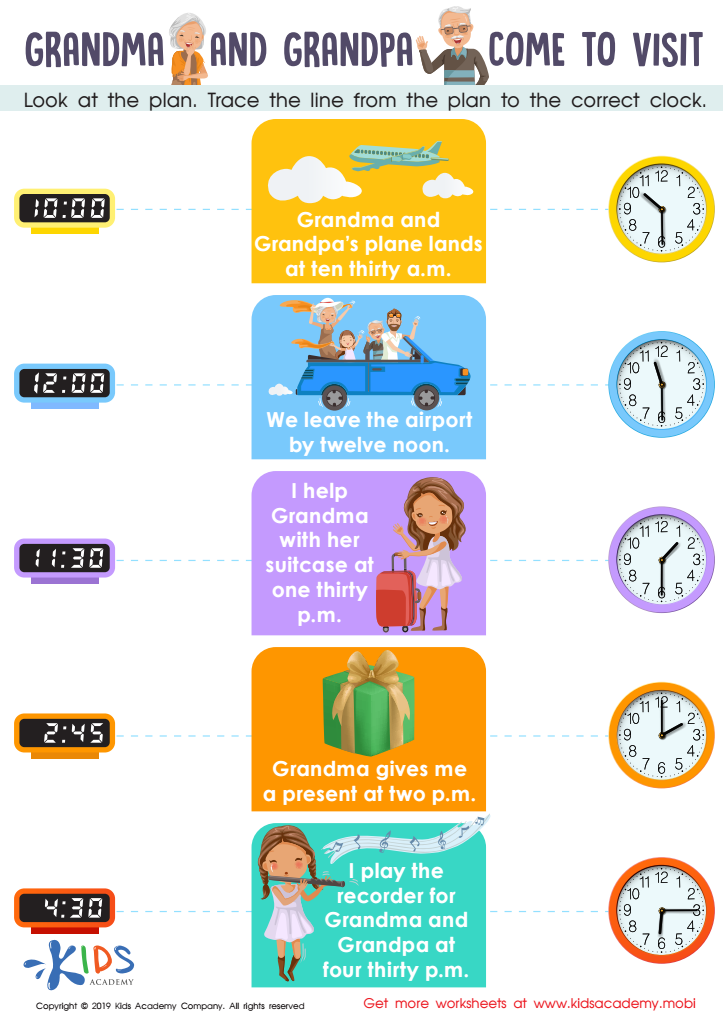
Grandpa and Grandma Come to Visit Worksheet
Have your kids learn about time using this worksheet. It contains pictures, accompanying texts and a clock, which you can use to help them trace the plan. Grandparents' visits and trips to their house are the perfect opportunity to practice this skill. Talk to your kids about the plan and watch them trace it to the correct clock.
Grandpa and Grandma Come to Visit Worksheet
Worksheet
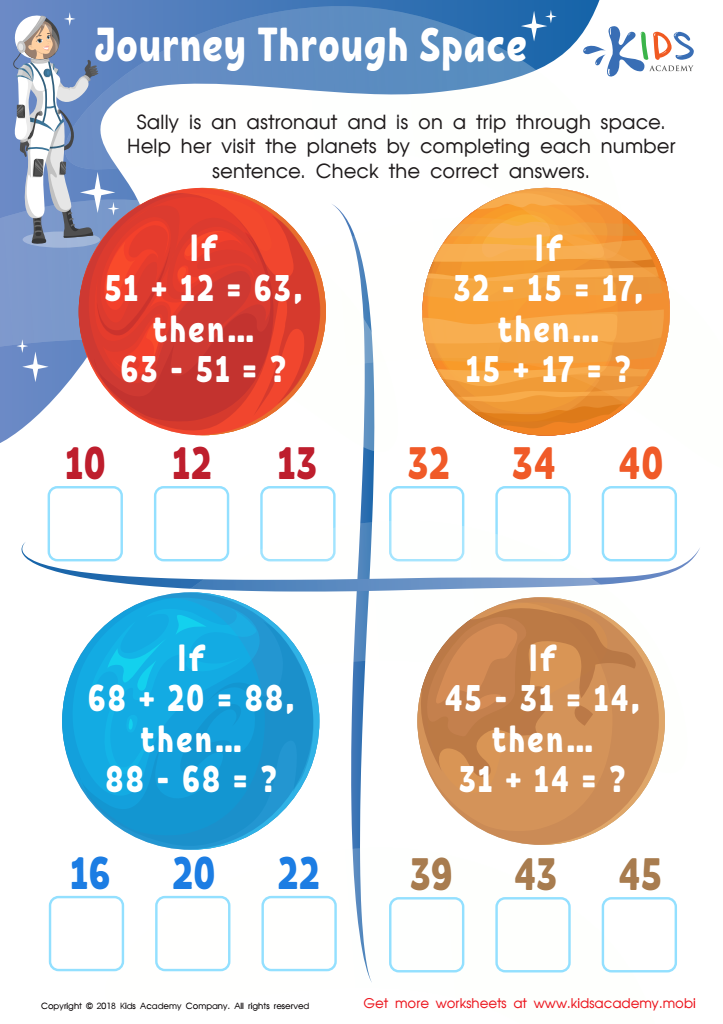
Journey Through Space Worksheet
Astronauts are essential explorers. They travel between Earth and other planets to gain knowledge of life in space. Being an astronaut requires strong math skills, so help your child develop them through this worksheet. Ask them to assist Sally on her journey to the planets by solving the number sentences in the picture. Verify the answers are correct.
Journey Through Space Worksheet
Worksheet
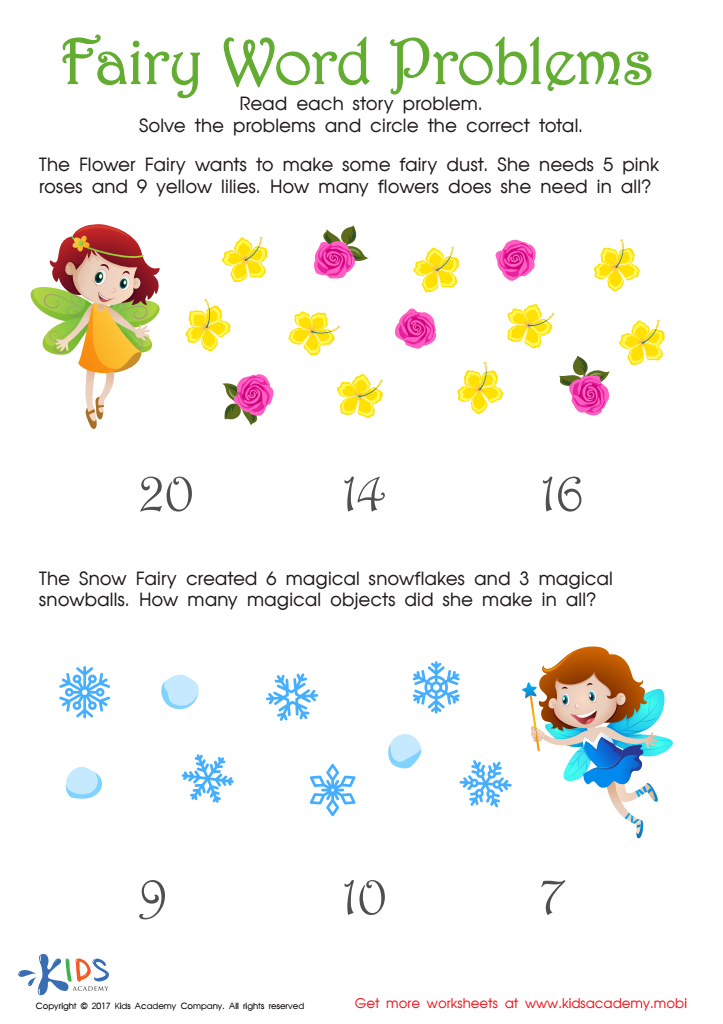
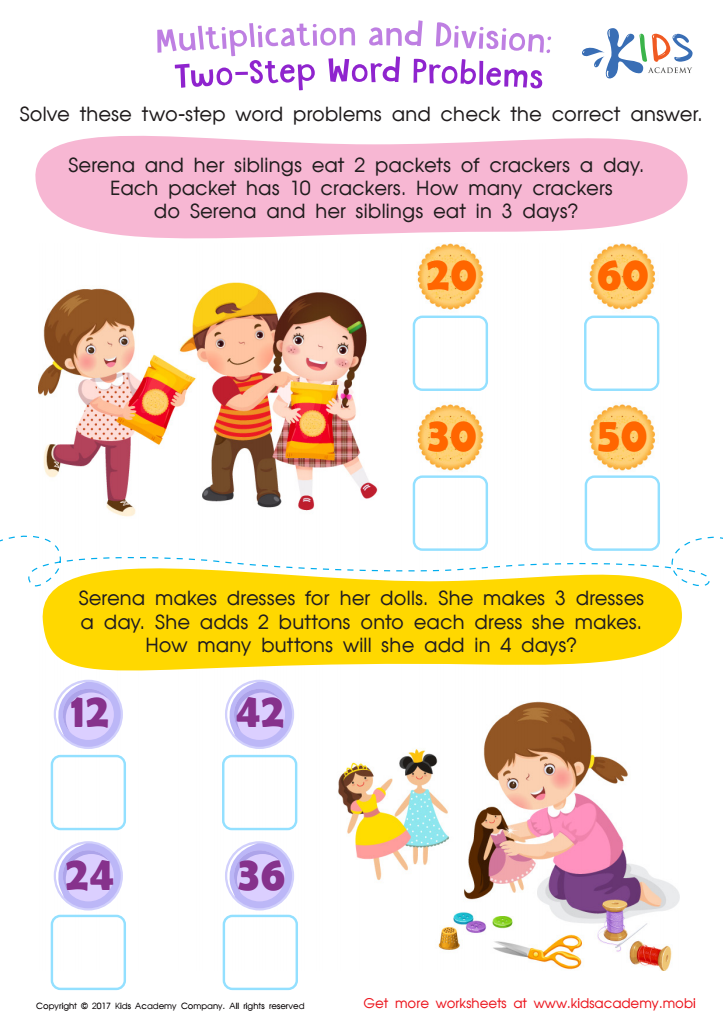
Two Step Word Problems Worksheet
Boost your child's math skills with this fun and realistic two-step word problems worksheet! Kids will learn to break down complex multiplication word problems into easier steps to solve. Download this free PDF worksheet and help them reach the next level.
Two Step Word Problems Worksheet
Worksheet
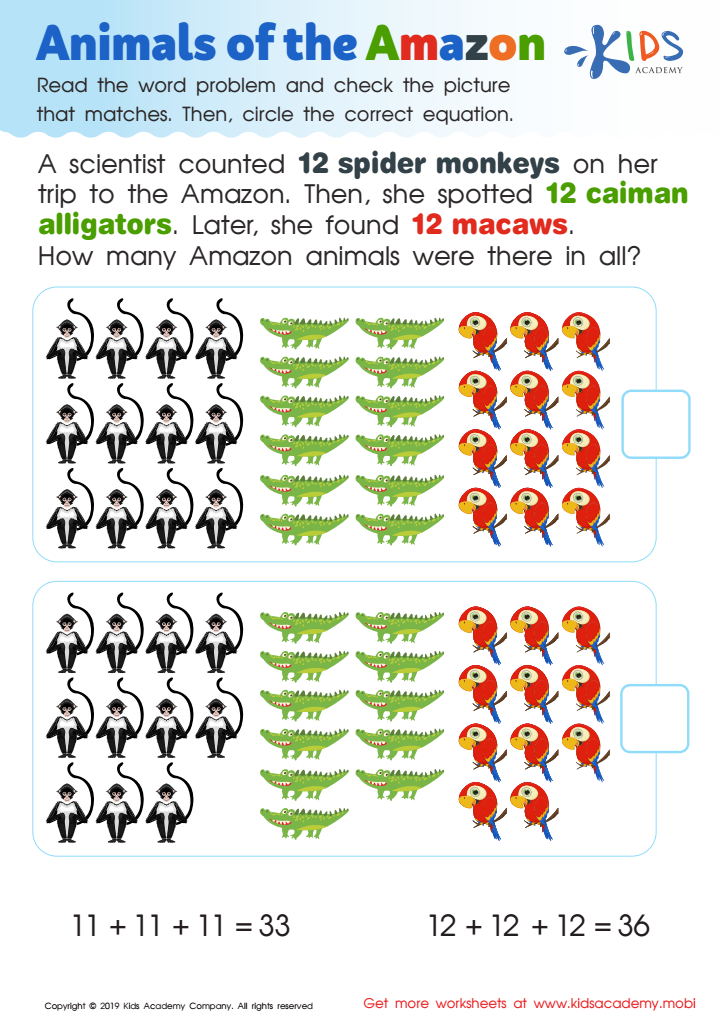
Animals of Amazon Worksheet
Kids will love exploring the Amazon while solving addition problems on this colorful PDF worksheet. They need to pay attention to the bolded info in each word problem to figure out the equation picture that matches. It's an exciting way to learn about the Amazon and practice adding multiple numbers!
Animals of Amazon Worksheet
Worksheet
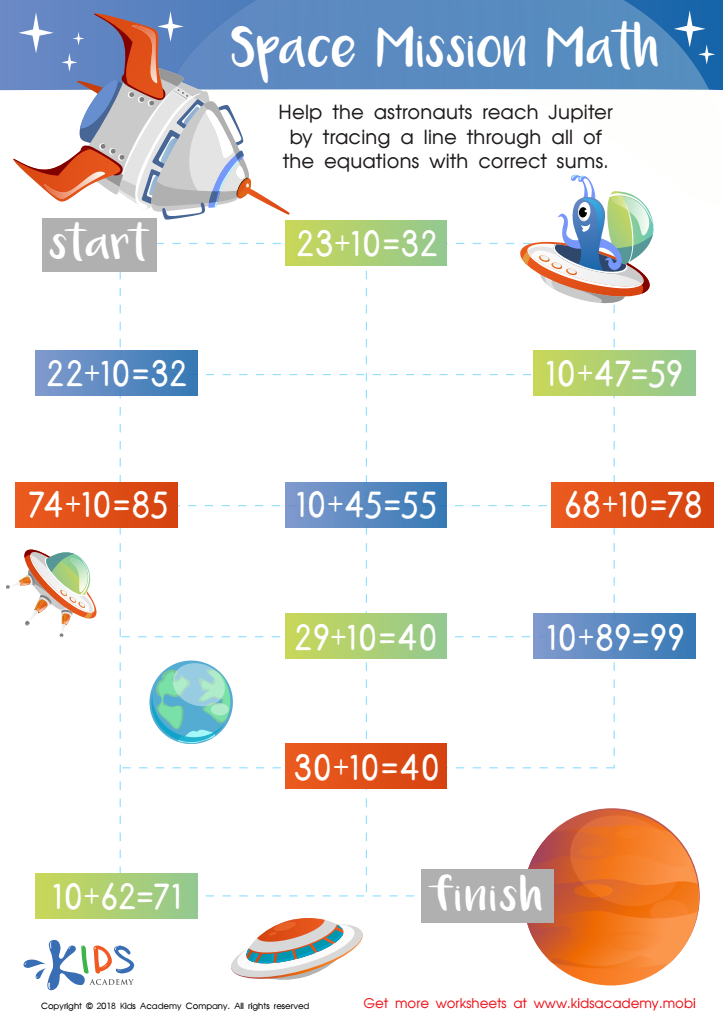
Space Mission Math Worksheet
Your kids will love this worksheet! They can help astronauts reach Jupiter by tracing a line through all the equations and adding them up correctly. Spark their curiosity about space by exploring asteroids, planets, and aliens. Astronauts are professionals who study the complexities of space - let them help your child join in the journey!
Space Mission Math Worksheet
Worksheet
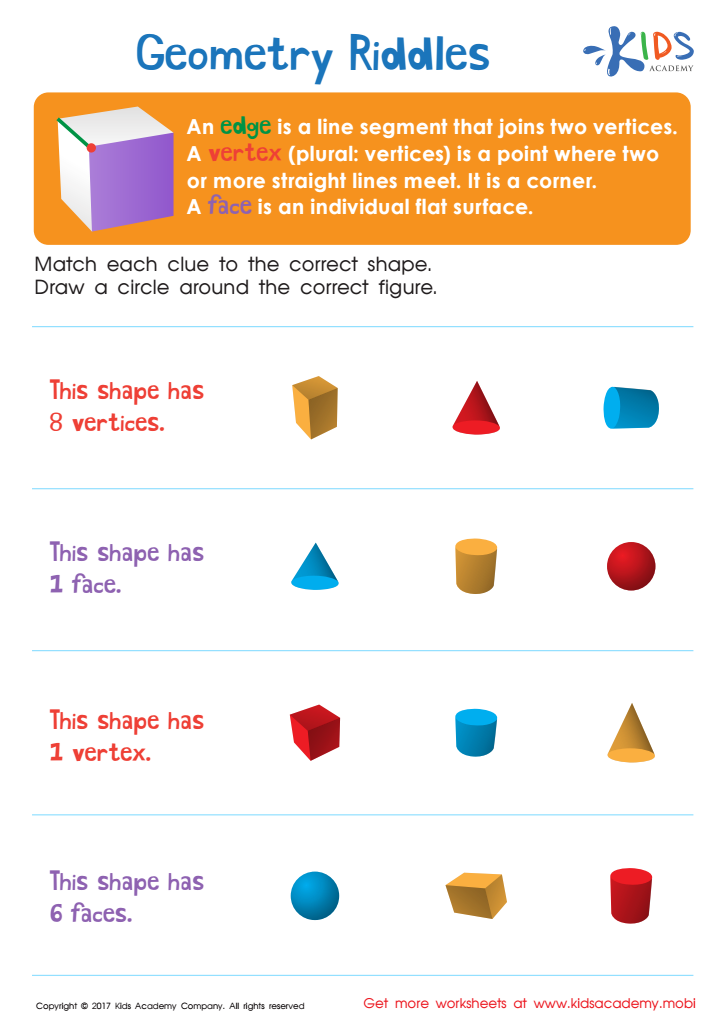
Geometry Riddles Printable
Review geometry terms with your child using this challenging worksheet of tricky riddles. Identifying and counting vertices, edges, and faces of shapes becomes fun as they solve the riddles!
Geometry Riddles Printable
Worksheet
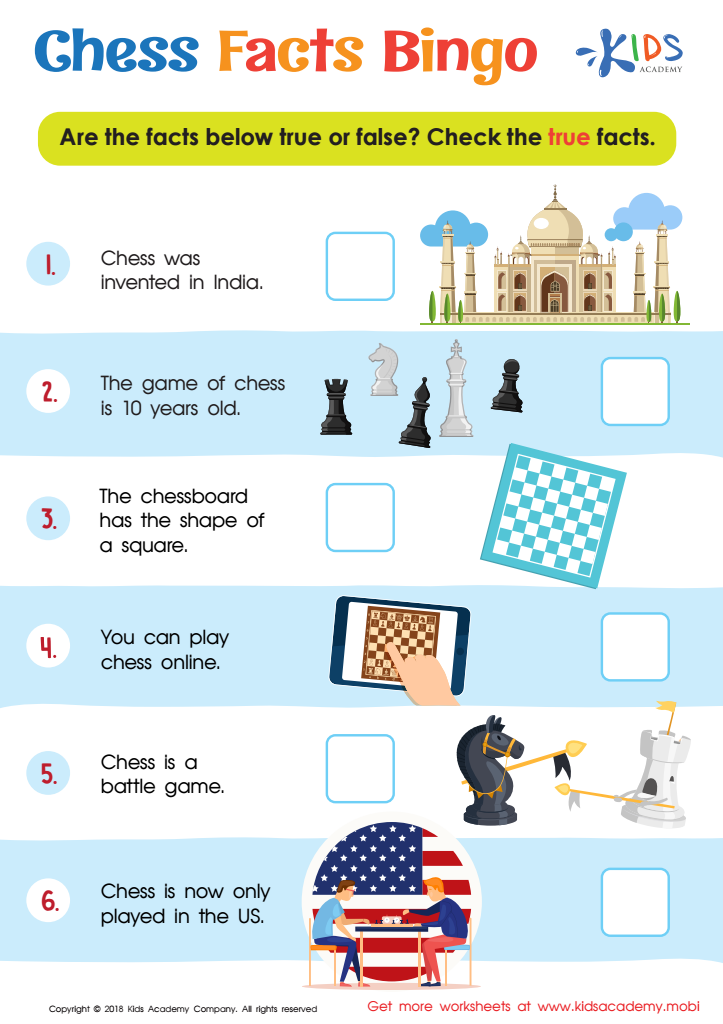
Chess Facts Bingo Worksheet
Help your child assess their knowledge of chess with our simple worksheet. It contains six questions; read them to your child and ask them if the statements are true or false. Once they check the boxes for the true statements, you'll have a better understanding of their understanding of the game.
Chess Facts Bingo Worksheet
Worksheet
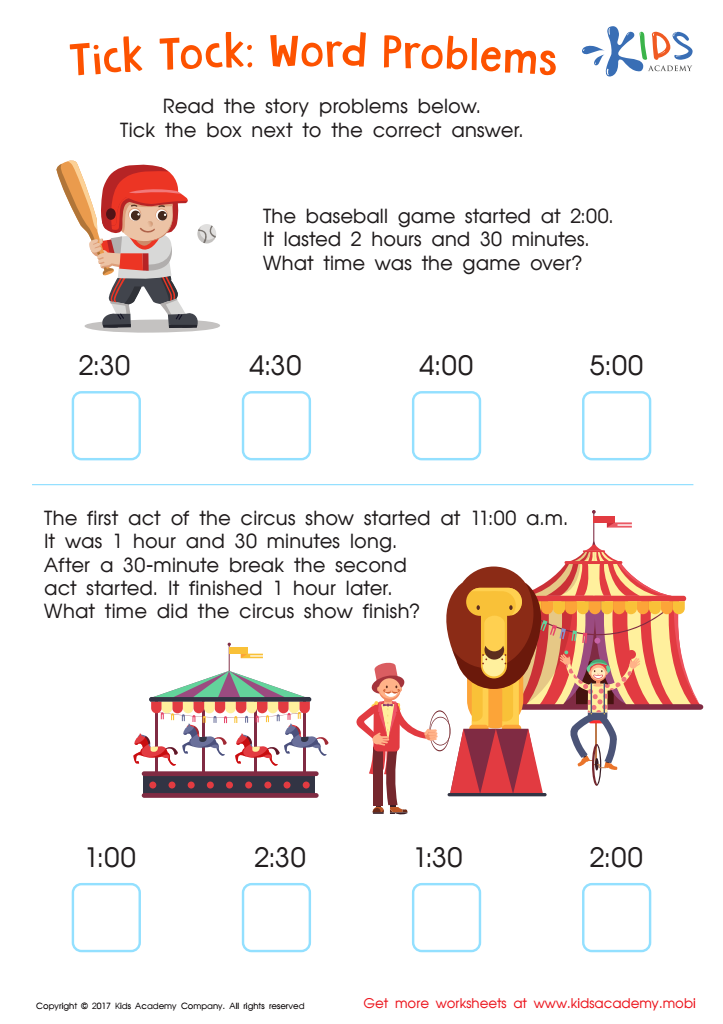
Tick Tock Word Problems Time Worksheet
Mix math and fun with this telling time word problems worksheet! Your child will love solving the events' finishing times using the vivid colors and joyful illustrations. Tick Tock!
Tick Tock Word Problems Time Worksheet
Worksheet
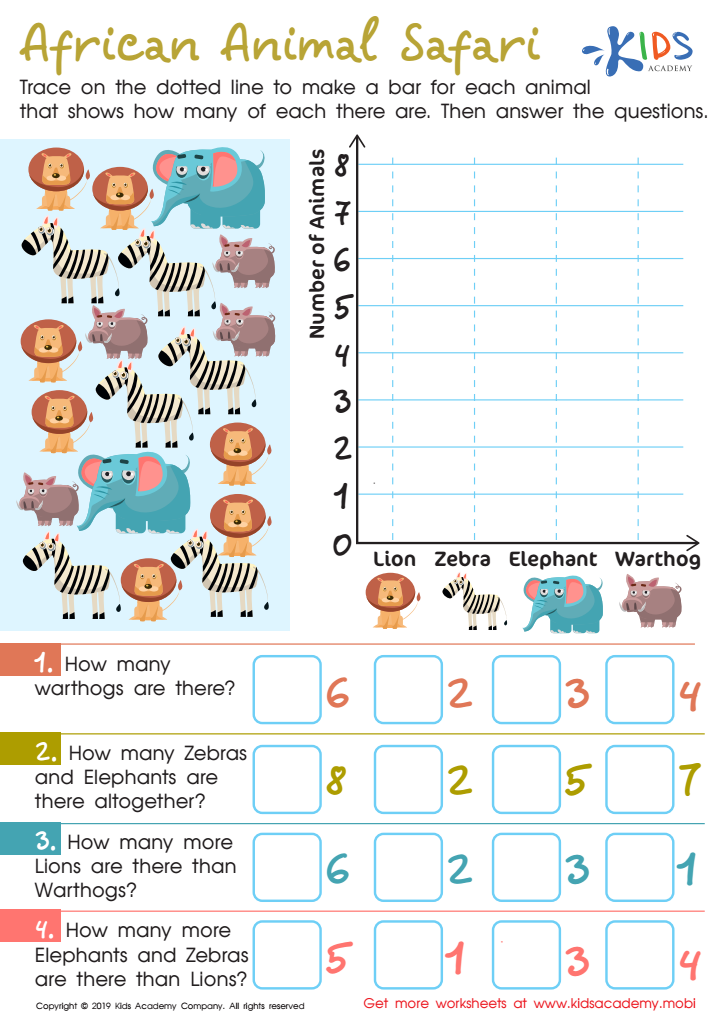
African Animal Safari Worksheet
Help students learn geography and math, with this worksheet. Examine the graph and ask your students questions. Have them answer using the graph and addition/subtraction exercises. This can help them name continents, countries, and animals unique to each.
African Animal Safari Worksheet
Worksheet
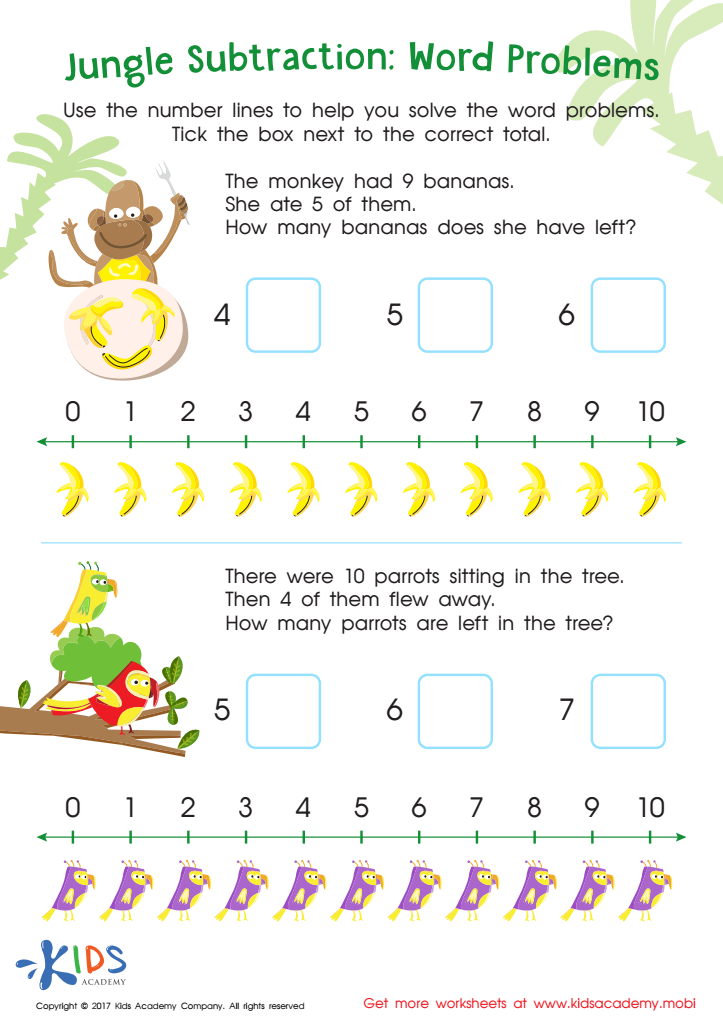
Jungle Subtraction Word Problems Substraction Worksheet
Kids will love this jungle-themed worksheet: subtraction word problems! Help the monkey work out how many bananas he has, using the number line. Encourage your child to use colorful parrots to subtract with ease and make calculations fun!
Jungle Subtraction Word Problems Substraction Worksheet
Worksheet
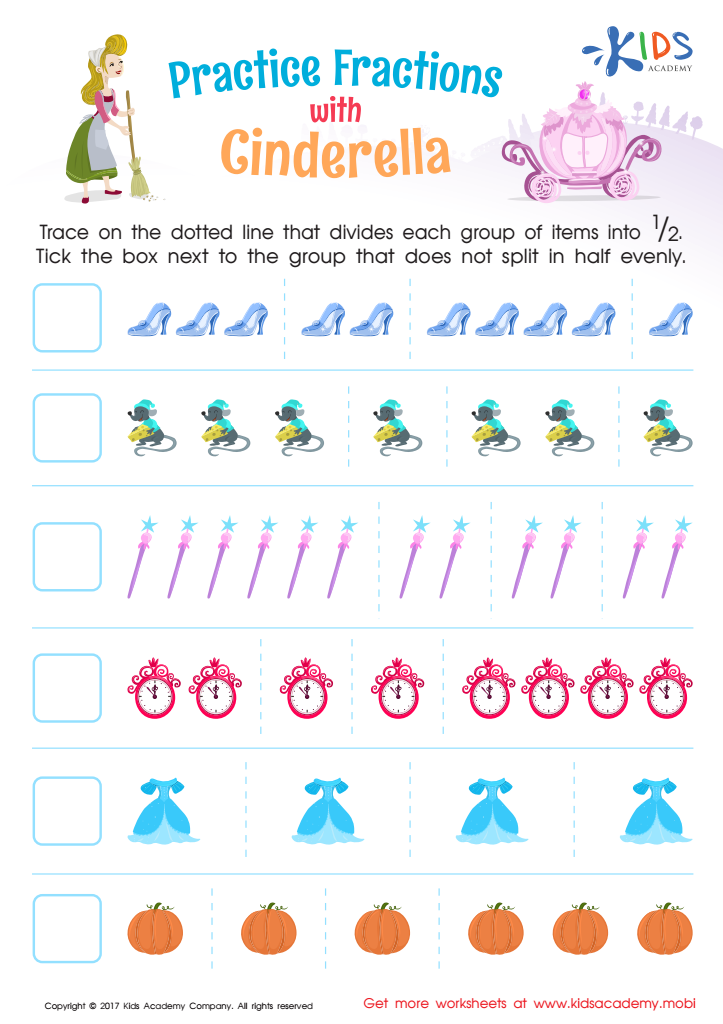
Fractions: Cinderella Printable
Cinderella and ½ are the perfect pair to excite your child about learning fractions.
Fractions: Cinderella Printable
Worksheet
Join Kids Academy for Free
Who is primarily going to use this learning content?








Reading comprehension and math skills are pivotal building blocks in a child's education, and providing extra challenges to 7- to 8-year-olds in these areas can be highly beneficial. At this age, children are particularly receptive and capable of significant cognitive development. Extra challenges in reading comprehension foster critical thinking, enhance vocabulary, and develop the ability to understand and interpret complex texts. These skills are not only essential for academics but also for everyday problem-solving and communication.
Math computation, similarly, is foundational. Challenging math problems encourage students to apply logical reasoning, recognize patterns, and develop problem-solving strategies. These skills are vital for success not only in mathematics but across all STEM-related fields and life situations. For instance, children who are strong in math are often better at efficient decision-making and financial management later in life.
Balancing both reading comprehension and math challenges nurtures a well-rounded intellect. For teachers and parents, investing in these areas equips children with the tools they need to thrive academically and in real-world situations. Therefore, offering extra challenges helps ensure that children remain engaged, curious, and adept, preparing them for more complex concepts in future educational pursuits.