Fine Motor Skills Extra Challenge Tracing Letters Worksheets for Ages 7-9
7 filtered results
-
From - To
Boost your child's fine motor skills with our engaging Extra Challenge Tracing Letters Worksheets for ages 7-9! These specially designed worksheets provide a fun and interactive way for kids to practice letter formation while enhancing their hand-eye coordination and dexterity. Each worksheet challenges young learners to trace both uppercase and lowercase letters, encouraging proper writing techniques and increasing confidence in their abilities. Ideal for home or classroom use, our tracing activities cater to diverse learning styles and pace. Download these worksheets today and watch your child thrive as they develop essential skills that lay the foundation for their academic success!
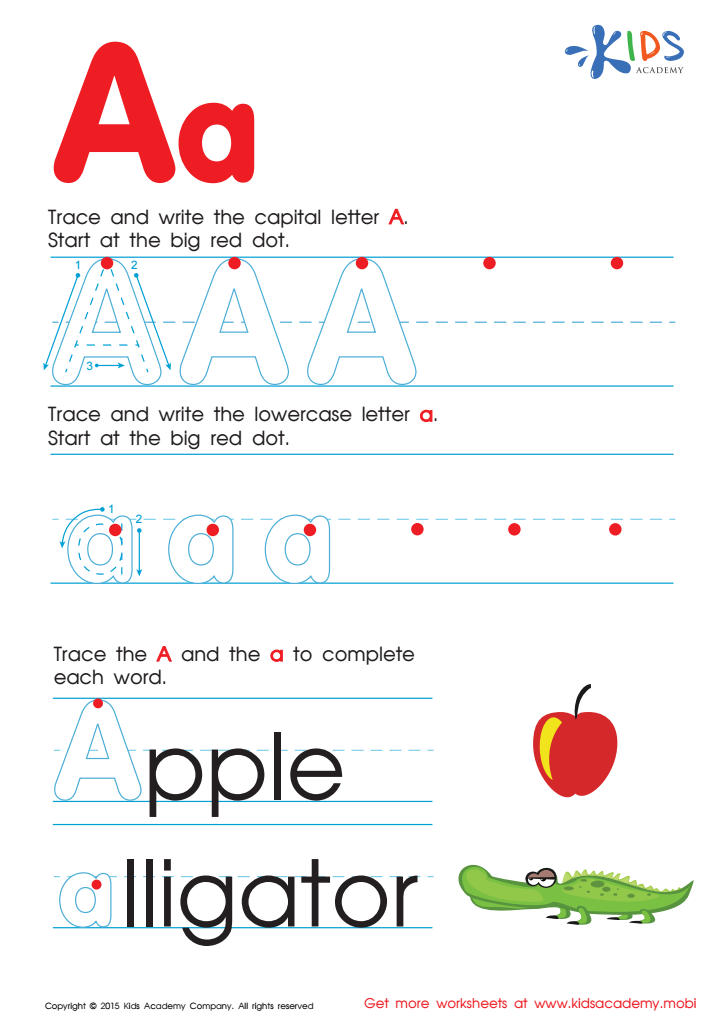
Letter A Tracing Page
 Assign to My Students
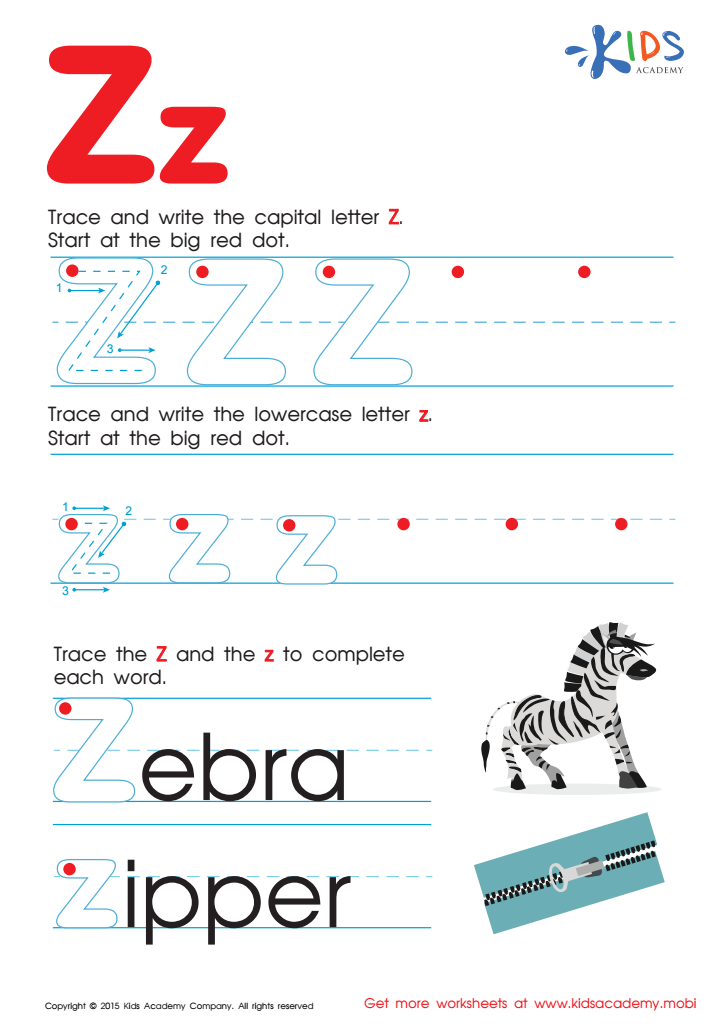
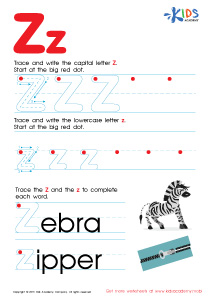
Letter Z Tracing Page
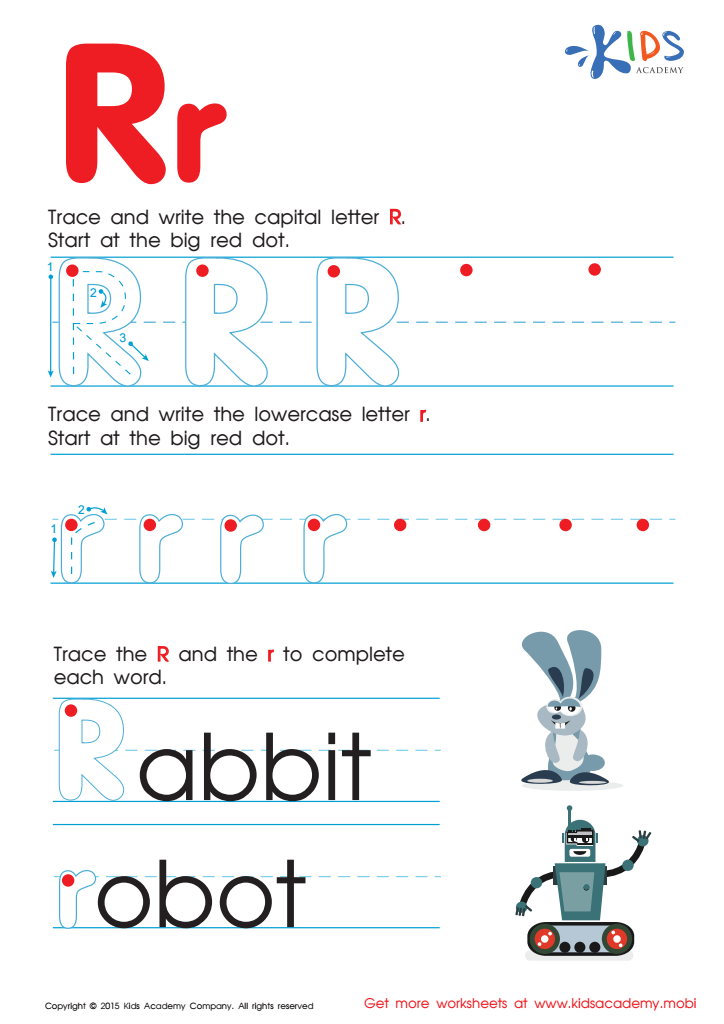
Letter R Tracing Page
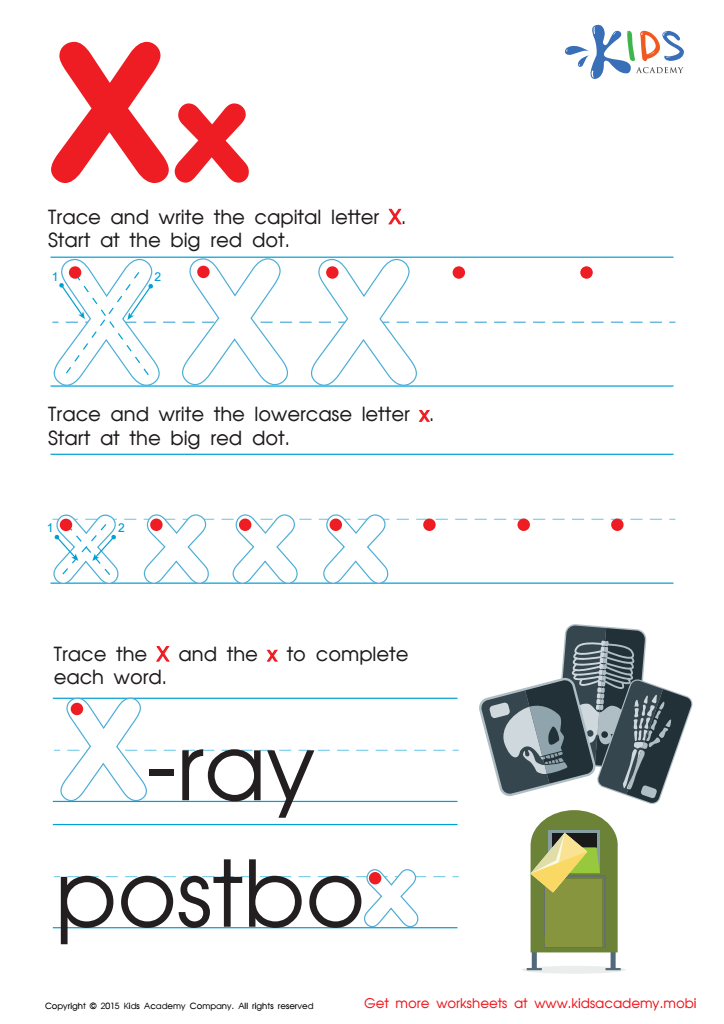
Letter X Tracing Page
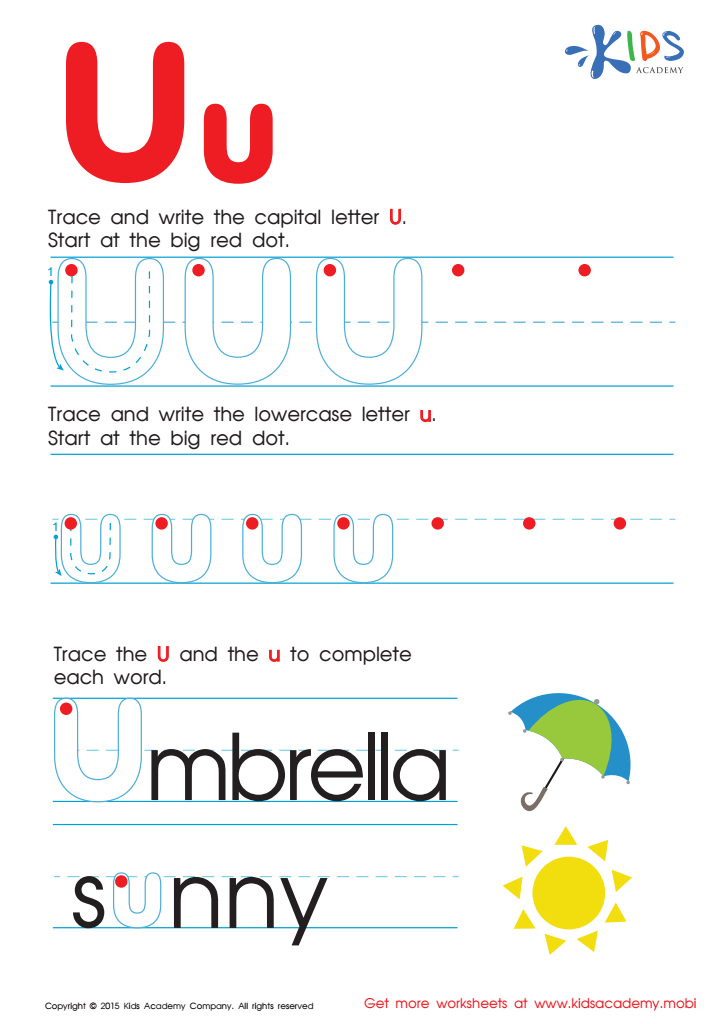
Letter U Tracing Page
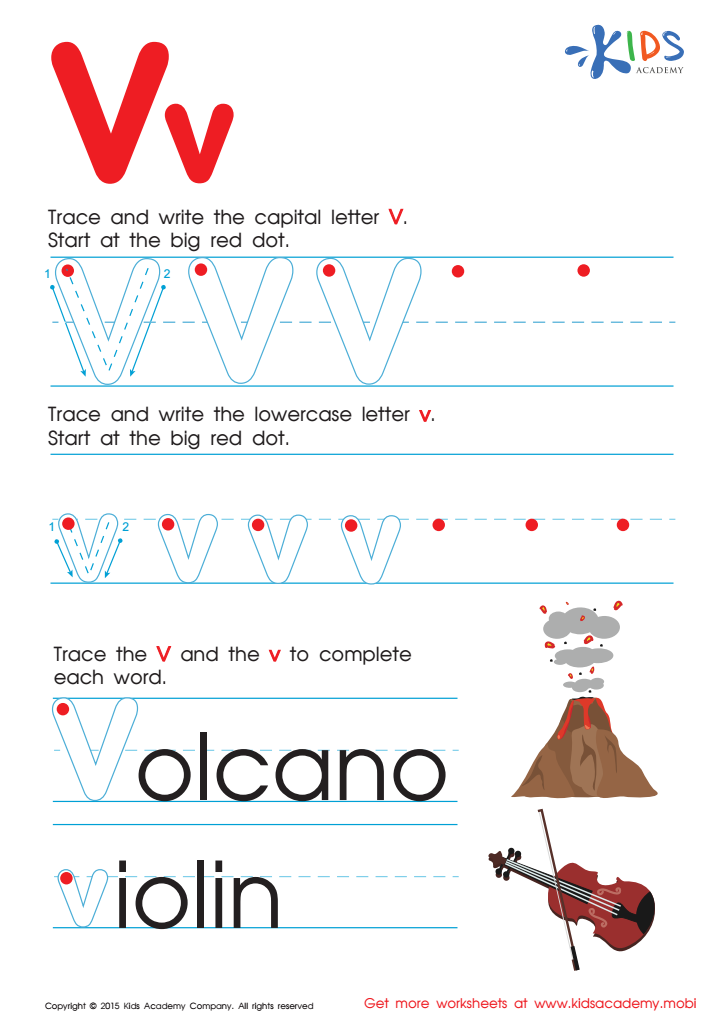
Letter V Tracing Page
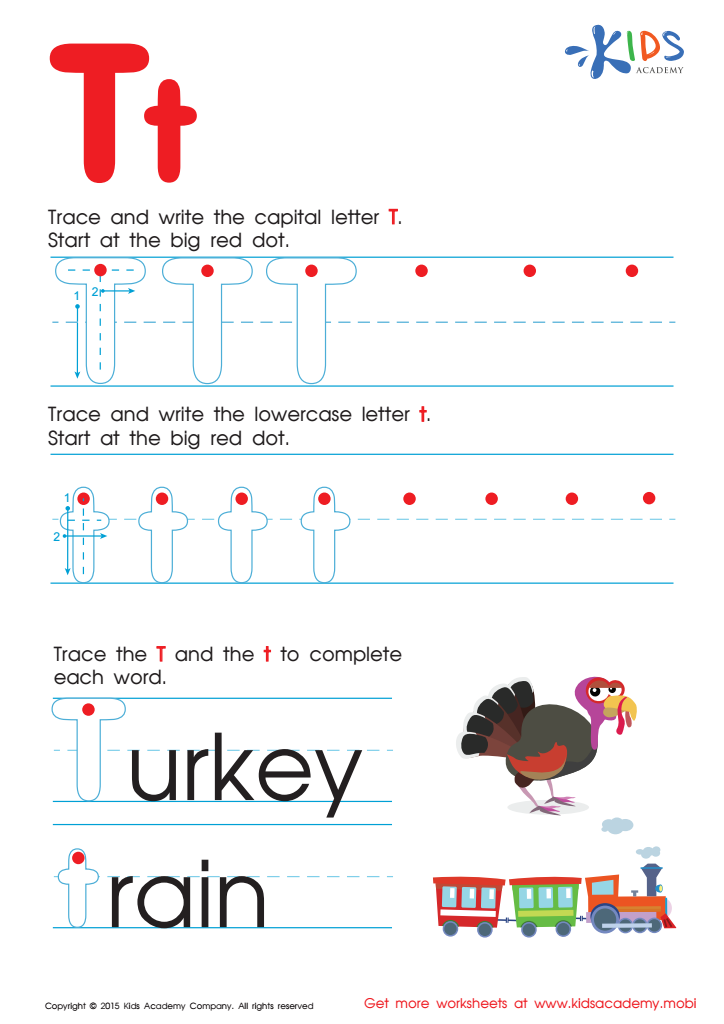
Letter T Tracing Page







Fine motor skills are essential for a child's overall development as they support crucial daily activities, from writing to using utensils. For children aged 7-9, engaging in Extra Challenge Tracing Letters can significantly enhance these skills. Firstly, tracing letters requires precise hand movements that strengthen the intricate muscles in the hands and fingers, promoting dexterity and coordination.
Teachers and parents should care about this activity because it directly impacts a child's ability to write legibly. With improved fine motor skills, children can produce clearer, more concise letters, leading to better academic performance. Additionally, tracing letters fosters concentration and focus, critical components of successful learning.
Moreover, this practice can instill a sense of accomplishment as children see tangible progress in their writing abilities. It also encourages creativity, as tracing can be incorporated into artistic activities, allowing children to express themselves while refining their skills.
Overall, focusing on fine motor skills through challenges like tracing letters provides numerous benefits, equipping children not only for writing but also for various tasks they will encounter in school and everyday life. Parents and teachers play a pivotal role in facilitating these experiences, ultimately supporting children's growth and confidence.