Critical thinking development Extra Challenge Worksheets for Ages 7-9
5 filtered results
-
From - To
Enhance your child's cognitive abilities with our "Critical Thinking Development Extra Challenge Worksheets for Ages 7-9." Perfectly designed to engage young minds, these activities foster problem-solving, analytical thinking, and creativity. Through fun and educational exercises involving puzzles, logical reasoning, and mathematical challenges, children develop essential skills that promote lifelong learning. Ideal for both home and classroom use, our worksheets provide an exciting way to augment traditional learning methods. Give your child the tools to think independently and confidently with these expertly crafted worksheets, making learning a truly enjoyable experience.
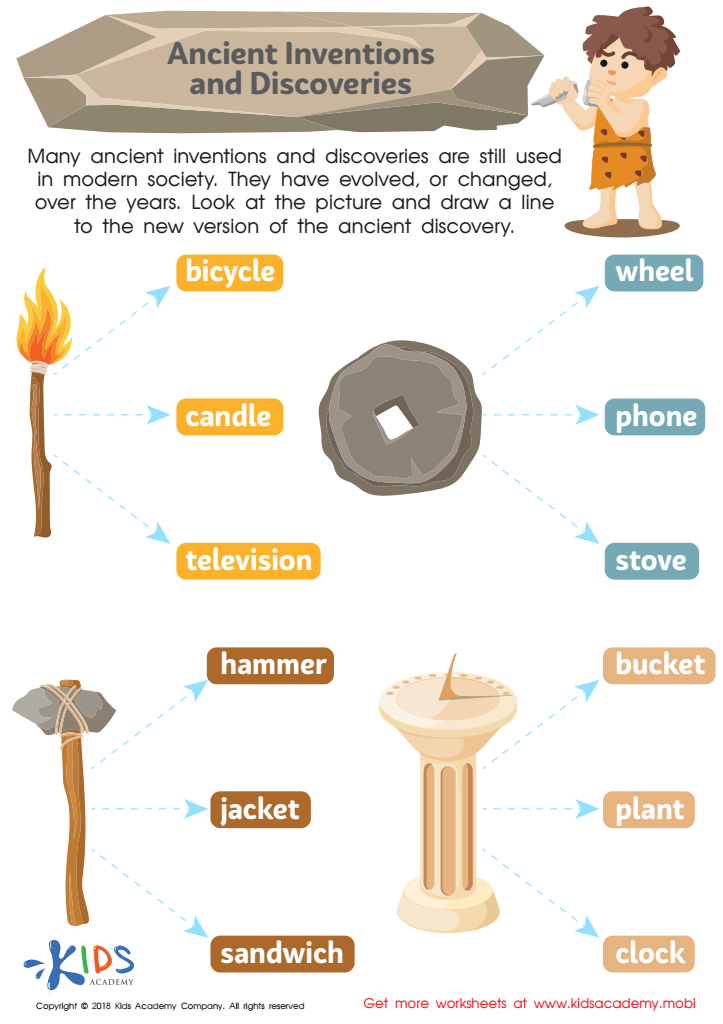
Ancient Inventions and Discoveries Worksheet
 Assign to My Students
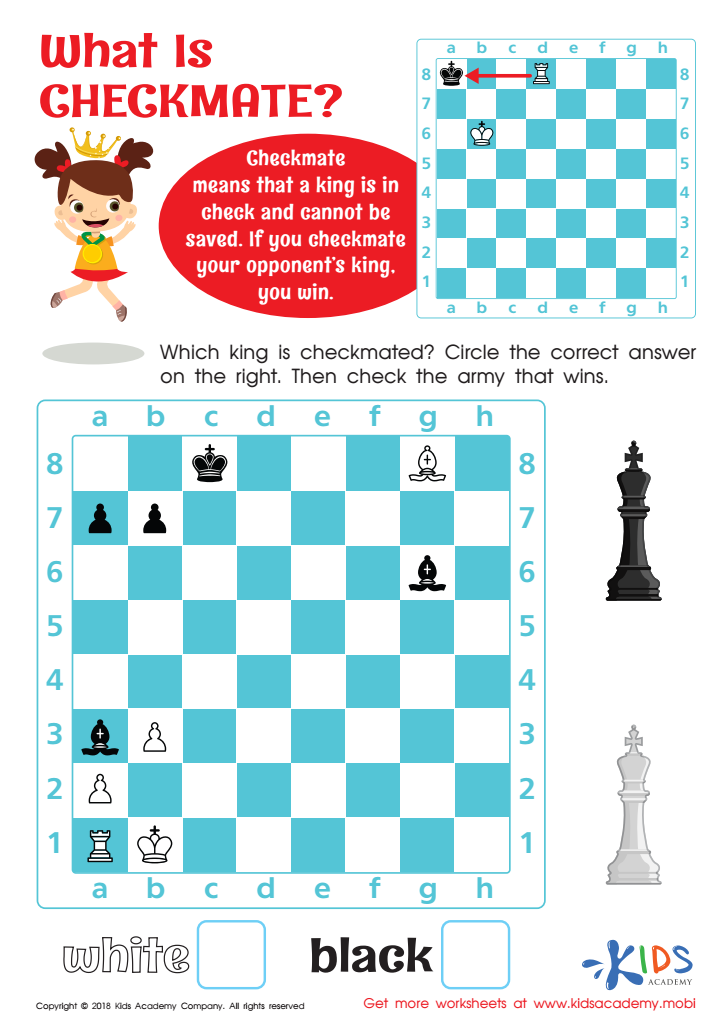
What is Checkmate? Worksheet
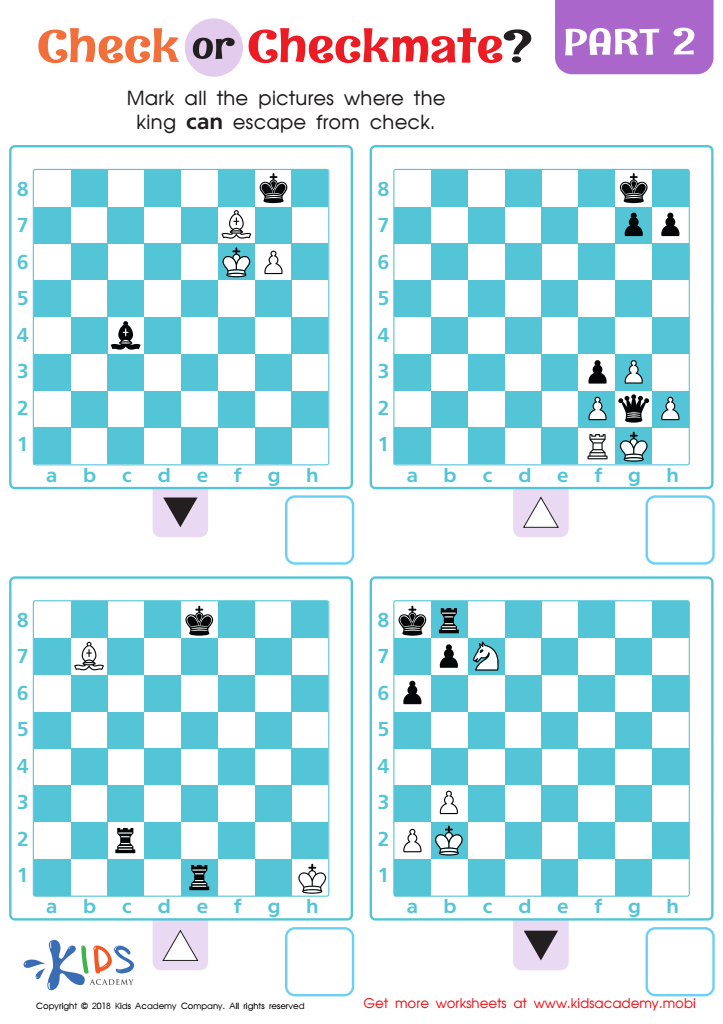
Check or Checkmate: Part 2 Worksheet
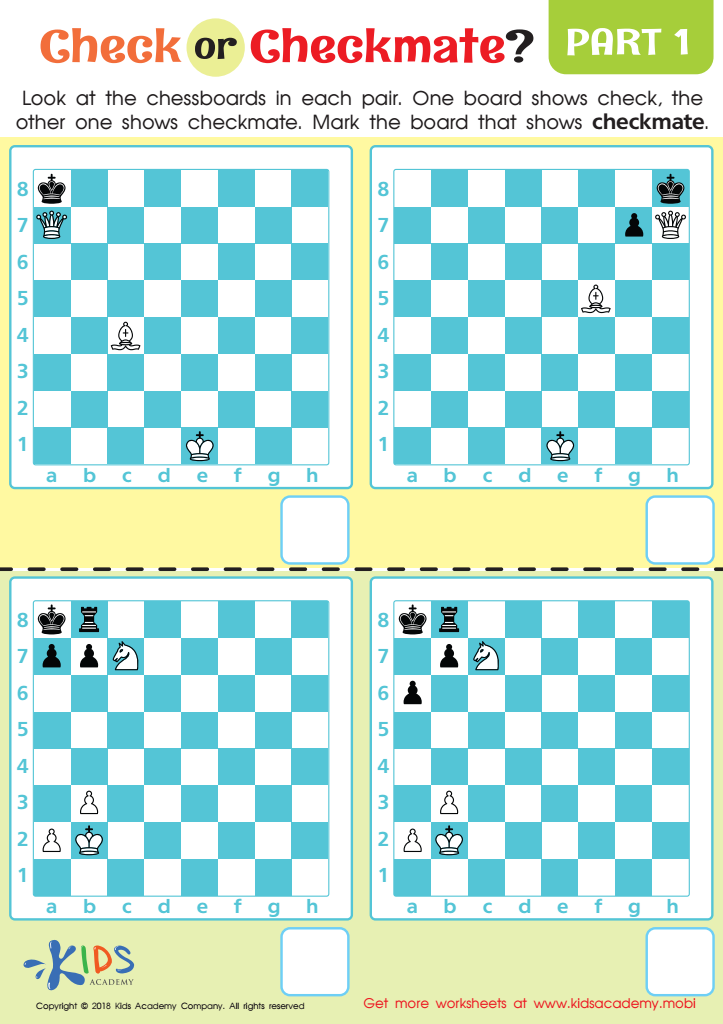
Check or Checkmate: Part 1 Worksheet
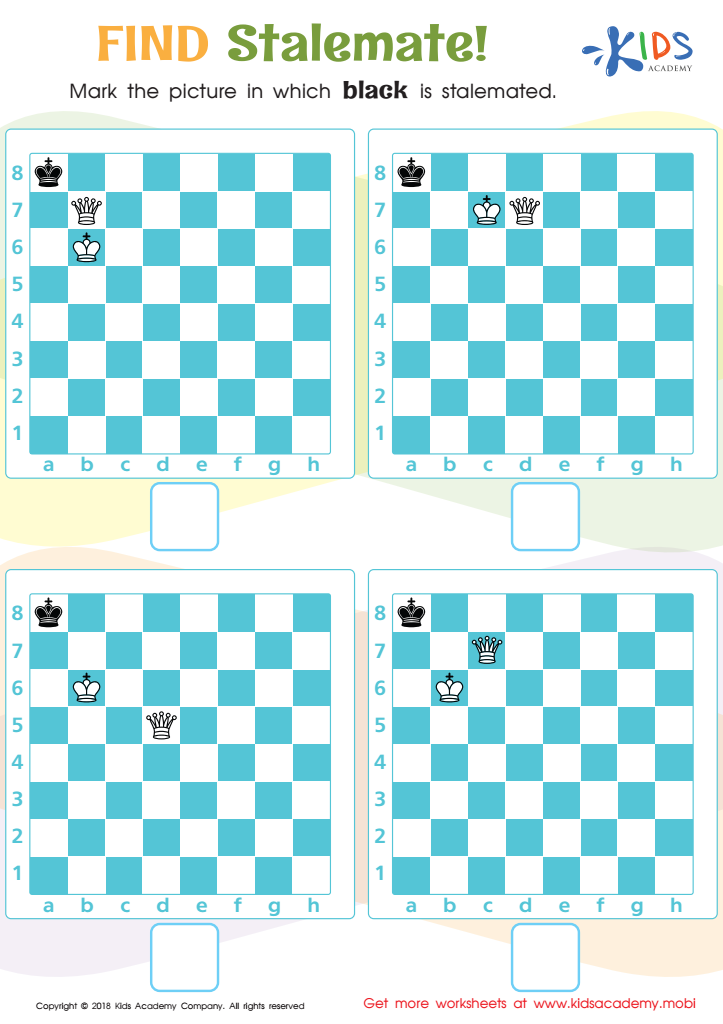
Find Stalemate! Worksheet


.jpg)





Developing critical thinking skills in young children is crucial because it lays the foundation for their future learning and decision-making abilities. At ages 7-9, children are at a pivotal stage of cognitive development where they begin to understand the world more deeply and can engage in more complex thought processes. Encouraging critical thinking helps them to analyze information, solve problems, and make reasoned decisions rather than merely memorizing facts or following instructions without questioning.
For parents and teachers, focusing on critical thinking development enhances a child's ability to think independently and boosts their confidence in tackling new and challenging tasks. When children learn to question and reason, they become more adaptable, creative, and resilient—all essential skills in navigating the complexities of life and future academic endeavors. Moreover, critical thinking there fosters curiosity and motivates students to engage in lifelong learning, promoting a deeper, intrinsic appreciation for knowledge.
Providing extra challenges focusing on critical thinking at this age will not only support their current educational achievements but also prepare them for more difficult subjects they will encounter later. Thus, caring about critical thinking development is an investment in a child’s intellectual and personal growth—equipping them with the tools they need to succeed and thrive in an ever-changing world.








