Color recognition Extra Challenge Math Worksheets for Ages 7-9
3 filtered results
-
From - To
Enhance your child’s learning experience with our Color Recognition Extra Challenge Math Worksheets, designed for ages 7-9. These engaging activities combine color recognition with essential math skills to create an interactive educational experience. Each worksheet challenges students to identify colors while solving math problems, fostering critical thinking and creativity. Perfect for reinforcing classroom lessons or supplementing home study, these worksheets help children improve their visual perception and mathematical concepts in a fun way. Explore our collection to discover activities that will captivate young learners and support their academic growth effortlessly. Bring learning to life with colorful, stimulating challenges today!
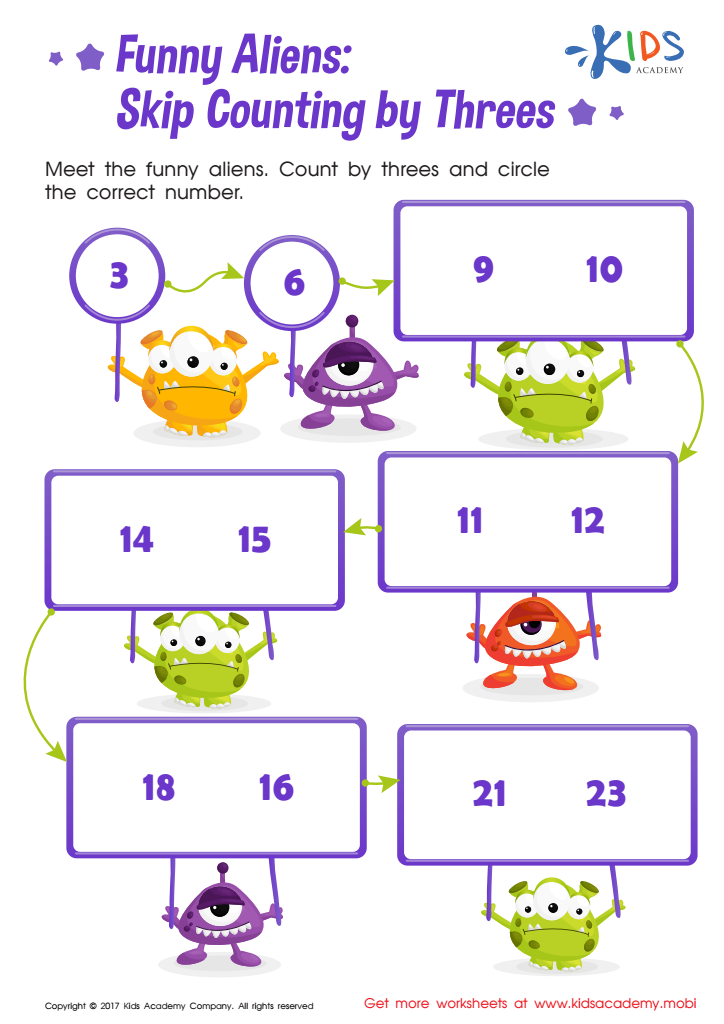
Skip Counting by 3s: Funny Aliens Printable
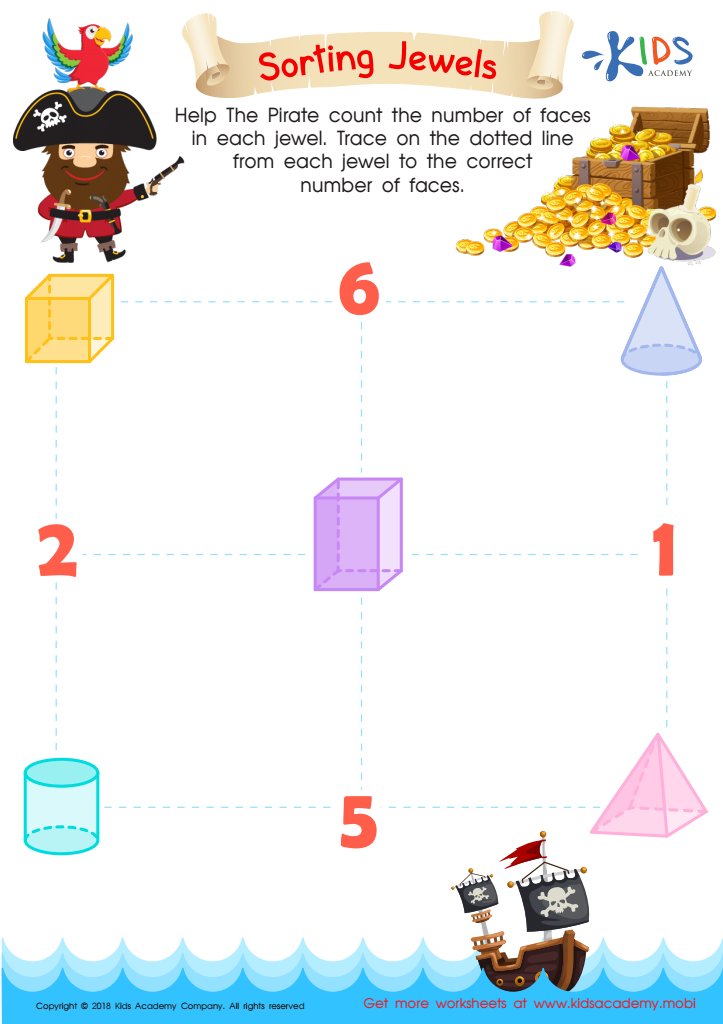
Sorting Jewels Worksheet
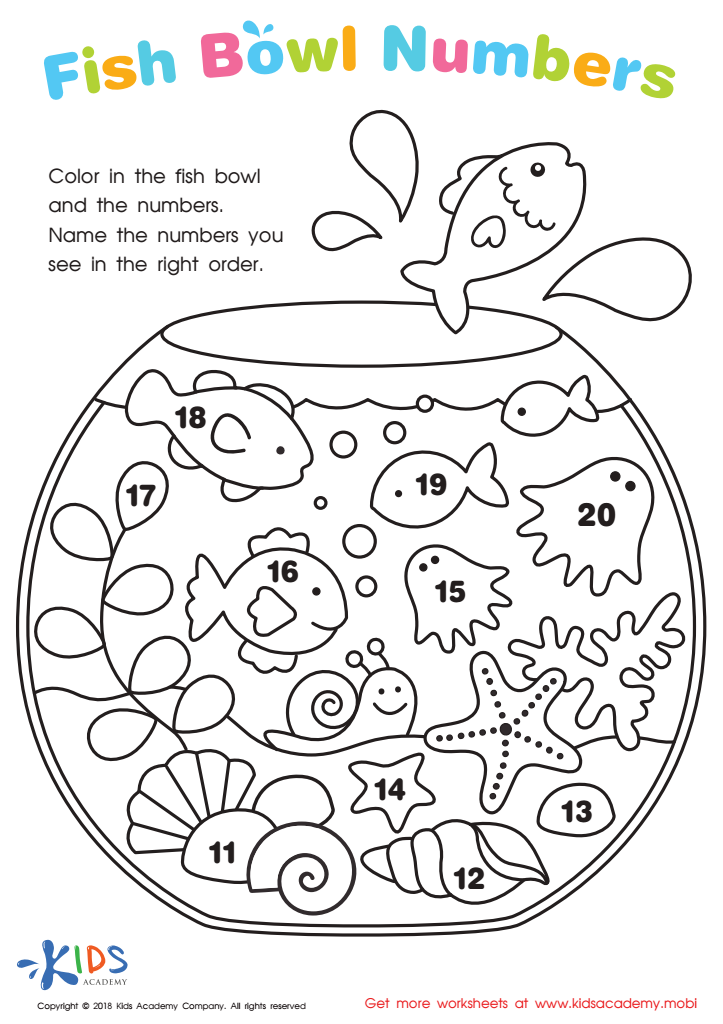
Fish Bowl Numbers Worksheet
 Assign to My Students








Color recognition is a foundational skill that plays a crucial role in early childhood development, especially within the context of Extra Challenge Math for ages 7-9. At this age, children are not only learning basic mathematical concepts but are also developing cognitive and sensory skills that enhance their overall learning experience. When parents and teachers prioritize color recognition, they harness a multisensory approach to math education, making abstract concepts more tangible and relatable for young learners.
Understanding colors can enhance problem-solving skills by allowing children to categorize and differentiate mathematical objects and symbols effectively. For instance, associating different colors with specific numbers, shapes, or patterns helps reinforce memory and understanding. Moreover, engaging activities that involve colors—like using color-coded blocks or games—can make math learning enjoyable and motivating, reducing math anxiety and building confidence.
Incorporating color recognition into math challenges fosters creativity while helping children visualize solutions, leading to deeper conceptual understanding. As educators and caregivers, recognizing the interplay of color in cognitive development is essential. By making this connection, we empower children to explore colors and mathematical ideas, nurturing critical thinking and a lifelong love for learning. Ultimately, both parents and teachers should champion the integration of color recognition in early math education for holistic developmental support.








