Interpreting data Extra Challenge Math Worksheets for Ages 7-9
3 filtered results
-
From - To
Explore our "Interpreting Data Extra Challenge Math Worksheets" designed specifically for children ages 7-9! These engaging worksheets are perfect for young learners to enhance their data interpretation skills. With a variety of fun and challenging activities, students will learn to analyze information, make comparisons, and draw conclusions from graphs and charts. Our worksheets promote critical thinking while ensuring an enjoyable learning experience. Ideal for use in the classroom or at home, they provide additional practice to strengthen mathematical understanding. Transform math learning into an exciting adventure with our extra challenge worksheets today! Perfect for developing essential skills in young minds!
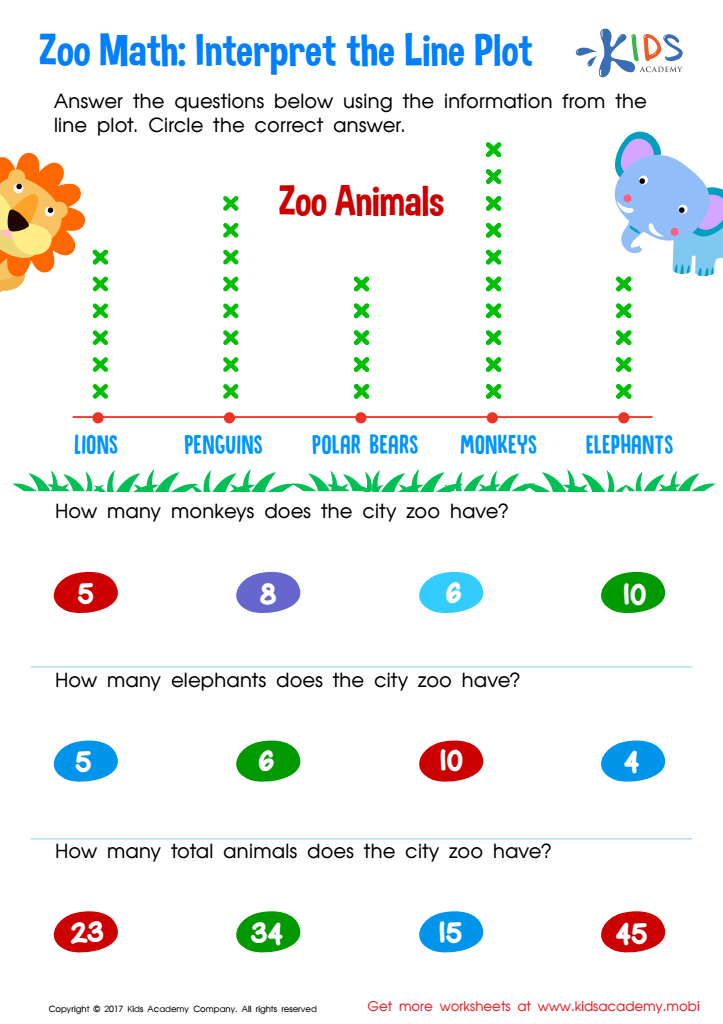
Interpret Line Plot Worksheet
 Assign to My Students
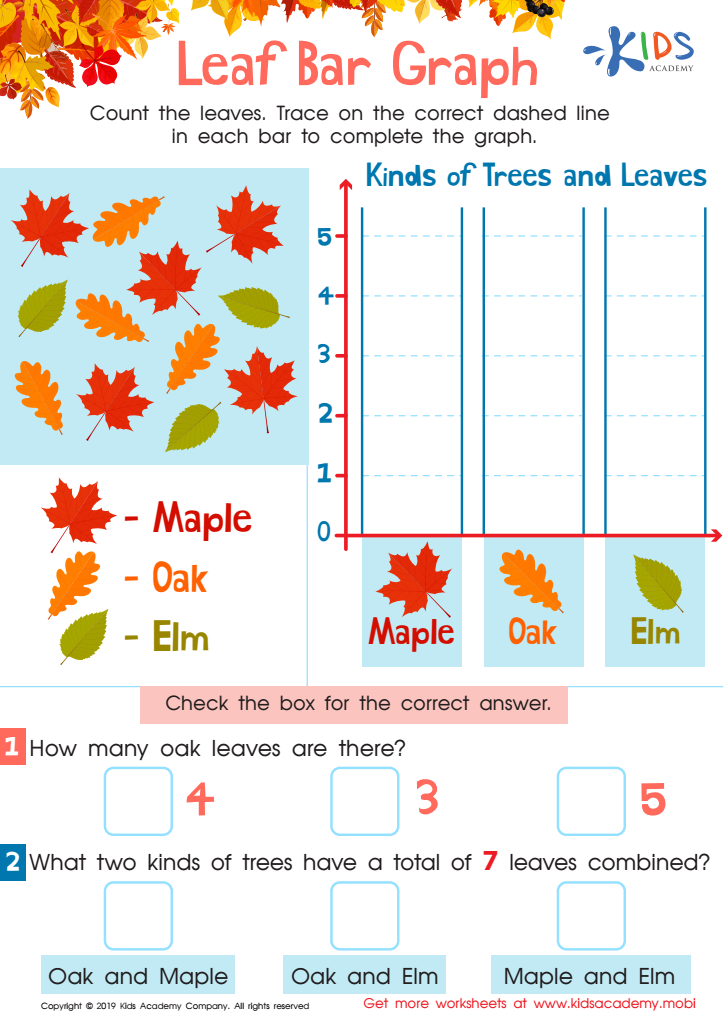
Leaf Bar Graph Worksheet
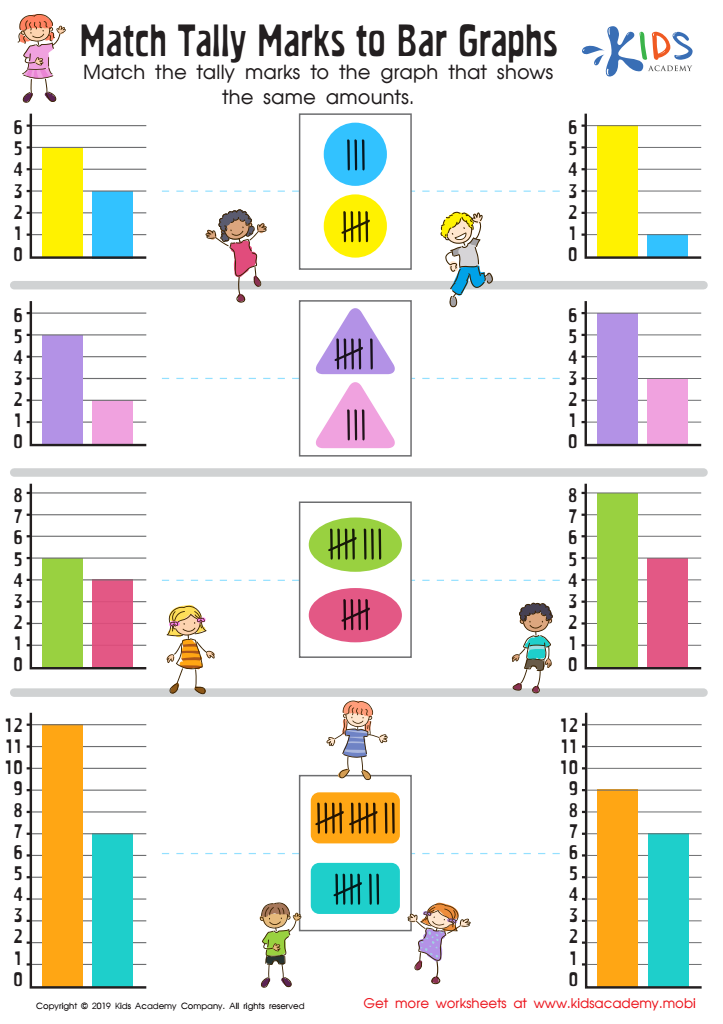
Match Tally Marks to Bar Graphs Worksheet






Parents and teachers should prioritize interpreting data Extra Challenge Math for children aged 7-9 because it plays a crucial role in developing critical thinking and problem-solving skills. At this age, children are honing their mathematical foundations, and engaging with data interpretation fosters a deeper understanding of math concepts. By analyzing graphs, charts, and tables, children learn to recognize patterns, make predictions, and draw conclusions—skills that are essential not just in math, but in everyday life.
Furthermore, interpreting data encourages children to take an active role in their learning. It allows them to ask questions, explore various outcomes, and become curious about the world around them. This experiential learning promotes persistence and resilience, as students encounter and overcome challenges within math.
Additionally, exposing young learners to data-related challenges is vital for preparing them for higher grades, where data analysis becomes increasingly prominent in subjects like science and social studies. In our data-driven society, the ability to analyze information critically and make informed decisions is invaluable. By nurturing these skills in their children, parents and teachers are equipping them for future academic success and encouraging lifelong learning habits.








