Understanding place values Extra Challenge Place Value Worksheets for Ages 7-9
3 filtered results
-
From - To
Enhance your child's math skills with our "Understanding Place Values Extra Challenge" worksheets designed for ages 7-9. At Kids Academy, our engaging and thoughtfully crafted printable exercises help students grasp the concept of place values with ease. These worksheets provide an extra challenge by introducing increasingly complex problems, perfect for reinforcing classroom learning. Watch your child’s confidence soar as they master the understanding and application of place values through fun, interactive activities. Whether at home or in school, our resources support their educational journey, laying the groundwork for future math success. Discover our extensive collection on the Kids Academy website.
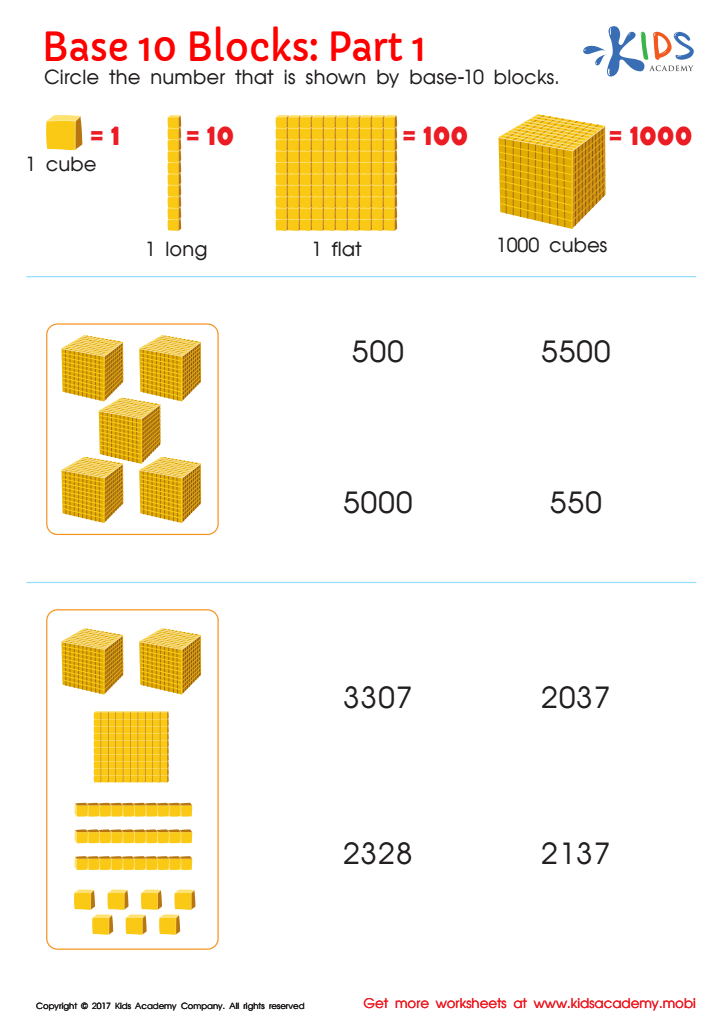
Place Value Thousands Worksheet
 Assign to My Students
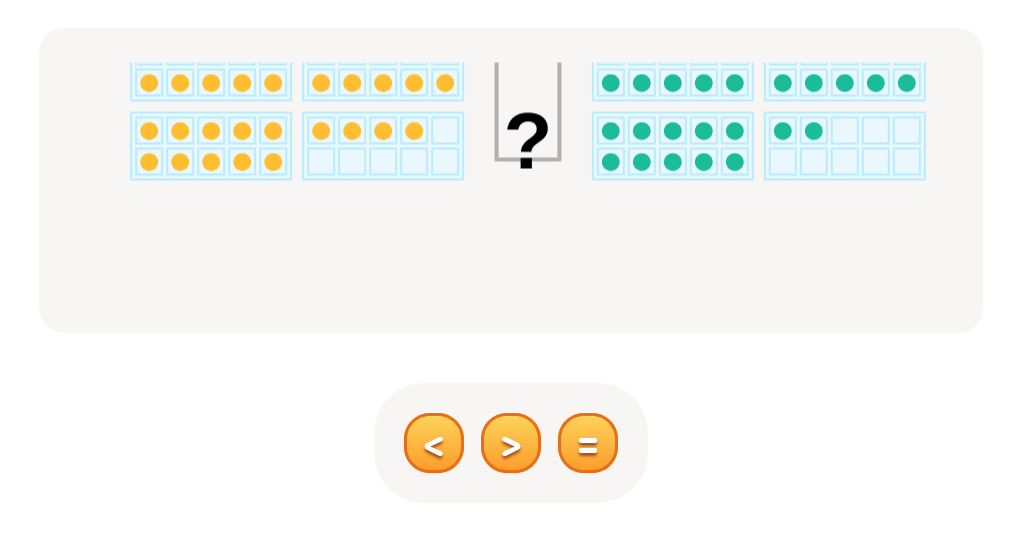

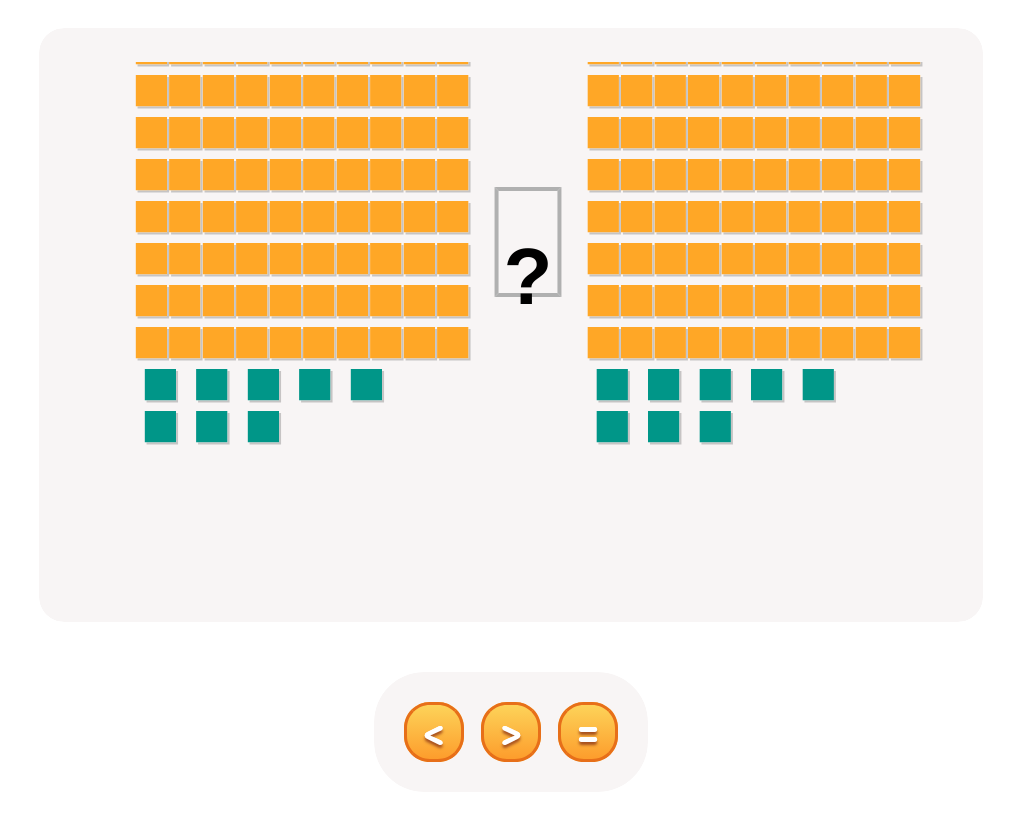
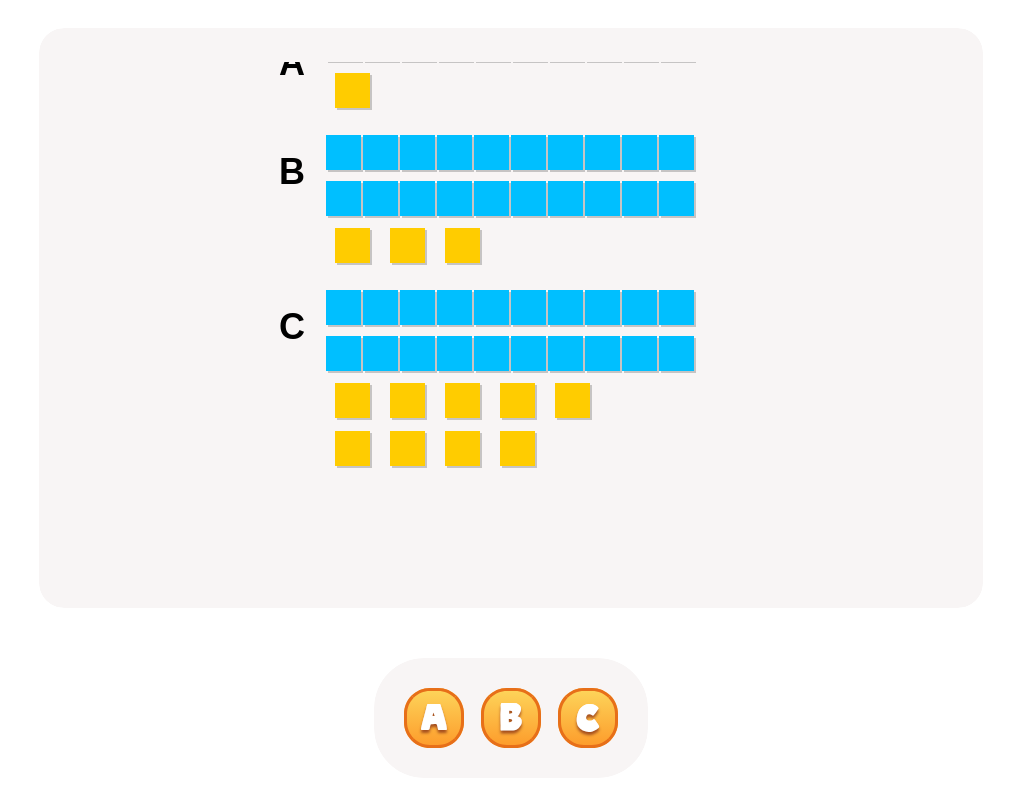
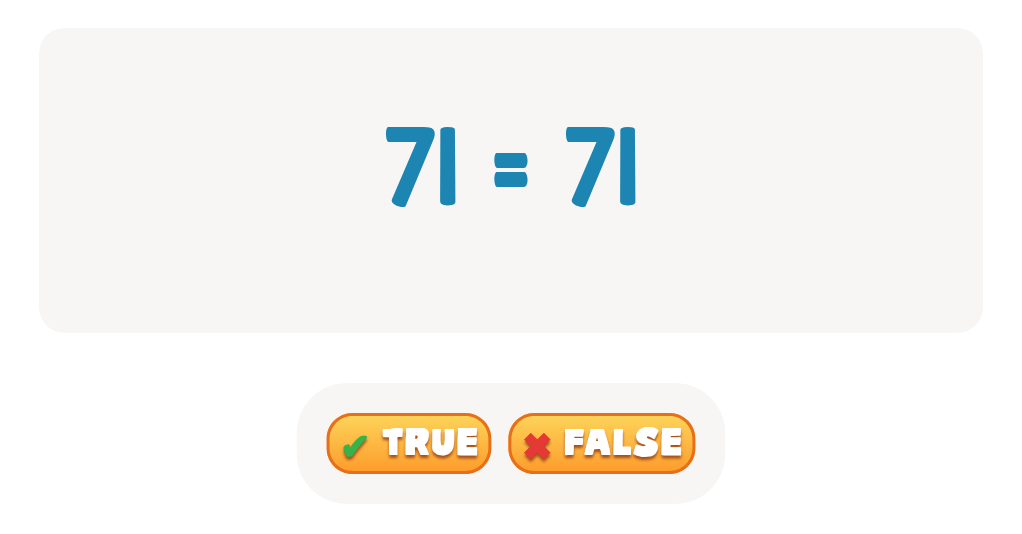
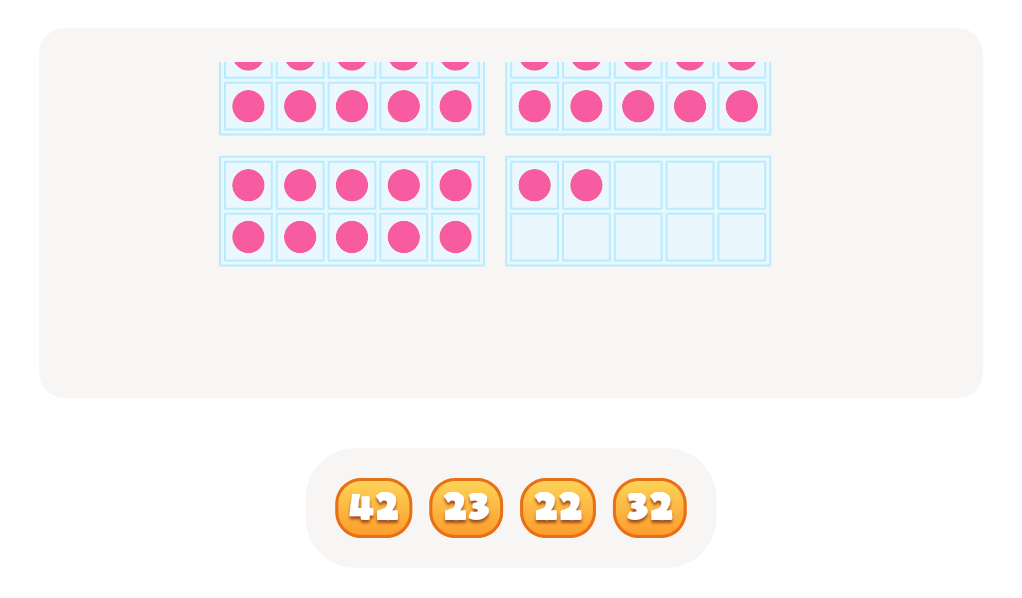
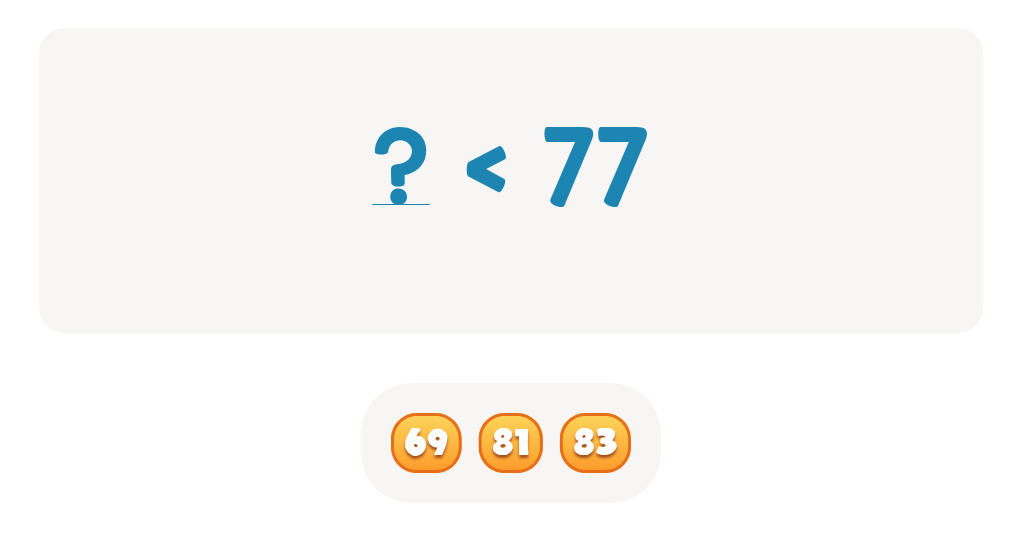
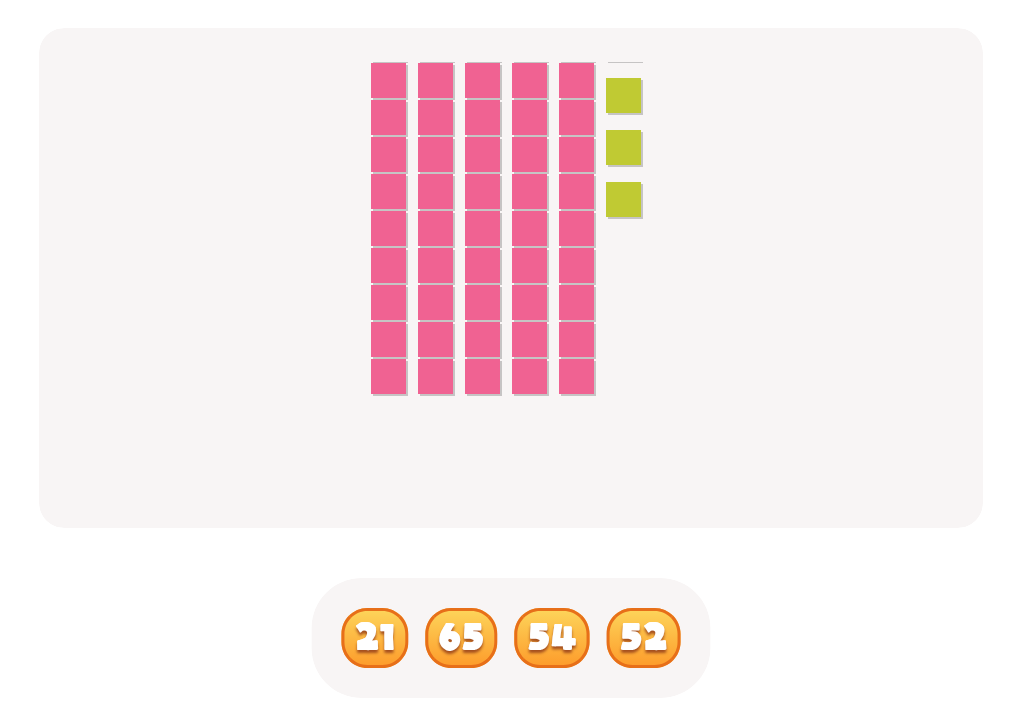
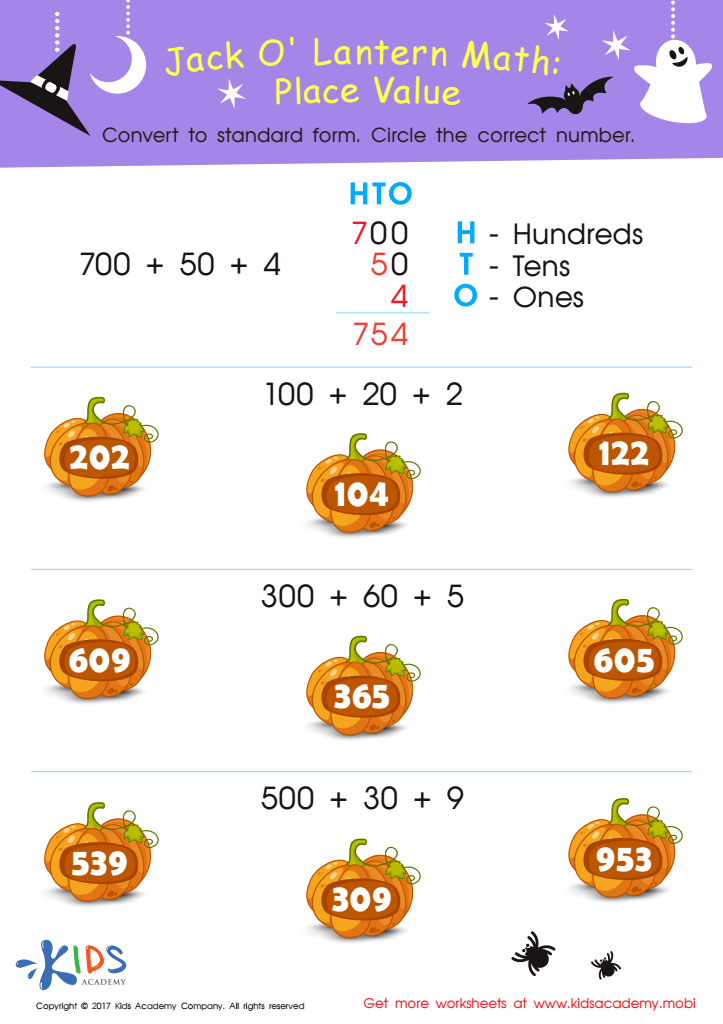
Free Place Value Worksheet
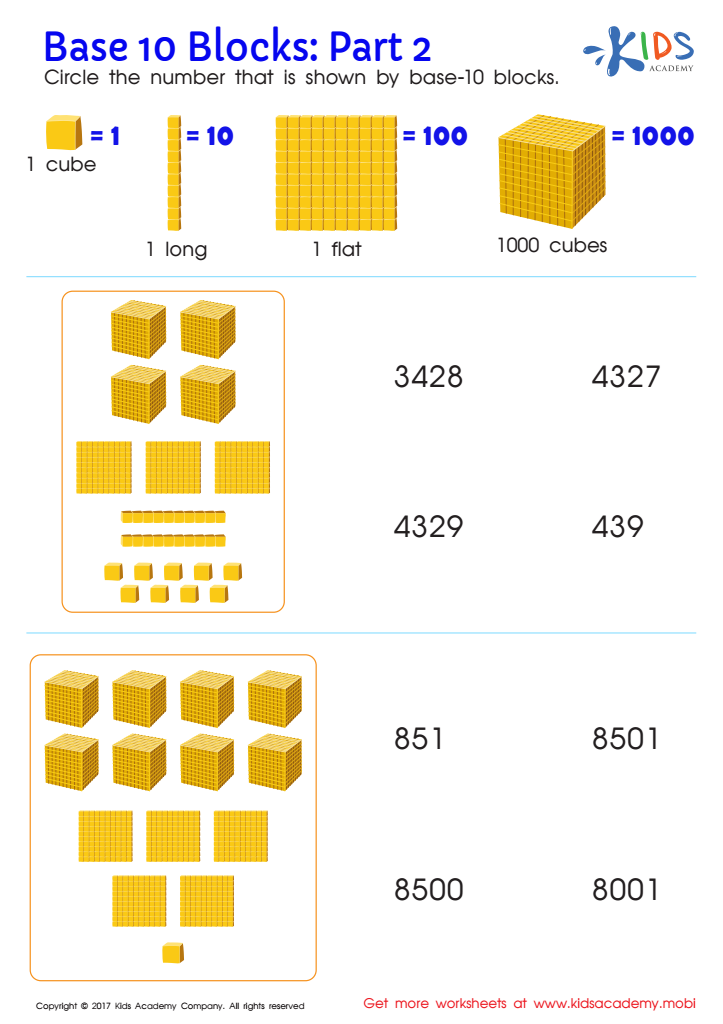
Place Value Worksheet: Thousands








Understanding place value is essential for children aged 7-9 because it forms the foundation for their entire mathematical learning journey. For students, grasping this concept means they can comprehend how numbers are constructed and deconstructed, which is critical for performing arithmetic operations such as addition, subtraction, multiplication, and division.
When children understand place value, they can easily recognize that in the number 527, for example, the digit 5 represents 500 (five hundreds), the 2 represents 20 (two tens), and the 7 represents seven ones. This fundamental insight enables them to see the relative value of digits based on their position, simplifying and clarifying the process of carrying over or borrowing in complex calculations.
From a parent’s or teacher’s perspective, placing emphasis on understanding place value ensures that children develop strong numerical literacy early on. This literacy is not only pivotal for their success in math but also in everyday life activities like handling money, measuring ingredients, or estimating quantities. A strong understanding can also help students tackle word problems and enhances logical thinking and problem-solving skills. By introducing extra challenges in place value for children aged 7-9, parents and teachers can stimulate deeper cognitive development, fostering a love for math and learning that will be beneficial throughout the students' educational paths.