Problem-Solving Skills Extra Challenge Worksheets for 7-Year-Olds - Page 3
55 filtered results
-
From - To
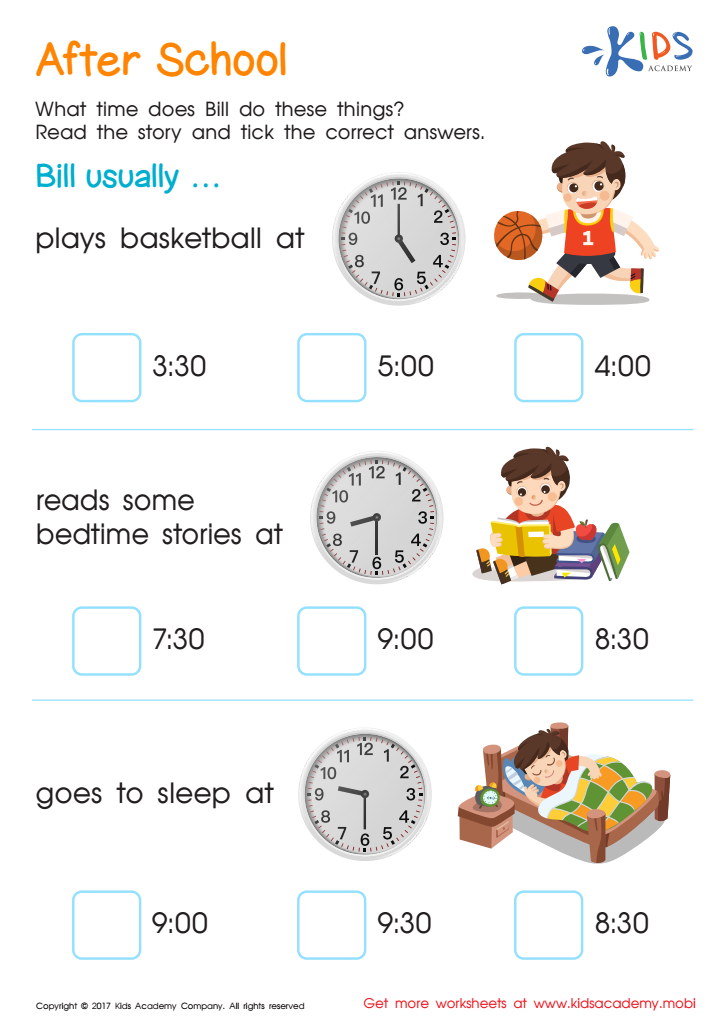
After School Time Printable
 Assign to My Students
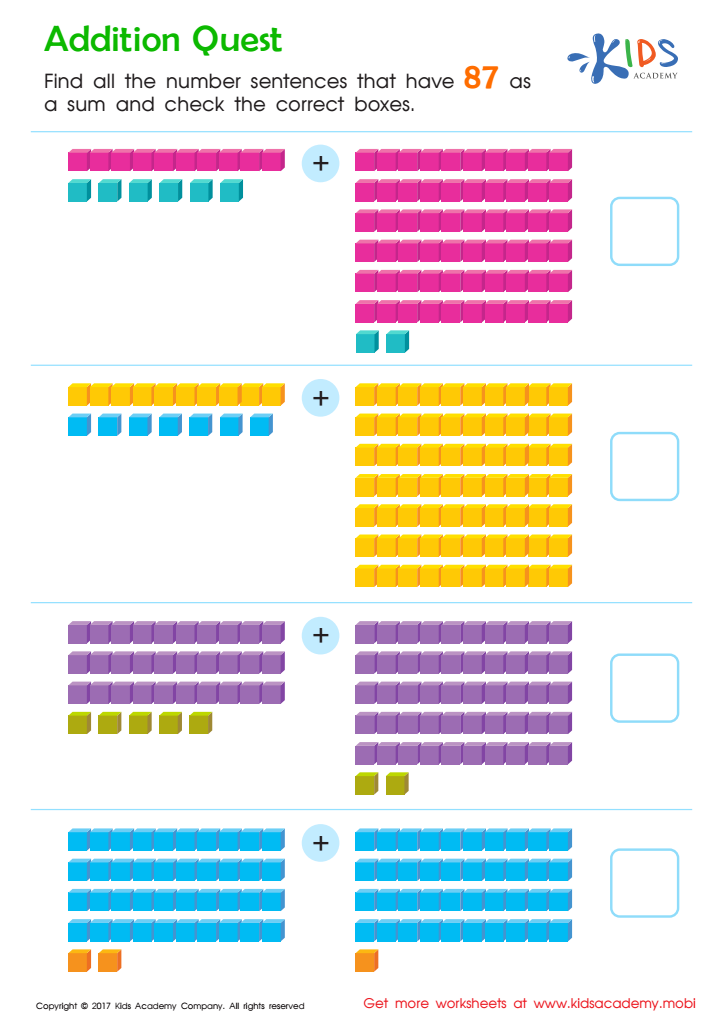
Addition Quest Worksheet: Part 1
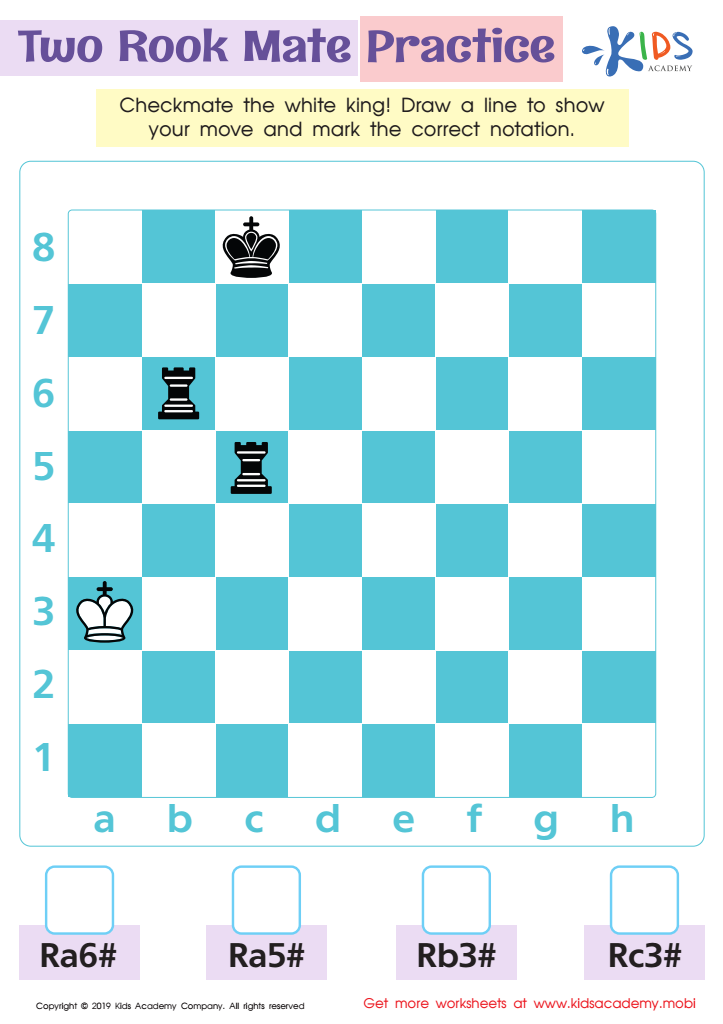
Two Rook Mate Practice Worksheet
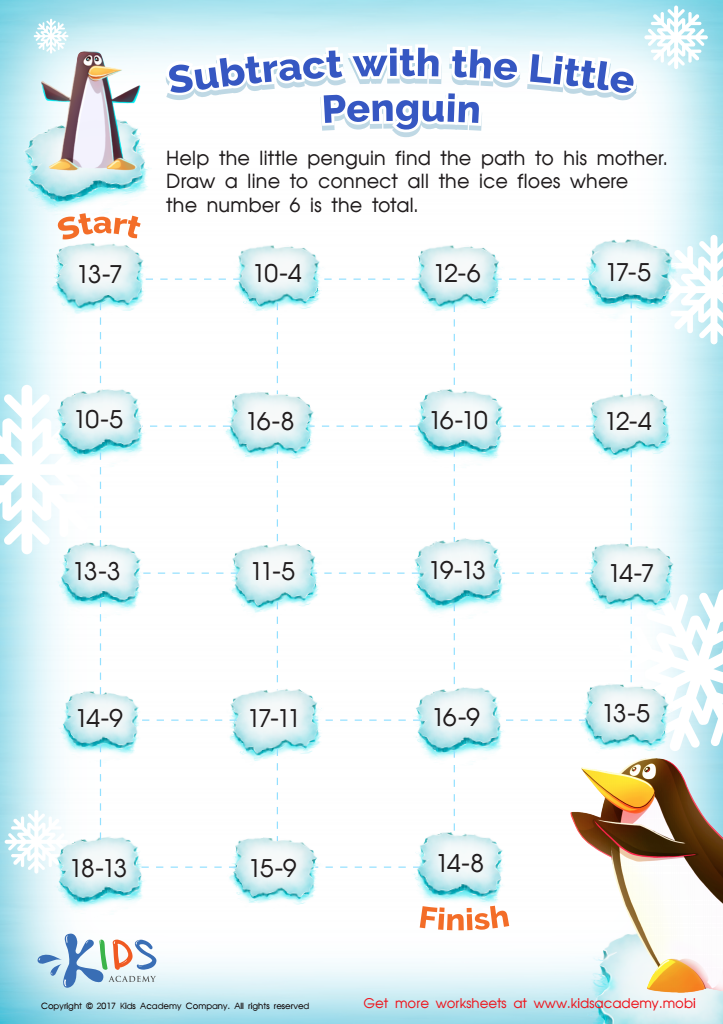
Subtract With The Little Penguin Substraction Worksheet
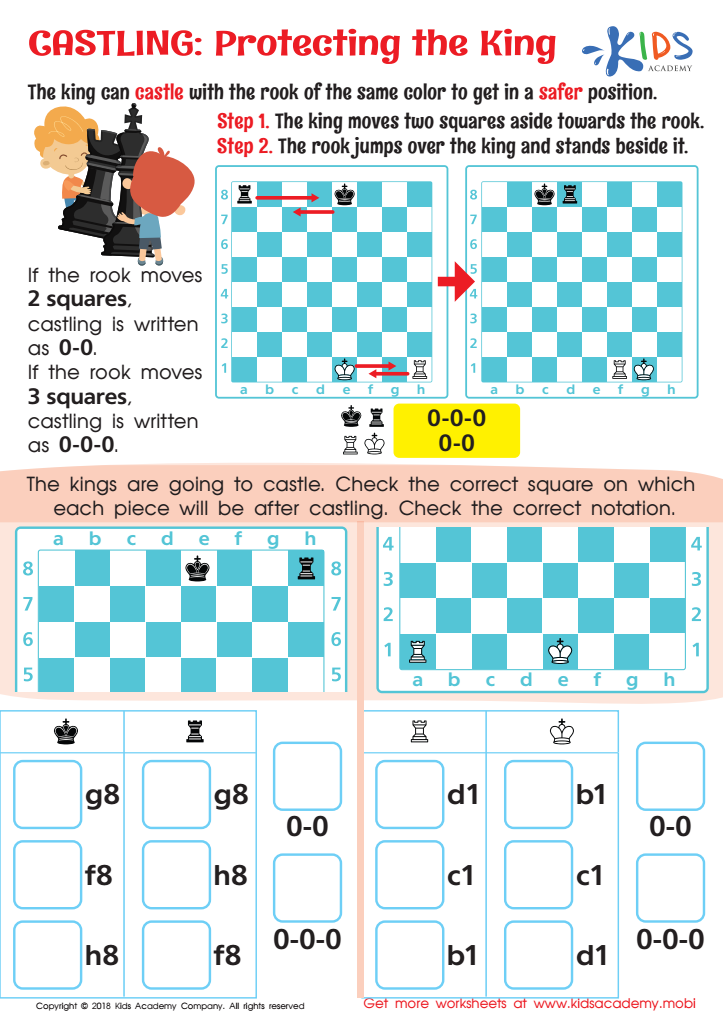
Castling: Protecting the King Worksheet
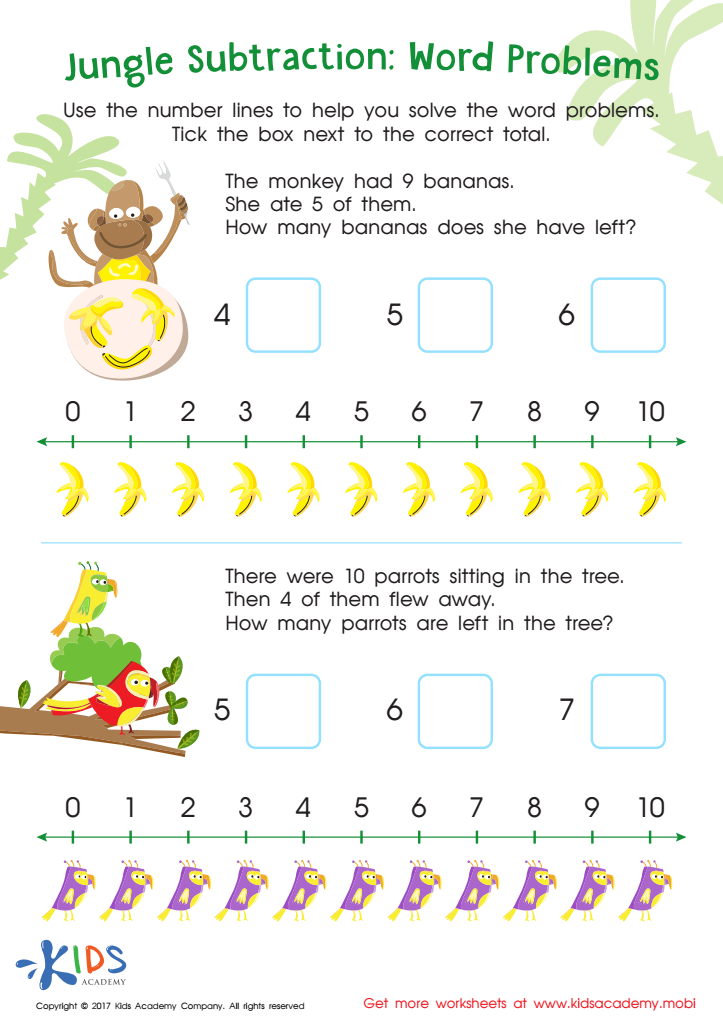
Jungle Subtraction Word Problems Substraction Worksheet
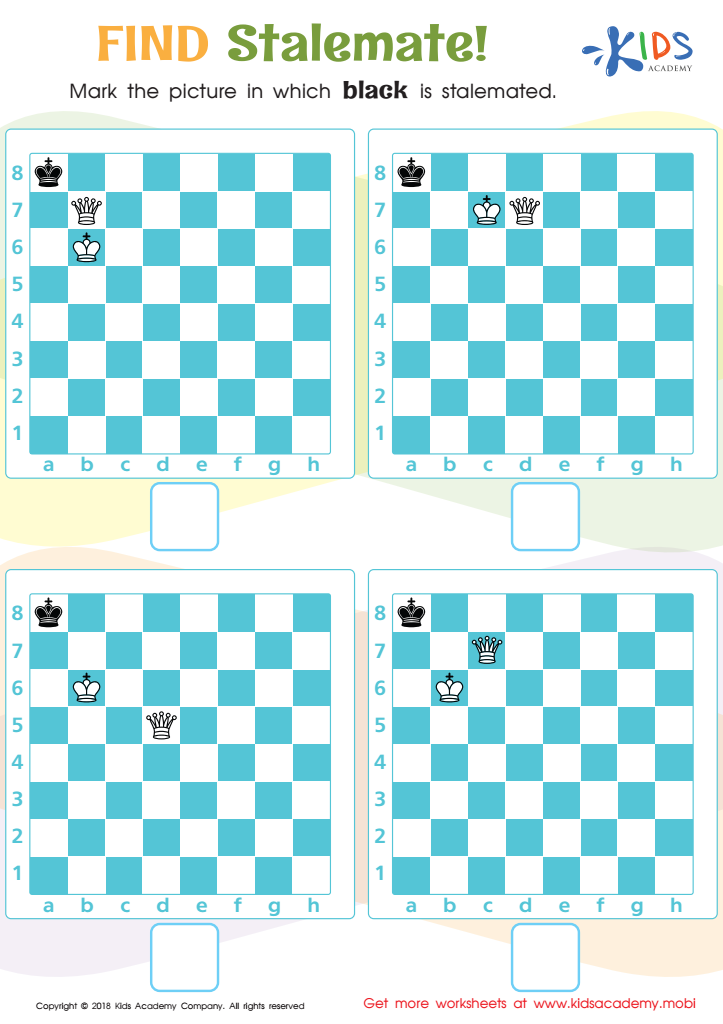
Find Stalemate! Worksheet






.jpg)

Problem-solving skills are essential for a child's cognitive and emotional development, making extra challenges in this area valuable for 7-year-olds. At this age, children are at a critical stage of learning to think independently and creatively. By introducing structured problem-solving challenges, parents and teachers can nurture analytical thinking, which enhances their ability to tackle various tasks and obstacles they’ll encounter in school and everyday life.
Moreover, problem-solving cultivates resilience and perseverance. When children face challenges, they learn that making mistakes is a part of the learning process, helping them develop a growth mindset. This ability to cope with and adapt to difficulties fosters confidence in their skills, motivation to learn, and emotional intelligence.
Additionally, engaging in problem-solving helps improve communication and collaboration skills when children work in groups. This collaboration is essential in classrooms today, promoting teamwork and social interaction abilities that are crucial for their future.
Lastly, early exposure to complex challenges prepares children for advanced academic concepts as they progress through their education. Therefore, focusing on problem-solving skills not only benefits academic performance but is also integral in ensuring well-rounded development and preparing children for a successful future.








