Vocabulary development Extra Challenge Worksheets for Ages 8-9
3 filtered results
-
From - To
Unlock the power of words with our Vocabulary Development Extra Challenge Worksheets for ages 8-9! Designed to enhance language skills, these engaging worksheets provide a variety of activities that encourage children to expand their vocabulary, improve their reading comprehension, and express themselves confidently. From word puzzles and matching exercises to creative writing prompts, each worksheet is crafted to challenge young learners and promote critical thinking. Perfect for classrooms or home study, these worksheets make learning enjoyable and effective. Help your child build a robust vocabulary and foster a lifelong love for language with our expertly designed resources!
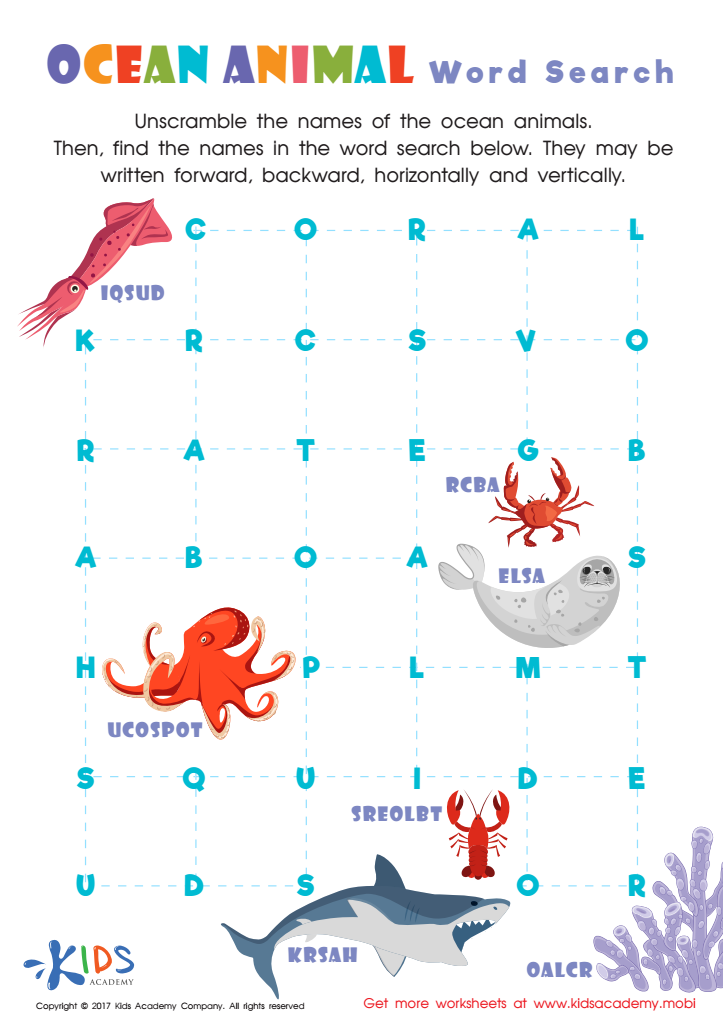
Ocean Animals Word Search Printable
 Assign to My Students
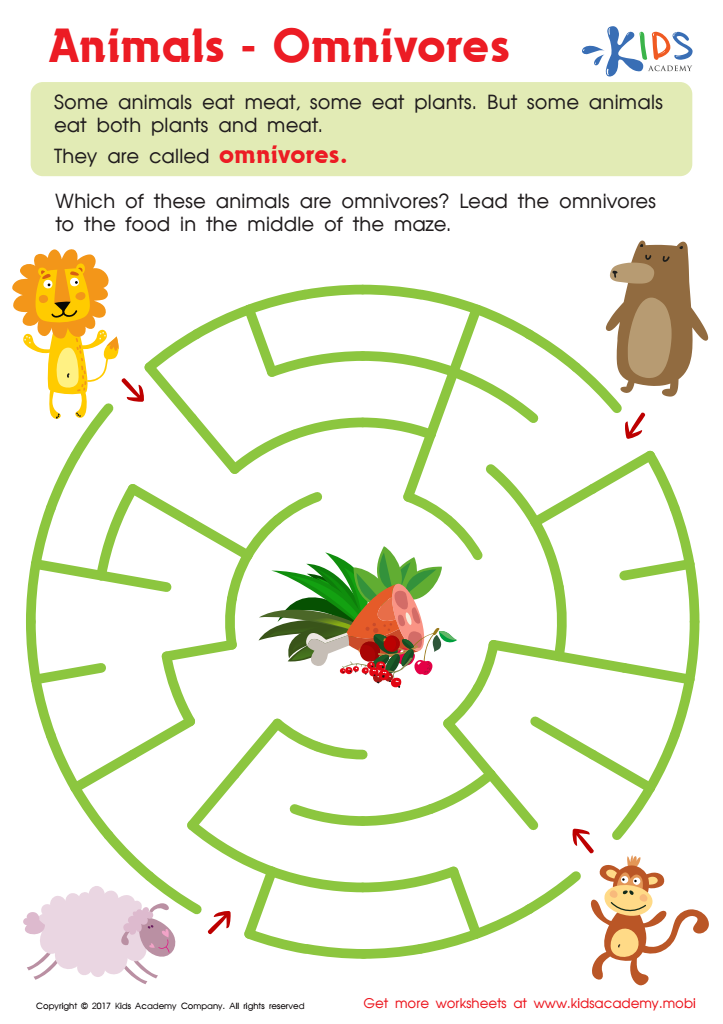
Omnivores Animals Worksheet
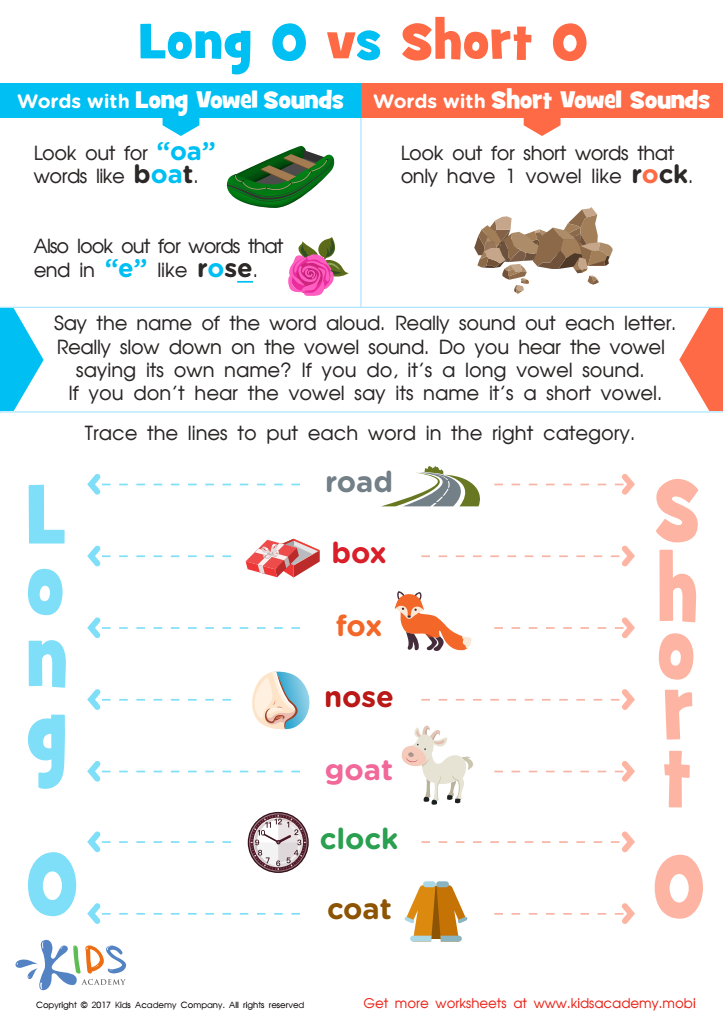
Long and Short Vowel O Spelling Worksheet








Vocabulary development is crucial for children aged 8-9, as it directly influences academic success, communication skills, and cognitive development. At this stage, children are not only expanding their vocabulary but also learning how to use words in different contexts, which forms the foundation for reading comprehension and effective oral communication. A rich vocabulary empowers children to express their thoughts and ideas more clearly, which boosts their confidence in both social and academic settings.
Additionally, a robust vocabulary enhances critical thinking skills. As children learn new words, they also gain exposure to various concepts, allowing them to make connections and think analytically. Parents and teachers should actively engage in vocabulary-building activities—like reading together, exploring new words in context, or incorporating vocabulary games—in order to reinforce learning through fun.
Furthermore, a strong vocabulary contributes to lower achievement gaps and supports language acquisition across disciplines, ultimately preparing children for future academic challenges. By prioritizing vocabulary development, parents and teachers invest in essential skills that impact reading, writing, and overall communication, helping children navigate their educational journeys and encouraging a lifelong love for learning. This investment in language skills will go far beyond the classroom, affecting children's future interactions and opportunities.








