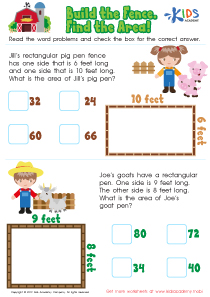
Number Recognition Extra Challenge Numbers Worksheets for 9-Year-Olds
3 filtered results
-
From - To
Enhance your child's number recognition skills with our engaging Extra Challenge Numbers Worksheets specifically designed for 9-year-olds! These worksheets offer a fun and stimulating way to strengthen their understanding of numbers while promoting critical thinking and problem-solving abilities. Featuring a variety of activities, your child will practice identifying, writing, and comparing numbers through exciting exercises that capture their interest. Perfect for both classroom and home learning, these worksheets provide the ideal supplement to traditional math education. Give your child the confidence they need in their mathematical journey with our thoughtfully designed resources tailored for their developmental needs!
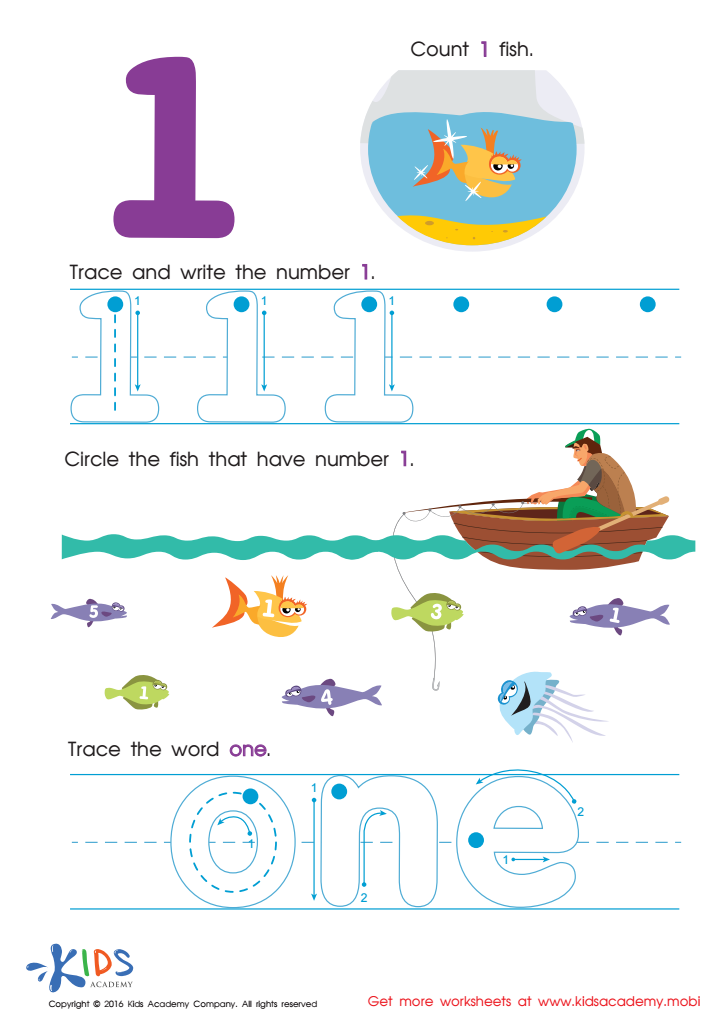
Learning to Write 1 Worksheet
 Assign to My Students
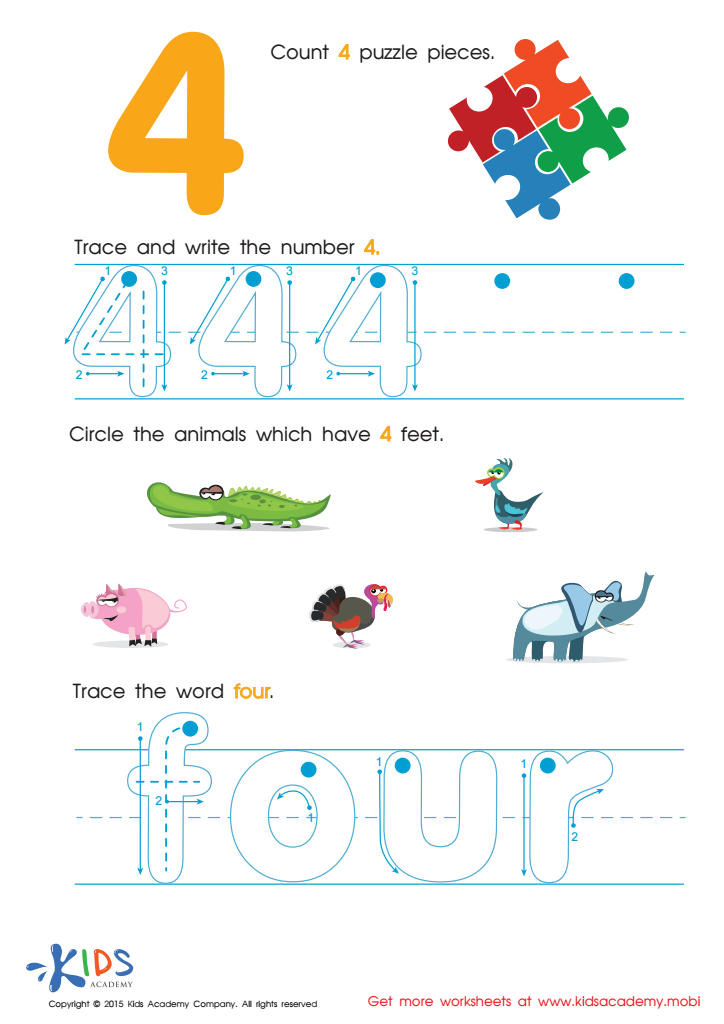
Teaching Children to Write Number 4 Worksheet
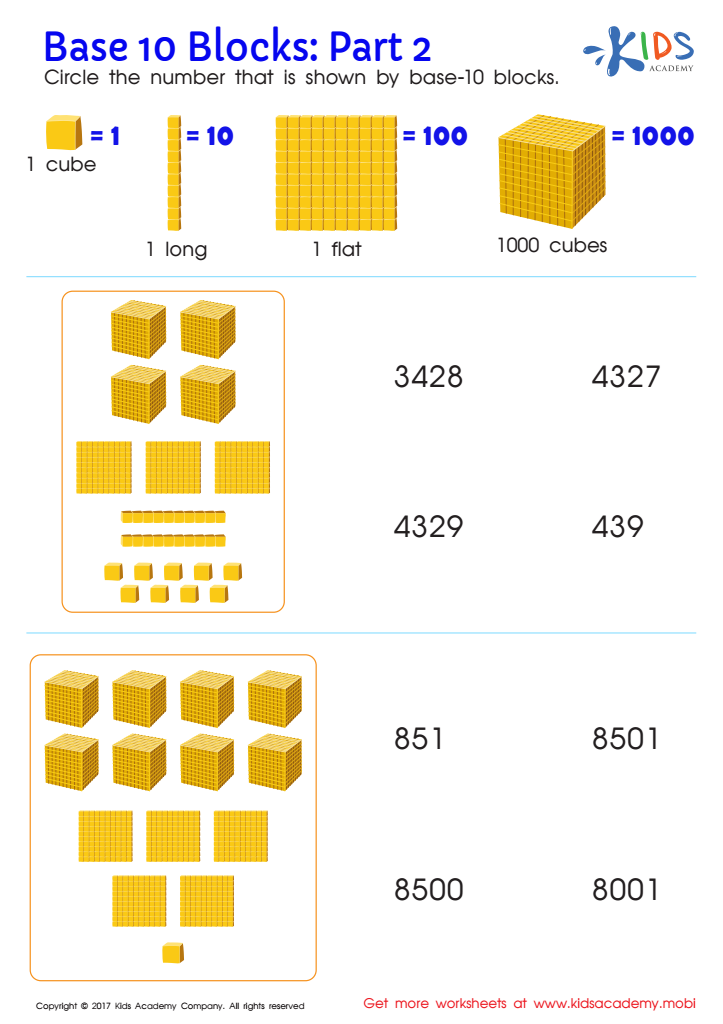
Place Value Worksheet: Thousands








Number recognition is a foundational skill that plays a crucial role in a child’s overall mathematical development. For 9-year-olds, this skill extends beyond basic number identification to encompass an understanding of place value, numerical patterns, and the relationships between numbers. Parents and teachers should care about advancing number recognition for this age group as it serves as the groundwork for more complex mathematical concepts, such as addition, subtraction, multiplication, and division.
Introducing extra challenges in number recognition helps stimulate critical thinking, encourages problem-solving, and builds confidence in handling numbers. As children engage with more complex numerical tasks, they learn to analyze and compare quantities, which enhances their cognitive skills. Furthermore, children exhibiting strong number recognition skills are likely to perform better in math-related subjects across the curriculum.
Moreover, fostering a love for numbers through engaging activities can transform a daunting subject into an enjoyable one, reducing math anxiety as children grow older. Ultimately, boosting number recognition not only prepares children for academic success but also instills lifelong skills that are essential in everyday life, from managing finances to understanding data in the modern world. Consequently, the support of parents and teachers in this area is invaluable.