Letter recognition Extra Challenge Grade 1 Tracing Letters Worksheets
7 filtered results
-
From - To
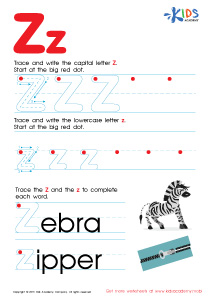
Boost your child's letter recognition skills with our "Letter Recognition Extra Challenge Grade 1 Tracing Letters Worksheets." Perfectly designed for first graders, these challenging worksheets provide engaging tracing activities to help kids master each letter of the alphabet. Through repetitive practice, children enhance their fine motor skills and letter formation, laying a solid foundation for reading and writing. Offering an enjoyable learning experience, these worksheets are ideal for reinforcing classroom lessons at home. Set your young learner on the path to literacy success with our expertly crafted tracing activities tailored for eager minds!
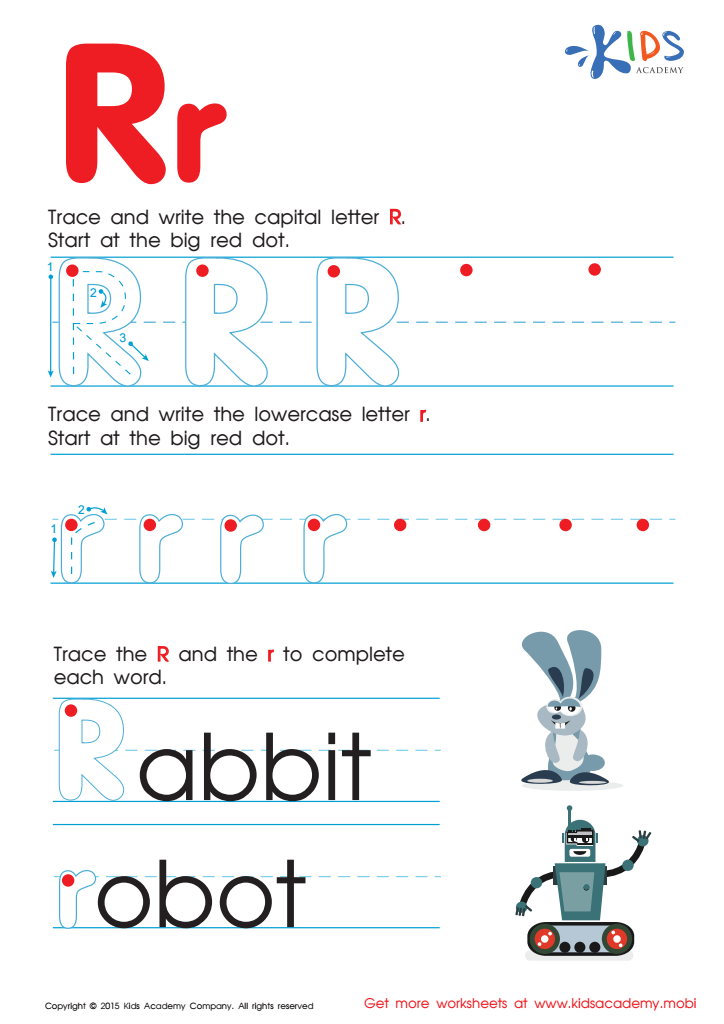
Letter R Tracing Page
 Assign to My Students
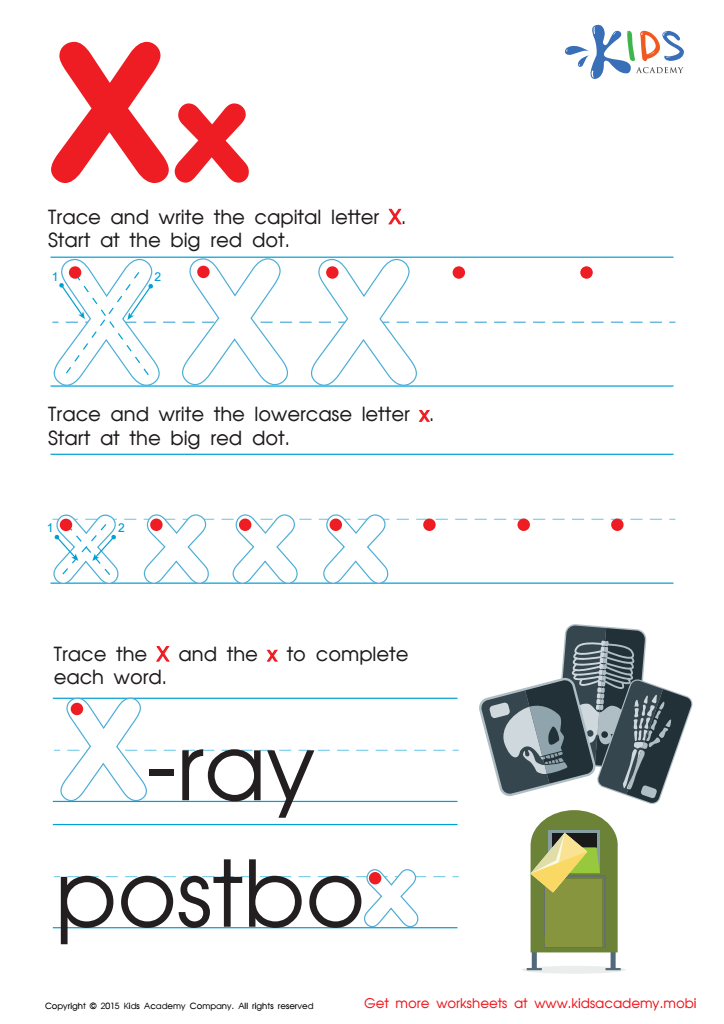
Letter X Tracing Page
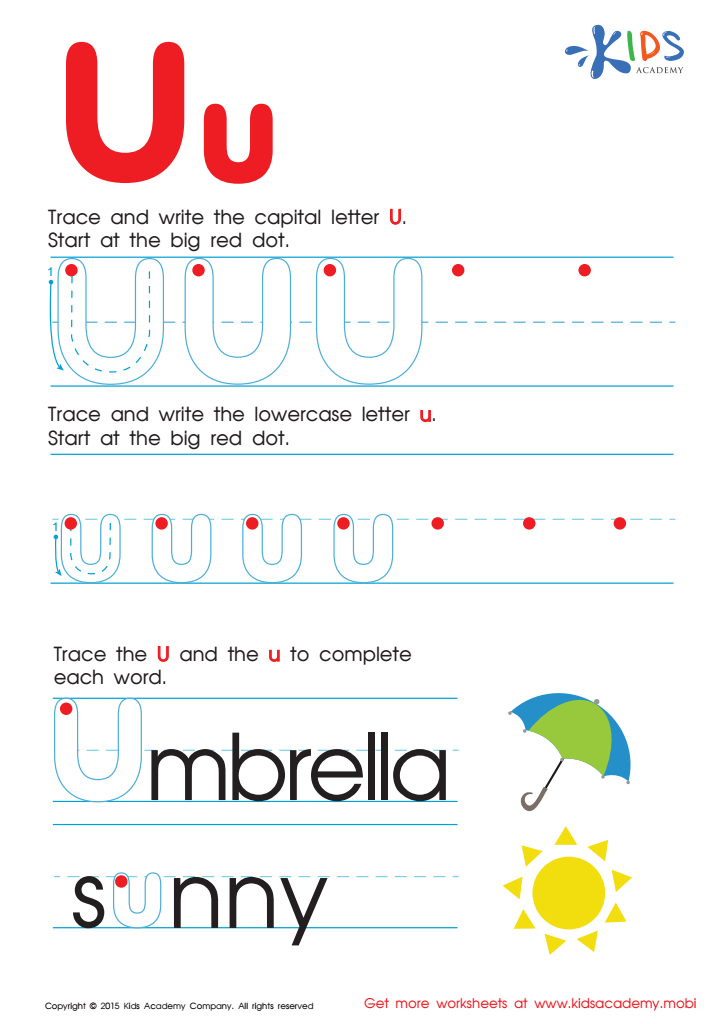
Letter U Tracing Page
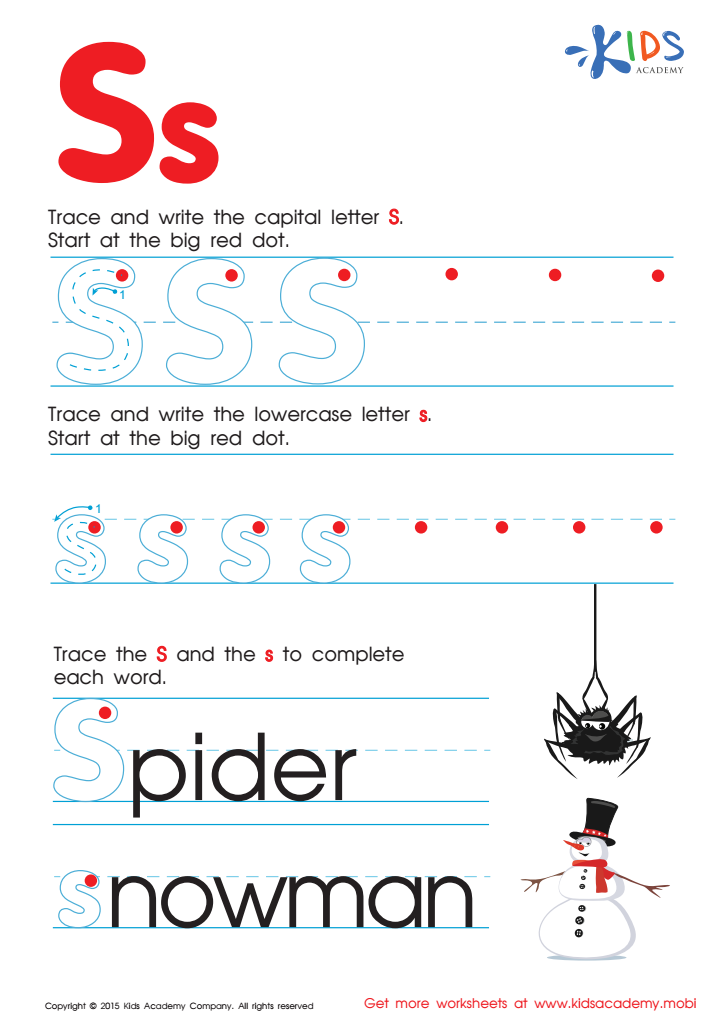
Letter S Tracing Page
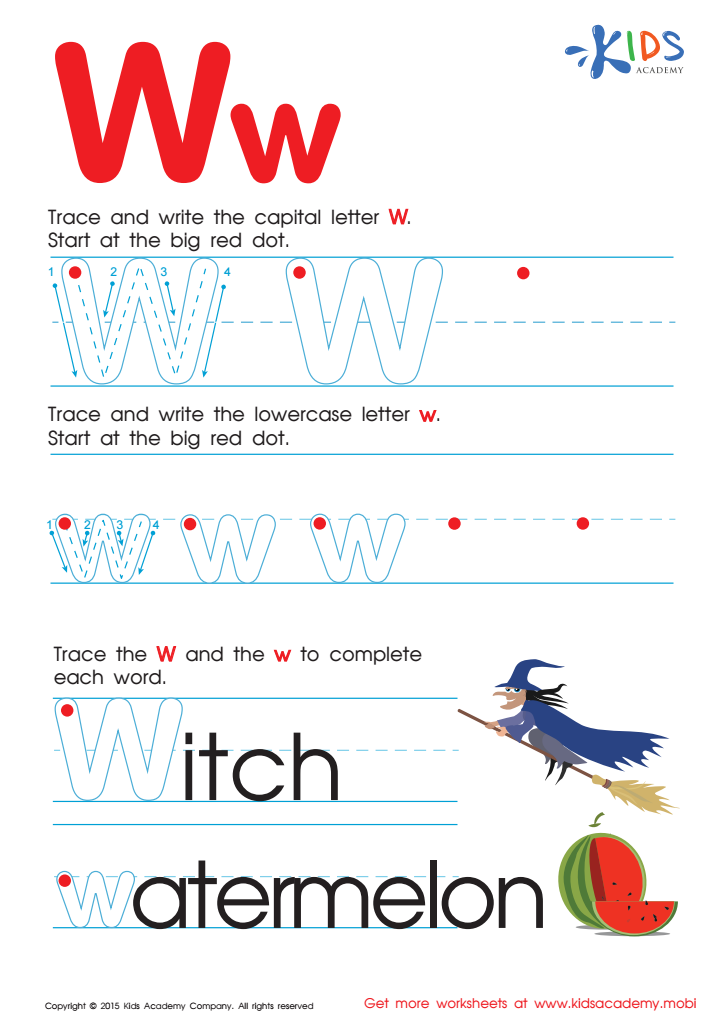
Letter W Tracing Page
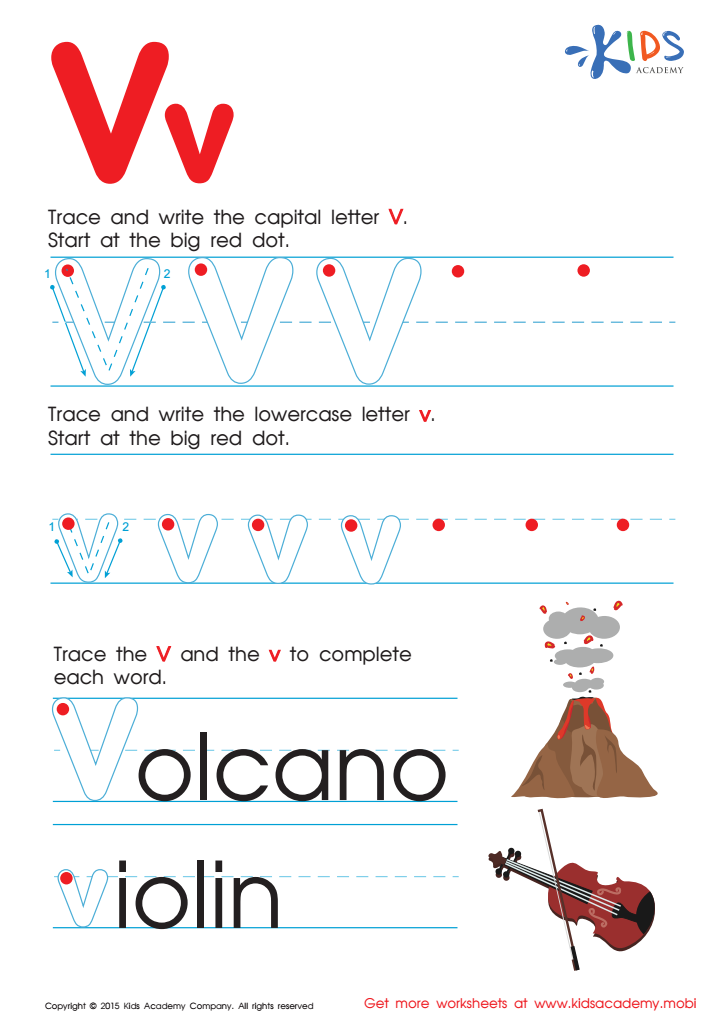
Letter V Tracing Page
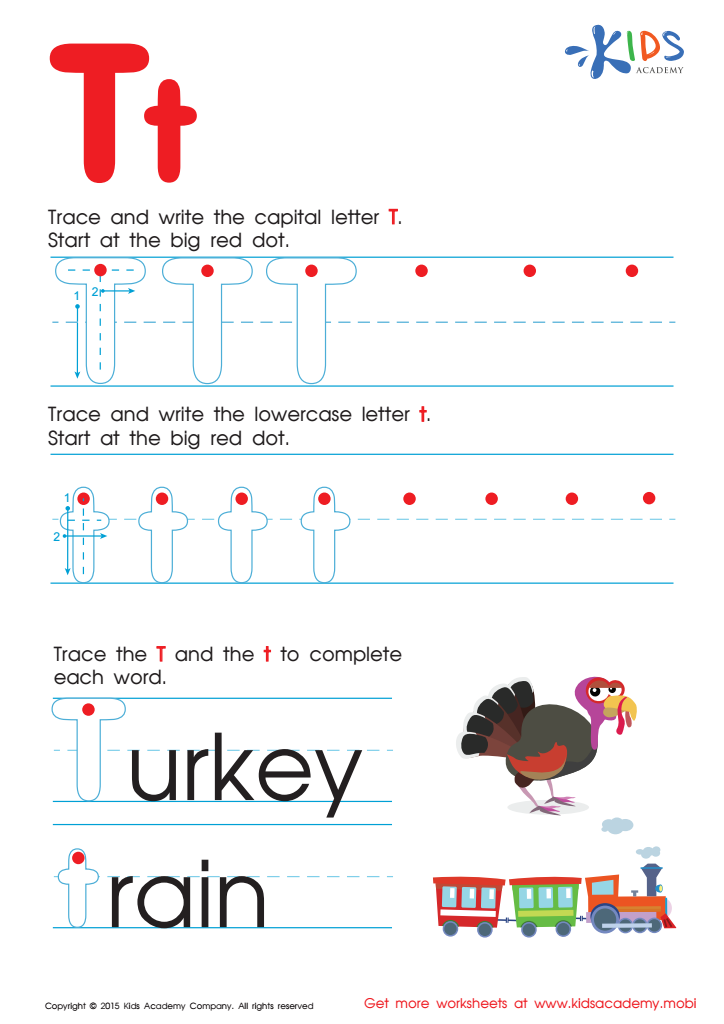
Letter T Tracing Page




Letter recognition is a foundational skill crucial for early childhood education, particularly for first graders. When parents and teachers pay attention to Letter Recognition Extra Challenge Grade 1 Tracing Letters, they foster the essential components of literacy. This activity benefits children in multiple ways.
Firstly, tracing letters engages young learners in both visual identification and fine motor practice, enabling them to recognize and reproduce letters correctly. Visual recognition is critical as it underpins all reading skills; children must be able to differentiate among the letters to understand words and their meanings. Secondly, the motor practice that tracing provides helps in developing hand-eye coordination and muscle memory, which are vital for writing fluency.
The extra challenge component is also significant, as it helps to stimulate cognitive development. By asking children to go beyond basic recognition, they must engage more actively with the task, which promotes attention to detail and strengthens their memory and comprehension skills.
Beyond cognitive and motor benefits, this focus builds confidence. As children master more complex tracing tasks, they gain a sense of achievement, encouraging a positive attitude towards learning. This holistic development cultivates not just literary proficiency, but also essential academic resilience and self-assurance that benefits their overall educational journey. Thus, both parents and teachers should prioritize these activities to provide a robust foundation for lifelong learning.